
Agricultural Fence Installation: A Farmer's Guide

Building a fence in Central Nebraska isn’t like building one anywhere else. Our rolling hills, varied soil types, and harsh weather cycles demand a specific approach. A fence that works in another state might not last a few seasons here without proper planning and construction. It takes local knowledge to choose the right materials and use the correct techniques for our unique environment. This guide is written from that local perspective, focusing on what truly works for farmers and ranchers in our community. We’ll cover everything you need to know to ensure your agricultural fence installation results in a durable, reliable barrier built for Nebraska.
Key Takeaways
- Choose the right fence for the right job
: Your livestock and the fence's location determine the best materials, so a barbed wire pasture fence will be very different from a steel corral system.
- Invest in professional installation for a lasting fence
: A fence is only as strong as its installation. Professional contractors ensure proper bracing, tension, and post depth, which prevents sagging and protects your investment for years.
- Budget for the entire project, not just the materials
: Your total cost includes more than just wire; remember to factor in professional labor, essential components like gates and corner braces, and any necessary land clearing for an accurate budget.
A Guide to Agricultural Fence Types
Choosing the right fence for your farm is a big decision. It’s not just about marking property lines; it’s about keeping your livestock safe, managing your pastures effectively, and investing in a solution that will stand up to Nebraska’s demanding weather for years to come. With several options available, it’s important to understand the strengths of each type so you can pick the one that best fits your land and your animals. From the classic reliability of barbed wire to the modern strength of hi-tensile, let's walk through the most common agricultural fence types to help you make a confident choice for your property.
Barbed Wire
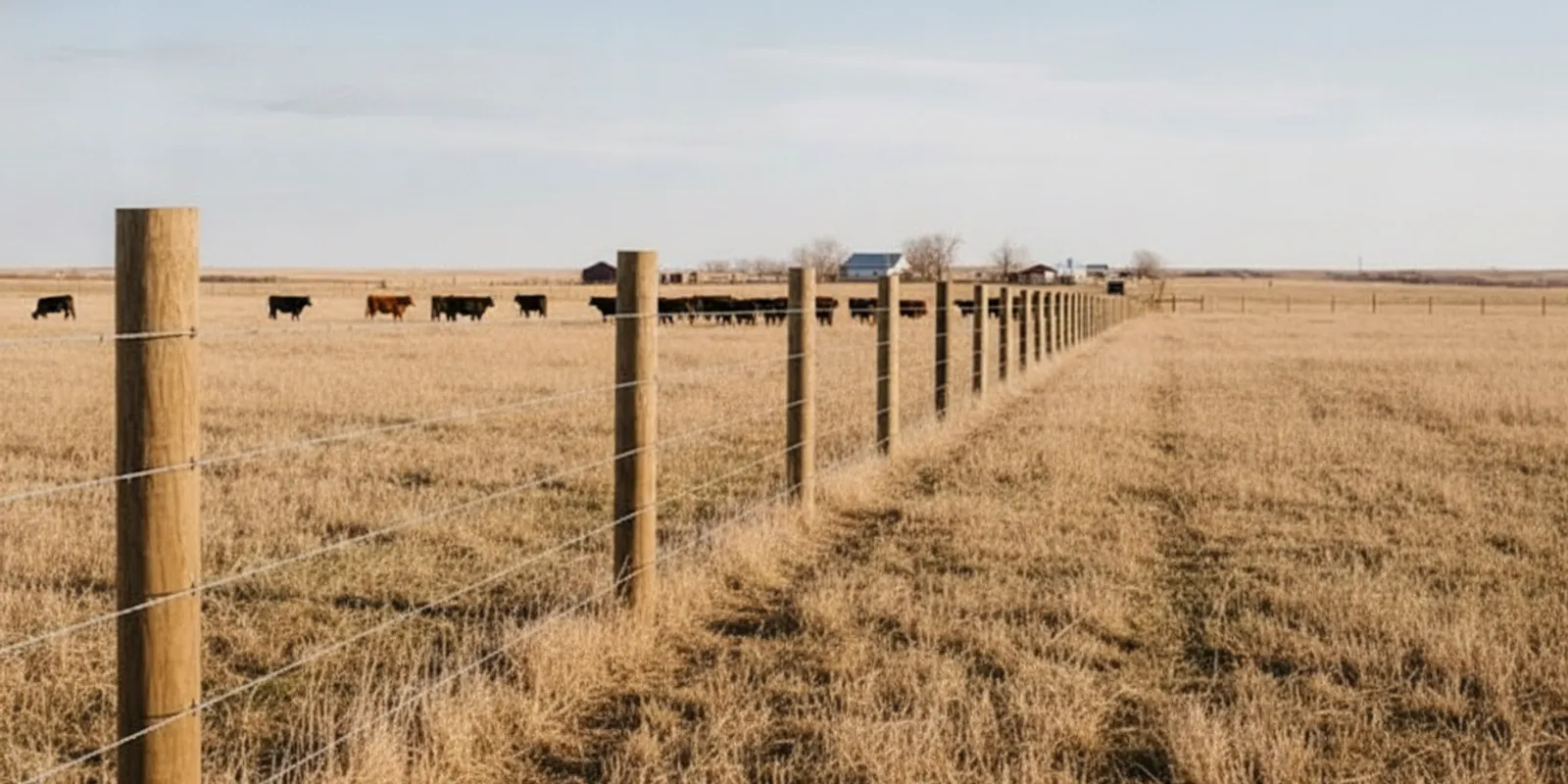
Barbed wire is a classic for a reason. It’s an effective and affordable way to contain cattle and secure the perimeter of large pastures. This type of fencing acts as a strong physical and psychological deterrent for livestock, keeping them safely within their designated areas. Because it's relatively straightforward to install across vast stretches of land, it remains a go-to choice for many farmers and ranchers in Central Nebraska. When properly installed and tensioned, a barbed wire fence provides a dependable boundary that protects both your land and your herd, making it a practical foundation for any agricultural operation.
Hi-Tensile Wire
If you’re looking for a fence that combines strength with a long lifespan, hi-tensile wire is an excellent investment. This type of fencing uses high-carbon steel wire that can be tensioned much tighter than conventional wire, making it incredibly durable and resistant to sagging. While material costs are reasonable, the real value comes from its longevity. A properly installed hi-tensile fence can last for decades with minimal maintenance, giving it one of the lowest lifetime costs of any fencing option. Its strength also means you can use fewer posts, saving on materials and installation time. This makes it a smart, long-term solution for serious livestock containment.
Continuous Fencing
For high-traffic areas like corrals, pens, and feedlots, you need a fence that can handle constant pressure. That’s where continuous fencing shines. Typically made from heavy-duty steel pipes welded together, this option offers unmatched strength and durability. It creates a solid, visible barrier that can withstand crowding from cattle without bending or breaking. Continuous fences are not only incredibly strong but also safer for livestock, as there are no sharp points or wires that could cause injury. You can see examples of these sturdy setups in our project gallery. They are a permanent, reliable solution built to endure Nebraska’s toughest conditions for generations.
Woven Wire
Woven wire, sometimes called field fence or mesh fence, is one of the most versatile options available. Its design features horizontal and vertical wires that create a grid pattern, making it suitable for containing a wide variety of animals, from large cattle to smaller livestock like sheep, goats, and hogs. The size of the mesh openings can be chosen based on the type of animals you need to contain. Woven wire is a cost-effective and highly effective solution for everything from perimeter fencing to creating smaller paddocks for rotational grazing. It provides a secure barrier that animals can’t easily push through, offering peace of mind for any farm owner.
Planning Your Agricultural Fence Installation
A strong fence doesn't just happen; it starts with a solid plan. Before the first post is driven into the ground, taking the time to think through your project will save you headaches and money down the road. Proper planning ensures your fence is perfectly suited for your livestock, stands up to Nebraska weather, and meets all local requirements. It’s about more than just marking a boundary; it’s about creating a functional, long-lasting asset for your farm or ranch that protects your animals and your investment.
Thinking ahead is the most critical part of the process. What kind of animals are you containing? What does the terrain look like where the fence will run? Are there any local rules you need to follow? Answering these questions upfront helps avoid costly changes or repairs later. From choosing the right materials for your herd to clearing the fence line, every step is important. We’ll walk through the key considerations for planning your agricultural fence installation. Thinking about these details now helps ensure the final product is exactly what you need. A well-planned fence provides security for your animals and peace of mind for you, making it one of the best investments you can make in your operation.
Match the Fence to Your Livestock
The first question to answer is: what animals will the fence be holding? The type of livestock you manage is the single most important factor in your fence design. A fence that works for a calm herd of cattle might not be suitable for more curious animals like goats or horses, which can test a fence in different ways. Different animals require specific fencing types to ensure they stay safely contained. For example, barbed wire is a common choice for cattle, but it’s not ideal for horses due to the risk of injury. The size, temperament, and value of your animals will all guide your decision on materials, height, and wire spacing.
Account for Central Nebraska's Terrain and Soil
Here in Central Nebraska, our land presents unique challenges. The rolling hills, varied soil types, and sometimes unpredictable weather all play a role in how a fence should be built. A fence on a flat, even pasture is very different from one that has to go up and down slopes or cross low-lying areas. Site conditions like clay soil or rocky ground can affect how posts are set and how well the fence holds its tension over time. Proper bracing and expert installation are critical to building a fence that can withstand the pressure from both livestock and our local environment, ensuring it remains tight and effective for years.
Know Local Regulations and Property Lines
Before you build, it’s essential to do your homework on local rules. While the goal of a fence is simple, the farm fencing laws that govern it can vary by county. Taking a moment to check for any specific requirements in your area, such as setback distances or fence height restrictions, can prevent costly disputes with neighbors or local authorities. Equally important is knowing exactly where your property lines are. Having a clear survey is the best way to ensure your fence is built on your land, which is a foundational step for any successful fencing project and for maintaining good relationships with your neighbors.
Prepare for Fence Line Clearing
A clean fence line is the foundation of a durable fence. Overgrown brush, trees, and debris don't just look messy; they can cause serious problems for your fence over time. Trees can fall and damage the wire, while thick brush can hide weak spots and make repairs difficult. Keeping fence lines clear extends the life of your fence, makes it easier to patrol for issues, and helps contain your livestock more securely. We offer professional fence line cleaning to prepare your property for a new installation or to maintain your existing fences, ensuring your investment is protected and your boundaries are always secure.
How to Budget for Your New Farm Fence
Planning for a new fence is a big project, and figuring out the budget is the first major step. It’s about more than just the posts and wire; you’re investing in the security of your livestock and the integrity of your property for years to come. To get a clear picture of the total cost, it helps to break it down into four main parts: the materials themselves, the cost of professional installation, any gates or special features, and the long-term upkeep.
Thinking through each of these areas will help you avoid surprises and create a realistic budget. While these guidelines will give you a solid starting point, the most accurate way to plan is to get a specific quote for your unique property and needs. A detailed estimate from a professional will account for the specific terrain, length, and type of fence you have in mind, giving you a firm number to work with.
Material Costs by Fence Type
The type of fence you choose will be the biggest factor in your material costs. Different fencing systems are priced differently based on the complexity and amount of steel, wood, and hardware required. For a general idea, high-tensile wire is often a cost-effective choice for covering long distances, with material costs typically falling between $1 to $2.50 per linear foot.
If you need something more robust like woven wire or field fencing, the price can range from $2 to $15 per linear foot depending on the height, wire gauge, and coating. These are just ballpark figures, as market prices for steel and wood can fluctuate. The key is to balance the upfront material cost with the fence’s suitability for your livestock and its expected lifespan.
Professional Installation and Labor
Don't underestimate the cost of labor. Professional installation is a significant portion of the total investment, often accounting for 50% or more of your final bill. While it might be tempting to cut corners here, paying for expertise is what ensures your fence stands strong against weather and livestock pressure. Labor costs cover the crew’s time, the use of specialized equipment for driving posts and tensioning wire, and the skill needed to build a fence correctly.
The cost can average between $10 to $30 per linear foot, but this varies based on the complexity of the job and the terrain. Installing a fence on hilly, rocky ground will naturally take more time and effort than working on a flat, clear pasture. Our professional installation services are designed to be efficient and thorough, ensuring your fence is built right the first time.
Gates, Bracing, and Other Features
Your fence line is more than just a straight run of wire. You’ll need to budget for essential components like gates, corner posts, and bracing assemblies. A sturdy, well-hung gate is critical for easy access, and robust bracing is the backbone of any high-tensile or barbed wire fence. Without proper bracing, your fence will sag and fail over time.
Think about how many gates you’ll need and where they should be placed. Will you need special features like cattle guards or unique configurations for your corral system? These additions will add to the material and labor costs, so it’s important to include them in your initial plan. You can see examples of our sturdy gate and brace construction to get an idea of what a quality build looks like.
Long-Term Maintenance Needs
A well-built fence is a long-term asset, and budgeting for it should include thinking about future maintenance. Choosing durable, high-quality materials from the start can significantly reduce your repair costs down the road. For example, using properly treated wood posts and galvanized wire resists rot and rust, extending the life of your fence.
While a professionally installed fence from a company like Rapid Fence is built to last, all fences require occasional checks. A simple walk along the fence line a few times a year to check for damage or loose wires is the easiest way to catch small problems before they become big, expensive ones. This proactive approach to fence maintenance is the best way to protect your investment and keep your property secure.
Professional vs. DIY Fence Installation
Deciding whether to tackle a fencing project yourself or hire a professional is a major consideration. While a DIY approach can seem like a way to save money, agricultural fencing requires specific skills and equipment to ensure it effectively contains your livestock and withstands Nebraska’s weather for years to come. A poorly built fence can lead to escaped animals, constant repairs, and ultimately, a bigger expense down the road. This decision comes down to weighing the cost of materials against the value of expertise, time, and peace of mind.
Why Proper Bracing and Tension Are Critical
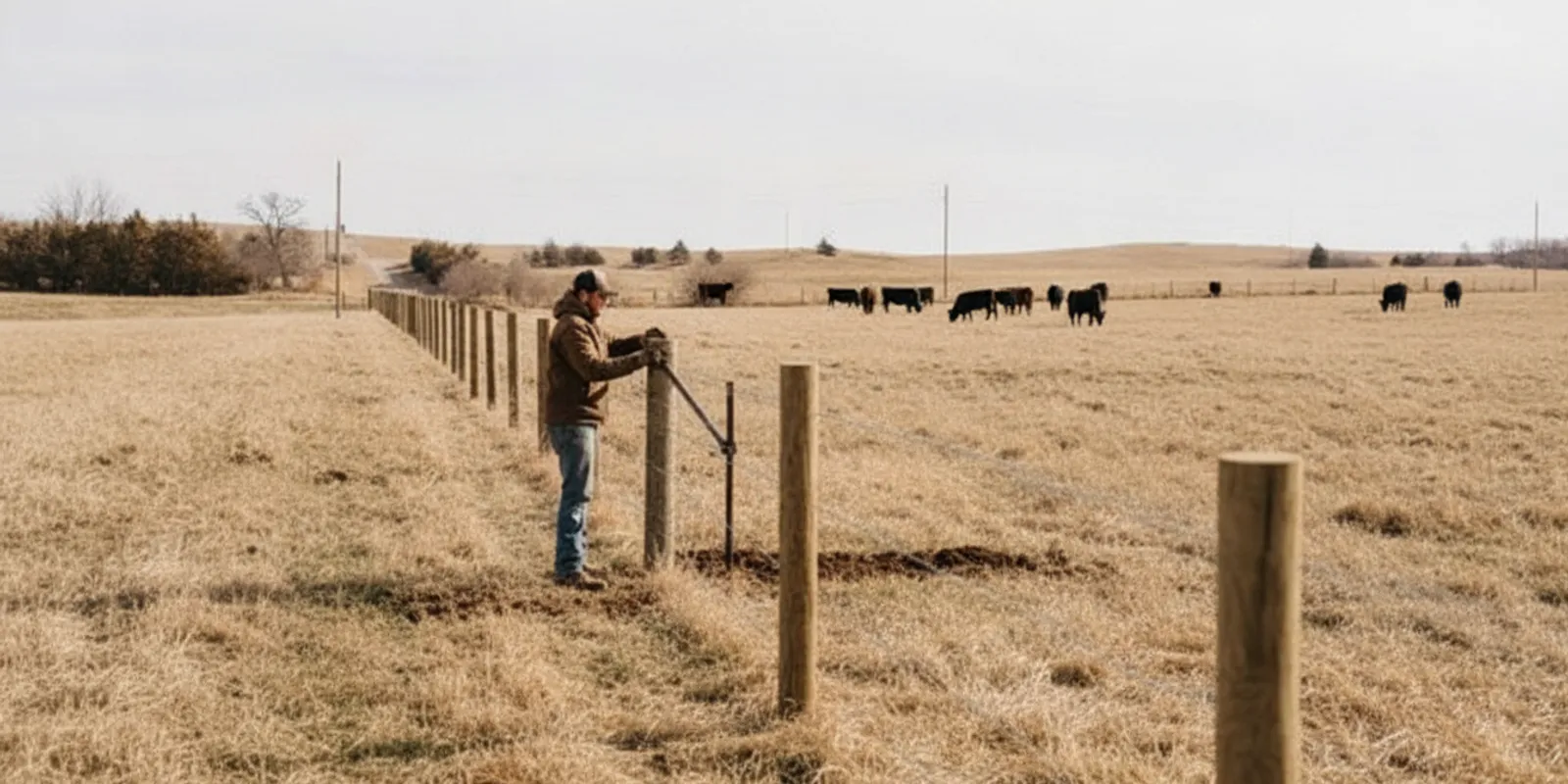
A fence is only as strong as its bracing and tension. This is the structural backbone that keeps your fence line straight and taut, preventing it from sagging or failing under pressure from livestock or the elements. For hi-tensile fences, proper tension is everything. While the materials themselves might cost between $1 to $2.50 per linear foot, the real challenge lies in installing the tensioning systems correctly. Without the right tools and knowledge, you can’t achieve the wire tension needed for a durable, effective barrier. A professionally installed fence, with its deep-set corner posts and expertly tensioned wires, is an investment that pays off in longevity and reliability.
Common DIY Fencing Mistakes to Avoid
Before you start digging post holes, it’s helpful to know about common fence installation mistakes so you can avoid them. One of the biggest errors is not setting posts deep enough. In Central Nebraska, our freeze-thaw cycles can easily push shallow posts out of the ground, causing the entire fence to lose stability. Other frequent missteps include misjudging property lines, using incorrect spacing between posts for your chosen fence type, and failing to properly brace corners and gates. Each of these issues can compromise the fence’s integrity, leading to frustrating and costly repairs that a professional installation would have prevented from the start.
What to Look for in a Fencing Contractor
When you decide to hire a professional, look for a contractor who understands the specific demands of agricultural fencing in our area. A good contractor will have a portfolio of local work you can review, like our project gallery, to see the quality of their bracing, wire work, and overall construction. They should be able to discuss the pros and cons of different materials for your specific livestock and terrain. Clear communication is also key. Your contractor should provide a detailed quote and be able to explain their process, from initial site prep to final cleanup, ensuring you know exactly what to expect.
Red Flags When Hiring a Contractor
Protect your investment by watching out for a few red flags. Be cautious of any contractor who gives you a vague quote without a clear breakdown of material and labor costs. High-pressure sales tactics or demands for a large upfront payment are also warning signs. A reputable professional will have proof of insurance and be happy to provide references from other local farmers. Poor communication from the start often leads to bigger problems later. If a contractor is difficult to get ahold of or dismisses your questions, it’s best to find someone else who values your business and offers transparent, professional fencing services.
Your Fencing Partner in Central Nebraska
Choosing a fencing contractor is a big decision, and when your livelihood depends on it, you need a partner you can trust. Your fence is an investment in your farm’s security and efficiency, so it needs to be done right the first time. We believe a great fence starts with a deep understanding of the land it’s built on and the job it needs to do. As a local Nebraska company, we combine quality materials and expert installation with a practical knowledge of what works for farmers and ranchers right here in our community. We’re not just building fences; we’re building reliable solutions that support your operation for years to come.
Our Fencing and Land Services
Your farm needs a fence that can stand up to the demands of Nebraska weather and the pressure of your livestock. We specialize in installing the most reliable agricultural fencing systems, focusing on durability and performance. Our fencing and land services are designed for the long haul, whether you need classic barbwire for perimeter security, a hi-tensile system for large pastures, or a sturdy continuous fence for containing cattle. We build every fence with proper bracing and tension from the start, ensuring it’s built to last and saves you the headache of constant repairs down the road.
More Than Fences: Corrals, Tear-Outs, and Dirt Work
A well-run farm needs more than just strong boundary lines. That’s why we also offer services to support your entire operation. We design and build custom corrals that are tough, reliable, and tailored to your specific livestock handling needs. Before a new installation, we can manage fence tear-outs and complete fence line cleaning to create a clear, workable space for a solid build. We also provide dirt work to help improve your pastures, ensuring your land is as productive as your fencing is secure. You can see examples of our finished corrals and fence work in our project gallery.
The Advantage of Local Expertise in Greeley, Buffalo, and Hall Counties
Anyone can put posts in the ground, but it takes local knowledge to build a fence that truly lasts in Central Nebraska. We’re based right here, and we understand the unique challenges of the soil and terrain across Greeley, Buffalo, and Hall Counties. This expertise allows us to recommend the right materials and installation techniques for your specific property, ensuring your fence withstands our harsh weather and effectively contains your livestock. When you work with us, you’re getting a partner who knows the area and is committed to building a fence that works for you. Contact us today to discuss your project.
Related Articles
Frequently Asked Questions
What’s the best fence if I have different kinds of livestock? Woven wire is often the most versatile choice for containing multiple types of animals, from cattle to smaller livestock like sheep or goats. Its mesh design provides a secure barrier that’s difficult for animals to push through. However, the best solution might involve using different fence types for different parts of your property. For example, you could use a sturdy continuous fence for a high-traffic corral and a more economical barbed wire fence for a large outer pasture.
Is it really worth paying more for a hi-tensile fence? While hi-tensile fencing can have a higher upfront cost, it often has the lowest lifetime cost of any wire fence. Because it’s so strong and durable, it requires fewer posts and can last for decades with very little maintenance. Think of it as an investment. You pay more initially for a professionally installed system that will save you time, money, and the frustration of repairs for many years to come.
My property has a lot of hills and uneven ground. How does that affect the fence installation? Challenging terrain is common in Central Nebraska, and it’s something a professional installer is prepared for. Building a fence on hills or across low spots requires careful planning to ensure the posts are secure and the wire maintains consistent tension. It involves strategic placement of brace assemblies and posts to create a strong, straight fence line that follows the contour of your land without sagging or losing strength.
I have an old fence that needs to be replaced. Do you handle the removal of the old one? Yes, we do. We offer fence tear-out and fence line cleaning services to prepare your property for a new installation. Removing the old, damaged fence and clearing away any overgrown brush or trees is a critical first step. It ensures we have a clean, clear line to work with, which is essential for building a new fence that is straight, strong, and secure from the start.
How long will my new fence last? The lifespan of your fence depends heavily on the materials you choose and the quality of the installation. A professionally built fence using high-quality materials is designed for the long haul. For example, a properly installed hi-tensile or continuous fence can easily last for 20 to 40 years, or even longer. Regular, simple maintenance, like walking the fence line a couple of times a year to check for damage, will help ensure you get the maximum life out of your investment.
Comments