
Agricultural Fence Installation Nebraska: The Complete Guide

Updated: Sep 14
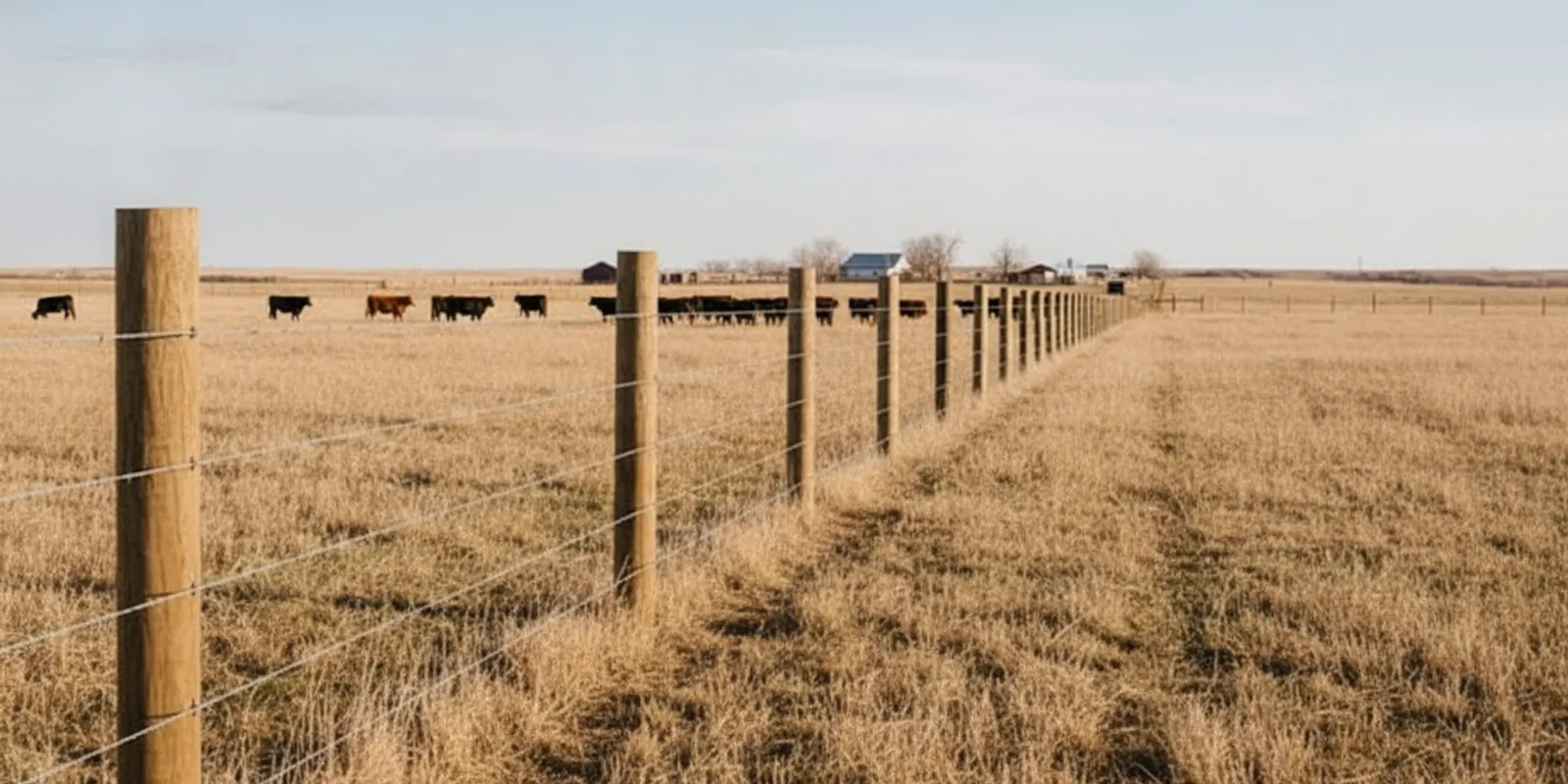
A livestock fence has to do more than mark a property line. It must hold animals reliably, handle Nebraska weather and field conditions, and fit the way you move livestock through pastures, lots, and working areas.
For Central Nebraska farmers, agricultural fence installation nebraska means planning the fence system around livestock, terrain, gates, materials, and long-term durability. A complete project may include barbwire, hi-tensile, or continuous fencing, along with proper bracing, custom-built corrals, fence tear-outs, fence line cleaning, and dirt work.
Rapid Fence LLC serves agricultural property owners in Greeley, Buffalo, and Hall Counties from Scotia, bringing local knowledge to projects that need dependable containment and efficient execution. The right approach starts with understanding what the property and operation require, then building each part of the system to work together.
What Does Agricultural Fence Installation in Nebraska Involve?
Agricultural fence installation is more than stretching wire between a series of posts. For a working farm or ranch, the job begins with understanding how the property is used. What livestock must be contained, and which parts of the existing fence line can be saved. The finished system needs sound corners, dependable bracing, appropriate tension, practical gates, and enough clearance for equipment and daily access.
Rapid Fence LLC is a Nebraska-based agricultural fencing contractor serving Central Nebraska, particularly Greeley, Buffalo, and Hall Counties. From its base in Scotia, the company also works in communities within roughly a two-hour service radius, including Norfolk, Columbus, York, and Grand Island. That regional focus helps keep the installation aligned with local agricultural conditions and the demands of Nebraska livestock operations. Review Rapid Fence services to see how the scope can be tailored to your property.
New fence construction for livestock and agricultural properties
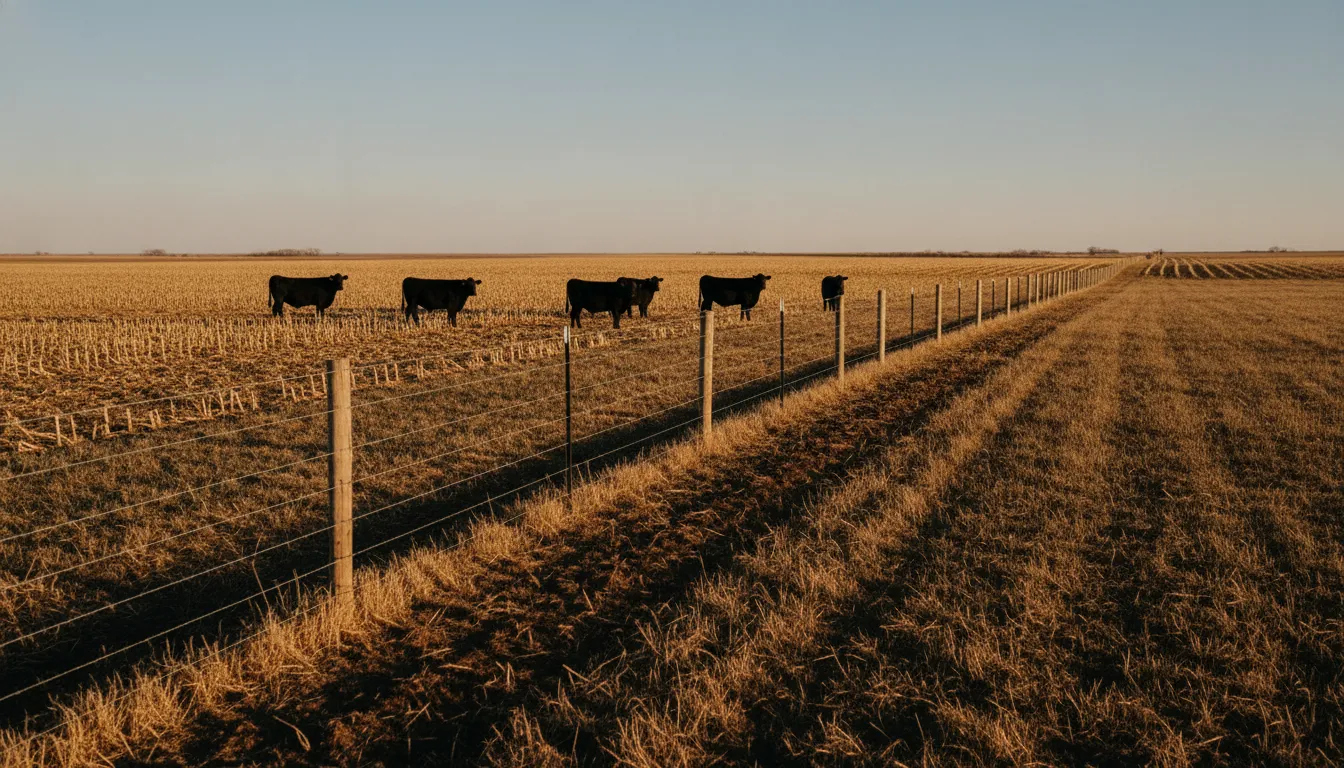
The right fence type depends on the animals, pasture layout, terrain, and level of pressure the fence will face. Barbwire remains a practical choice for many cattle and boundary applications. Hi-tensile fencing can provide an efficient, high-tension barrier when it is designed and braced correctly. Continuous fence systems are useful where a stronger, more rigid setup is needed, especially around handling areas and livestock traffic.
Installation includes more than selecting the wire. A contractor must plan post spacing, corner assemblies, brace locations, gates, crossings, and transitions between fence types. Proper tension and structural support help the fence stay functional as animals push against it, equipment operates nearby, and Nebraska weather changes through the year.
Preparing and rebuilding the fence line
Many agricultural projects begin with an existing fence that is damaged, overgrown, poorly aligned, or no longer suited to the property. Fence tear-outs remove failed wire, old posts, and other obstacles so the new installation can start on a workable foundation. Fence line cleaning clears brush, fallen limbs, and unwanted growth that can interfere with construction, maintenance, visibility, or fence performance.
Some sites also require dirt work before posts, gates, or corrals can be installed properly. Grading or shaping portions of the property can improve access and create a more usable approach to a gate or livestock handling area. The goal is not simply a clean-looking line. It is a fence system that can be built, inspected, and maintained without fighting the site at every step.
Custom corrals and structural repair
A complete fencing project may include custom-built corrals designed around the producer's handling routine, livestock flow, and available working space. Existing fences may also need structural repair rather than full replacement. Rebuilding a corner, replacing failed posts, correcting tension, or repairing gates can restore containment where the rest of the line remains serviceable.
In practice, professional agricultural fence installation can combine new barbwire, hi-tensile, or continuous fence with tear-outs, line cleaning, dirt work, corral construction, and structural repairs. A site assessment identifies which combination makes sense before materials and labor are committed.
Barbwire vs. Hi-Tensile Fence for Cattle: Which Is Right for Your Nebraska Farm?
Both barbwire and hi-tensile fencing can contain cattle effectively, but they perform differently once Nebraska weather, pasture layout, and maintenance demands enter the decision. The right choice depends less on choosing the newest material and more on matching the fence to your herd. Terrain, corner locations, and ability to keep the system properly maintained.
Barbwire is familiar, widely available, and practical for many perimeter fences and pasture divisions. Hi-tensile uses fewer, stronger wires under greater tension, which can provide a clean, effective barrier across long runs when the fence is engineered and installed correctly. Neither system is automatically better for every farm.
Consideration | Barbwire | Hi-tensile |
Upfront cost | Often a practical starting point, with familiar materials and installation methods. | Can be efficient over long runs, but the complete system must include suitable posts, braces, insulators, and tensioning hardware. |
Lifespan | Can provide years of service when posts, wire, and corner assemblies remain sound. | Can be long-lasting when proper bracing and high-tension techniques are used during installation. |
Tension and structure | Generally less dependent on high wire tension, although solid corners and end assemblies still matter. | Highly dependent on correct tension, strong braces, and careful layout. Poor installation can shorten service life. |
Wind and snow load | Individual wires and posts still need inspection after severe weather, especially at corners and low areas. | Long runs can perform well, but movement, fallen branches, drifting snow, and weakened braces must be addressed before tension is restored. |
Maintenance | Repair commonly involves replacing broken wire, damaged posts, or failed staples and connections. | Requires regular checks for slack, damaged components, vegetation contact, and brace movement so the electrical and physical barrier remains effective. |
Cattle containment | A proven option for perimeter fencing and many pasture applications when the spacing and height fit the herd. | Effective for well-planned pasture divisions and perimeters when cattle pressure is matched with adequate wire placement and tension. |
When barbwire is the practical choice
Barbwire may make sense when you are repairing an existing fence line, matching nearby fences, or building a straightforward perimeter with established corner points. It is also familiar to local livestock owners, which can simplify future repairs and material sourcing. A farm with rough terrain, frequent access points. Or a mix of old and new sections may benefit from a system that is easy to inspect and repair one segment at a time.
When hi-tensile deserves consideration
Hi-tensile can be a strong fit for longer, open runs and planned rotational grazing layouts. Its performance depends on the whole fence system, not just the wire. Proper bracing and tension are essential to hi-tensile fence longevity in rural environments, particularly where wind, snow, uneven ground, and livestock pressure challenge the line. A professional agricultural fence installation in Nebraska should account for those conditions before selecting wire and spacing.
For a project that includes a new perimeter, pasture divisions, or difficult repairs, compare the full installed system rather than the price of a roll of wire. Rapid Fence serves Central Nebraska, including Greeley, Buffalo, and Hall Counties, and can evaluate the existing line, corner strength, terrain, and cattle-containment needs before recommending barbwire or hi-tensile. For a related look at project cost factors, see agricultural fence installation.
How to Choose the Best Fence for Cattle Containment in Nebraska
The right cattle fence depends on more than the material on the wire rack. A good choice has to match the herd, the ground, the pasture layout, and the conditions the fence will face year after year. In Nebraska, local agricultural knowledge matters because durable livestock containment requires a system built for the property, not a one-size-fits-all fence line.
Start with the herd and its behavior
Consider the type, size, and temperament of the cattle before choosing a fence. Quiet mature cattle may be well suited to a properly installed barbwire or hi-tensile system. Younger, highly active, or difficult-to-contain animals may call for a more visible and rigid barrier in high-pressure areas, especially around handling facilities, gates, and corners. If the property includes multiple livestock types, separate their needs rather than choosing a single fence based only on the largest pasture.
Match the fence to the pasture layout
Map the full system before selecting materials. Long straight runs, interior divisions, lanes, water access, and frequently used gates all affect the design. Every corner, change in direction, and gate opening creates a point where the fence must hold tension and withstand repeated pressure. A practical layout can reduce unnecessary turns while keeping cattle movement, equipment access, and future pasture changes in mind.
Evaluate soil, slopes, and drainage
Soil conditions influence post stability and installation methods. Rocky ground, soft or wet areas, steep slopes, and uneven terrain may require different post placement, spacing, or preparation than a level, well-drained field. Walk the proposed line after considering drainage and seasonal access. A fence that looks practical in dry weather may be harder to build or maintain when the ground is saturated or frozen.
Balance the budget with long-term performance
Compare the complete installed system, not just the price of wire. Materials, posts, braces, gates, clearing, tear-out work, and labor can all affect the project. Cutting corners on bracing or tension can shorten the useful life of an otherwise sound fence. Proper bracing and high-tension techniques are especially important for the longevity of hi-tensile agricultural fences in rural environments. For background on project pricing factors, see this guide to agricultural fence installation.
Plan for Nebraska wind, snow, and ice
Wind, snow, and ice place seasonal stress on fence lines, posts, corners, and gates. Use the site's exposure and drifting patterns when planning the route, then make sure the structure has enough strength to keep cattle contained when weather adds pressure. Rapid Fence focuses on durable agricultural fencing for Central Nebraska conditions, including Greeley, Buffalo, and Hall Counties. A site-specific review can help determine whether barbwire, hi-tensile, continuous fence, or a combination provides the most dependable result.
What Does Agricultural Fence Installation Cost in Nebraska?
There is no single per-foot price that accurately describes every agricultural fence installation in Nebraska. A short, level run through open ground can require a very different scope than a long livestock fence crossing uneven terrain. Clearing an old line, or tying into several gates and corners. The practical way to budget is to identify the work, materials, and site conditions that shape the project-based quote.
Nebraska farmers can use the University of Nebraska-Lincoln's 2025 custom service rates report as a useful agricultural cost reference. The report includes average charges for livestock fencing and related agricultural operations. It provides context for planning, but an average rate is not a substitute for inspecting your property and defining the actual scope of work.
Line footage and site conditions
Total line footage is an important starting point, but it is not the only measurement that matters. The quote may change based on whether the fence follows a straight, accessible route or crosses slopes, rough ground, wet areas, waterways, or dense vegetation. Soil conditions can also affect how posts are set and how much preparation the line requires. Nebraska weather and agricultural conditions make a durable layout, proper tension, and dependable containment more important than choosing a material from a price list alone.
Materials, posts, and structural support
Material selection is another major cost factor. Barbwire and hi-tensile fencing have different installation requirements, hardware, and tensioning needs. Post type and spacing can vary with the fence design, soil, livestock, and expected loads. Corner assemblies and end braces require particular attention because they carry the tension of the fence. A hi-tensile system without proper bracing and tension can underperform, while a well-built system is designed around the conditions it must handle.
Gates also need to be planned as part of the fence rather than added after the line is priced. Gate size, placement, access for equipment, and connections to corners can all affect labor and materials. Custom-built corrals or continuous fence sections may involve additional structural components when the project requires more controlled livestock handling.
Existing fence, tear-outs, and preparation
A new installation may include fence tear-outs, fence line cleaning, dirt work, or disposal of old materials. Removing an existing fence and preparing the route can add meaningful labor, especially where posts, brush, or debris limit access. These items should be discussed during the site visit so the estimate reflects the complete job instead of only the visible wire and posts.
Rapid Fence provides free on-site estimates and project-based quotes for agricultural fencing in Central Nebraska, including Greeley, Buffalo, and Hall Counties. To discuss your line, materials, gates, and site preparation, request a quote from Rapid Fence and plan the work around your property's actual needs.
Continuous Fencing and Custom-Built Corrals: Beyond the Basic Fence Line
A livestock fencing project does not always end with a straight run between two corners. Continuous fence systems and custom-built corrals give Nebraska producers more control where cattle are gathered, sorted, loaded, or handled. They can be especially useful near a working barn, receiving area, alley, or pasture entrance where livestock pressure is higher than it is along an ordinary boundary fence.
Continuous fencing uses a rigid, connected system designed to withstand repeated contact from cattle. Compared with traditional barbwire, it can provide a more substantial physical barrier in high-traffic areas and may help create cleaner, more predictable movement through a handling setup. It is not automatically the right choice for every pasture. Traditional barbwire can remain a practical and efficient option for long perimeter runs. While continuous fencing is often better reserved for locations where strength, visibility, and controlled movement justify the additional material and installation work.
Designing corrals around the way you work
A custom corral should fit the herd, the site, and the daily job. The layout may include holding pens, sorting areas, working alleys, gates, and loading access. Thoughtful placement can reduce sharp turns and bottlenecks, making it easier to move livestock without forcing people or animals into unsafe positions. Soil, grade, drainage, equipment access, and the location of existing buildings all affect the final plan.
Durability depends on more than the visible fence material. Corner bracing and properly managed tension keep forces from pulling the system out of alignment. In a corral, where cattle may lean, push, or bunch against the fence, weak corners can quickly become a larger structural problem. Proper bracing distributes that pressure, while sound post placement and secure connections help the system stay serviceable through changing Nebraska conditions.
Preparing the site before installation
Older fence and overgrown fence lines can make a new project harder than it needs to be. A professional installation may begin with a fence tear-out to remove failed posts, wire, and other remnants. Fence line cleaning can clear brush and debris so the new alignment is accessible and easier to maintain. Where the grade or surface needs correction, dirt work may be necessary before posts, gates, or corral panels are installed.
These supporting services are part of a complete agricultural fence installation plan, not afterthoughts. Addressing them early helps avoid building a durable system on an unstable or inaccessible line. To see examples of completed fence and corral work, visit the Rapid Fence project gallery. A site-specific review can determine whether continuous fencing, barbwire, or a combination of systems best fits the operation.
What the Professional Agricultural Fence Installation Process Looks Like
A dependable agricultural fence starts before the first post is set. The installation plan should account for livestock movement, property access, existing fence conditions, terrain, and the gates that will be used every day. In Nebraska, careful layout and strong construction matter because a fence must hold tension and contain animals through changing weather and working conditions.
- Survey the site and plan the fence line.
The contractor walks the property with the owner to confirm boundaries, pasture divisions, water access, crossings, and traffic patterns. Gate locations are planned at practical entry points, with enough room for equipment, trailers, and livestock handling. The line plan also identifies corners, direction changes, low areas, and places where the fence may need additional support.
- Remove the old fence and prepare the line.
A professional tear-out removes old wire, posts, brush, and other obstructions instead of building around failing material. Fence line cleaning may include clearing volunteer trees, heavy growth, and debris that could damage a new fence or make future maintenance difficult. Where the site requires it, dirt work helps create a workable and safer installation path.
- Set the post line and build the corner braces.
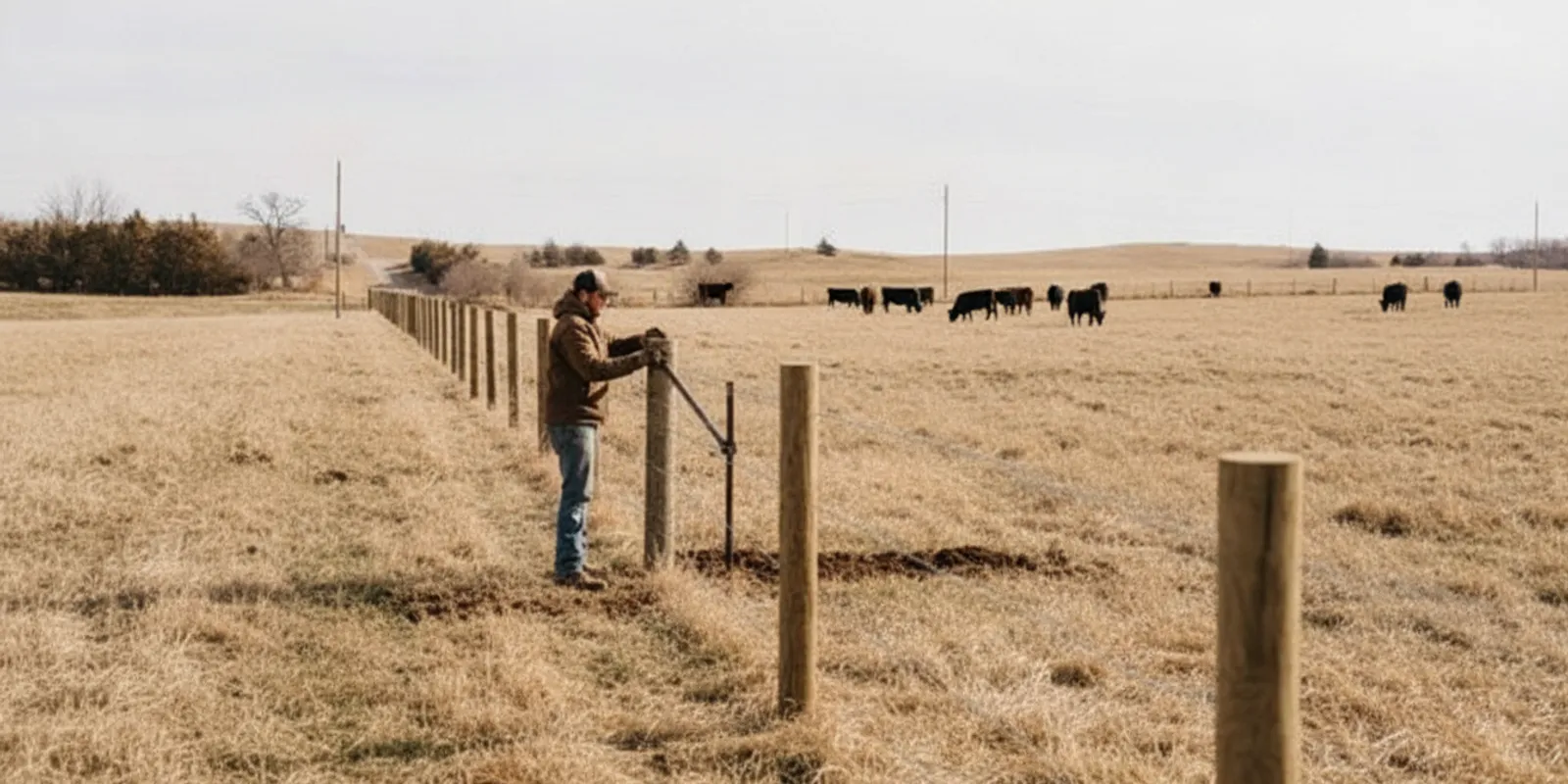
Posts are placed according to the planned line, with special attention to corners, ends, gates, and changes in direction. These points carry concentrated force once the wire is tensioned. Proper corner bracing gives the fence a stable anchor, helping it hold its shape instead of leaning or pulling out of alignment. That foundation is especially important for hi-tensile systems, where proper bracing and high-tension techniques are essential to long-term performance in rural environments.
- Install and tension the fence material.
The crew installs the selected barbwire, hi-tensile, or continuous fence system according to the design. Wire must be attached consistently and tensioned evenly from a properly braced structure. Too little tension can leave sagging sections and weak containment. Too much tension or poor anchoring can overload posts and corners. The goal is a firm, functional fence that works with the terrain and the livestock it is intended to contain.
- Install and adjust the gates.
Gates are hung after the surrounding fence structure is established so their placement, swing, and latch alignment can be checked in context. A useful gate should open fully, clear the ground, and operate without placing unnecessary strain on the adjoining posts. Access for trucks, tractors, trailers, and livestock handling should match the original site plan.
- Complete the final inspection.
Before the project is turned over, the contractor walks the line to check post stability, brace connections, wire tension, corners, gates, transitions, and potential livestock escape points. The inspection also confirms that removed materials and major debris are cleared from the work area. This final pass catches small problems while they are still easy to correct and gives the owner a clear understanding of maintenance needs.
The quality of the finished fence depends on the structure behind the wire, not just the visible materials. A thorough process, including sound corner bracing and even tension, helps create durable livestock containment suited to Nebraska conditions. Rapid Fence provides agricultural fence installation and related livestock fencing services across Central Nebraska, including Greeley, Buffalo, and Hall Counties. Review the fencing services to see how a project can be planned around your property and operation.
DIY vs. Professional Agricultural Fence Installation: What Nebraska Farmers Should Know
DIY fence work can make sense for a small repair or a familiar stretch of line. A full livestock fence installation is different. The first build has to account for post spacing, corner assemblies, brace strength, wire tension, gates, terrain, and the way Nebraska soil and weather affect the finished system. Missing one of those details can turn an apparently lower-cost project into a containment problem.
The hidden cost of a failed fence
The most expensive fence is often the one that has to be installed twice. Posts that are not set consistently may lean or pull out when the line is tensioned. Weak corners and end braces can transfer stress down the entire run. If the wire is under-tensioned, livestock can push through or create sagging sections. If it is tensioned incorrectly, the repair may require loosening and rebuilding multiple sections instead of replacing one strand.
Rework also means paying again for materials, equipment, hauling, and labor. You may need to redo post lines, rebuild bracing, clean the fence line a second time, or temporarily move cattle while the containment system is repaired. Those costs are especially disruptive when the project overlaps planting, haying, or harvest.
Why bracing and local knowledge matter
Proper bracing and high-tension techniques are essential to the longevity of hi-tensile agricultural fences in rural environments. The brace is not a cosmetic detail. It gives the line a stable anchor so tension can be carried through the fence without distorting corners or end assemblies. A professional installer can plan those load points before the first post is set.
Nebraska conditions also vary across a project. Soil structure, wind exposure, snow, drainage, slope, and the intended livestock pressure all affect installation decisions. Local agricultural knowledge helps determine where a fence needs stronger bracing, how to approach a low or difficult area. And how to build for reliable containment rather than simply getting wire from one point to another.
Compare time, not just the invoice
DIY installation requires more than digging and stretching wire. It includes layout, material pickup, equipment coordination, tear-out, fence line cleaning, construction, and inspection. For a busy farm, the opportunity cost can be significant during a narrow seasonal window. A qualified contractor handles the technical sequence while keeping the project aligned with your operational schedule.
Rapid Fence LLC serves farmers and ranchers from Scotia across Central Nebraska, including Greeley, Buffalo, and Hall Counties. Cody Koehn and the Rapid Fence team can evaluate the site, recommend a durable approach, and provide a project-based estimate. Request a free estimate for your agricultural fencing project before a temporary fix becomes a larger repair.
How to Hire an Agricultural Fence Contractor in Nebraska
The right fencing contractor should do more than stretch wire between a row of posts. Before hiring a crew, ask how they plan the entire project, from the first gate to the final brace. A good contractor will want to understand your livestock, pasture layout, access points, terrain, and the conditions the fence must handle through Nebraska wind, snow, and changing soil.
Questions to ask before accepting a quote
- Will you design the gate plan?
Gates affect livestock flow, equipment access, and daily chores. The contractor should discuss gate locations, widths, approaches, and turning space before materials are ordered.
- How will you build corners and end assemblies?
Corner braces and properly set posts carry the load of the fence. Ask what bracing system the crew uses and how it will fit the soil and fence type on your property.
- How do you achieve and maintain proper tension?
Loose wire can reduce containment and create recurring maintenance problems. The installer should explain the tensioning method and how they will inspect the completed run.
- Do you handle preparation work?
If the job requires a fence tear-out, fence line cleaning, or dirt work, confirm those services are included or clearly assigned before work begins.
- Which posts, wire, and hardware do you use?
Ask for the proposed material specifications, not just a general promise of quality. Posts, braces, fasteners, and wire should match the livestock, span, terrain, and expected load.
Look for local experience and clear pricing
Local knowledge matters because a fence that works in one part of Nebraska may need a different approach elsewhere. Ask whether the contractor has installed fences in conditions similar to yours and can explain how soil, wind exposure, snow accumulation, and drainage affect the layout. Request references or recent project examples, especially for farms or ranches with comparable livestock and acreage.
Get a free on-site estimate rather than relying on a rough price over the phone. A project-based quote should identify the fence type, footage, gates, posts, bracing, preparation, dirt work, and cleanup. It should also state what is excluded, the expected schedule, payment terms, and any workmanship warranty. Clear details make it easier to compare proposals accurately and avoid surprises once installation starts.
Rapid Fence, based in Scotia and serving Central Nebraska, is one example of a contractor that combines agricultural fencing, custom-built corrals, tear-outs, line cleaning, and structural installation. Farmers in Greeley, Buffalo, and Hall Counties can request a quote and discuss the property before choosing a fence plan.
Frequently Asked Questions
How much does agricultural fence installation cost in Nebraska?
Project cost depends on fence type, line length, posts, terrain, gates, corner bracing, tear-out, and site preparation. Nebraska Extension's 2025 custom service rates report includes livestock fencing and related agricultural operations: read the report here. A contractor should review the site and provide a project-based estimate rather than relying on a generic per-foot figure.
What is the best type of fence for livestock in Nebraska?
The right choice depends on the livestock, pasture layout, soil, weather exposure, gates, and budget. Barbwire works for many perimeter applications, while hi-tensile and continuous fence can fit other containment or handling needs. Proper bracing, post placement, and tension matter as much as the wire or rail selected.
Do I need a permit for agricultural fencing in Nebraska?
Permit requirements can vary by county, municipality, drainage district, floodplain, road authority, and the location of the proposed fence. Before construction, confirm requirements with the applicable local office and check property lines, road setbacks, utility locations, and any easement restrictions.
How long does professional fence installation take on a farm?
There is no reliable single timeline for every farm. Length, terrain, access, weather, vegetation, tear-out, post conditions, gates, and custom corrals all affect the schedule. During the estimate, review the scope and seasonal timing with the contractor so the work plan matches livestock and field operations.
What are the common benefits of hi-tensile fencing?
Hi-tensile fencing can provide an efficient option for long agricultural fence lines when it is designed and installed correctly. Its performance depends on sound corner construction, proper bracing, consistent tension, suitable posts, and regular inspection. Poor tension or weak braces can reduce containment and shorten the fence's useful life.
Ready to Plan Your Nebraska Farm Fence?
A well-planned agricultural fence installation can help you build reliable livestock containment around your property and daily operation. Rapid Fence can review your needs and help you plan the next step based on your site. To request a free on-site estimate, call Rapid Fence at 308-223-1320. Share your location, fence goals, and any existing lines or gates that need attention, and the team can discuss the project with you.
Comments