
Agricultural Fence Repair Nebraska: Complete Guide

Updated: Sep 14
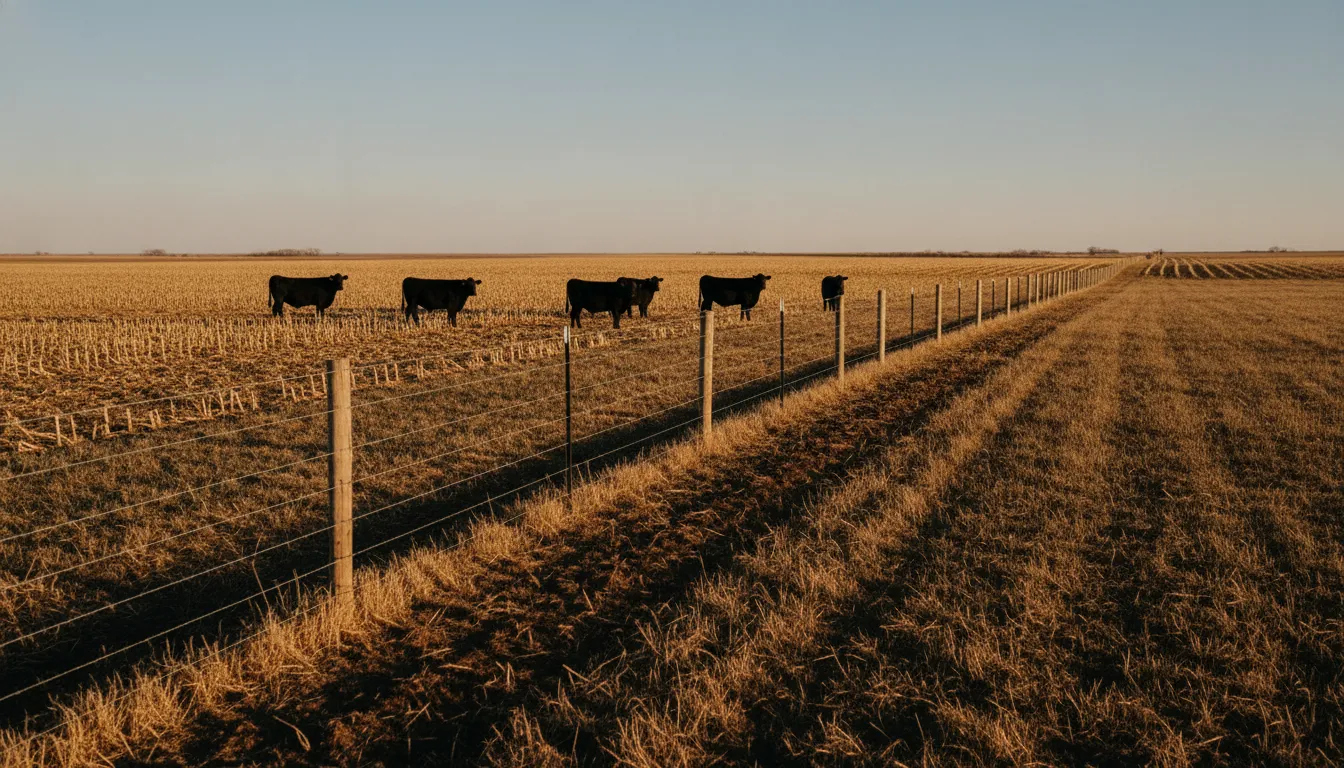
A fence can look mostly intact and still fail when livestock pressure, loose wire, a damaged brace, or a washed-out post weakens the line. In Central Nebraska, effective repair starts with finding the underlying failure, not simply replacing the most visible piece.
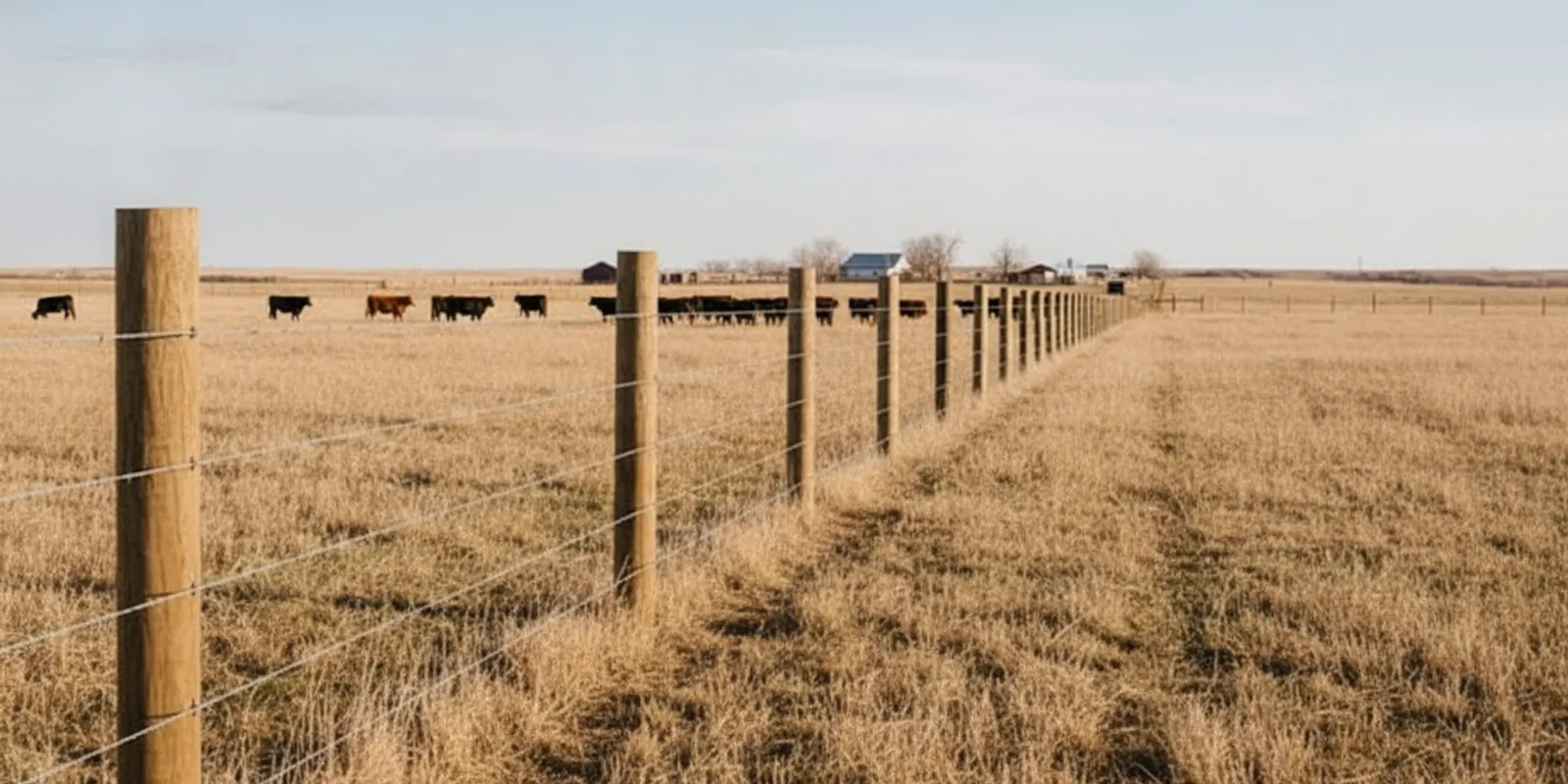
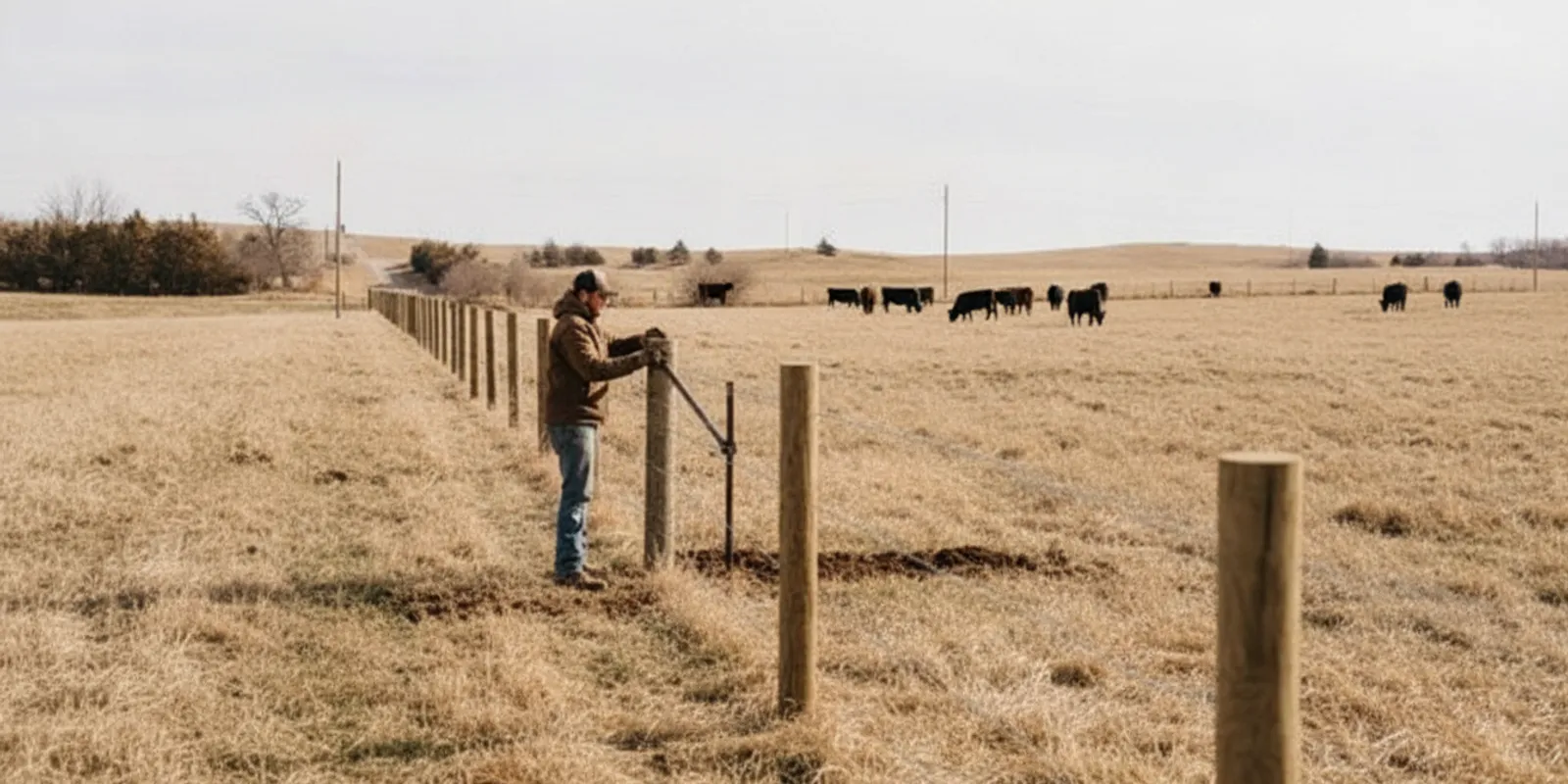
Agricultural fence repair nebraska includes more than patching wire. A complete service may involve inspecting containment, rebuilding braces, replacing posts or sections, and correcting tension. It may also include clearing the fence line, completing dirt work, repairing gates, or tearing out an unsafe fence before professional installation. The right scope depends on the fence type, soil, weather exposure, livestock use, and condition of the existing materials.
Rapid Fence serves Central Nebraska farmers and livestock owners from Scotia, with durable workmanship and scheduling that respects the agricultural season. Knowing what a contractor should evaluate is the first step toward reliable containment.
What Agricultural Fence Repair Nebraska Covers
A dependable agricultural fence repair project starts with more than replacing a broken strand of wire. For Nebraska livestock owners, the work should address why the fence failed, whether the remaining structure can be trusted, and what the property needs for safe, dependable containment. Rapid Fence serves farmers and ranchers across Central Nebraska with a full-cycle approach, from the first assessment through the finished repair or rebuild.
Assessment and structural repair
The assessment looks at posts, braces, wire, corners, gates, terrain, and the condition of the fence line. A localized repair may be appropriate when the damage is limited, but failed braces, leaning posts, loose wire, or repeated breaks can point to a larger structural problem. Proper bracing and tensioning matter because the fence must hold against livestock pressure and changing field conditions. The National Resources Conservation Service publishes a Fence (382) Conservation Practice Standard as a technical reference for livestock fencing and land management: NRCS Fence (382) standard.
Preparing the line before rebuilding
Fence repair can include fence tear-outs, fence line cleaning, and dirt work when the existing line is obstructed or the site is not ready for new construction. Removing failed materials and clearing brush, fallen limbs, and other obstacles gives the crew a workable line. It also helps reveal drainage or grade issues that could affect the finished fence. Dirt work may be needed to improve access or prepare the route before posts, braces, wire, or gates are installed.
Installation and livestock containment
When repair has become partial replacement or a complete rebuild, installation should match the livestock, layout, and Nebraska site conditions. Rapid Fence works with approved agricultural systems such as barbwire, hi-tensile, continuous fence, and custom-built corrals. Variable soils call for an installation approach suited to the property, with driven posts preferred for stability in the company's operating guidance. The finished system should have sound corners, effective bracing, properly tensioned wire, and gates that support daily livestock movement.
Nebraska livestock owners are expected to use reasonable care to prevent animals from escaping, and fencing is often the most practical way to prevent trespass and related liability. The University of Nebraska-Lincoln's fence and livestock guidance explains that maintenance is part of responsible containment. For a project that needs diagnosis, cleanup, structural repair, or professional installation, review Rapid Fence's professional agricultural fence repair services to see how the full scope can be handled in one coordinated job.
Signs Your Farm Fence Needs Immediate Attention
A fence can look serviceable from the road while failing at the points that carry the most load. Walk the line regularly, especially before turning livestock into a pasture, after severe weather, and after animals have pushed against a gate or corner. Nebraska livestock owners are expected to use reasonable care to prevent livestock from escaping, and maintenance helps reduce the risk of trespass and related liability. University of Nebraska-Lincoln guidance explains that responsibility in practical terms.
Look for movement in the structure
Leaning posts, lifted posts, and loose soil around the base indicate that the fence is losing support. Pay close attention to end posts, corners, and changes in direction. A failed corner brace or loose H-brace can allow tension to pull an entire run out of line. If the brace has shifted, a brace wire is slack, or the posts no longer hold square, treat the problem as structural rather than cosmetic. Tightening the fence wire without correcting the brace can move the failure farther down the line.
Check wire, stays, and escape points
Loose or sagging wire is an obvious warning, but broken stays, missing staples, stretched hi-tensile wire, and wire pulled away from posts deserve the same attention. Inspect the bottom of the fence for gaps where calves, sheep, or other livestock could push through. A section that has been bent outward, rubbed smooth, or repeatedly repaired may be showing a visible escape point even if the wire remains attached.
Brush and volunteer trees can press against wire, trap stays, and make inspection difficult. Fence line cleaning may be needed before a reliable repair can be made. Do not overlook washouts. Water can remove soil beneath posts, expose wire, and create a low opening under an otherwise straight fence. Check drainage paths and low areas after heavy rain or runoff.
Do not postpone gate and corner repairs
A gate that sags, will not latch, drags on the ground, or has damaged hinges can become the first place livestock test. Inspect the latch, hinges, posts, and approach surface together. For detailed hardware checks, see this guide to farm gate hardware maintenance and repair. If animals are already reaching a roadway, neighboring pasture, or weak section, move them to a secure enclosure and arrange an assessment promptly.
Rapid Fence can evaluate the failure, then address the underlying issue through structural repair, replacement, dirt work, or a larger tear-out and rebuild when needed. The goal is dependable containment, not simply making one damaged spot look tight for a few more weeks.
How Nebraska Weather and Soil Damage Agricultural Fences
A fence line in Central Nebraska has to handle more than everyday livestock pressure. Freeze-thaw cycles can loosen the soil around posts, while heavy moisture can soften the ground and leave posts leaning or shifting. Dry periods may firm the surface without restoring the support a post needs below grade. Because soil conditions vary from one property to the next, a repair that works in one field may not hold in another.
Wind and severe storms add another layer of stress. Fallen limbs, moving debris, flooding, and washouts can damage wire, gates, corners, and brace assemblies. Even when the wire appears intact, a storm can pull a post out of alignment or weaken the section that keeps the entire run tight. Vegetation creates its own problems by hiding damage, rubbing against wire, and making inspection and access more difficult. Livestock then test every weak point, especially around gates, corners, crossings, and areas where the fence has lost tension.
Installation has to match the ground
Good agricultural fence repair starts with identifying why the failure happened instead of simply replacing the most visible part. On variable Nebraska soils, post selection and installation methods should be adapted to the site. Driven posts may be appropriate where they provide better stability, but the right choice depends on the soil, fence design, access, and intended livestock use. Dirt work and fence line cleaning may be necessary before a crew can reach sound ground and build a reliable line.
The NRCS Fence (382) Conservation Practice Standard provides a technical reference for fencing used in livestock management. A local contractor still needs to apply that guidance to the actual property, including its soils, drainage, terrain, and daily operation.
Bracing and tension protect the whole run
End assemblies and corners carry loads that travel through the entire fence. Solid H-bracing helps keep those forces anchored, while correctly tensioned wire helps the fence perform as a system rather than leaving individual spans loose. If a brace is undersized, a post is unstable, or tension is applied unevenly, the same section may fail again after the next storm or livestock impact.
That is why durable agricultural fence repair may include structural repair, post replacement, wire work, gate adjustment, and site preparation together. Treating the cause, not just the broken wire, gives Nebraska livestock owners a better chance of maintaining dependable containment through changing weather and demanding seasons.
Repair or Replace: How to Choose the Right Scope
Not every damaged agricultural fence needs a complete rebuild. A localized failure may need a focused repair, while a fence with failing posts, stretched wire. Or a poor layout can keep consuming time if it is patched one section at a time. The right scope depends on what caused the failure, how much of the system is compromised. And how the pasture or working area needs to function in the future.
Start with the posts and braces, not just the visible wire. If posts remain solid, aligned, and properly anchored, replacing damaged wire or hardware may restore the line. If posts lean, pull out under tension, or have repeated failures around corners and gates, the fence may need structural repair. Proper bracing and tensioning are central to a fence that can handle livestock pressure and changing Nebraska conditions. The NRCS Fence (382) Conservation Practice Standard is one technical reference for planning livestock fencing and conservation work.
Scope | Best fit | Planning considerations |
Localized repair | A few damaged wires, insulators, staples, or hardware with sound posts and braces | Confirm the failure is isolated. Check tension, livestock pressure, nearby vegetation, and gate movement so the same problem does not return. |
Structural repair | Leaning posts, failed corners, weak H-braces, loose sections, or distorted gates | Plan for post and brace work, line cleaning, dirt work where needed, and a full tension check after the structure is stable. |
Partial replacement | A defined run has deteriorated wire or posts, while the rest of the layout remains useful | Match the replacement to the existing fence and livestock use. Review access, tie-ins, corners, terrain, and whether adjacent sections are likely to fail next. |
Full tear-out and rebuild | Repeated failures, widespread damage, or an obsolete layout | Reconsider the entire route, gates, access points, pasture divisions, and future livestock needs before installation begins. Include tear-out, disposal, clearing, dirt work, bracing, and final tensioning in the plan. |
Look beyond the damaged spot
Repeated repairs are a signal to examine the system as a whole. Wire can be replaced, but weak posts, poor corners, blocked access, or an unsuitable layout will continue to create failures. Also consider whether the fence must contain a different class of livestock, support rotational grazing, or accommodate new gates and handling areas. A line that worked for one use may need a different design as the operation changes.
For agricultural fence repair in Nebraska, the assessment should account for post condition, wire condition, layout, access, and the next use of the ground. A full-cycle contractor can combine fence line cleaning, tear-out, dirt work, professional installation, and structural repair instead of treating each issue as a separate job.
The Agricultural Fence Repair Process from Assessment to Finish
A dependable repair starts with understanding the whole fence system, not simply replacing the most visible broken wire. The workflow below helps protect livestock, preserve usable materials, and address the conditions that caused the failure.
- Assess the fence and the property.
The contractor walks the line with you to identify leaning or failed posts, broken braces. Loose or damaged wire, gate problems, washouts, brush, and areas exposed to repeated livestock pressure. The assessment also considers access, terrain, soil conditions, intended livestock use, and whether a localized repair or broader rebuild makes more sense.
Make the area safe for livestock and people.
Before work begins, the damaged section is evaluated for escape points and hazards such as fallen wire or unstable posts. Livestock may need to be moved or temporarily contained while the work area is secured. This matters because Nebraska livestock owners are expected to use reasonable care to prevent livestock from escaping their control.
University of Nebraska-Lincoln guidance explains the livestock-containment responsibility
.
- Clean the fence line.
Vegetation, fallen limbs, old debris, and other obstructions are cleared so the crew can reach the line and establish a clean working path. Fence line cleaning is not cosmetic. It improves visibility, access, and the ability to place posts, braces, wire, and gates correctly.
Complete tear-out and dirt work.
Failed sections are removed, and unusable posts, wire, and hardware are separated from components that can remain. Where erosion, uneven ground, or access issues affect the repair, dirt work and site preparation are completed before rebuilding. This full-cycle approach is consistent with the NRCS Fence (382) Conservation Practice Standard, a technical resource for livestock fencing and land management:
.
- Rebuild the structural foundation.
New or reset posts are installed for the site, then corners, ends, and H-braces are constructed or repaired. Proper bracing gives the fence a stable foundation for tension and containment. In variable Nebraska soils, installation methods and post placement should be adapted to the ground rather than treated as a one-size-fits-all detail.
- Install and tension the wire.
The appropriate barbwire, hi-tensile, continuous fence, or other specified material is installed along the repaired alignment. Wire is tensioned carefully so the fence is secure without transferring unnecessary strain to weak posts or braces. Spacing and layout are checked against the livestock and property requirements.
Repair and fit the gates.
Gates are hung, aligned, and checked for dependable operation. Latches, hinges, openings, and approaches are inspected so livestock cannot push through a weak point and equipment can pass without damaging the repaired line. Rapid Fence provides
as part of this complete project scope.
- Walk the finished line.
The final walkthrough confirms that posts, braces, wire, gates, transitions, and cleanup are complete. The contractor reviews any maintenance considerations with you, including areas to monitor after heavy weather, grazing pressure, or seasonal vegetation growth.
What Determines Agricultural Fence Repair Cost in Nebraska
There is no reliable flat rate for farm fence repair. A short stretch with a few broken wires may require a different crew, material list. And equipment setup than a long boundary line with failed posts, damaged braces, or heavy brush. The right estimate starts with looking at the fence in place and defining the work needed to restore safe, dependable containment.
Length, materials, and structural condition
The total fence length affects labor, material quantities, hauling, and equipment time. Material choices matter as well. Barbwire, hi-tensile, continuous fence, and other systems each require different components and installation methods. A repair may involve replacing wire only, or it may require new posts, H-braces, corner assemblies, gates, and hardware. If posts have shifted or braces have failed, adding fresh wire without correcting the structure can lead to another failure.
Scope is often the largest cost variable. Localized structural repair, partial replacement, and a complete tear-out and rebuild are not interchangeable jobs. Fence condition, the number of repeated failures, future livestock use. And the layout all help determine whether repair is sensible or whether rebuilding a section will provide the better long-term result. The NRCS Fence (382) Conservation Practice Standard is one technical reference for planning livestock fencing, but a contractor still needs to evaluate the actual site and intended use.
Access, terrain, vegetation, and removal work
Open, level ground with clear access is simpler to work than a steep, wet, rocky, or obstructed fence line. Brush and volunteer trees can slow inspection, equipment movement, post installation, and wire work. Fence line cleaning may be needed before repairs can begin. If the old fence must be removed, the estimate also needs to account for tear-out, loading, hauling, and disposal rather than treating installation as the only labor.
Gates can add another layer of work. A sagging gate may need adjustment and new hardware, while a damaged entrance may require replacement posts, rebuilt bracing, or a new gate assembly. Storm damage can also change the schedule. USDA Emergency Conservation Program funds may sometimes help with fence repairs after severe weather, subject to the program's requirements and availability. They should not be treated as guaranteed project funding.
Why a site-specific quote matters
For these reasons, Rapid Fence does not publish a one-size-fits-all repair price. Cody Koehn and the Rapid Fence team can assess the fence line, identify the source of failure. Confirm the desired livestock use, and separate necessary structural work from optional improvements. That produces a clearer scope for the property, whether the project is in Greeley County or elsewhere in Central Nebraska.
To discuss the condition of your fence and request a free fencing estimate, share the approximate length, location, access conditions, and the problem you are seeing. Photos can help begin the conversation, but an on-site review is the dependable way to build a custom quote.
A Seasonal Fence Maintenance Schedule for Nebraska Farms
A dependable fence needs attention before a small defect becomes a livestock-containment problem. A practical maintenance rhythm follows the farm calendar: inspect before grazing, watch conditions during the growing season. Review the line after grazing, and keep an eye on vulnerable areas through winter. Nebraska livestock owners are expected to use reasonable care to prevent livestock from trespassing, making routine inspection part of responsible herd management. University of Nebraska guidance also connects sound fence maintenance with limiting liability for damage caused by escaped livestock.
Spring: Inspect before livestock goes to pasture
Walk every active fence line before turnout. Look for leaning or lifted posts, broken barbwire, loose hi-tensile wire, failed braces, washouts, and places where snow or winter pressure has opened a gap. Check corners, end assemblies, crossings, and any section that borders a road or neighboring property first. Test gates under normal operating conditions, including hinges, latches, stops, and the ground beneath the opening. Clear fallen limbs and early vegetation before it hides damage.
Spring is the right time to schedule structural repair, fence line cleaning, and dirt work. If a post or brace has moved, simply tightening the wire may transfer stress to the next weak point. Correct bracing and consistent tension help the fence contain livestock through the grazing season.
Summer: Control growth and check after storms
Vegetation can press against wire, conceal low spots, and make an otherwise sound fence difficult to inspect. Keep the fence line visible, especially around corners, gates, creek crossings, and areas with fast-growing brush. After high wind, hail, heavy rain, or other severe weather, inspect for broken wires, displaced posts, fallen trees, and erosion. Until a damaged section is repaired, use a safe temporary containment plan rather than assuming the remaining fence will hold.
Recheck gate hardware as traffic and livestock pressure expose loose hinges or misaligned latches. For more detail, review this guide to farm gate hardware maintenance and repair.
Fall: Document the line after grazing
After livestock leaves a pasture, walk the full perimeter while damage is easy to see. Note recurring pressure points, stretched wire, rubbed posts, damaged gates, and sections that required temporary fixes. Photograph problem areas and record the location, likely cause, and priority for repair. This record gives you a practical work list for the off-season and helps distinguish an isolated repair from a broader structural issue.
Winter: Observe, do not ignore
Winter inspections can be shorter but should focus on gates, corners, exposed braces, drifted snow, and storm damage. Avoid forcing frozen or buried hardware. Mark areas to revisit when conditions improve, and arrange repairs early enough to be completed before spring turnout. The NRCS Fence Conservation Practice Standard offers a technical reference for planning and managing livestock fencing.
Nebraska Livestock Fence Responsibility and Shared Boundaries
When a livestock fence sits on a property line, the repair question is not only about posts, wire, and gates. It can also involve livestock containment, shared maintenance, and the legal definition of a division fence. This is practical information for planning a conversation with a neighbor, not legal advice. For a dispute, unusual ownership arrangement, or planned construction, confirm the facts with a Nebraska attorney or the appropriate county authority.
Livestock containment remains the owner's responsibility
Nebraska law requires livestock owners to use reasonable care to prevent animals from escaping their control. The law does not specifically require every livestock owner to build a fence. But fencing is often the most practical way to prevent trespass and reduce the risk of damage claims. A damaged section, failed brace, open gate, or washout deserves prompt attention, especially before animals are moved into a pasture. The University of Nebraska-Lincoln discusses these responsibilities in its guidance on rebuilding fences after a disaster.
Know what may qualify as a division fence
Nebraska guidance generally describes shared boundary fence costs as a 50-50 responsibility for establishment and maintenance, unless the landowners previously agreed to a different split. That rule may apply even when only one neighbor owns cattle. If neither neighbor wants a fence, a division fence may not be required. If one neighbor wants a new compliant fence, however, that neighbor may be able to require the other to pay half the cost.
Those rules are not a blanket approval for every fence design. For a legal fence that supports a cost-sharing claim, the cited Nebraska guidance identifies minimum specifications that can include at least four wires. A height of at least 4.5 feet, and no more than one foot between wires measured from the top. Posts must be no more than one rod, or 16.5 feet, apart, with a post or stake between every two posts. Barbed wire may be used, but it is not automatically required unless the parties agree to a particular construction. Material selection, terrain, livestock, and local conditions still need to be evaluated.
Put notice and responsibilities in writing
If neighbors do not agree about building, maintaining, or repairing a shared fence. Formal written notice may be required before work proceeds if you intend to seek the neighbor's share. Keep copies of the notice, measurements, photographs, estimates, and any response. The commonly used right-hand convention can help organize ordinary maintenance: stand at the midpoint of the boundary. Face along the line, and each landowner looks to the right to identify the portion they generally maintain. It is a convention, not a substitute for an agreement, survey, or legal determination.
Before ordering agricultural fence repair in Nebraska on a disputed boundary, verify the property line and the applicable county process. An attorney or county authority can clarify notice, cost-sharing, fence specifications, and responsibility when the facts are contested. A fencing contractor can then assess the physical condition, explain repair options, and build to the agreed scope without treating a construction estimate as legal advice.
Call Rapid Fence at (308) 223-1320 before the FAQ to discuss your agricultural fence repair project.
Frequently Asked Questions
How do I know whether a damaged fence needs repair or replacement?
Start with the condition of the posts, braces, wire, gates, and fence layout. Localized wire or hardware damage may be practical to repair, while repeated failures, leaning posts, widespread deterioration. Or a layout that no longer fits your livestock operation may justify partial replacement or a complete tear-out and rebuild. An on-site assessment helps define the right scope.
What is the best time of year to schedule agricultural fence work?
Many Nebraska operations plan major work before spring grazing or after fall grazing, when the fence can be inspected and improved with less disruption to livestock movement. Storm damage and containment failures should be addressed as soon as possible, regardless of season.
Who pays for a shared boundary fence in Nebraska?
For a qualifying division fence, Nebraska guidance generally describes a 50-50 split for establishment and maintenance unless neighbors have agreed otherwise. Requirements can apply to fence height, wire count, and post spacing. For example, the guidance describes at least four wires, a minimum height of 4.5 feet, and posts no more than 16.5 feet apart. Read the University of Nebraska-Lincoln guidance before relying on these rules: division fence disputes in Nebraska.
What should I do after a storm damages a livestock fence?
Safely check whether livestock can escape, isolate the damaged area if possible, and inspect posts, braces, wire, gates, and washouts. Photograph the damage and document the affected line before cleanup. USDA Emergency Conservation Program funds may be available for some severe-weather fence repairs, so contact your local USDA service center promptly to ask about current eligibility: storm-damaged fence recovery guidance.
Ready to Plan Your Agricultural Fence Repair
A site-specific assessment helps identify the right mix of structural repair, fence line cleaning, tear-out, or rebuilding for your property and livestock needs. Rapid Fence can review the project scope and help you plan the next step without relying on generic assumptions.
Comments