
How to Choose the Best Cattle Fence for Your Herd

Every rancher knows the frustration of a failing fence. Whether it’s patching wires in the middle of a storm or chasing down a calf that found a weak spot, dealing with a subpar fence is a constant drain on your time and energy. These problems almost always stem from a fence that wasn't the right fit for the job in the first place. The key to avoiding these headaches is making a smart, informed decision from the very beginning. Finding the best cattle fence for your property means matching the right materials and construction to your herd and land. This guide will walk you through everything you need to know, from comparing your options to proper installation and maintenance.
Key Takeaways
- Choose the right fence for the job
: Consider your herd's temperament, your budget, and the fence's purpose to select the best material, from strong high-tensile wire for perimeters to flexible electric options for managing grazing.
- Focus on a quality installation
: Even the best materials will fail without proper installation. Critical details like deep-set posts, sturdy corner bracing, and correct wire tension are what create a fence that stands strong for decades.
- Make maintenance a regular habit
: Proactive upkeep is key to a long-lasting fence. Regularly walking your fence lines to check tension, clear away brush, and fix minor damage prevents major failures and protects your investment.
What Are Your Cattle Fencing Options?
Choosing the right fence for your cattle is one of the most important decisions you'll make for your operation. The best fence keeps your herd safe, secure, and exactly where they need to be. But with several options available, how do you know which one is right for your land and your livestock? It really comes down to your specific needs, your budget, and the kind of pressure your animals will put on the fence line. A fence that works perfectly for containing a calm herd on flat ground might not be the best fit for managing bulls or fencing across the rolling hills we have here in Central Nebraska.
Understanding the pros and cons of each option is the first step toward building a fence that lasts. Let's walk through the most common and effective types of cattle fencing. Each one has its place, and knowing the differences will help you make a choice you can feel confident about for years to come. From the time-tested classics to modern, high-strength solutions, we'll cover the main contenders so you can find the perfect match for your property and your herd.
High-Tensile Fixed-Knot
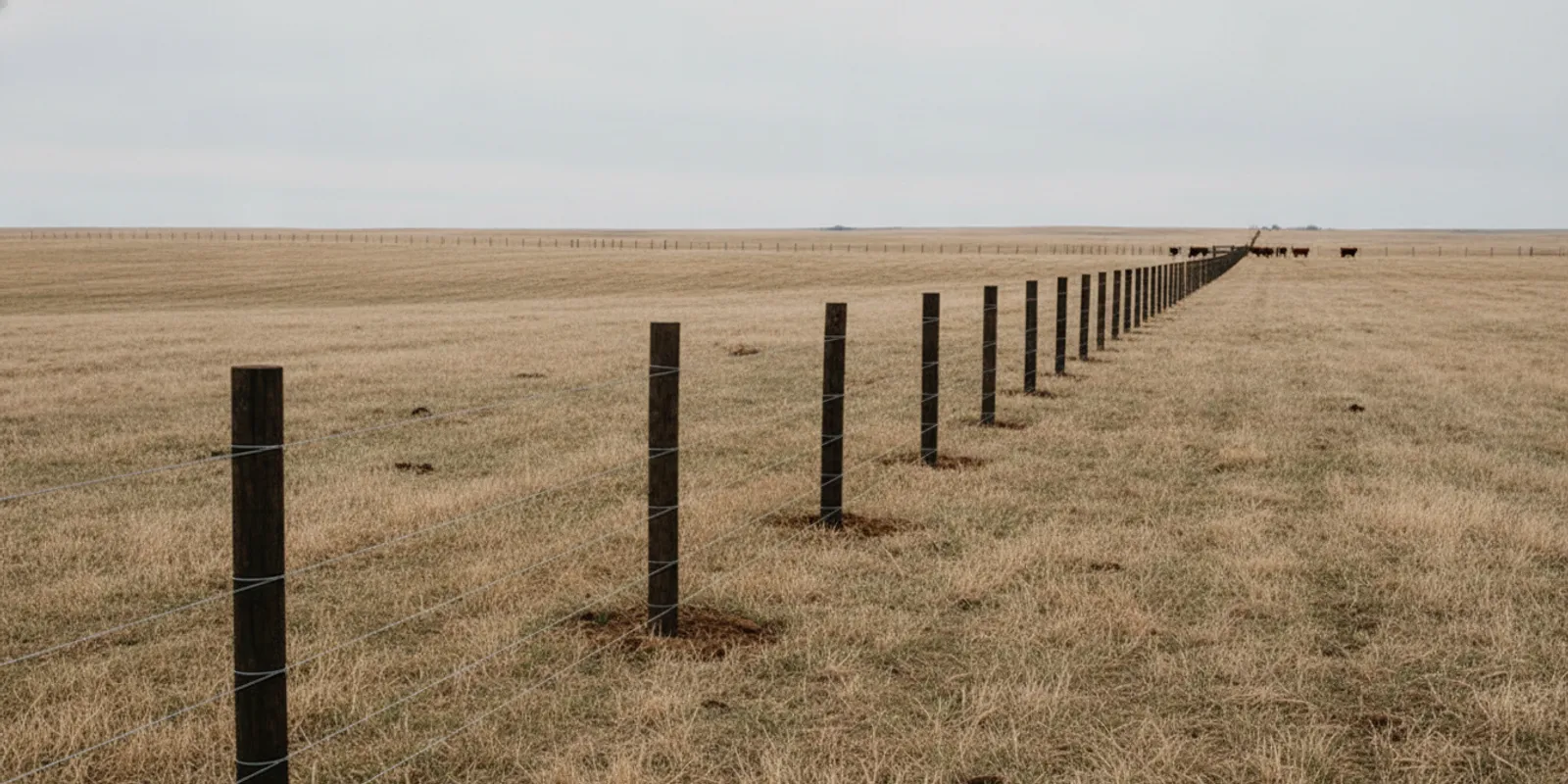
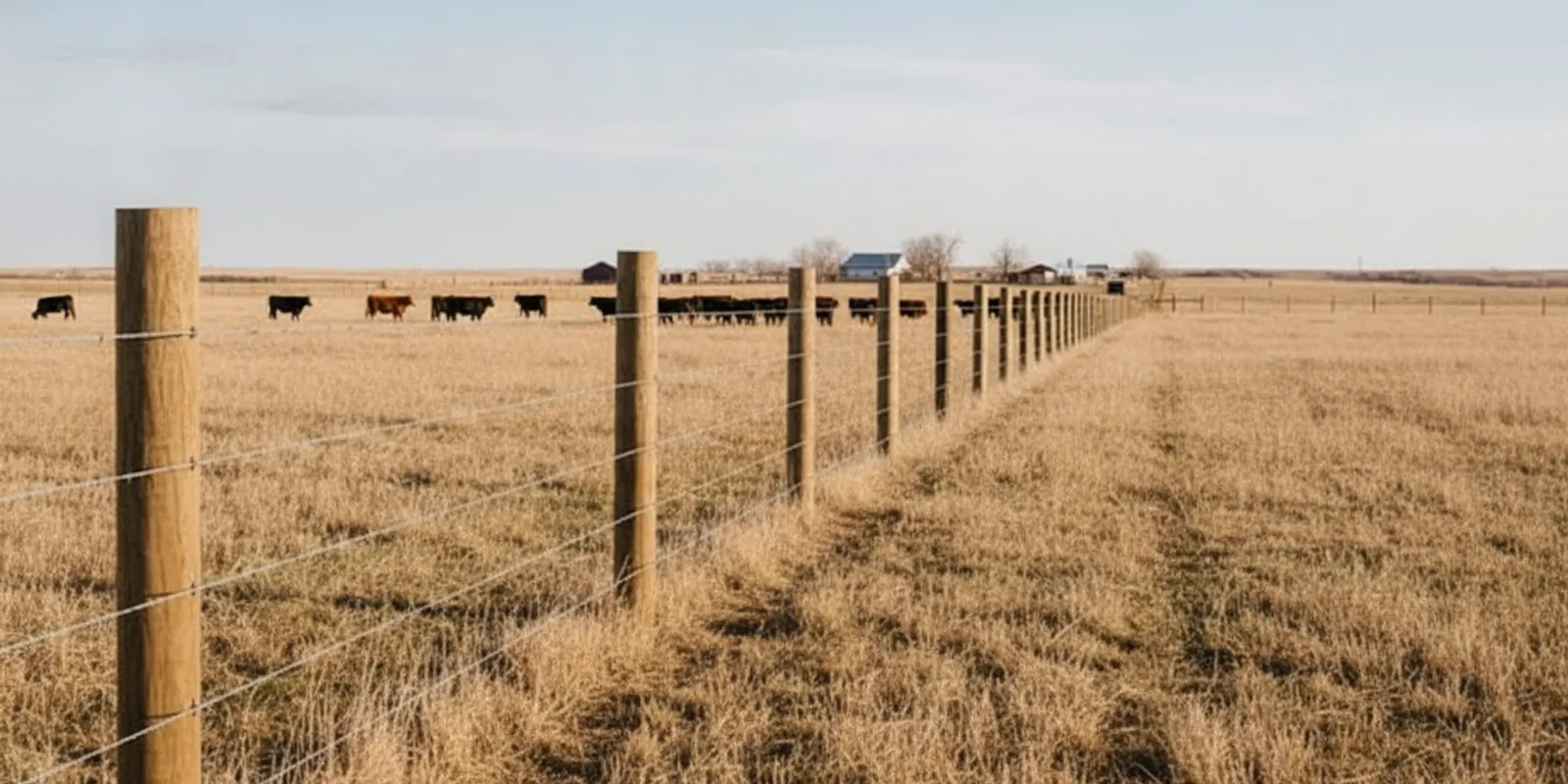
If you're looking for a top-tier combination of strength and longevity, high-tensile fencing is hard to beat. This type of fence uses strong wire under high tension, creating a physical barrier that’s incredibly durable. The fixed-knot design prevents the vertical wires from sliding, so it can stand up to pressure from livestock without losing its shape. It’s an excellent investment for perimeter fences because it requires less maintenance over time and has a long lifespan. For many ranchers, the durability of a hi-tensile fence makes it the gold standard for reliable containment.
Barbed Wire
Barbed wire is the classic, tried-and-true choice for a reason. It’s a familiar sight across Central Nebraska pastures because it provides a reliable and affordable way to contain cattle. This type of fence works as both a physical and psychological deterrent, teaching cattle to respect the fence line. While it may not be as strong as a high-tensile fence, a properly installed barbwire fence with the right tension and post spacing is an effective and budget-friendly solution for large pastures. It’s a dependable workhorse that has served ranchers well for generations.
Electric
Electric fencing offers incredible flexibility for managing your herd. It works by sending a high-voltage, low-amperage pulse through the wire, creating a psychological barrier that cattle learn to avoid. This makes it an ideal solution for rotational grazing, as you can easily set up and move temporary paddocks. It's also a great way to protect hay bales or keep cattle out of specific areas. While it can be used as a permanent perimeter, it requires consistent monitoring to ensure it’s working correctly. For ranchers looking to manage grazing patterns effectively, electric fencing is an invaluable tool.
Continuous (Woven Wire)
Often called woven wire, continuous fencing provides a formidable and safe barrier for your cattle. This fence is made of interconnected wires that form a tight grid, which is excellent for keeping calves from slipping through and strong enough to withstand pressure from larger animals. It’s also one of the best options for predator protection. Because the openings are small and the structure is so sturdy, it’s very difficult for predators to get in or for livestock to get out. A continuous fence is a great choice for corrals, pens, and areas where you need maximum security and safety for your herd.
Comparing the Pros and Cons of Each Fence Type
Choosing the right fence means weighing the benefits and drawbacks of each type against your specific needs. What works for one pasture might not be the best fit for another. Let's break down the most common options so you can make a confident decision for your property.
High-Tensile: Built for the Long Haul
High-tensile fencing is a fantastic investment for long-term livestock control. It's incredibly strong and designed to handle both animal pressure and harsh Nebraska weather without sagging. Because it stays tight for years, it requires less maintenance than some other types. This durability makes it excellent for livestock control and a reliable perimeter solution. The main consideration here is the upfront cost, which is typically higher than for barbed wire. Proper installation is also key; the fence needs to be tensioned correctly to perform at its best. But for a long-lasting, low-maintenance fence that you won't have to worry about for decades, high-tensile is tough to beat.
Barbed Wire: The Classic Choice
There's a reason barbed wire is a classic on ranches across Nebraska. It offers reliable and affordable containment, making it a cost-effective way to fence large pastures. It’s a straightforward, effective physical barrier that cattle respect. For many ranchers, it hits the sweet spot between performance and budget, especially for interior cross-fencing or large boundary lines. However, the barbs can pose a risk of injury to livestock, particularly if you have horses or more flighty cattle. It can also require more upkeep over the years as wires can stretch or break. While it's a dependable option, it's important to weigh the cost savings against the potential for more frequent repairs and the safety of your specific herd.
Electric: Flexible but Demanding
Electric fencing is all about flexibility. It’s a great choice for creating temporary paddocks, managing rotational grazing, or reinforcing an existing fence. Because it works as a psychological barrier rather than a physical one, you can use lighter materials, making it easy to set up and move. The ability to create flexible configurations is its biggest advantage. The trade-off is that it demands consistent attention. You have to keep the fence line clear of weeds that can ground it out, and you need to regularly check that the voltage is strong enough to be effective. A power failure or a faulty charger can render it useless, so it’s not always the best choice for a primary boundary fence without a reliable backup.
Continuous Woven Wire: Maximum Containment
If your top priorities are safety and keeping everything securely in (or out), continuous woven wire is an excellent choice. The tight weave prevents cattle from sticking their heads through and is also effective at keeping calves from slipping out and predators from getting in. This design provides enhanced safety and predator protection, giving you real peace of mind. This level of security comes at a higher price point, both in materials and labor. Installing woven wire can be more intensive than stringing a few strands of barbed or high-tensile wire. However, for areas like corrals, calving pens, or properties bordering busy roads, the investment in maximum containment is often well worth it.
How to Choose the Right Cattle Fence
Choosing the right fence for your cattle isn't just about stringing some wire between posts. It's a critical decision for your operation, one that impacts animal safety, your daily workload, and your bottom line. The best fence is one you can trust day in and day out, giving you peace of mind knowing your livestock are secure. Making the right choice upfront saves you countless hours and dollars on repairs and escaped animals down the road. It’s about finding that perfect balance between strength, cost, and longevity.
To get there, you’ll want to think through a few key factors. What works for your neighbor might not be the best fit for you. You need to consider your herd’s unique temperament, the specific challenges of your land, and the realities of our Nebraska weather. You also need to balance your immediate budget with the long-term value of a durable, low-maintenance fence. Finally, understanding the specific job your fence will do, whether it's securing a perimeter or managing grazing, will guide your material choices. By carefully considering these elements, you can build a fence that’s not just a boundary, but a hardworking, long-term asset for your farm or ranch.
Consider Your Herd and Its Behavior
First things first, think about the animals the fence will contain. A quiet herd of dairy cows has very different fencing needs than a herd with a few rowdy bulls or curious calves looking for a weak spot. The size and temperament of your cattle are your starting point. The number of cattle you have, or your stocking density, will also determine how much pressure the fence will face. A high-density pasture requires a much stronger physical barrier than a large, sparsely populated field where the fence serves more as a simple suggestion. If you’re running bulls, you’ll need a taller, more robust fence to handle their strength and temperament.
Account for Your Land and Nebraska Weather
Your property’s terrain and our classic Nebraska weather play a huge role in what fence will work best. Do you have flat, open pastures or rolling hills with creeks and draws? The lay of the land impacts installation complexity and the type of fence that will hold up over time. Here in Central Nebraska, we get it all: heavy snow, driving winds, and dramatic temperature shifts. Your fence needs to be tough enough to withstand those extremes without sagging or breaking. A well-built fence should be at least 49 inches tall for most cattle, but the combination of challenging terrain and weather might call for stronger posts and bracing to ensure it stays tight and effective for years.
Balance Your Budget with Long-Term Value
It’s easy to focus on the upfront cost of a fence, but the real value comes from its longevity and low maintenance needs. A cheaper fence might save you money today, but it could cost you more in the long run through constant repairs, lost livestock, and your own valuable time. Think of your fence as an investment. Investing in durable materials and professional installation from the start means you’ll have a reliable fence that stands strong for decades. In fact, proper preventive maintenance on a quality fence is far more affordable than emergency fixes. To understand what that investment looks like for your property, you can always get a quote to weigh your options.
Define the Fence's Purpose: Perimeter vs. Rotational
Finally, what job does this fence need to do? A perimeter fence that marks your property line and keeps your entire herd contained needs to be your most secure and durable barrier. This is where materials like high-tensile wire really shine, as they provide superior strength and longevity. In fact, many experts find that high-tensile, fixed-knot cattle fences are excellent for keeping livestock secure. On the other hand, if you’re creating smaller paddocks for rotational grazing, you might opt for a more flexible or temporary solution like electric fencing. Knowing the fence’s primary purpose will help you choose the right materials and construction from our range of fencing services.
Getting Your Fence Installation Right
Choosing the right type of fence is only half the battle. A successful cattle fence is all about proper installation. Even the best materials will fail if they aren’t put together correctly. A fence that’s built right from the start will save you countless hours and dollars on repairs, prevent escapes, and give you peace of mind knowing your herd is secure. Getting the details right, from post depth to wire tension, is what transforms a roll of wire and a pile of posts into a durable, long-lasting asset for your operation. It’s an investment that pays off every single day.
Before you break ground, it’s important to have a solid plan. Thinking through the specifics of your layout, materials, and installation method will ensure your fence stands strong against pressure from your livestock and the unpredictable Nebraska weather for years to come. Let’s walk through the key steps to getting your installation right.
Plan Your Height and Wire Spacing
The first step in designing your fence is making sure it’s tall enough to keep your cattle contained. For most cattle, a fence should be at least 49 inches tall. If you’re fencing in bulls, you’ll want to go even taller and stronger to handle their size and strength. Height is your primary defense against jumpers and climbers.
Just as important is the spacing between your wires. Wires should be no more than six inches apart to prevent cattle, especially curious calves, from pushing their heads through and getting stuck or forcing their way out. Proper spacing creates a physical and psychological barrier that your herd will learn to respect, keeping them safely within the pasture where they belong.
Select the Right Posts and Brace Your Corners
Your fence posts are the backbone of the entire structure, so they need to be strong and set deep. In frost-prone areas like Central Nebraska, setting gate and corner posts at least 30 to 36 inches deep is crucial to prevent heaving. Using quality materials, like Class 3 galvanized wire that can last for decades, ensures your investment holds up over time.
Corners, ends, and gates bear the most strain, which is why a correctly built H-brace is absolutely essential. These braces distribute the tension from the wires across the entire structure, preventing your corner posts from leaning or pulling out of the ground. You can see examples of sturdy, professionally built H-braces in our gallery to get an idea of how they should look.
Ensure Proper Tension and Avoid Common Mistakes
A cattle fence is only effective when the wires are properly tensioned. If the wires are too loose, cattle can push through them. If they’re too tight, they can snap in cold weather or put too much stress on your posts. You should check the wire tension at multiple points each season to make sure it’s within the right range for your specific wire.
Many fencing issues come from a few common installation mistakes. One of the biggest is using corner posts that are undersized or not set deep enough, which inevitably leads to sagging and failure. Another is improper bracing. Taking the time to avoid these errors from the start will save you from major headaches down the road.
Decide Between Professional Installation and DIY
Building a fence yourself can seem like a good way to save money, but it’s a demanding job that requires specific knowledge, tools, and a significant amount of time. Mistakes made during a DIY installation can lead to a weak fence that requires costly repairs or even a complete replacement.
Hiring an experienced team ensures the job is done efficiently and correctly the first time. Professionals have the specialized equipment for driving posts and stretching wire, and they understand how to adapt to local soil and terrain. If you want a fence that’s built to last without the hassle, exploring our fencing services is a great next step. An expert installation is an investment in the safety of your herd and the long-term value of your property.
How to Maintain Your Cattle Fence
Once your fence is up, the work isn’t over. Think of your fence like any other piece of essential farm equipment; it needs regular maintenance to perform its best and last for decades. Proper fence maintenance is one of the best investments you can make in your livestock operation. A well-kept fence prevents the headache of emergency repairs, can extend the life of your fence by 50% or more, and ensures your cattle are safely contained where they belong.
Putting in the effort to maintain your fence protects your livestock and your bottom line. Small, consistent checks save you from the major costs and labor that come with widespread failure. A little time spent walking the fence line each season can mean the difference between a quick fix and a full-scale replacement project. It’s about being proactive, not reactive, and keeping your operation running smoothly. You can see examples of fences built to last in our gallery of completed projects.
Perform Regular Inspections and Tension Checks
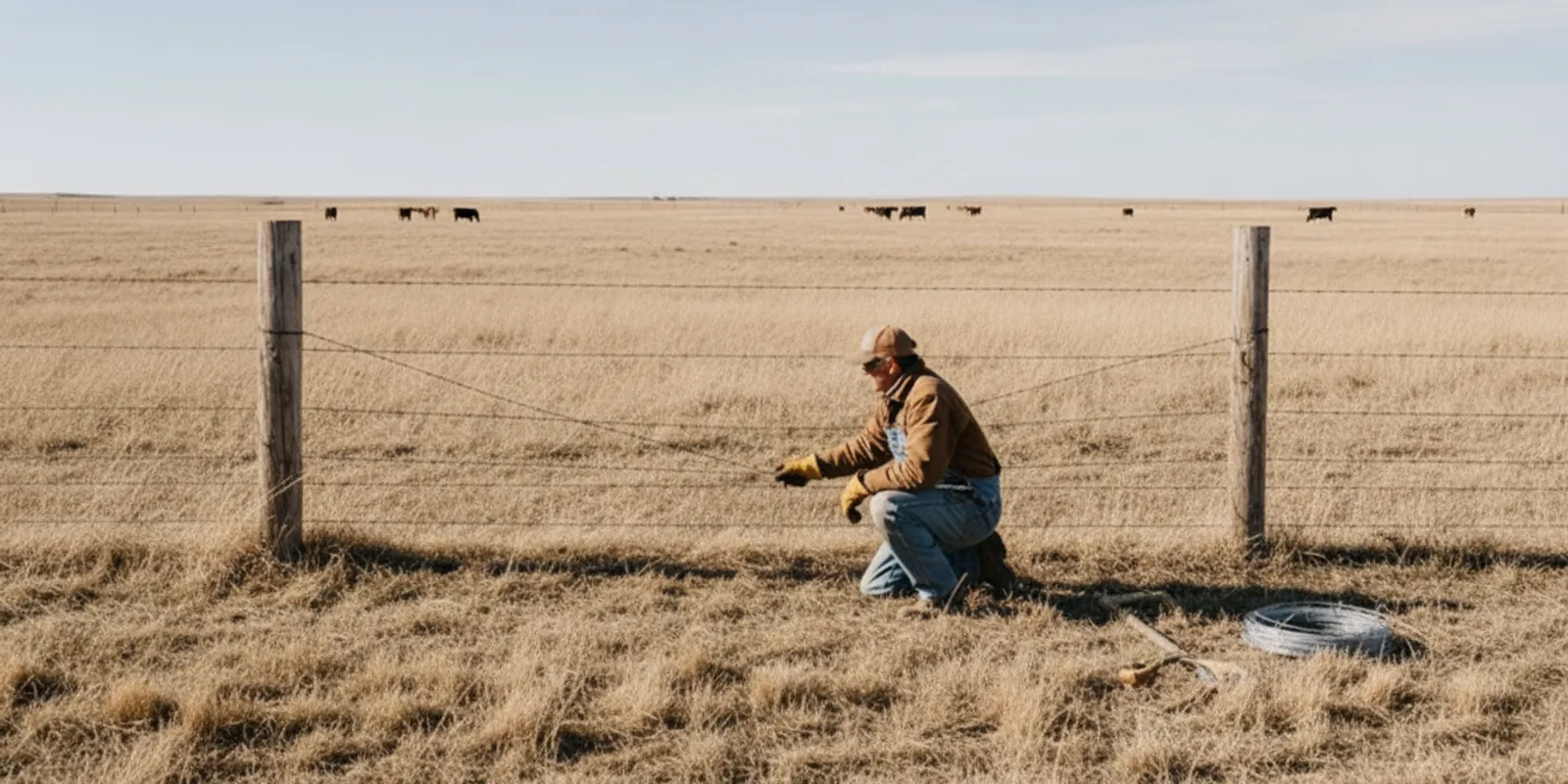
A routine inspection is your first line of defense against fence failure. Plan to walk your fence lines at least quarterly, or four times a year, to catch problems early. During these checks, pay close attention to the wire tension at several different points. A sagging wire is an invitation for trouble. You should also look for any broken or loose wires, damaged insulators on electric fences, and signs of wear on posts. After a heavy storm or significant snowfall, it’s always a good idea to do an extra walkthrough. Catching a single loose wire or a cracked post early is a simple fix that prevents a much bigger problem down the road.
Keep Your Fence Line Clear
Overgrowth is more than just an eyesore; it’s a threat to your fence’s integrity. Trees, brush, and heavy weeds can put pressure on your fence, short out electric wires, and hide damage from your view. Clearing brush for at least three to four feet from your fence lines is a critical step. This not only prevents cattle from using the vegetation to push through the fence but also reduces fire hazards during dry Nebraska seasons. A clear fence line makes your inspections faster and more effective, ensuring you can spot and fix issues without fighting through tangled growth. If your fence lines have become overgrown, our fence line cleaning services can get them back in shape.
Handle Post, Brace, and Corrosion Upkeep
Your posts and braces are the backbone of your entire fence system. Check them regularly for signs of rot, insect damage, or cracking, especially at the ground line where moisture collects. It’s crucial that gate posts are set deep enough, typically 30 to 36 inches in frost-prone areas like ours, to prevent heaving. For wire fences, also keep an eye out for corrosion. Treating rust early with a simple coating fix can extend your fence's life by 10 to 15 years. This small step can save you from a full replacement that could cost tens of thousands of dollars per mile, proving that a little upkeep goes a long way.
Know When It's Time for a Tear-Out and Replacement
Even the best-maintained fence will eventually reach the end of its life. If you find yourself constantly patching the same sections, dealing with widespread post rot, or seeing significant corrosion, it may be time for a replacement. A fence that requires constant repairs is not only a drain on your time and resources but also a liability for livestock containment. Instead of continuing to patch a failing system, investing in a full tear-out and a new, professionally installed fence ensures safety and peace of mind. When you’re ready for an upgrade, we offer fence tear-outs and can help you plan a replacement. If you think it might be time, contact us for an honest assessment.
Related Articles
Frequently Asked Questions
Which type of cattle fence is the best one? There isn't a single "best" fence for every situation, as the right choice really depends on the job you need it to do. For a strong, long-lasting perimeter that requires minimal upkeep, a high-tensile fence is an excellent investment. If you need a budget-friendly option for a large pasture, a well-built barbed wire fence is a classic for a reason. For managing rotational grazing, the flexibility of electric fencing is unmatched. And for high-traffic areas like corrals where safety is the top priority, a continuous woven wire fence is ideal.
How do I know if my old fence needs a simple repair or a full replacement? You can likely get by with repairs if you're dealing with isolated issues, like a single broken post or a few loose wires in one section. However, if you find yourself constantly patching the same areas, or if you notice widespread problems like rotting posts, significant corrosion along the wire, or entire sections that are leaning and sagging, it's probably time for a replacement. Continuing to patch a failing fence can cost you more in time and lost livestock than investing in a new, secure system.
Can I use different types of fencing on the same property? Yes, and it's often a very practical strategy. Many ranchers use a strong, permanent fence like high-tensile or barbed wire for their main property boundaries. Then, they use a more flexible solution like electric fencing to create smaller, temporary paddocks for rotational grazing inside that perimeter. This approach gives you the best of both worlds: a secure boundary and the flexibility to manage your pastures effectively.
What makes corner and brace posts so important? Corner and brace posts are the anchors of your entire fence line. They bear the immense tension from the stretched wires, which is what keeps the fence tight and effective. If your corner posts are not set deep enough or the braces are not built correctly, they will eventually lean or pull out of the ground. When that happens, the entire fence line will sag and fail, no matter how strong your wire is. A solid bracing system is the foundation of a fence that lasts for decades.
How often should I really be checking my fence? A good rule of thumb is to walk your entire fence line for a thorough inspection at least once per season, so about four times a year. This helps you catch small problems like a loose wire or a cracked insulator before they become big ones. It's also wise to do a quick check after any major weather event, such as a heavy snowstorm or severe winds. Consistent inspections are the key to extending the life of your fence and keeping your herd secure.
Comments