
Agricultural Fencing Hastings NE: Adams County Guide

Agricultural fencing Hastings NE owners plan around a practical question: what must the fence do every day on the property? Hastings is the county seat of Adams County, so a Hastings project is an Adams County job, not a Hall County one. A boundary line, cattle pasture, working area, and equipment entrance may each need a different layout. Thinking through the animals, terrain, gates, and future use before choosing materials can make the project easier to scope and maintain.
Request a fence estimate or call Rapid Fence at (308) 223-1320.
What should agricultural fencing Hastings NE accomplish?
Begin with the job, not the product name. A fence that marks a boundary may not be suitable for containing livestock. A pasture perimeter may need a different plan from a smaller lot used for sorting or handling animals. Write down what the fence must contain, where animals and equipment need to pass, and how the property may be used in the future.
For a Hastings-area farm or ranch, that list might include:
Which animals will be on each side of the fence, now and later.
Whether the line is a perimeter, pasture division, lane, boundary, or part of a working area.
Where people, livestock, tractors, trailers, and other equipment need regular access.
Whether the project is new construction, replacement, repair, or a connection to existing fence.
How much fence is needed and whether the work is one continuous run or several separate sections.
Measure approximate lengths by segment rather than relying on a single overall guess. Note changes in direction, existing gates, corners, slopes, drainage routes, and spots where animals tend to gather. These details give the installer a clearer picture of the work and help identify questions that should be resolved before a layout is finalized.
If you are still weighing the broad options, Rapid Fence's guide to choosing a farm fence offers another starting point. The right answer for your property still depends on its animals, layout, and intended use.
How do you match a fence type to livestock and use?
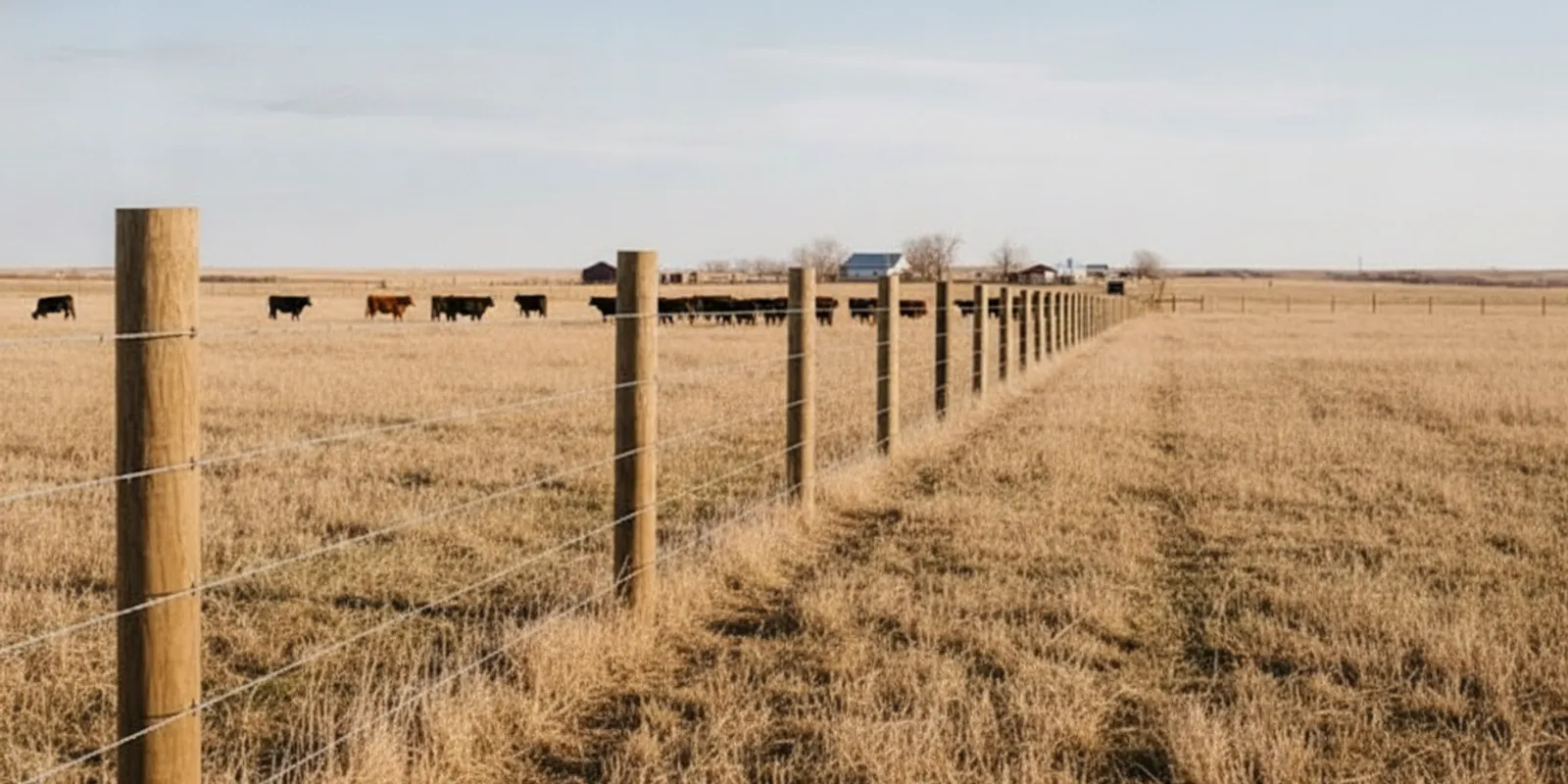
Fence type is one part of the decision. The number and arrangement of wires, post spacing, bracing, corners, and gates also affect how a fence functions. Avoid choosing based on appearance alone. Describe the containment job and ask how the proposed design addresses it.
Fence option | Common planning use | Questions to settle before installation |
Barbed wire | Agricultural boundary and livestock fence applications | How many wires suit the intended use? What wire arrangement and bracing does the line need? |
Hi-tensile wire | Long agricultural runs where a tensioned wire system is being considered | What tension is appropriate for the application? How will corners and end assemblies handle the system? |
Continuous fence | Livestock areas where a rigid, continuous panel-style fence is needed | Where are animals likely to push or gather? How should gates and transitions connect? |
Chain link | Enclosed areas where a continuous mesh barrier fits the site and intended purpose | What height, gates, and tie-ins are needed for the actual use and terrain? |
This comparison is a planning aid, not a final design specification. Animals, site conditions, and the purpose of each section can change the suitable design. For cattle, the intended use matters: a pasture perimeter, a lane, and a handling area do not necessarily call for the same construction. Rapid Fence has additional background on choosing a cattle fence and on continuous cattle fence planning.
For barbed wire, be specific about the number of wires you are considering. Four-wire and five-wire lines are not interchangeable just because both use the same general material. The number of wires should fit the livestock and job. See the related discussion of how many strands of barbed wire cattle fencing may use as you prepare questions.
Which property details affect the fence layout?
A map or rough sketch can reveal layout issues before materials arrive. Mark property corners as you understand them, the proposed fence route, existing lines, gates, buildings, water access, lanes, and any section that may need repair or removal. If a boundary is uncertain, do not assume a visible old fence marks the legal property line. Confirm the line with the appropriate property information or professional help before construction.
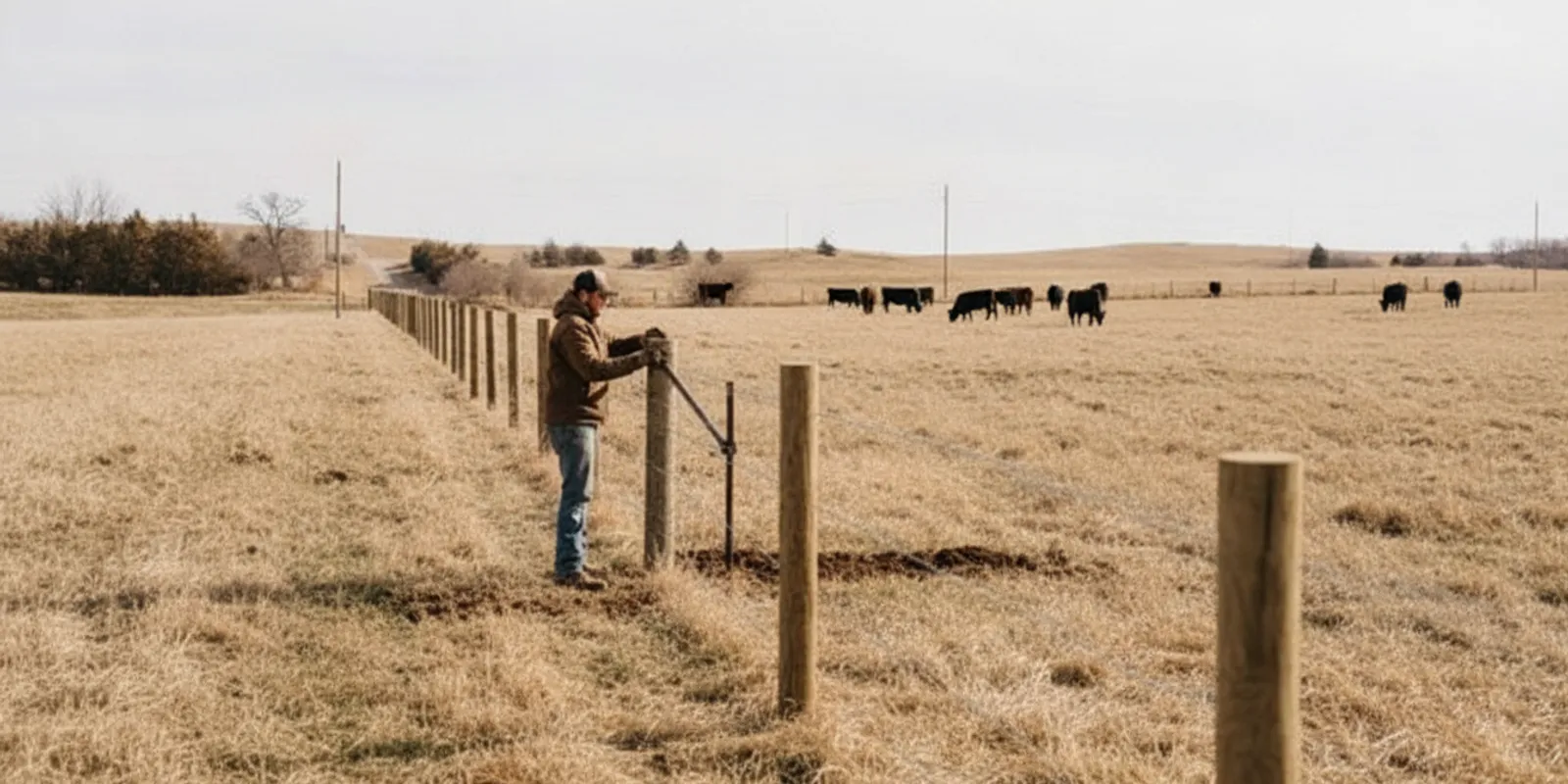
Think about the whole route, including how each end connects to another fence or structure. Corners and changes in direction are important because a fence must remain supported and tensioned through its layout. Discuss end assemblies, corner bracing, and transitions with the installer rather than treating the long straight section as the entire project. Rapid Fence's guide to corner bracing for fence installation explains why these structural points deserve attention.
Access deserves the same attention as the fence line. List the gates you need, their approximate locations, and what must pass through them. A gate used by a pickup has different access needs from an opening used by a tractor, livestock trailer, or herd. Think about turning space and approach, not only the clear opening. If the fence serves a corral, gate placement may affect animal movement and handling; the corral gate placement guide can help you prepare.
Finally, note conditions that could change construction: uneven ground, wet or low areas, existing debris, old posts or wire, and places where vehicles or livestock cross the route. Do not guess that every section can be installed in the same way. A site review can help determine which details matter and what preparation should happen first.
What should you know about Nebraska fence responsibilities?
Fence expectations can involve both practical livestock management and legal or neighbor considerations. The University of Nebraska–Lincoln's Center for Agricultural Profitability notes that Nebraska law does not specifically require livestock owners to fence their livestock in. Fencing is often the most reasonable and practical way to prevent livestock from getting out. Read its overview, “Rebuilding Fences After Disaster”, for that limited point.
That summary is not a substitute for advice about a particular property, dispute, agreement, or local requirement. Before placing a fence on or near a boundary, confirm the property line and discuss responsibilities with affected neighbors. If you have a specific legal question, consult an appropriate Nebraska professional or public authority. Separately, tell the installer what the fence must accomplish so the proposed construction addresses your real containment and access needs.
What construction details should you review?
Before work begins, review the scope in plain language. The estimate and conversation should make the project understandable to someone who has not walked the property. Confirm which runs are included, the fence type for each, the planned wire count where applicable, gate locations, and what happens at corners and connections to existing fence.
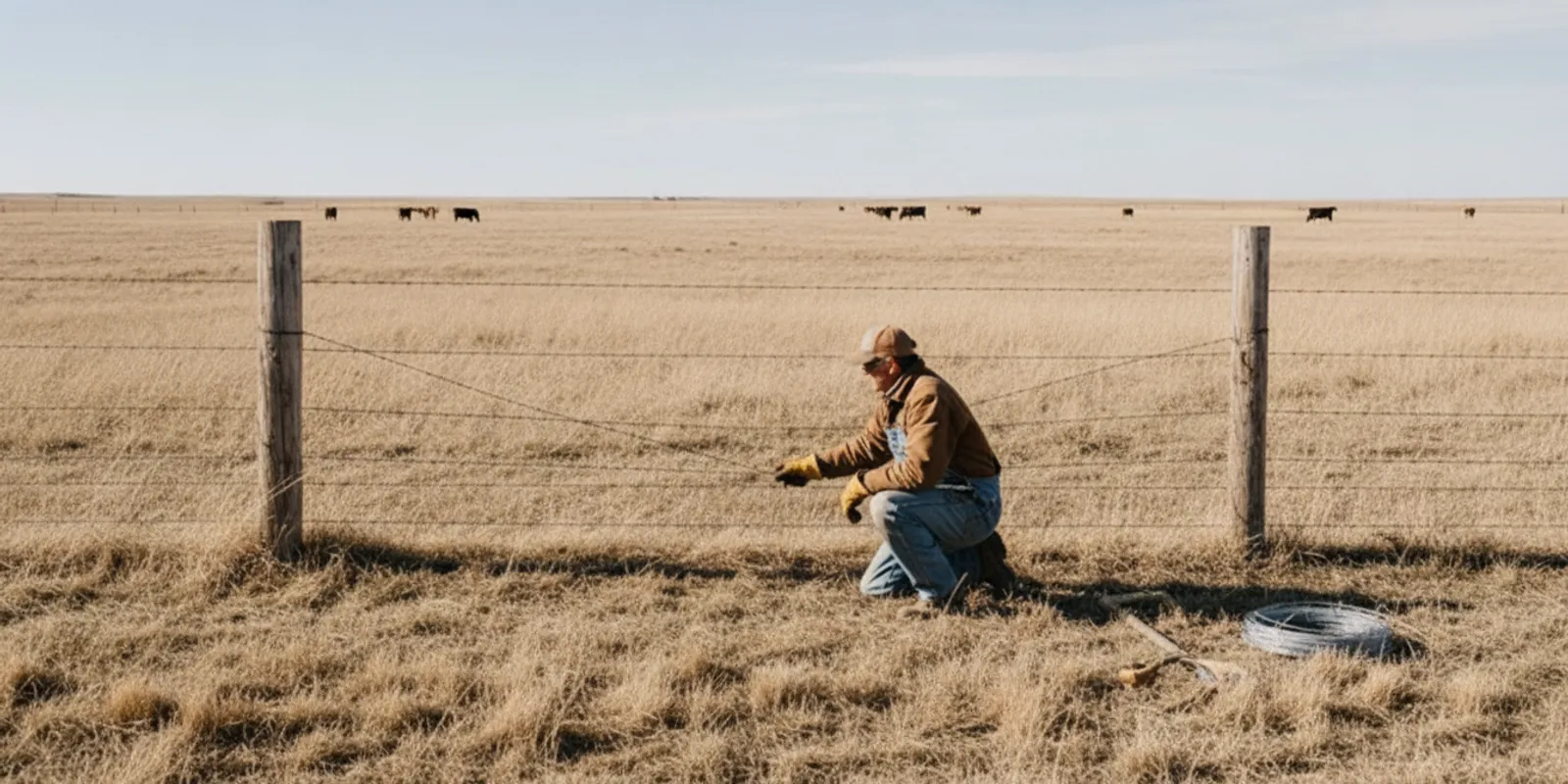
Also clarify whether old fence, vegetation, or other obstructions need to be removed or handled separately. Ask how site access and any known difficult sections affect the sequence of work. If you have a repair project, identify whether the request is limited to a damaged portion or whether adjacent sections also need attention. Photos and marked-up sketches can help explain the difference.
With hi-tensile fence, focus the discussion on appropriate tension for the application, not simply on making the wire as tight as possible. A fence system depends on its design and supporting structure. Ask how the proposed line, bracing, and terrain work together. Do not treat a generic wire count or tension figure as a universal specification for every pasture.
Compare estimates by scope as well as total. One proposal may include removal or more gate work while another may describe only a basic fence run. Ask questions if a line item, material, or boundary is unclear. A clear scope helps you compare like with like and reduces the chance that important details are left to assumption.
Before approving a plan, walk through the proposed route with the installer if possible. Point out the areas where animals press against the fence, where machinery crosses, and where you expect to use gates most often. Confirm how each new section will meet an existing fence and whether temporary access or livestock movement needs planning during the work. A simple review helps bring practical details into the scope while changes are easier to discuss.
Ask what information you should keep after installation, such as the fence type used on each run and any maintenance considerations discussed for the system. When you inspect the completed work, check that the agreed route and gates are in place and raise questions about anything that differs from the scope. For an existing line, periodic walks can help you notice loose wire, damaged posts, vegetation, or gates that need attention before a small issue interrupts normal use.
How can you plan the timing of a fence project?
Start planning before the fence becomes an urgent problem. Consider when animals will enter a pasture, when you need access for field work, and whether the site will be easier to reach during a particular part of the season. A damaged section that affects containment or daily access may need a different priority from a planned division that can be scheduled ahead.
Make a short list of timing constraints and share it when you request an estimate. Include dates when livestock will move, periods when gates must remain open, and any other contractors or farm work that affect access. A realistic discussion is more useful than assuming every project can be installed immediately. Weather and site conditions can also affect the work plan, so ask how scheduling will be confirmed.
For an existing fence, walk the line and record the problem areas before the visit. Note leaning or broken posts, loose or damaged wire, failed braces, and gates that no longer work as intended. Photos taken from a few angles can help show the extent of a problem. Rapid Fence's information on agricultural fence repair in Nebraska may help you organize what to report.
How do you make a multi-run project easier to scope?
A project with several fence runs is easier to discuss when each segment has its own purpose and approximate length. Label them on a sketch, such as north pasture boundary, lane, or repair section, and note where the fence type or intended use changes. If you are unsure of a measurement, mark it as approximate instead of presenting it as a final survey. The goal is to make the questions visible, not to produce a perfect drawing.
Also distinguish work that must happen together from work that might be considered separately. For example, a new perimeter may depend on a gate or a connection to an existing line, while a distant repair may be a separate scope. Ask whether splitting the work would affect access, tie-ins, or the usefulness of either section. Discuss the full route before deciding to stage it, so the sequence does not leave a gap in containment or block the way equipment needs to travel.
Rapid Fence invites estimate requests for fence projects of 500 feet or more. If your project is near that size or includes multiple separate runs, share the approximate total and how you calculated it when you contact the team. Describe the sections rather than combining everything into one number; this gives the conversation a more useful starting point.
What should you prepare for agricultural fencing Hastings NE?
A useful estimate conversation begins with a clear description of the project. You do not need a finished engineering plan. You do need enough information to explain the need and arrange a site review where needed.
- Location:
Give the property location near Hastings and identify the sections involved.
- Purpose:
Explain whether the fence is for a boundary, pasture, livestock lane, working area, or repair.
- Animals:
Name the livestock and describe how the fenced area will be used.
- Approximate length:
Estimate each run and mark corners, turns, and connections.
- Fence preference:
Mention the type you are considering, but remain open to discussing its fit.
- Gates:
List locations and the largest equipment or trailers that need access.
- Site conditions:
Flag slopes, low spots, old fence, brush, or access concerns.
- Timing:
Share livestock moves, seasonal deadlines, or other scheduling constraints.
- Reference material:
Provide photos, a simple map, and details about existing fence where relevant.
Rapid Fence's agricultural fence installation and repair information can help you review the service types before you reach out. The company serves agricultural properties in Central Nebraska, including the Hastings area. Describe your project directly so the team can understand what you need and discuss next steps.
Frequently asked questions
Does Rapid Fence serve Hastings, Nebraska?
Yes. Hastings is the county seat of Adams County, and Rapid Fence serves agricultural properties in Central Nebraska, including the Hastings area. Hall County is a separate service-area location, not the county Hastings is in. Call (308) 223-1320 with the property location and project details to confirm the next step for your job.
Which agricultural fence is best for cattle?
There is no single best choice for every cattle property. The right plan depends on the purpose of the fence, the layout, gates, existing structures, and how the animals will use the area. Explain the job and compare the proposed construction details before settling on a design.
Should I choose four-wire or five-wire barbed fence?
That depends on the containment need and the full fence design. State the wire count you are considering when asking for an estimate, then discuss whether that arrangement fits the livestock and location. Do not assume that one count works for every property.
What should I bring to a fence estimate?
Prepare an approximate length, a sketch or map, photos, intended fence use, livestock details, gate needs, known site conditions, and scheduling constraints. These details give the contractor a clearer starting point for discussing the scope.
Plan an agricultural fence that fits the property
Near Hastings, start by describing the work the fence must do. Then map the route, access points, and site conditions. With those details in hand, you can discuss materials, layout, scope, and timing with fewer assumptions. Contact Rapid Fence at (308) 223-1320 to talk through your Adams County project and request an estimate.
Comments