
Your Complete Guide to the Best Farm Fence

A failing fence is more than just an eyesore; it’s a constant source of stress. It means chasing escaped cattle, worrying about predators, and patching up the same weak spots over and over. A good farm fence should solve problems, not create them. It’s a tool that provides security for your livestock and peace of mind for you. But building one that lasts requires more than just posts and wire. It takes understanding your specific animals, your land, and the right construction techniques. This guide is here to help you move past the quick fixes and build a reliable fence that does its job, day in and day out.
Key Takeaways
- Choose the right fence for your needs
: The best fence material and design depend entirely on your specific livestock, the layout of your land, and your budget.
- Focus on quality construction for durability
: A fence's strength comes from proper installation, so pay close attention to solid post setting, strong corner bracing, and correct wire tension.
- Treat your fence as a long-term investment
: Investing in professional installation and performing regular maintenance, like clearing the fence line, will save you money on future repairs and ensure your fence lasts for decades.
What Type of Farm Fence Is Right for Your Land?
Choosing the right fence for your farm is a big decision. It’s not just about drawing a line on your property; it’s about protecting your livestock, securing your crops, and making a long-term investment in your operation. The best fence for your neighbor might not be the best one for you. Your choice depends on what animals you’re raising, the lay of your land, your budget, and how much time you want to spend on upkeep. Getting it right from the start saves you headaches and money down the road.
Here in Nebraska, our fences have to stand up to some serious weather and determined livestock. That’s why it’s so important to understand your options. From the classic strength of barbed wire to the durability of hi-tensile and the solid barrier of continuous fencing, each type has its place. We’ll walk through the most common fencing solutions to help you figure out exactly what your land needs. Let’s look at the pros and cons of each so you can make a choice you’ll be happy with for years to come.
Barbed Wire
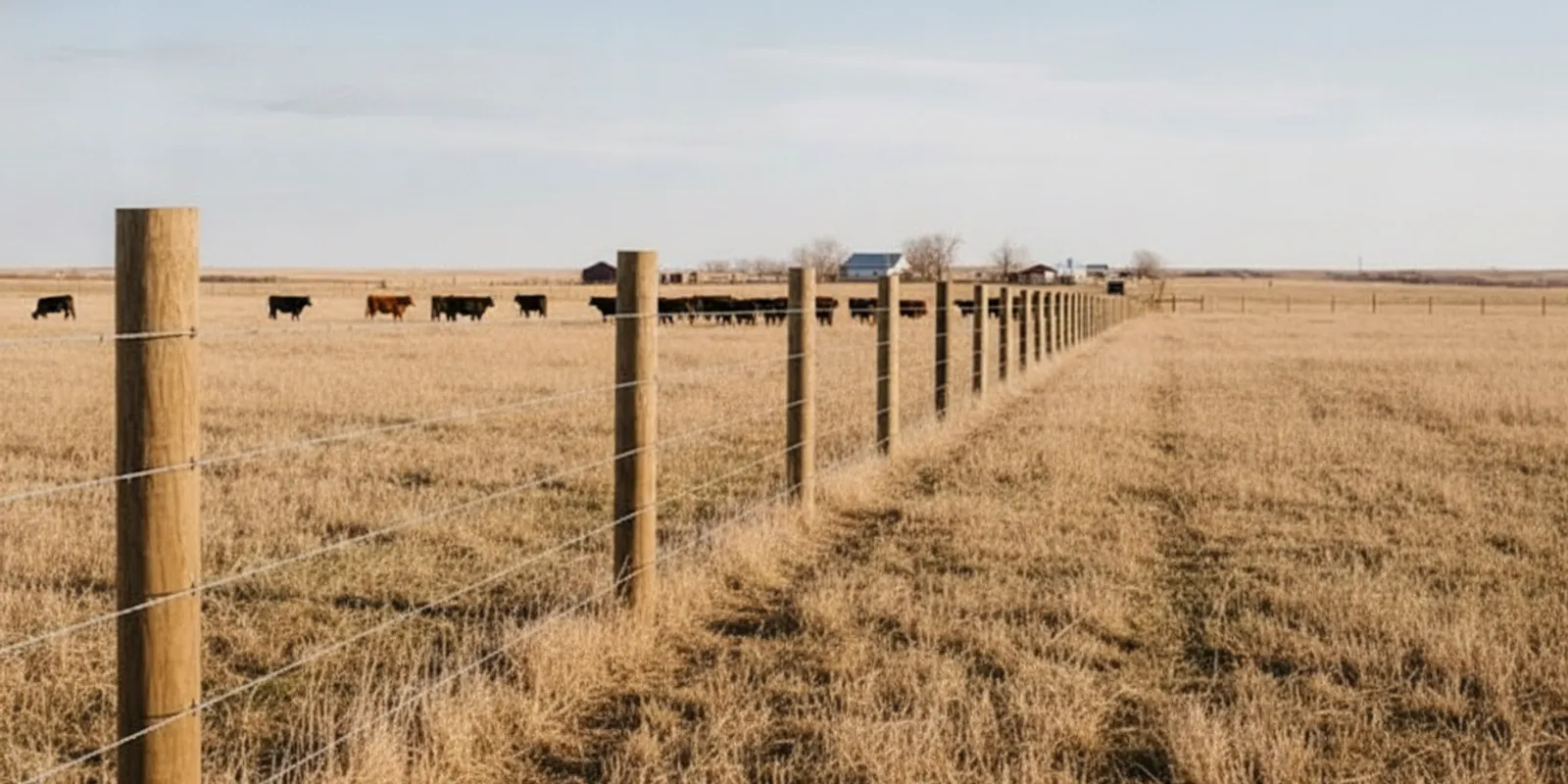
Barbed wire is one of the most traditional and recognizable types of farm fencing, especially for containing cattle across large pastures. Its main advantage is its cost-effectiveness. For ranchers with extensive acreage, it’s an affordable way to establish clear boundaries. However, the biggest drawback is the risk of injury. The barbs that make it an effective deterrent can also cause cuts and scrapes on your livestock, which can lead to infection or hide damage. Because of this, it’s generally not recommended for horses or more delicate animals. While it’s a classic choice for security, it’s important to weigh the advantages and disadvantages before deciding if it’s the right fit for your animals and management style.
Hi-Tensile
If you’re looking for a fence that’s strong, long-lasting, and requires minimal upkeep, hi-tensile wire is an excellent choice. Made from high-carbon steel, this wire is stretched to create incredible tension, making it extremely durable and resistant to sagging. It’s a versatile option that works well for containing cattle, sheep, and goats. One of the biggest draws is its longevity; a properly installed hi-tensile fence can last up to 50 years. While the materials can be more expensive upfront than barbed wire, the low maintenance and long lifespan make it one of the best farm fencing options for a great long-term investment. It’s a modern solution that provides serious strength and peace of mind.
Continuous Fencing
For high-traffic areas like corrals, pens, and feedlots, continuous fencing is tough to beat. This type of fence is made from heavy-duty steel panels or pipes that are welded together to form a solid, seamless barrier. It’s incredibly strong and can stand up to pressure from even the most stubborn cattle. Beyond its strength, continuous fencing offers a clean, professional look and improves safety by eliminating sharp edges and loose wires. It provides a strong visual barrier for livestock and allows for flexible pasture management. You can see examples of how sturdy and clean these setups look in our project gallery, where they are a popular choice for custom-built corrals.
Woven Wire and Field Fencing
Woven wire is a fantastic all-around choice for farms with a variety of animals. This fence is constructed with horizontal and vertical wires that are woven together to create a grid pattern. The spacing of the grid can vary, with smaller openings at the bottom to contain smaller animals and larger openings at the top. This design makes it suitable for housing everything from cattle and pigs to sheep and goats, preventing them from squeezing through. It’s also a much safer option than barbed wire, as the smooth wire is less likely to cause injury. Its versatility makes it a go-to for creating secure pastures and enclosures for mixed livestock operations.
Electric Fencing
Electric fencing works as a psychological barrier rather than a physical one, teaching animals to respect the boundary with a short, safe shock. It’s an incredibly flexible and budget-friendly option that can be used for both temporary and permanent enclosures. Many farmers use it for rotational grazing, as it’s easy to set up and move. It’s also highly effective at keeping wildlife out of crops or away from livestock. You can use electric fencing on its own or add a strand to an existing non-electric fence to keep animals from leaning or rubbing on it. This simple addition can significantly extend the life of your primary fence.
Specialty Fencing for Horses or Poultry
Not all animals have the same fencing needs. Horses, for example, require fences that are highly visible and safe. Options like no-climb or V-mesh fencing have small, tight openings that prevent a horse from getting a hoof caught, reducing the risk of serious injury. For smaller animals like chickens, you need a fence that keeps them in and predators out. Specialized mesh fencing designed for smaller birds, like electric netting or welded mesh wire, is ideal. When you’re raising animals with specific needs, investing in the right type of specialty fencing is crucial for their safety and your peace of mind.
Key Factors for Choosing Your Farm Fence
Choosing the right fence is one of the most important decisions you’ll make for your farm or ranch. It’s not just about drawing a line on your property; it’s about protecting your livestock, safeguarding your crops, and making a long-term investment in your operation’s efficiency. Before you break ground, it’s helpful to think through a few key elements to ensure the fence you build is the fence you need. From the type of animals you’re raising to the unique lay of your land here in Central Nebraska, every detail matters. Taking the time to plan now will save you headaches and money for years to come, giving you a reliable fence that does its job day in and day out.
Match the Fence to Your Livestock
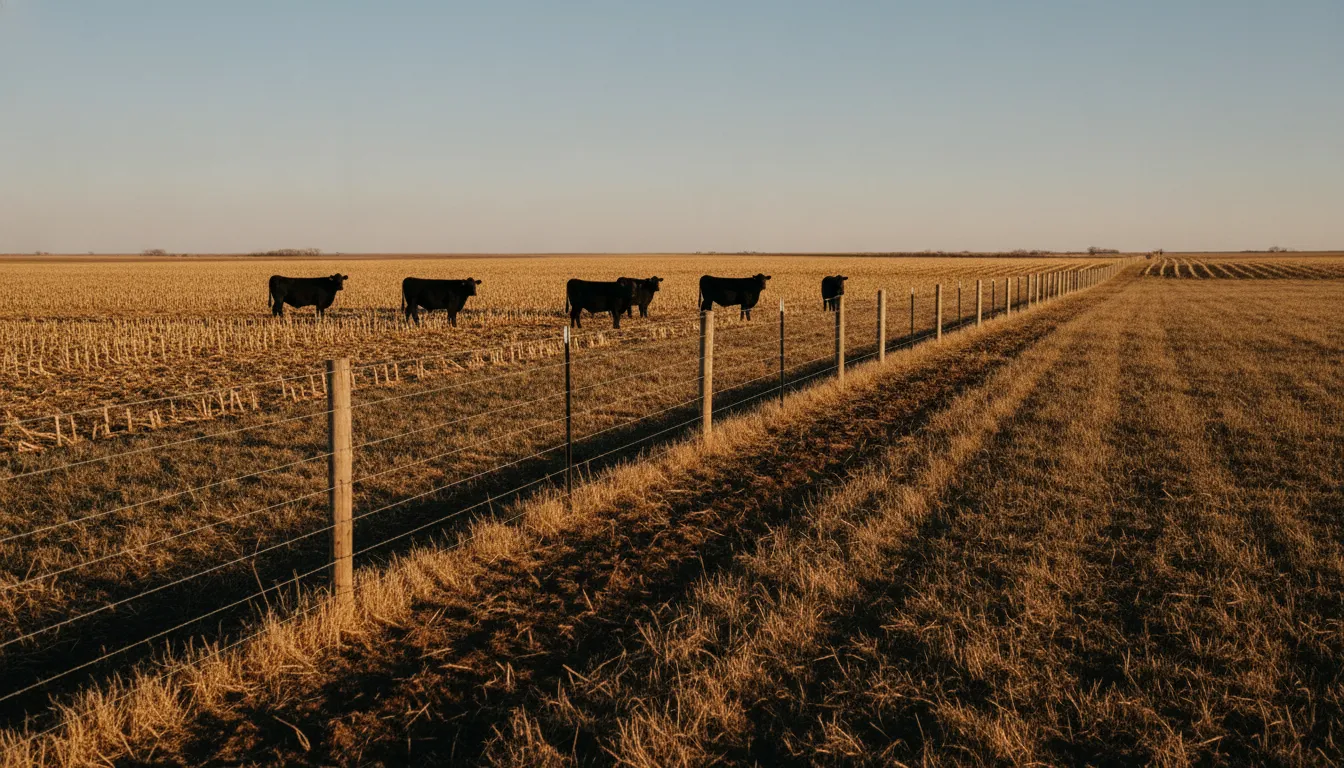
The first question to ask is: what are you trying to keep in? Different animals have different behaviors, and your fence needs to account for them. Cattle tend to lean and push on fences, which is why strong materials like barbwire or hi-tensile wire are effective for containing them. Sheep and goats, on the other hand, are more likely to test the bottom of a fence, looking for ways to crawl under. For containing a variety of livestock, woven wire can be a great all-around solution. Thinking about your animals’ habits first will help you select a fence that keeps them safe and secure.
Assess Your Terrain and Soil
Your land itself plays a huge role in what kind of fence will work best. A fence that stands strong on flat, even ground might struggle on the rolling hills and varied soil types we see across Nebraska. Slopes, low spots, and waterways all present unique challenges for getting your posts set correctly and keeping your wire tension even. This is also why preparing the area is so important. Services like professional fence line cleaning and dirt work can create a clear, stable foundation for your fence, preventing issues with sagging or weakness down the road and ensuring it follows the contour of your land effectively.
Protect Crops and Deter Wildlife
A good fence doesn't just keep your animals in; it also keeps unwanted visitors out. Deer, coyotes, and other wildlife can pose a significant threat to both your crops and your livestock. A sturdy perimeter fence is your first line of defense. For high-value crops, some farmers find success by combining different fence types, such as pairing woven wire with an offset electric wire to deter persistent wildlife. The goal is to create a barrier that’s physically and psychologically discouraging to any pests trying to get in, protecting your hard work and your bottom line.
Determine Fence Height and Visibility
How tall does your fence need to be? The answer depends on your livestock and your goals. For containing cattle, a standard 48-inch fence is often sufficient. However, if you’re dealing with animals that can jump, like horses or certain breeds of goats, you’ll need something taller and more visible to prevent accidents. The terrain also factors in; you may need a taller fence in low-lying areas or swales to maintain a consistent height. You can check out a project gallery to see how different fence heights and styles look on various landscapes, helping you visualize what will work best for your property.
Plan Your Budget and Long-Term Maintenance
When you’re planning your budget, it’s tempting to focus only on the upfront cost. However, it’s just as important to consider the long-term value. A cheaper fence might save you money today, but it could lead to frequent and costly repairs over the years. Investing in high-quality materials and professional installation ensures your fence is built to last. Proper bracing and correct wire tension are critical for longevity and reduce the amount of maintenance you’ll have to do. To get a clear idea of the investment, it’s always a good idea to request a quote from a local professional who understands Nebraska’s conditions.
Comparing Farm Fence Materials
Choosing the right materials for your farm fence is one of the most important decisions you'll make. It’s a balancing act between strength, budget, and what works best for our Nebraska landscape. A fence is a long-term investment in your property and your livestock's safety, so it pays to get it right from the start. The material you select will determine how much maintenance you'll face, how well it contains your animals, and how long it will be before you have to think about repairs or replacement. Let's break down how to compare your options by looking at durability, cost, and suitability for our local climate.
When you're ready to build, you can see examples of durable fences built to withstand Nebraska weather in our gallery. These projects showcase how the right materials and professional installation come together to create a fence that lasts. Making a smart choice now means less work and worry for you down the road.
Evaluate Durability Against Weather
Your fence needs to be tough. Here in Nebraska, it will face everything from heavy snow and ice to strong winds. But as one practical farm fencing guide points out, the biggest challenges often come from your own livestock and encroaching vegetation. A determined cow or a fallen tree limb can do serious damage to a weak fence.
When you evaluate materials, think about how they’ll hold up over decades, not just a few seasons. Hi-tensile wire, for example, is designed to flex under pressure and withstand temperature changes without sagging. Wood posts are traditional, but steel posts often provide greater longevity against rot and insects. Considering both cost and durability helps you make a smart investment that protects your land and animals for years to come.
Compare Upfront vs. Long-Term Costs
It’s easy to focus on the initial price tag, but the true cost of a fence reveals itself over time. Investing in the right farm fencing can make all the difference for your livestock’s safety and your farm’s productivity. A cheaper fence might save you money today, but it can lead to constant repairs, lost animals, and the headache of a full replacement sooner than you expected.
In fact, studies show that choosing the wrong fence can cost small farms significantly more in repairs and losses each year. A high-quality fence built with durable materials and proper techniques may have a higher upfront cost, but it pays for itself with fewer maintenance demands and a much longer lifespan. Think of it as an investment in peace of mind.
Choose Materials Suited for Nebraska's Climate
What works for a farm in another state might not be the best fit for your land here in Central Nebraska. The right fence for you depends on your specific livestock, terrain, and goals. For containing cattle across large pastures, for instance, a strong and cost-effective fence is essential. This is where local knowledge really counts.
Materials like hi-tensile wire are an excellent choice for local cattle operations because they offer incredible strength and resilience against both livestock and our harsh weather. Paired with solid bracing and professional installation, these types of farm fences are built to handle the demands of a Nebraska farm. We specialize in building fences that are perfectly matched to our region’s conditions, ensuring your investment is secure.
How to Build a Farm Fence That Lasts
A farm fence is more than just a boundary line; it's a critical investment in the safety of your livestock and the security of your property. Building a fence that stands strong against Nebraska weather and the daily pressures of farm life doesn't happen by accident. It requires a solid plan and attention to detail from the ground up. Getting the fundamentals right during construction will save you countless hours and dollars on future repairs. From setting your posts to stretching the wire, each step is crucial for creating a durable fence that you can rely on for years to come. Here are the key techniques to focus on.
Set Your Posts Correctly
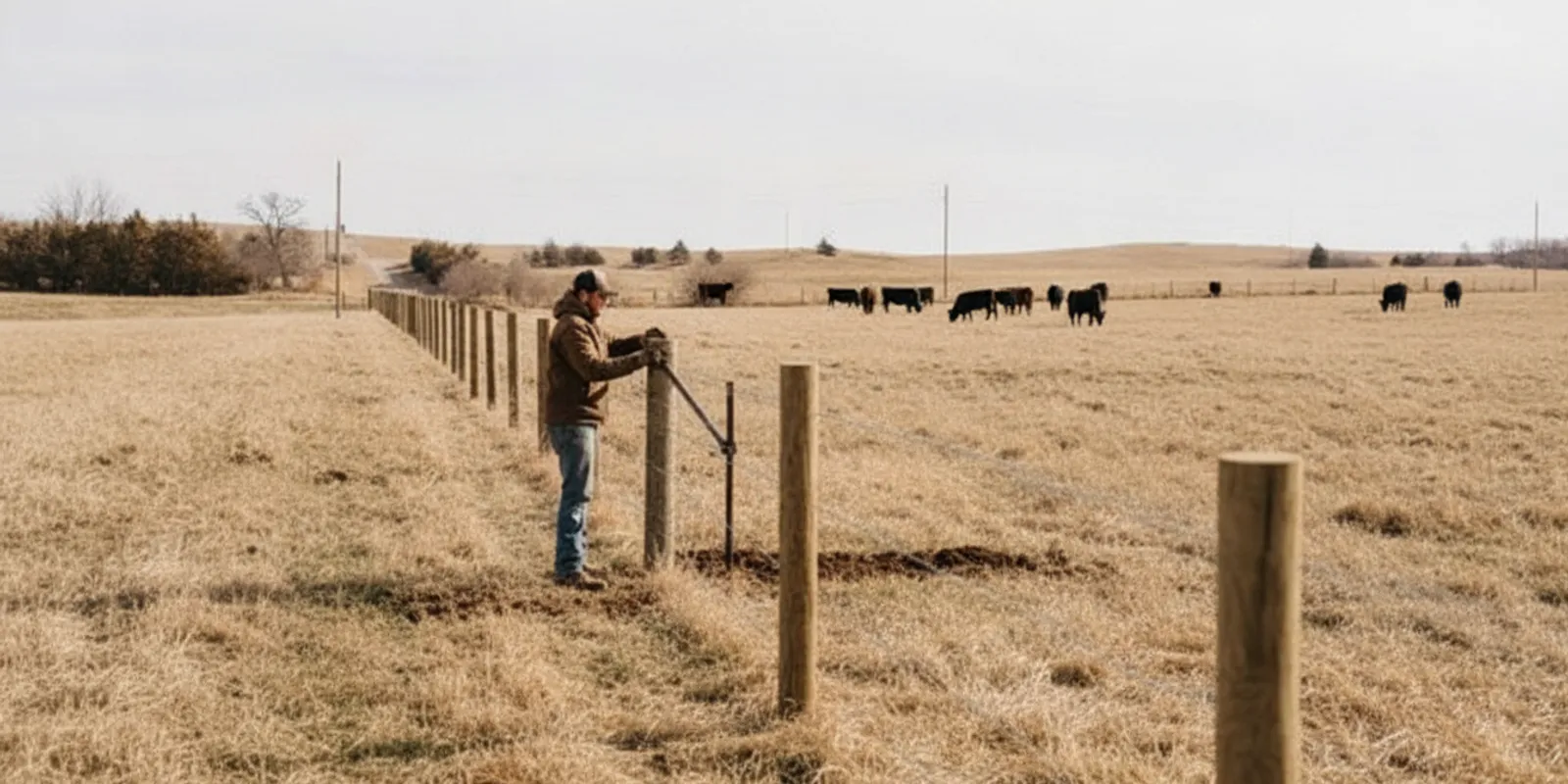
Think of your fence posts as the foundation of the entire structure. If they aren't solid, nothing else will be. For a standard 6.5-foot T-post, a good rule of thumb is to drive it about 2.5 feet into the ground. However, this isn't a one-size-fits-all rule. If you're working with softer soil, you'll need to go deeper to ensure the post can withstand pressure from livestock and the elements. The stability you create here will determine how well your fence holds up over time, so taking the extra effort to set posts correctly is an investment that always pays off.
Use Proper Bracing Techniques
Proper bracing is what gives your fence its strength, especially at corners, gates, and any change in direction. This is where the fence is under the most tension. While traditional T-post diagonal braces are common, modern techniques often provide far more stability. For example, using two lightweight panels for H-braces can create surprising strength and prevent the sagging and leaning that plagues weaker fences. You can see examples of sturdy, professionally built braces in our project gallery. Strong bracing ensures your wire stays tight and your fence line remains straight and effective for the long haul.
Get the Wire Tension Right
Achieving the correct wire tension is a bit of an art, but it's essential for a functional and long-lasting fence. If the wire is too loose, it won't effectively contain your livestock. If it's too tight, it can put excessive strain on your corner posts, leading to damage or failure, especially with temperature changes. For high-tensile wire, using specialized tools like a wedge board or a boundary strainer is necessary to get the tension just right without overdoing it. Getting this step perfect is one of the biggest advantages of working with a professional who has the right fencing equipment and experience.
Keep Your Fence Line Clear of Vegetation
Building a durable fence doesn't end once the last staple is driven. Long-term stability depends on regular maintenance, and that starts with the fence line itself. The biggest challenges to a good fence often come from livestock and vegetation. Fallen trees can crush a fence section in an instant, while overgrown brush and weeds can hide potential problems, short out electric wires, and hold moisture that rusts wire and rots wood posts. Making a habit of clearing your fence line at least once a year will prevent small issues from becoming major, costly repairs.
DIY vs. Hiring a Pro: Which Is Right for You?
Deciding whether to build your farm fence yourself or hire a professional is a major crossroads for any landowner. On one hand, a DIY project can save money and offer a sense of accomplishment. On the other, a professional installation guarantees quality and longevity, which is crucial for containing livestock and protecting your property. The right choice depends on the scale of your project, your personal skill set, your available time, and how much you value a long-lasting, worry-free fence. Let's break down when each approach makes the most sense for your farm.
When to DIY Your Fence Installation
Tackling a fence installation yourself can be a rewarding project if you have the right skills and a smaller area to cover. If you're comfortable with tools and have some experience with farm projects, a DIY approach gives you complete control over the schedule and materials. This path is often most practical for temporary fencing, smaller pastures, or repairs on an existing fence line. It allows you to save on labor costs, which can be a significant part of the budget. However, be realistic about the time commitment. Properly setting posts, stretching wire, and building braces is physically demanding work that requires precision. If you have the time and the know-how, building your own fence can be a fulfilling way to improve your property.
Why Professional Installation Pays Off
For large properties, challenging terrain, or if you simply need a fence built to last without the headache, hiring a professional is a smart investment. A professional crew has the specialized equipment and experience to handle any challenges, from rocky soil to uneven ground, ensuring your fence is installed correctly from the start. This expertise is what makes a fence durable for decades, reducing the likelihood of costly repairs down the road. An experienced contractor can also help you select the right materials for your specific livestock and the Nebraska climate, preventing expensive mistakes. While it costs more upfront, a professional installation provides peace of mind that your fence is secure, effective, and built to withstand the elements, protecting your animals and your investment.
Is It Time to Repair or Replace Your Fence?
Even the sturdiest farm fence faces a tough life here in Nebraska. Between determined livestock, harsh weather, and the simple passage of time, wear and tear are inevitable. Eventually, you’ll face the big question: is it time for a simple repair, or are you looking at a full replacement? Making the right call can save you a lot of headaches and money down the road. A fence that can't do its job is more than an inconvenience; it's a risk to your animals and your operation.
Knowing what to look for is the first step. A quick walk along your fence line can tell you a lot if you pay attention to the right details. The integrity of your fence comes down to a few key components: the strength of your bracing, the tension in your wires, and the condition of the posts and the surrounding fence line. If you spot one or two minor issues, a repair might be all you need. But if you start seeing the same problems pop up again and again along the line, it’s a strong sign that a bigger solution is needed. Let's break down exactly what you should be looking for.
Spot Poor Bracing and Sagging Wires
Your fence’s bracing is its anchor. If the corner and end braces are failing, the rest of the fence doesn't stand a chance. Look for posts that are leaning, pulling out of the ground, or have loose brace wires. Give them a good push; a solid brace shouldn't budge. Sagging or loose fence wires are another major red flag. This means the tension is gone, and the fence is no longer an effective barrier for your livestock. Regular maintenance is crucial, as the biggest challenges to a good fence often come from pressure from animals and encroaching vegetation, both of which can lead to sagging and weakened structures over time.
Check for Overgrowth and Fence Line Damage
A clear fence line is a healthy fence line. Trees, thick brush, and fallen limbs are some of the biggest culprits behind fence damage. Overgrowth can hide problems like broken posts or rusted wire, and falling branches can snap wires or crush entire sections of your fence. Keeping your fence line clear not only prevents damage but also makes inspections and repairs much easier. A well-maintained fence line is the simplest way to save money and reduce stress. If you're struggling to get ahead of the brush, professional fence line cleaning can quickly restore your boundary and make your property much easier to manage.
Know When to Repair vs. Replace
Deciding between a patch job and a total overhaul comes down to the extent of the damage. If you have one or two broken posts or a single section of sagging wire, a targeted repair makes sense. However, if you're walking the line and see widespread issues like rotting posts every few feet, extensive rust, or multiple braces failing, you're fighting a losing battle. A fence with systemic problems will continue to fail in new spots, costing you more in time and materials in the long run. When a fence has reached the end of its useful life, the most economical choice is a full replacement. If you're unsure, it never hurts to get a professional opinion to help you weigh your options.
How to Maintain Your Farm Fence Year-Round
A sturdy fence is a long-term investment, but it isn't a "set it and forget it" project. Just like any other essential piece of farm equipment, your fence needs regular attention to perform its best. Consistent, year-round maintenance is the secret to extending its lifespan, keeping your livestock secure, and saving yourself from the headache of major, unexpected repairs. Think of it as a simple routine that protects your property and your bottom line. The biggest challenges to a good fence usually come from livestock pressure and overgrown vegetation. A practical farm fencing guide reminds us that good fences are not just about boundaries; they are critical to your farm's efficiency. By staying on top of small issues, you can prevent them from turning into costly problems that disrupt your operations. A well-maintained fence not only works better but also keeps your entire property looking sharp and managed. This proactive approach is the simplest way to save money, reduce stress, and ensure your fence stands strong against the Nebraska elements for years to come. Let's walk through a practical maintenance plan you can follow through the seasons.
Your Routine Inspection Checklist
Walking your fence line should be a regular part of your routine, maybe once a season or after a major storm. This isn't about looking for huge failures; it's about catching the small stuff early. During your walk, keep an eye out for sagging or broken wires, loose staples, cracked insulators, and wobbly posts. Pay special attention to your brace assemblies, as they are the foundation of your fence's strength. Also, look for areas where livestock might be pushing against the fence repeatedly. Addressing these minor issues promptly is the easiest way to avoid a much bigger, more expensive fix down the road. A quick repair now can prevent a whole section of fence from failing when you least expect it.
Clean and Clear Your Fence Line
To maintain your fence effectively, you need to be able to see it clearly. Overgrown weeds, brush, and fallen tree limbs do more than just hide potential problems. They can trap moisture against posts, causing them to rot faster, and create a fire hazard during dry spells. Heavy branches can also fall and damage the wire or posts. Make it a habit to keep the area around your fence clear of debris and vegetation. A clear fence line not only makes your inspections easier but also prevents unnecessary strain and damage. If the overgrowth has become too much to handle on your own, our team offers professional fence line cleaning to get things back in order quickly.
Handle Common Fence Repairs
Even the best-built fences will need repairs from time to time. Common fixes include tightening loose wires, replacing broken insulators, or splicing a snapped wire. It’s a good idea to keep some basic fencing tools and extra materials on hand for these small jobs. Addressing minor repairs as soon as you spot them can prevent larger issues from developing. For example, one loose wire can lead to others sagging, compromising the entire section. While many small fixes are manageable, some problems require a professional touch. If you notice significant damage to posts or that your bracing is failing, it’s best to contact a professional. A well-built fence should last for decades, and proper repairs are key to reaching that lifespan.
Considering Custom Corrals or Specialty Fencing?
Sometimes a straight line of barbed wire just won’t cut it. Your operation might have unique needs that call for a more tailored approach, and that’s where custom corrals and specialty fencing come in. If you're looking for a safer, more efficient way to handle your animals, a purpose-built setup can make a world of difference. A well-designed corral system considers your specific livestock's behavior, making sorting, loading, and vet checks smoother and less stressful for everyone involved.
Beyond corrals, you might need specialty fencing to address specific challenges on your property. As experts from the University of Georgia point out, the right fence truly depends on the livestock you're managing and the layout of your land. For example, electric fencing can be a flexible and budget-friendly option to keep persistent wildlife out of your crops. Woven wire is another great choice for containing smaller animals like sheep and goats, providing a secure barrier they can't easily slip through.
The truth is, a one-size-fits-all solution for farm fencing simply doesn't exist. Every pasture, herd, and goal is different. That's why we specialize in creating custom-built corrals and fencing systems designed for the realities of your Central Nebraska farm. By thinking through your specific needs, from animal flow to predator pressure, you can invest in a system that not only works but lasts for years to come.
How to Get the Best Fence for Your Budget
Getting a durable, reliable fence doesn't have to mean draining your bank account. A smart approach to budgeting focuses on long-term value, not just the upfront price tag. By planning your material purchases, choosing the right partner for the job, and understanding local factors, you can build a fence that secures your property and fits your financial plans. It’s about making strategic choices that pay off for years to come.
Save Money by Buying Materials in Bulk
If you're tackling a large fencing project or planning to do the work yourself, buying materials in bulk is a straightforward way to cut costs. Many suppliers offer discounts for larger quantity purchases, which can add up to significant savings on posts, wire, and hardware. Planning ahead to buy everything at once also saves you time and fuel by reducing trips to the store. This ensures you have all the necessary fencing supplies on hand, keeping your project on track and preventing costly delays.
What to Look for in a Fencing Contractor
When you hire a professional, you're investing in their expertise. While it’s tempting to go with the lowest bid, it’s crucial to prioritize quality and customer satisfaction. A poorly built fence will only lead to more expenses down the road in repairs and replacements. Look for reliable fence contractors with a proven track record in Central Nebraska. Ask for references, look at photos of their past projects, and read reviews. A trustworthy contractor will be transparent about costs and confident in the durability of their work, giving you peace of mind that your investment is secure.
Work With a Local Fencing Pro in Central Nebraska
A local professional brings more than just tools to the job; they bring an understanding of the area. They know the specific challenges of Nebraska's soil and weather and how to build a fence that withstands them. A local expert can also help you follow all local fencing laws, which can often be found through your county's agricultural department. Working with someone who knows the region ensures your fence is not only built to last but also fully compliant. If you want an expert opinion tailored to your land, it’s always a good idea to contact a local pro.
Get Your Professional Farm Fence in Central Nebraska
Choosing the right fence for your farm in Central Nebraska is a big decision. The best fence for your property depends entirely on your specific needs, from the type of livestock you're raising to the crops you need to protect. A fence that works for containing cattle might not be the best choice for keeping horses safe, and the unique soil and weather conditions here in Nebraska add another layer to consider. Investing in the right farm fencing from the start makes all the difference for your animals' safety and your farm's overall productivity.
A well-built fence does more than just keep your livestock in; it protects your entire property from predators and unwanted visitors. But getting it right means more than just picking the right materials. Proper installation, with sturdy bracing and correct wire tension, is what ensures your fence will stand strong for years to come. This is where working with a local professional really pays off. Someone who understands the challenges of our region can help you select and install a fence that's built to last.
If you're in Greeley, Buffalo, or Hall County, you need a fencing partner who knows the land. We specialize in building durable fencing solutions like barbwire, hi-tensile, and continuous fences that are perfectly suited for Central Nebraska farms. We handle everything from the initial fence line clearing to the final installation, ensuring your fence is built correctly and efficiently. When you're ready to secure your property, reach out to us to discuss a fence that protects your investment and gives you peace of mind.
Frequently Asked Questions
What's the best all-around fence for Nebraska's tough weather? For durability against our weather, it's hard to beat a properly installed hi-tensile fence. Its ability to flex with temperature changes prevents the sagging you see with other wire types. However, the material is only half the battle. The real key to a long-lasting fence is professional installation, especially solid bracing at the corners and ends. A well-built fence, regardless of the specific material, is one where the posts are set deep and the bracing is strong enough to handle wind, snow, and pressure from livestock.
My land isn't flat. How does uneven terrain affect my fencing project? Hilly or uneven terrain presents a challenge, but it doesn't limit your options as much as you might think. The main focus is on proper installation. On slopes and in low spots, posts need to be set correctly to maintain consistent wire height and tension. This often requires professional site preparation, like dirt work or clearing the fence line, to create a stable path. A professional installer knows how to adapt the fence to the contours of your land, ensuring it remains effective and doesn't have weak spots that animals can exploit.
Is it more cost-effective to repair my old fence or just replace the whole thing? This really comes down to the scale of the problem. If you have a few isolated issues, like a single broken post or one section of loose wire, a repair is your best bet. But if you're seeing widespread, recurring problems such as multiple rotting posts, extensive rust, or failing braces all along the line, you're likely facing a systemic failure. In that case, continuing to patch it will cost you more in time and money in the long run. A full replacement is a bigger upfront investment, but it's the more economical choice when a fence has reached the end of its life.
I have both cattle and smaller livestock. Can one type of fence work for all of them? Yes, you can definitely find a single solution for mixed livestock. Woven wire is an excellent choice for this situation. It's designed with smaller openings at the bottom to contain smaller animals like sheep or goats, while the height and strength are sufficient for containing cattle. It's also a much safer option than barbed wire for all types of animals. Combining woven wire with a top strand of electric wire can also be a very effective strategy to keep everyone in and secure.
How much maintenance does a new, professionally installed fence really need? A new fence built with quality materials and expert installation requires surprisingly little maintenance, which is one of its biggest benefits. Your main task will be to walk the fence line a couple of times a year, especially after major storms, to check for any minor issues like a broken insulator or a fallen tree limb. Keeping the fence line clear of heavy brush and vegetation is also important. This proactive approach prevents small problems from becoming big ones and is the key to making your investment last for decades.
Comments