
A Farmer's Guide to Continuous Cattle Fence

Updated: 6 days ago
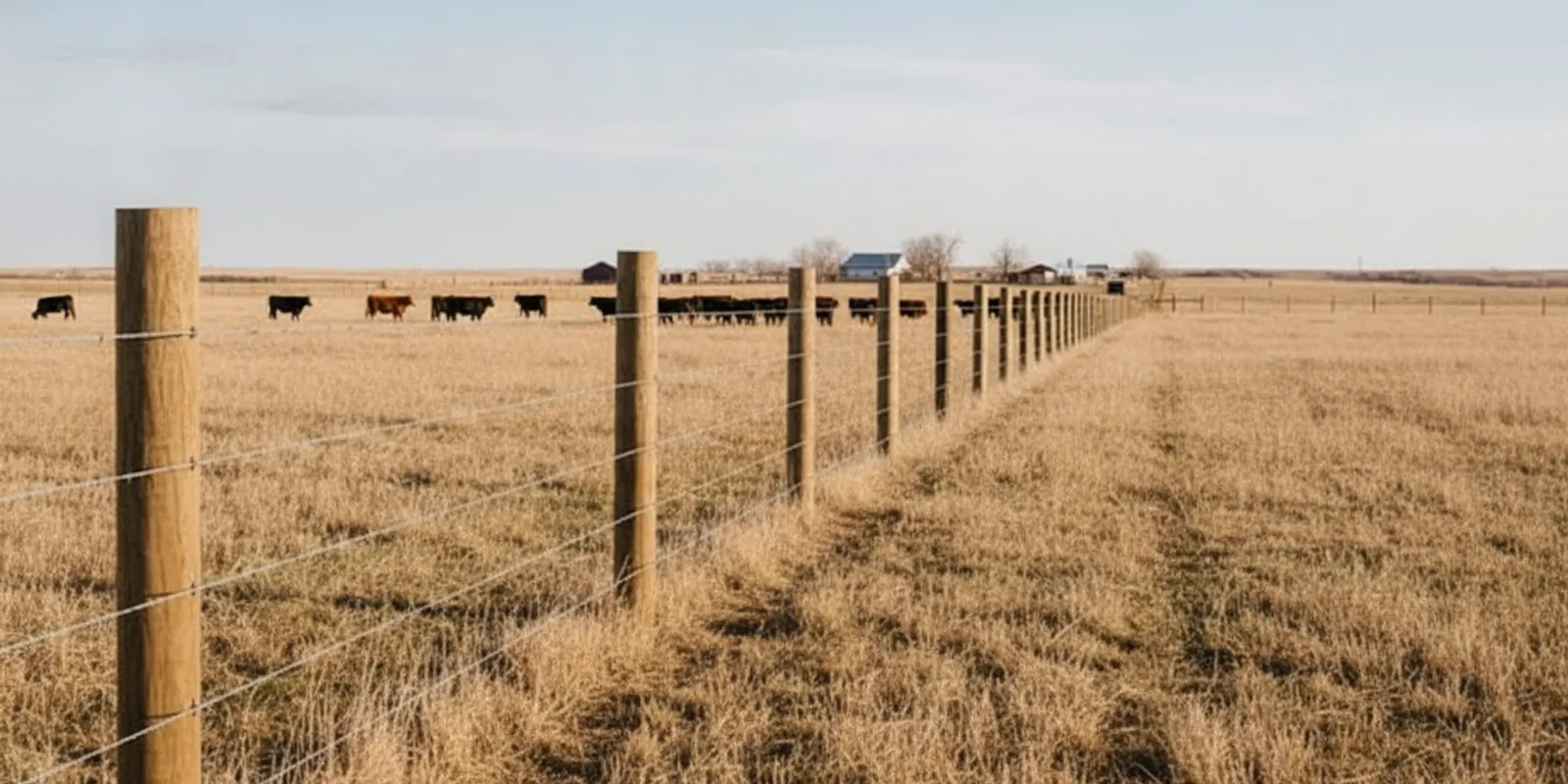
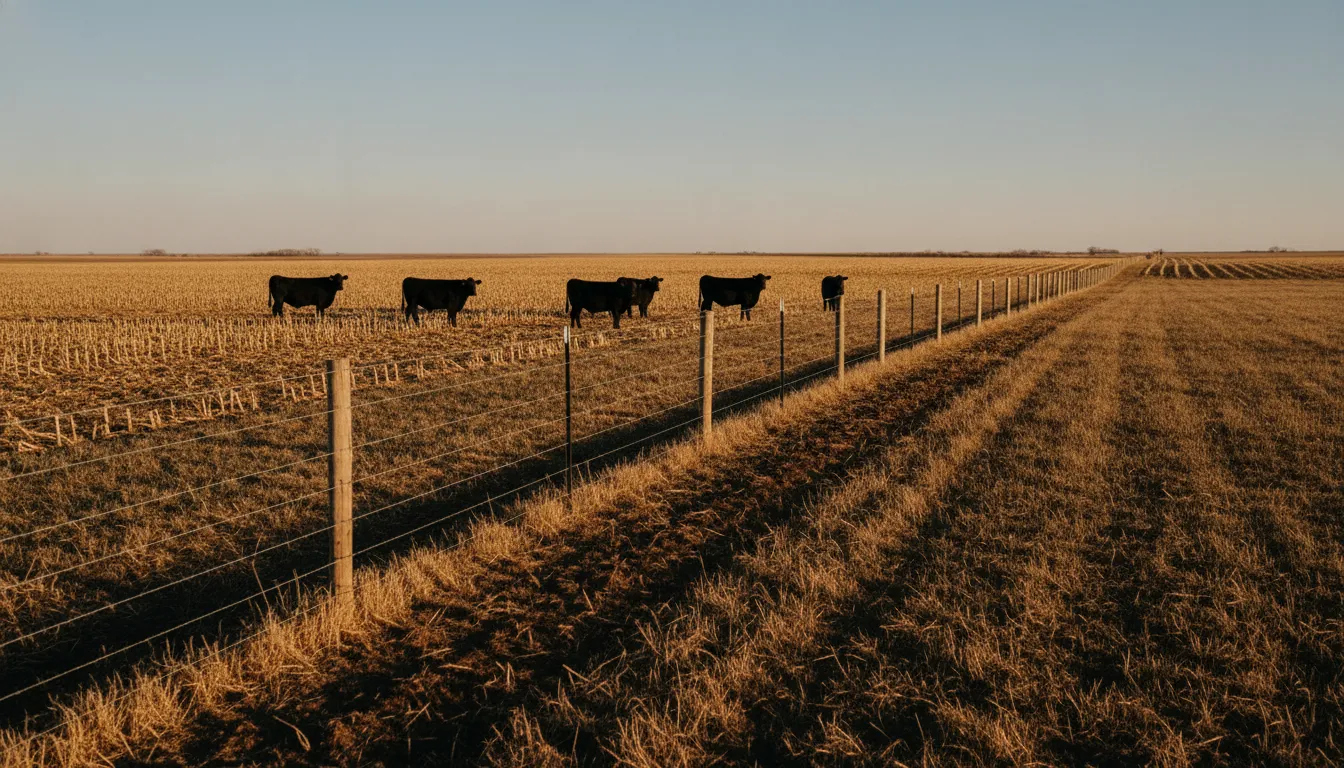
Your fence line is one of the hardest-working parts of your farm, but it shouldn't be the source of your hardest work. If you’re tired of spending valuable time re-stretching wire, replacing broken posts, or worrying about the safety of your herd, it might be time for a different approach. A fence should provide security and peace of mind, not a constant list of repairs. This is where a continuous cattle fence comes in. It’s a modern, heavy-duty solution designed for strength and longevity with minimal upkeep. This guide will walk you through what makes this system so durable and why it’s becoming the preferred choice for farmers who value their time.
Key Takeaways
- Prioritize Safety with a Solid Barrier
: Continuous fencing uses smooth steel panels to create a strong, visible barrier, which helps prevent the cuts and scrapes common with wire fences and keeps your herd secure.
- Invest Smartly for Long-Term Value
: While the initial cost can be higher, continuous fencing pays for itself over time through minimal maintenance and repairs, making it a cost-effective solution for high-traffic areas like corrals and pens.
- Ensure Longevity with Proper Installation and Upkeep
: A professional installation with solid posts and bracing is critical for durability; after that, simple, regular maintenance like clearing debris and fixing minor issues will keep your fence strong for decades.
What Is Continuous Cattle Fencing?
If you’re looking for a fencing solution that’s quick to install, looks great, and is built to last, continuous cattle fencing might be exactly what you need. It’s a popular choice for corrals, pens, and property lines because it offers a strong, reliable barrier with a clean, uniform appearance. Instead of building a fence from scratch with individual posts and wires, this method uses pre-fabricated steel panels that connect to create a seamless fence line. This approach simplifies installation and results in a durable structure that can handle the pressures of containing livestock.
How It's Different From Traditional Fences
Unlike traditional fencing that requires stretching wires and careful tensioning, continuous fencing is designed for a straightforward installation and a consistent look. The steel panels are built to connect seamlessly, creating a smooth, solid line without the gaps or sagging you might see in other fences over time. This not only provides a secure enclosure for your cattle but also adds a sharp, professional look to your property. Because the panels are uniform and designed to fit together perfectly, you get a fence that requires less upkeep while maintaining its strength and appearance for years. You can see examples of this clean, sturdy look in our project gallery.
Understanding the Materials and Panels
Continuous fence panels are built for heavy-duty use. They are typically made from strong 14-gauge steel tubing, which is thick enough to withstand pushing from cattle without bending or breaking. These panels usually come in 20-foot lengths and are available with four, five, or six horizontal rails. The number of rails you choose often depends on the type of livestock you’re containing; for example, six-rail panels are great for keeping smaller calves from slipping through. The key is that these panels are engineered for strength and longevity, making them a reliable part of our fencing services.
Options for a Custom Layout
One of the best features of continuous fencing is its flexibility. The panel system allows you to design a layout that fits the unique needs of your farm. Whether you’re building complex corrals, creating sorting pens, or simply fencing a pasture, the panels and connectors make it possible to follow property lines and work around obstacles. The system includes all the necessary components, like connectors and clips, to join the panels securely and create a sturdy, customized enclosure. For a layout tailored specifically to your operation and terrain, it’s always a good idea to contact a professional to help you plan the project.
Why Choose Continuous Fencing for Your Farm?
When you're running a farm in Central Nebraska, you need equipment that works as hard as you do. Your fencing is no exception. Continuous fencing is a popular choice for corrals, pens, and high-traffic areas for good reason. It’s a modern solution that combines strength, safety, and a clean look that adds value to your property. Unlike traditional fences that can require constant upkeep, continuous panels are designed to stand strong for years with minimal effort on your part.
Choosing the right fence is a big decision, but the benefits of a continuous system are clear. It’s an investment in your operation’s efficiency and your animals’ safety. From withstanding our unpredictable weather to saving you time on repairs, this type of fencing addresses many of the common headaches farmers face. It’s about giving you peace of mind, knowing your livestock are secure and your property is protected by a fence built to last.
Built to Withstand Nebraska Weather
Here in Nebraska, we know the weather can turn on a dime. From powerful winds and heavy snow to intense summer sun, your fence needs to handle it all. Continuous fencing is made from heavy-gauge steel panels that are welded together, creating a rigid and incredibly durable barrier. This solid construction means it won't sag or stretch over time like wire can.
These fencing panels are designed to be a long-lasting solution for livestock containment. Because the panels are connected directly to sturdy posts, the entire system works together to resist pressure from wind, snow drifts, or a leaning herd. You can rest easy knowing your fence won't fail you during a blizzard or a summer thunderstorm, keeping your animals safely contained no matter what the forecast brings.
A Safer Option for Livestock and People
The well-being of your herd is a top priority, and your fencing plays a huge role in their safety. Continuous fencing provides a smooth, solid barrier with no sharp points or loose wires that can injure an animal. Cattle are less likely to get cuts, scrapes, or get tangled up, which is a common risk with barbwire. The strength of these panels is also a major safety feature. A well-built continuous fence can easily handle the pressure of large, heavy animals.
This design is safer for you and your family, too. When you’re working in the corrals, you don’t have to worry about snagging your clothes or getting scratched by a stray wire. You can see some great examples of how clean and secure these systems look in our project gallery. The smooth lines and sturdy build create a secure environment for everyone on the farm.
Spend Less Time on Maintenance
Every farmer knows that time is one of your most valuable resources. The less time you spend fixing fences, the more time you have for other critical tasks. Continuous fencing is famously low-maintenance. Once it's installed correctly with proper bracing, it stays put. There’s no need for the constant tightening, re-stretching, or replacing of staples that wire fences demand.
While all fences benefit from occasional checks, the durable steel construction of continuous panels means you’ll have far fewer repairs. You won't be dealing with sagging lines or broken wires after a storm. This reliability not only saves you labor but also reduces the long-term material costs associated with frequent fixes. Our professional fence installation services ensure your fence is built right from the start, setting you up for years of hassle-free performance.
A Cost-Effective Long-Term Solution
While the upfront cost of continuous fencing might be higher than some wire options, it’s one of the most cost-effective solutions in the long run. When you think about the total cost of ownership, you have to consider longevity and maintenance expenses. The best fence for your cattle is one that fits your budget while offering durability and a long lifespan. Continuous fencing checks all those boxes.
Because it’s so durable and requires minimal maintenance, you won't be spending money on replacement materials or labor for frequent repairs. A fence that lasts for decades is a much smarter investment than a cheaper one you have to replace every few years. By choosing a high-quality, long-lasting system, you’re making a sound financial decision that adds lasting value to your farm.
Is Continuous Fencing Right for Your Operation?
Deciding on the right fencing comes down to your specific needs, your land, and the animals you’re managing. Continuous fencing is a fantastic investment, but it’s smart to weigh its benefits against other options to make sure it’s the best fit for your farm or ranch. It’s all about finding a solution that keeps your cattle safe, makes your work easier, and fits your budget for the long haul.
When you’re thinking about a new fencing project, consider how you use your pastures and what kind of pressure your herd puts on the barriers. Thinking through these factors will help you land on a fence that works as hard as you do.
Consider Your Pasture and Herd Size
The first thing to look at is your operation's scale and intensity. Continuous fencing is incredibly strong, making it a top choice for areas that see a lot of animal traffic. Think about your working pens, corrals, and smaller pastures where cattle are more likely to lean, push, and test their boundaries. Because cattle require strong, durable fences that can handle their weight, the solid steel construction of continuous panels is ideal for these high-pressure zones.
For vast, open pastures stretching across many acres, other fencing types might be more practical from a cost-per-foot perspective. However, for calving pens, feedlots, or alleyways, the safety and durability of continuous fencing are tough to beat. It provides a clear, solid barrier that minimizes stress on your animals and gives you peace of mind.
Continuous vs. Barbwire and Hi-Tensile Fencing
Every fencing material has its place on a modern farm. While barbwire has been a go-to for generations and hi-tensile wire offers a strong perimeter for large areas, continuous fencing brings a different set of advantages. The biggest difference is safety. The smooth steel panels reduce the risk of cuts and scrapes that can happen with wire fences, protecting your valuable livestock from injury.
This visual barrier is also a huge plus. Cattle can easily see a continuous fence, which discourages them from testing it in the first place. While we install all types of agricultural fencing, we often recommend continuous panels for working areas where safety and animal handling are the top priorities. It’s about matching the right fence to the right job to keep your operation running smoothly.
How to Choose Quality Panels
Not all continuous fence panels are created equal. When you’re ready to invest, it’s important to know what to look for. The quality of the steel and the construction will determine how long your fence lasts and how well it stands up to your herd and the Nebraska weather. Pay close attention to the gauge of the steel; a heavier gauge means a stronger, more durable panel.
Also, inspect the welds. Clean, consistent welds are a sign of quality craftsmanship and are crucial for the panel's overall strength. Finally, consider factors like height and spacing to ensure the panels are right for your specific animals. A fence designed for mature bulls will look different from one meant for calves. Working with an experienced installer ensures you get high-quality materials built to last.
How to Install a Continuous Cattle Fence
Installing a continuous fence is a straightforward process, but doing it right from the start saves you headaches down the road. A solid installation ensures your fence will stand strong for years, keeping your livestock secure and your property looking sharp. It all comes down to careful planning and attention to detail at each step, from mapping your layout to securing the final panel. Taking the time to build a strong foundation will pay off season after season.
Plan Your Layout for Efficient Grazing
Before you dig the first post hole, grab a notepad and walk your pasture. A good fence layout is about more than just marking a boundary; it’s a tool for managing your land. Think about how you move your cattle and where you need gates for easy access to water, feed, and different grazing areas. A well-designed fencing system can improve grazing efficiency by making rotational grazing simpler. Consider the terrain and any future plans for the pasture. A thoughtful plan at this stage is a major investment in your farm’s productivity and will save you time and money.
Set Your Posts for a Strong Foundation
Your fence is only as strong as its posts. For a continuous fence, setting sturdy posts is the critical first step. You’ll need to anchor your corner posts deep and secure, as they bear the most strain. Line posts can be spaced farther apart than with other fence types, but they still need to be solid. Whether you use wood or steel, make sure your posts are set straight and at a consistent height to give your fence a clean, professional look. You can see examples of properly set posts in our project gallery. A strong foundation prevents sagging and ensures your fence can handle pressure from livestock and the elements.
Connect and Secure the Fence Panels
Once your posts are set, it’s time to connect the panels. Continuous fencing panels are designed to be a fast and simple solution for creating a durable barrier. The panels are attached to the posts using special clips or by welding them directly to the posts for maximum strength. It’s important to ensure every connection is tight and secure. Check that there are no gaps where a calf could get stuck or a determined cow could push through. This step creates the long, seamless line that gives this fence its name and its strength.
Brace and Tension for Lasting Durability
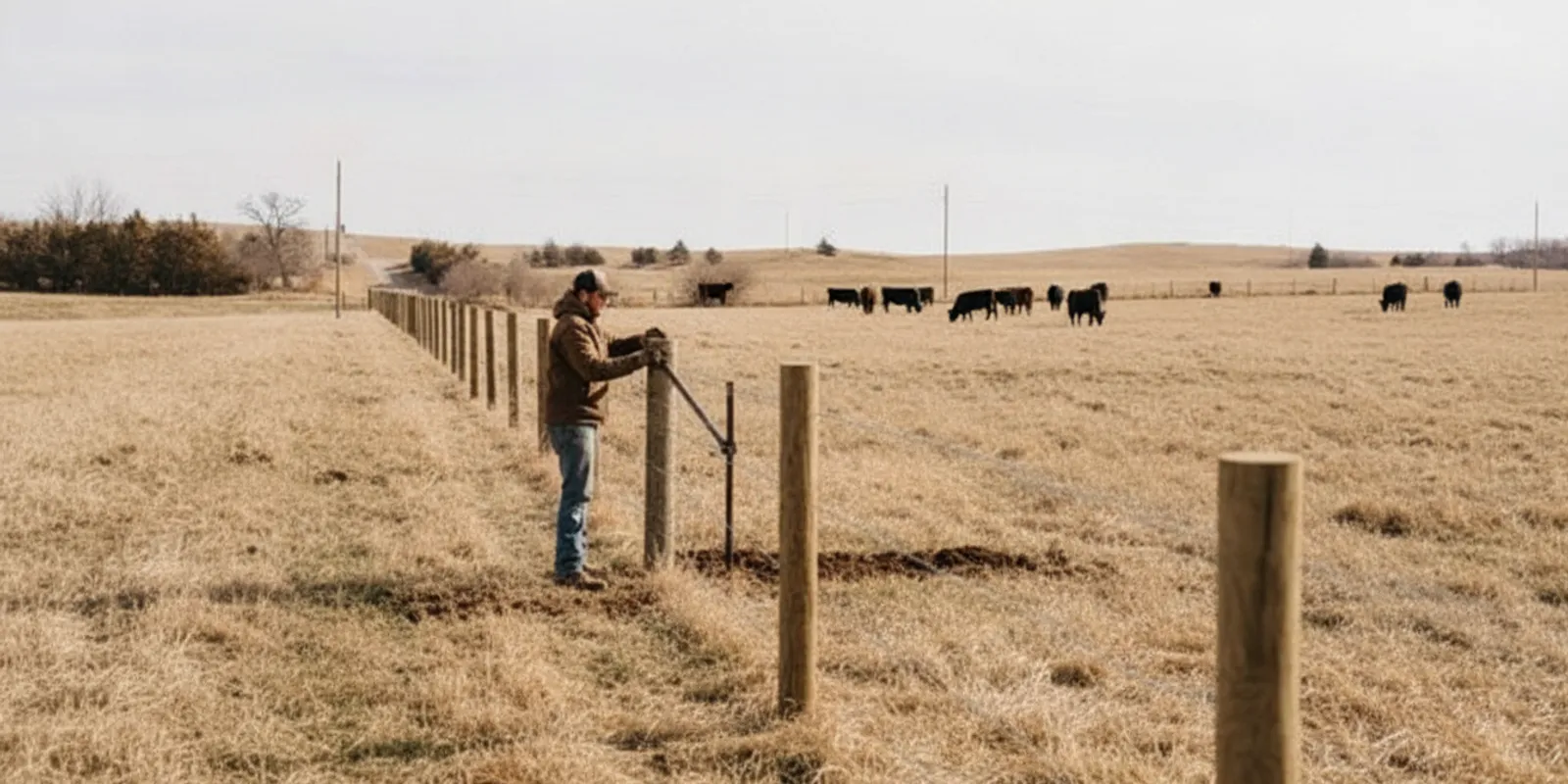
Proper bracing is what gives your fence the backbone it needs to last. At every corner, end, and long stretch, you need solid bracing to handle the tension and prevent the posts from leaning. H-braces are the standard for a reason; they distribute the force and keep your fence line tight for decades. In Nebraska, where the ground freezes and thaws, strong bracing is non-negotiable. While you can build a continuous fence yourself, professional fence installation ensures the bracing and tension are perfect, giving you a fence that’s built to withstand anything your livestock or the weather throws at it.
Maintain Your Continuous Fence Like a Pro
Continuous fencing is known for its strength and low upkeep, but a little proactive care goes a long way in protecting your investment. Think of it like changing the oil in your truck; a few simple, regular habits can prevent major headaches and costly repairs down the road. By spending a little time on maintenance throughout the year, you ensure your fence remains a reliable asset for your operation, keeping your livestock secure and your pastures in order for years to come. These straightforward steps will help you keep your fence in top condition.
What to Look For in Regular Inspections
Walking your fence line a few times a year is one of the best things you can do to catch issues early. During these walks, keep an eye out for a few key things. Check your posts for any signs of cracking, rot, or movement in the ground; a strong fence needs a solid foundation. Look over the continuous panels for any loose welds, bent rails, or significant rust. Also, inspect the clips and fasteners that hold the panels to the posts, tightening any that have worked their way loose. A useful inspection routine also includes testing your gates to make sure the hinges and latches are strong and functioning properly.
Keep Your Fence Line Clear of Debris
A clear fence line is a healthy fence line. Over time, overgrown brush, weeds, and fallen tree limbs can put constant pressure on your fence, causing panels to bend or even break. In the winter, heavy, drifting snow can create similar stress. Regularly clearing vegetation not only protects the structure of the fence but also improves visibility, making it easier to check on your livestock and spot potential problems from a distance. If you have significant overgrowth, professional fence line cleaning can quickly restore your perimeter and make future upkeep much simpler.
Fix Minor Damage Before It Worsens
It’s always better to tackle small problems right away than to let them turn into big ones. Catching a loose clip or a slightly bent rail in the spring might only cost you ten minutes and a simple tool. Ignoring it until a whole section is leaning could cost you a full day and hundreds of dollars in materials. This practical farm guide to fence longevity emphasizes that small, consistent repairs are far more effective than infrequent, major fixes. Keeping a small toolkit with pliers, a wrench, and extra fasteners handy during your inspections makes it easy to handle these minor issues on the spot.
When to Call for Professional Help
While you can handle most minor upkeep yourself, some jobs are best left to the pros. If you’re facing widespread damage from a storm, have multiple posts that are heaving, or notice that a long stretch of fence has lost its tension, it’s time to call for professional help. A well-built fence is a major investment in your farm’s efficiency, and trying to fix major structural issues without the right equipment can lead to bigger problems. Whether you need a major repair, a complete fence tear-out, or help planning a new layout, an experienced fencing contractor will ensure the job is done right.
Frequently Asked Questions
Is continuous fencing only for corrals, or can I use it for large pastures? Continuous fencing is strongest and most effective in high-pressure areas. It’s the perfect choice for corrals, pens, alleyways, and smaller pastures where your cattle are frequently contained. For vast, open pastures, many farmers find it practical to use continuous fencing for the working areas and then transition to a different type, like hi-tensile wire, for the long perimeter lines. This approach gives you strength where you need it most while managing the overall project cost.
How many rails do I need for my fence panels? The number of rails you choose depends on the type of livestock you have. For containing calves or smaller animals, a six-rail panel is a great choice because the smaller gaps prevent them from slipping through. A five-rail panel is a versatile, all-around option suitable for most mixed herds. If you are only fencing mature cattle, a four-rail panel can sometimes be sufficient, but it’s always best to consider the specific needs of your operation.
What really makes continuous fencing a safer option than barbwire? The main safety advantage comes from its design. Continuous panels have smooth, rounded steel rails with no sharp points or loose wires. This significantly reduces the risk of your cattle getting cuts, scrapes, or tangled, which are common injuries with barbwire fences. The solid, visible barrier also discourages animals from challenging the fence, creating a lower-stress environment for both the livestock and the people working with them.
Can I install a continuous fence myself? While it is possible to install a continuous fence on your own, the strength and longevity of the fence depend entirely on a proper installation. Setting posts correctly and ensuring the bracing is solid enough to handle Nebraska’s soil and weather are critical steps that require experience. A professional installation guarantees that your fence is built to last, saving you from future repairs and ensuring it can safely contain your herd from day one.
How much maintenance does a continuous fence actually need compared to a wire fence? A continuous fence requires significantly less upkeep. With wire fences, you often spend time re-stretching lines, replacing staples, and mending breaks. With a continuous fence, maintenance is more about periodic inspections. A few times a year, you’ll want to walk the fence line to check for any loose connections and clear away debris or heavy brush. You won't be dealing with the constant tensioning that other fence types demand.
Comments