
What's the Cost to Install a Barbed Wire Fence?

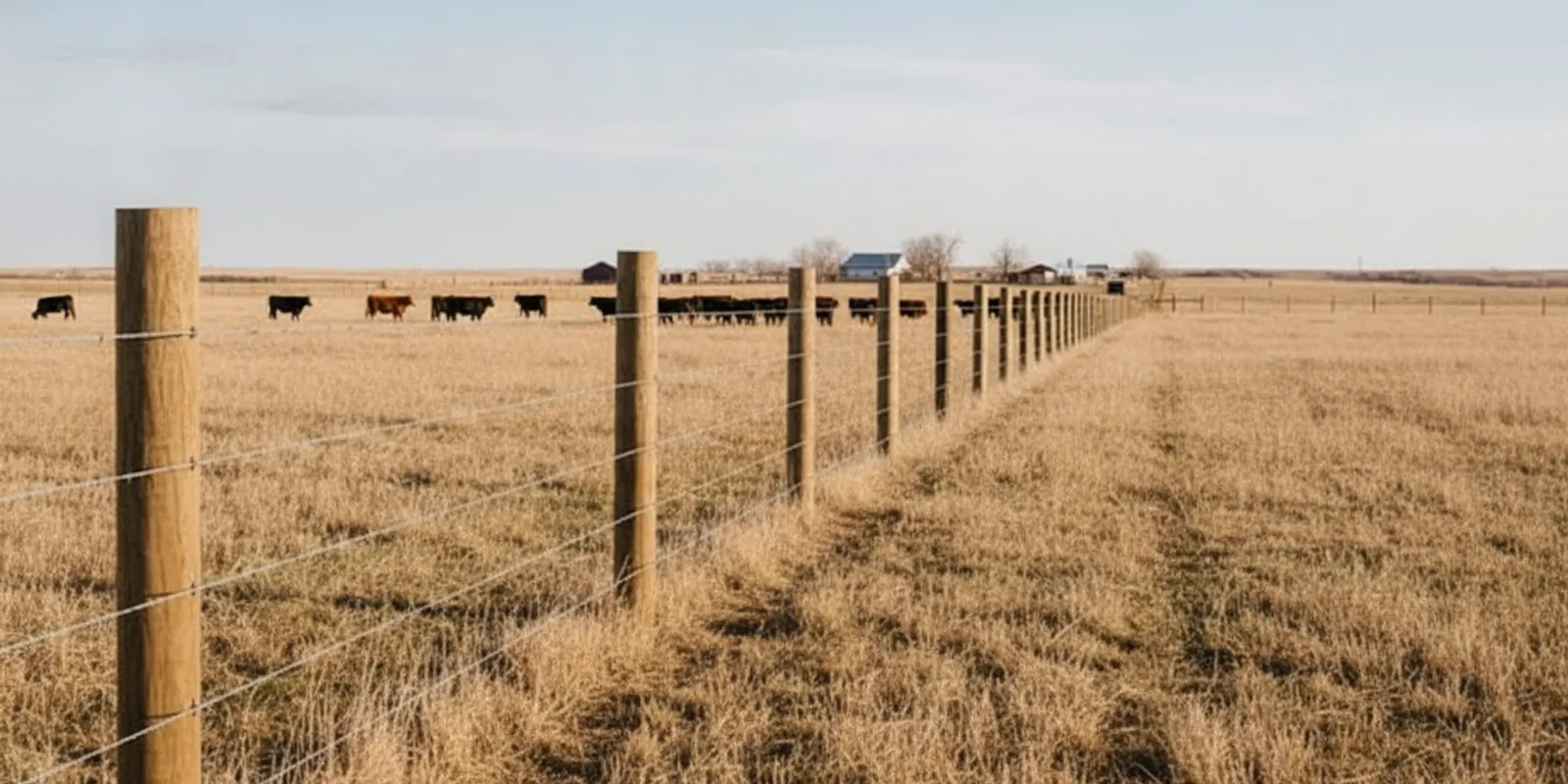
Fencing in Central Nebraska comes with its own set of challenges. From our rocky soil to the rolling hills and unpredictable weather, you need a fence that’s built to handle local conditions. When you’re planning your project, the cost to install barbed wire fence is directly tied to how well it’s designed for your specific piece of land. A fence that works on a flat, clear pasture might not hold up here. That’s why understanding the factors that influence your budget, like terrain and proper bracing, is so critical. This guide will walk you through the costs of building a fence that’s truly Nebraska-tough.
Key Takeaways
- Estimate Your Costs Realistically
: Expect to budget between $3 and $6 per foot for a professional installation, a price that adjusts based on material quality, the number of wire strands, and the unique terrain of your property.
- Weigh DIY vs. Professional Installation Carefully
: While a DIY project might seem cheaper, it often involves hidden costs like equipment rentals and fixing common mistakes. Hiring a professional ensures your fence is built correctly from the start, saving you time and money in the long run.
- Focus on the Fundamentals of a Strong Fence
: A fence's longevity depends on more than just wire; pay close attention to proper corner bracing, correct wire tension, and high-quality materials suited for Nebraska conditions to ensure your investment stands strong for years.
How Much Does a Barbed Wire Fence Cost?
Figuring out the budget for a new fence is a big first step. While the final price tag depends on your specific property and needs, we can break down the typical costs to give you a clear starting point. These numbers are a great way to get a general idea of what to expect for your project. Of course, the most accurate way to understand the investment for your land is to request a personalized quote.
Breaking Down the Cost Per Foot
When you’re looking at barbed wire fencing, it’s helpful to think in terms of cost per foot. Generally, you can expect to pay between $3 and $6 per linear foot for a professionally installed fence. This price usually covers both the materials and the labor involved. Several things can shift that number, like the quality of the wire you choose, the thickness of the wire, and the terrain of your property. Fencing on hilly, rocky ground will naturally require more labor than on a flat, clear pasture. These cost factors are important to consider as you plan your project.
How Wire Strands Affect Price
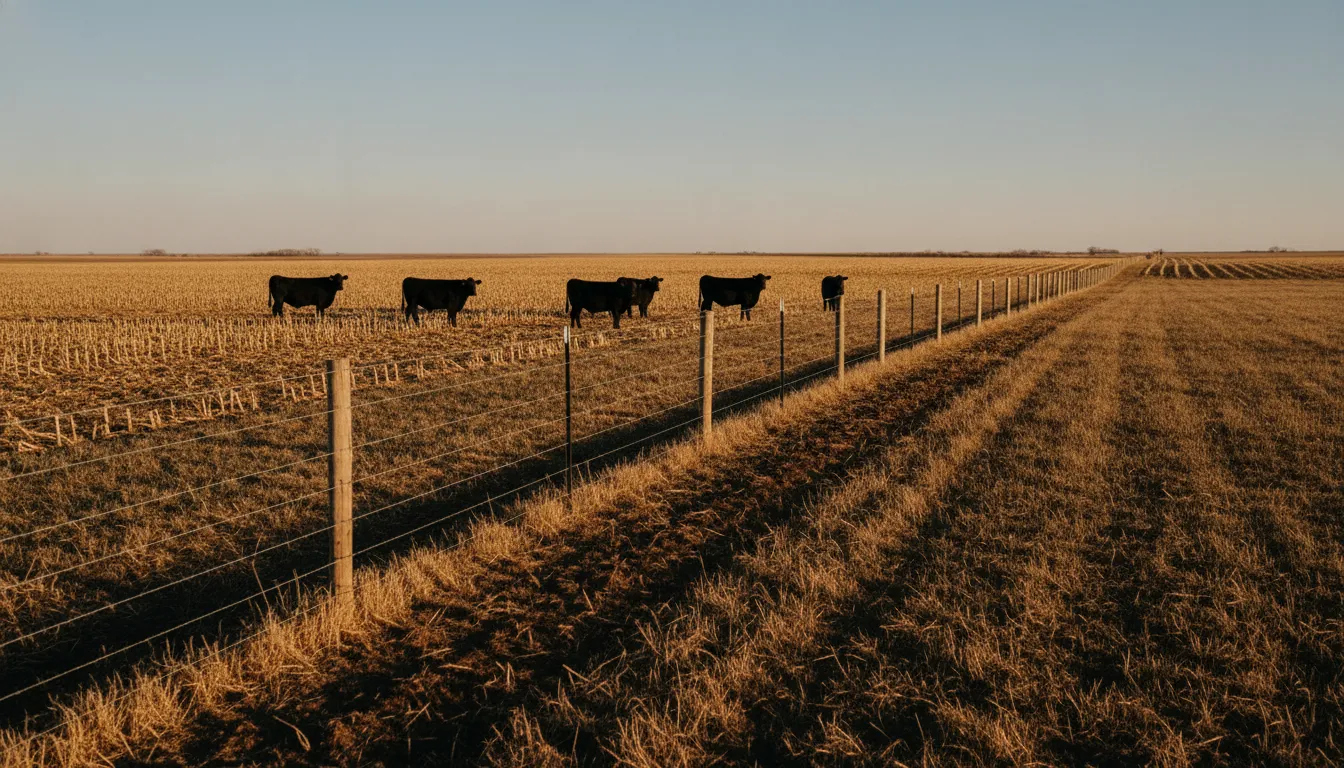
The number of wire strands you use is one of the biggest variables in your final cost. A standard 5- or 6-strand barbed wire fence, which is great for containing cattle, typically falls within that $3 to $6 per-foot range. Adding more strands increases material costs and the time it takes for installation, which will raise the price. Fewer strands will lower it. The key is to match the fence design to the type of livestock you're managing. What works for a small herd might not be enough for a larger operation, so it's a balance between security and your budget.
Estimating Your Total Project Cost
For larger properties, it can be easier to think about the cost per acre. On average, barbed wire fencing costs between $2,000 and $2,200 per acre. This is a general estimate, and the final price can change based on the total size of the job and the specific conditions of your land. For large-scale projects, working with a professional installer can be more efficient and effective in the long run. Our team has the right equipment and experience to handle the unique challenges of Nebraska terrain, ensuring your fencing services are done right the first time.
What Factors Change Your Fencing Cost?
When you’re budgeting for a new fence, the final number on the invoice depends on more than just the price of wire. Several key factors can influence your total cost, and understanding them ahead of time will help you plan a project that fits both your land and your budget. From the quality of the materials to the unique challenges of your property, here’s what you need to consider.
Wire and Material Quality
The quality of your wire and posts is one of the biggest variables in your fencing cost. While a standard roll of barbed wire can range from about $60 to $200, the price reflects differences in gauge, coating, and overall durability. It can be tempting to choose the less expensive option to save money upfront, but investing in higher-quality materials often pays off. A stronger, properly coated wire will better withstand Nebraska’s weather and the pressure from livestock, meaning you’ll spend less time and money on repairs in the long run. Think of it as a down payment on a fence that’s truly built to last.
Your Land's Terrain and Soil
Fencing a flat, clear pasture is straightforward, but Central Nebraska’s landscape isn’t always so simple. Rocky soil, rolling hills, and tree-filled fence lines can make installation more complex, which can increase labor and material costs. Difficult terrain may require specialized equipment or extra posts to ensure the fence line is secure and straight. This is where local knowledge really counts. We often perform dirt work and fence line clearing to create a clean, stable path, giving your new fence a solid foundation from the very first post. A fence designed for your specific property will always perform better.
Post Spacing and Bracing
A fence is only as strong as its foundation, and for barbed wire, that foundation is its posts and bracing. Proper post spacing, typically between 8 and 12 feet, ensures the wire stays tight and secure. However, the real key to a long-lasting fence lies in the corners and braces. One of the most common fencing mistakes is setting corner posts that are too shallow or aren't braced correctly. These posts are the anchors for the entire fence line. If they fail, the wires will sag and your fence will lose its integrity. Proper bracing is non-negotiable for keeping your livestock contained safely.
The Length of Your Fence Line
It’s no surprise that the total length of your fence is a major factor in the overall cost. Fencing a small paddock is a much different undertaking than enclosing a 100-acre pasture. However, the price per foot can sometimes decrease for larger projects because materials can be purchased in bulk, leading to savings. If you have a large property, planning the entire project at once is often more economical than fencing it in small sections over time. The best way to understand your total investment is to get a precise estimate based on your property’s exact measurements, which you can get by requesting a quote.
Don't Forget These Other Costs
When you budget for a new barbed wire fence, the cost of wire and posts is just the starting point. Several other factors can influence your final bill. Thinking about these additional expenses ahead of time ensures there are no surprises, giving you a clear and complete picture of your total investment. From preparing the land to long-term upkeep, let’s walk through the other costs you’ll want to consider.
Prepping the Fence Line
Before the first post goes in the ground, your fence line needs to be ready. If your property has dense brush, uneven terrain, or old debris, clearing and preparing the site is a necessary first step. The condition of your land can significantly affect installation time and labor costs. A clear, level path makes the job quicker and easier, while a challenging site requires more work. Our team handles professional fence line cleaning and dirt work to create the ideal foundation for a fence that’s built to last.
Removing an Old Fence
Have an old, failing fence that needs to go? Tearing down and hauling away an existing fence is another cost to factor into your project. This process involves not just the labor to dismantle the old wire and posts but also the proper disposal of the materials. Including this in your initial plan is key to getting an accurate quote. At Rapid Fence, we can manage the entire process for you by providing efficient fence tear-outs to make way for your new, durable installation.
Adding Gates and Other Features
Your fence is more than just a boundary; it’s a tool for managing your property and livestock. Adding features like gates, custom corners, or integrated corrals will naturally add to the total cost. The price will depend on the size, style, and materials you choose for these additions. Whether you need a simple walk-through gate or a complex system of custom-built corrals, planning for these features from the start helps ensure the final product meets your exact operational needs without breaking your budget.
Local Permits and Regulations
Before you begin construction, it’s always a good idea to check on local regulations for agricultural fencing. While rules are often less strict in rural areas like Hall or Greeley County compared to residential zones, it’s smart to confirm any specific requirements for your property. This simple step can save you from potential headaches, fines, or the need to make costly changes down the road. A quick call to your local planning office can provide the clarity you need to move forward with confidence.
Future Maintenance and Repairs
A well-built fence is a long-term asset, but it’s wise to plan for its future. Over time, all fences are subject to wear and tear from weather and livestock. Thinking about the annual ownership costs, which include potential repairs and general upkeep, gives you a realistic view of the investment. Choosing high-quality materials and professional installation from the start is the best way to minimize these future expenses and ensure your fence remains strong and secure for years to come.
Is a DIY Fence Installation Worth It?
Tackling a project yourself can feel rewarding, and it often seems like the best way to save a few dollars. When it comes to installing a barbed wire fence to contain livestock, however, the stakes are a bit higher than a simple backyard project. A fence is an investment in the security of your animals and the efficiency of your operation. While a DIY approach might look cheaper on paper, it’s worth weighing the potential pitfalls against the initial savings. The real question isn't just about cost; it's about getting a durable, reliable fence that stands up to Nebraska weather and keeps your livestock exactly where they need to be. Before you start digging post holes, let's break down what a DIY fence installation really involves.
Common DIY Mistakes That Cost You More
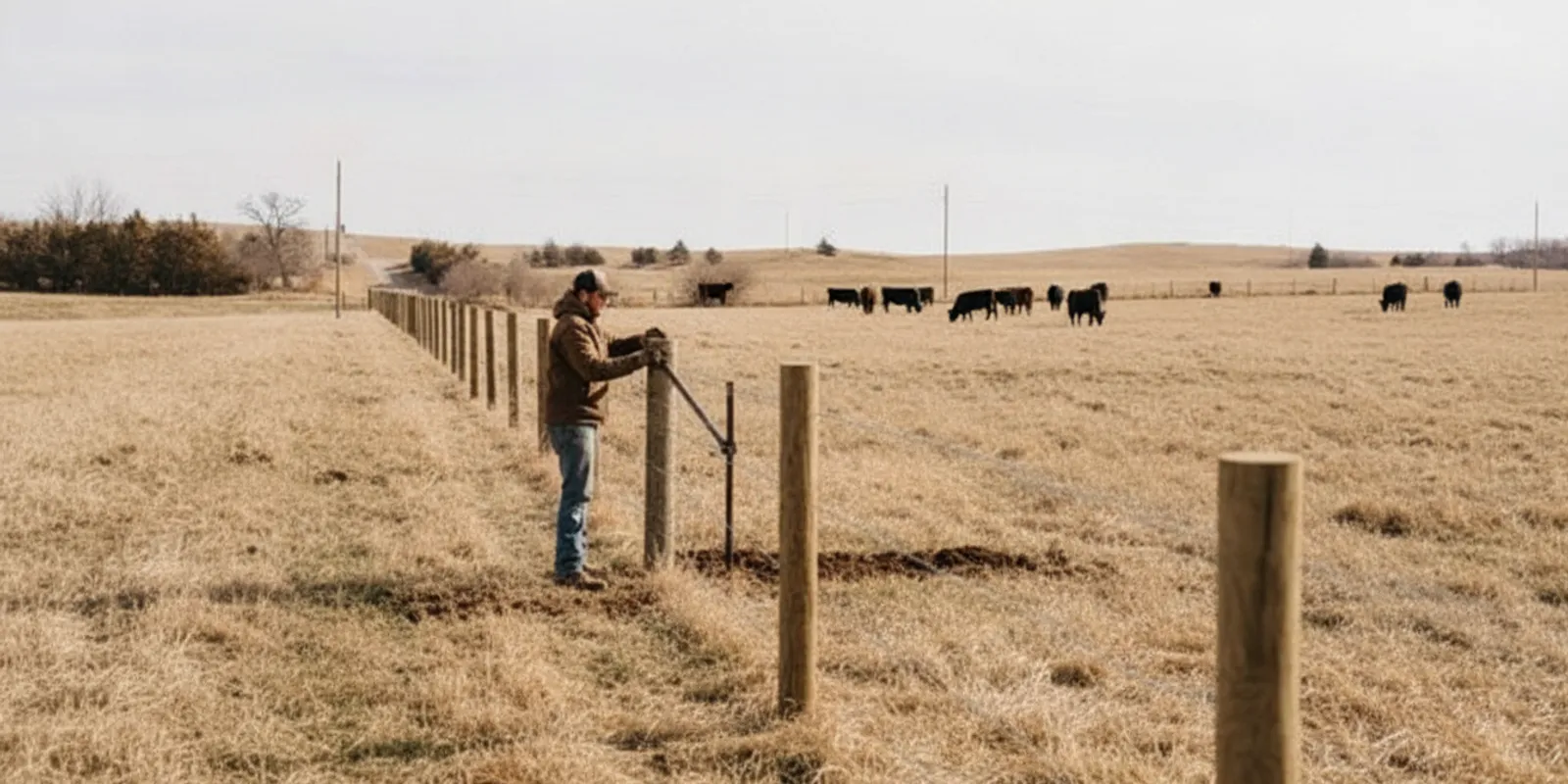
Even with the best intentions, a few small errors during a DIY fence installation can lead to big, expensive problems. One of the most frequent issues is setting corner posts that are too small or not buried deep enough. These posts are the anchor for your entire fence line, and if they can't handle the tension, the whole fence will sag. Another common misstep is overstretching the wire. While you want the wire to be taut, excessive tension can cause it to snap in cold weather or put too much strain on your posts. These are just a couple of the common cattle fencing mistakes that can turn a weekend project into a season-long headache and a drain on your budget.
The Hidden Costs of a DIY Project
The price of wire and posts is only part of the story. A DIY project comes with hidden costs, with the biggest one often being your own time. What’s your time worth, and how many hours or days will it take away from other essential farm tasks? You also have to consider equipment. Do you own a post-hole digger, wire stretchers, and everything else needed for the job? Renting or buying specialized tools adds up quickly. Plus, there’s the cost of potential mistakes. Buying extra materials to fix a section that wasn't done right or, worse, having to redo a large portion of the fence line can erase any initial savings you were hoping for.
Why Go with a Pro?
Hiring a professional for your fence installation is an investment in getting the job done correctly and efficiently from the start. A professional crew has the experience to handle challenges like uneven terrain and tricky soil conditions, ensuring your posts are set securely for the long haul. We have the right equipment to work quickly, building a fence in a fraction of the time it might take to do it yourself. Most importantly, a professional understands how to build a fence that lasts. With our expertise in proper bracing and tensioning, you get peace of mind knowing your fence is built to withstand the elements and effectively contain your livestock. If you want to ensure the job is done right the first time, a professional is your best bet.
Barbed Wire vs. Other Fencing: A Cost Comparison
While barbed wire is a reliable and cost-effective choice for many Nebraska landowners, it’s smart to weigh it against other options. The best fence for your operation depends entirely on your goals. Are you simply marking a property line, or do you need to contain a herd of curious cattle? The answer will help guide your decision. Thinking about the total cost over the fence's lifetime, including installation and future upkeep, gives you a much clearer picture than just the initial price tag.
Different fencing materials serve different purposes, and each comes with its own set of costs and benefits. Some are better suited for rotational grazing, while others provide a more permanent and physical barrier. To help you find the right fit for your budget and your land, let's break down how barbed wire compares to other popular fencing types. Understanding these differences is the first step in making a sound investment in your property.
Wood Fencing
A classic wood fence provides a formidable physical barrier and a traditional look that many people love. It’s a great choice for smaller, high-traffic areas like corrals, pens, or the entrance to your property. However, that classic look comes at a price. Wood is one of the more expensive fencing materials, both in terms of the boards themselves and the labor to install them. It’s not a practical solution for fencing in large pastures. You also have to account for long-term maintenance, as wood will eventually need to be treated or replaced to prevent rot and decay, adding to its overall lifetime cost.
Chain-Link Fencing
Chain-link is a durable, low-maintenance option that’s most often seen in residential or commercial settings. While it can work for smaller animal enclosures like dog runs, it’s not an ideal choice for livestock. The material itself is more expensive than barbed wire, and a large, determined animal can bend or push through it over time. Its main advantages are its longevity and the fact that it requires very little upkeep once installed. For most agricultural applications in our area, however, there are more effective and economical choices available for containing cattle and other livestock.
Electric Fencing
Electric fencing works as a psychological barrier rather than a physical one, teaching livestock to respect the fence line with a short, memorable shock. It’s an incredibly effective tool for managing grazing and can be set up as a permanent or temporary system. The initial cost for a charger and insulators can be higher than for a simple barbed wire fence, but you can often save money by using fewer posts spaced farther apart. The main consideration with electric fencing is the need for consistent maintenance to keep the wire hot and the fence line clear of weeds.
Hi-Tensile Fencing
Hi-tensile fencing is a modern and incredibly durable alternative that is gaining popularity across Nebraska. Made from smooth wire held under extreme tension, this type of fence is stronger and lasts much longer than conventional barbed wire, often for 20 years or more. While the upfront material cost is higher, its longevity and low maintenance needs can make it a more economical choice in the long run. It’s also safer for livestock since there are no barbs to cause injury. Proper installation is key to its performance, which is why having it done by a professional who understands the right tension and bracing techniques is so important.
The Hallmarks of a Quality Fence
A fence is more than just a boundary line; it's a long-term investment in your property and the safety of your livestock. But what separates a fence that sags in a few years from one that stands strong for decades? It comes down to a few key principles of quality construction. Understanding these hallmarks helps you know what to look for, whether you're building a fence yourself or hiring a professional. It’s about getting the fundamentals right from the start, so your fence can handle everything Nebraska weather and your animals throw at it.
The Importance of Tension and Bracing
A fence's strength comes from a balance of tension and solid support. Think of the wire as the muscle and the bracing as the skeleton. If the wire is too loose, it won't effectively contain livestock. But overstretching it can weaken the metal, making it brittle and prone to snapping under pressure or in cold weather. The goal is to get it taut without being overly tight. Just as critical are the corner and brace posts. These are the anchors for the entire fence line. Using posts that are too small or not set deep enough is one of the most common cattle fencing mistakes and a recipe for a failing fence. Proper bracing ensures your fence can withstand the constant tension of the wires and the force of any impacts.
Choosing the Right Materials for Nebraska Conditions
The materials you choose are the building blocks of your fence, and they need to be tough enough for Central Nebraska. The right combination of wire, posts, and hardware will make all the difference in how your fence performs and how long it lasts. While barbed wire is often an affordable choice for large pastures, not all wire is created equal. The gauge of the wire and the quality of its coating affect its strength and resistance to rust. Similarly, your choice of wood or steel posts will impact the fence's durability and overall cost. The total expense of a fence depends on these materials, the labor involved, and even the layout of your land, so picking the right ones for your specific needs is a crucial first step.
Tips for Fence Inspection and Upkeep
A well-built fence is a great start, but regular upkeep is what guarantees its longevity. Making fence inspection a routine part of your property management can save you from bigger headaches down the road. Walk your fence lines periodically, especially after major storms or seasonal changes. Look for any sagging wires, broken or leaning posts, and areas where vegetation is growing into the fence line. Keeping the line clear prevents rust and damage. Remember that proper installation is the foundation for easy maintenance. When posts are spaced correctly (typically 8 to 12 feet apart) and braces are solid, you’ll spend less time on repairs and more time confident that your livestock are secure.
Build Your Barbed Wire Fence with Confidence
Putting up a new barbed wire fence is a significant investment, so it’s natural to want to get it right from the start. When you’re mapping out your budget, a good rule of thumb is to plan for about $3 to $6 per foot for a professionally installed fence. This range covers both materials and labor, but the final price can shift based on wire quality and job complexity. For larger properties, thinking in terms of acreage can be more helpful. Many ranchers find it easier to budget when they estimate costs around $2,000 to $2,200 per acre.
Labor is a big piece of the puzzle, often accounting for $0.50 to $1.75 per linear foot of the total cost. While it might be tempting to focus only on material prices, the quality of the installation is what truly makes a fence last. A properly built fence isn't just about stringing wire; it's about ensuring it can stand up to Nebraska weather and keep your livestock secure for decades. This is why so many people choose to hire a professional fence company to handle the job.
Proper installation techniques are critical for the longevity and effectiveness of your fence. Simple mistakes, like overstretching the wire during installation, can weaken its integrity and lead to premature sagging or breaks. A well-built fence relies on correct tension, solid bracing, and posts set at the right depth for our local soil conditions. By understanding both the costs and the hallmarks of quality construction, you can feel confident that you’re making a smart, durable investment in your property. If you're ready to get a clear picture of your project's cost, the best next step is to request a personalized quote.
Frequently Asked Questions
How can I get an exact price for my fencing project? The numbers in this post are a great starting point, but the only way to get a precise figure is with a personalized quote. Every property has unique features, from the soil and terrain to the specific layout you need. A custom estimate allows us to walk the property with you, discuss your goals, and account for factors like gates or fence line clearing to give you a truly accurate cost.
What is the most common mistake that makes a fence fail? The single biggest issue we see is improper corner and brace construction. These posts are the anchors for the entire fence line, and they handle a tremendous amount of tension. If they are not set deep enough or braced correctly for our Nebraska soil, they will eventually lean or pull out of the ground. When that happens, the wires sag and the fence loses its ability to contain livestock.
Is it more cost-effective to fence my entire property at once? Yes, in most cases it is. Tackling a large fencing project all at once is typically more economical than doing it in smaller sections over time. This is because materials can often be purchased in bulk, and our crew can work more efficiently when the entire scope is planned from the start. This approach often results in a lower cost per foot for the total project.
Do I need to clear the fence line myself before you start? You don't have to, as we can handle that for you. We offer professional fence line cleaning and dirt work as part of our services. Creating a clear, accessible path is essential for building a straight and sturdy fence, so we can include that preparation work in your project plan to ensure a solid foundation from the very first post.
Why should I consider hi-tensile fencing if it costs more than barbed wire? While hi-tensile fencing does have a higher upfront material cost, it's an investment in longevity. This type of fence can last for 20 years or more with very little maintenance, which often makes it more economical over the long run. It's also stronger than conventional wire and is considered safer for livestock since it doesn't have barbs, reducing the risk of injury.
Comments