
Farm Electric Fence: A Start-to-Finish Guide

The perfect fence for a herd of cattle is not the same one you’d use for a flock of sheep or a pasture full of goats. Each animal presents a unique challenge, from their size and temperament to their natural instinct to jump, dig, or test a boundary. This is why a one-size-fits-all approach to fencing just doesn’t work. A successful farm electric fence is one that is specifically designed for the livestock it contains. This guide will help you match the fence design, materials, and voltage to your animals, ensuring you create a safe, low-stress environment that gives you peace of mind.
Key Takeaways
- A strong shock needs a solid ground
: An electric fence is a complete circuit, and your grounding system is half of the equation. To deliver a memorable shock, you need enough ground rods installed correctly, especially in dry Nebraska soil.
- Match the fence to your animals
: A one-wire fence for cattle will not stop a clever goat. Your fence design, including wire height, spacing, and voltage, must be chosen based on the specific animals you are containing to be effective.
- Good installation prevents future headaches
: Taking the time to install your fence correctly, from planning the line to using quality insulators, is the best way to ensure it works reliably. Regular walks to check voltage and clear weeds will keep it that way.
How an Electric Fence Works
An electric fence is more of a psychological barrier than a physical one. It works by delivering a short, safe, and memorable shock to an animal that touches it. This quickly teaches livestock to respect the fence line, keeping them contained without the need for heavy, bulky materials. Understanding the basic mechanics will help you build a reliable fence that keeps your animals safe and your pastures secure. It’s a straightforward system, but every component plays a critical role in its success.
The Core Components of an Electric Fence
Think of an electric fence as a simple, open circuit. The fence energizer, or charger, is the heart of the system. It converts power from a battery, solar panel, or AC outlet into brief, high-voltage electrical pulses. These pulses travel along the fence wires. When an animal touches the wire, its body and feet complete the electrical path to the earth. The electricity flows through the animal, into the soil, and back to the energizer through ground rods you’ve installed. This completion of the electrical circuit is what delivers the corrective shock. Without proper grounding, the circuit is broken, and the fence won't work effectively.
Permanent vs. Portable Fencing
Your fencing needs will determine whether a permanent or portable setup is right for you. Permanent electric fences are designed for long-term use, like securing the perimeter of a large pasture. They typically use durable materials like high-tensile or galvanized steel wire and sturdy wood or steel posts. These are built to withstand Nebraska’s weather and last for years.
Portable fencing, on the other hand, offers flexibility for temporary applications like rotational grazing or subdividing a pasture. These systems use lightweight materials like polywire, polytape, or prefabricated electric netting with built-in step-in posts. This makes it easy to set up, take down, and move your fence line as your herd’s needs change, helping you manage forage and improve pasture health.
Understanding Wire: Gauge, Material, and Conductivity
The type of wire you choose directly impacts your fence's performance, especially over the large acreages common in our area. The key is conductivity, which is the wire's ability to carry an electrical pulse with minimal power loss. For permanent fences, a low-resistance 12.5-gauge galvanized steel wire is an excellent choice. The lower the gauge number, the thicker the wire and the better it carries a charge over long distances.
Polywire and polytape contain thin metal filaments woven into plastic, which gives them higher resistance. This makes them better suited for shorter, temporary fences. Regardless of the type, always use high-quality fence wire and keep it free of rust and vegetation. A rusty or overgrown fence line will ground out the charge and weaken its effectiveness.
Matching the Fence to Your Livestock
Choosing the right fence isn't just about marking a boundary; it's about understanding the animals you're keeping. Different livestock have entirely different behaviors and physical traits that influence what kind of fence will be effective. A fence that easily contains a herd of cattle might be a mere suggestion to a clever goat. Your animal's size, temperament, and natural instincts to jump, dig, or test boundaries will determine the best fencing solution for your Nebraska farm.
Thinking about this from the start saves you a lot of headaches later. For example, an animal with a thick coat like a sheep needs a different approach than a short-haired horse. Likewise, containing small animals requires a design that also keeps predators out. By matching the fence design, materials, and power level to the specific animals on your farm, you create a safe, low-stress environment for them and give yourself peace of mind. It’s the foundation of effective pasture management and a critical step in protecting your investment. Our team can help you select and install the perfect custom-built corral or pasture fence for your needs.
Fencing for Cattle
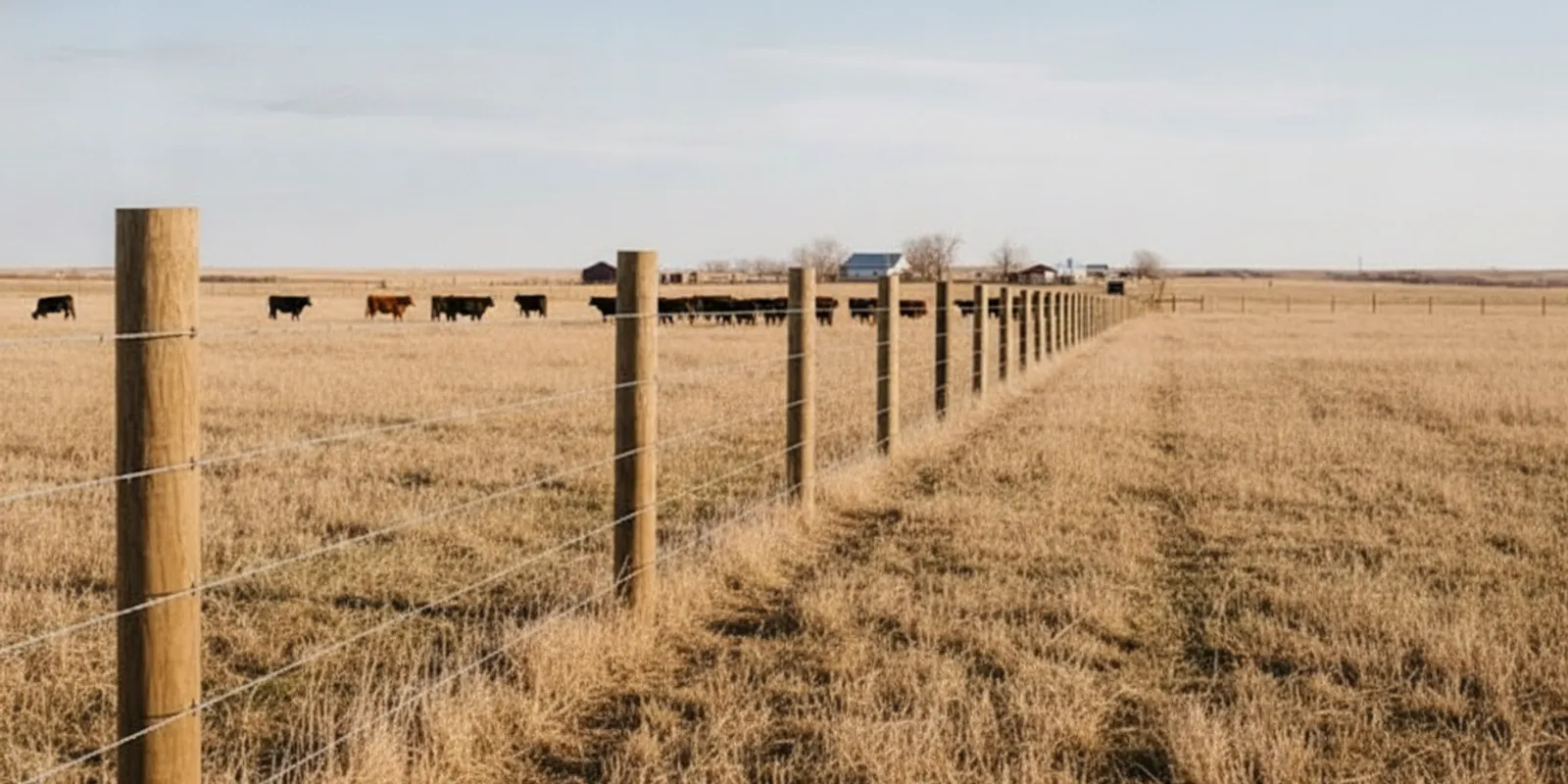
Cattle are generally respectful of boundaries, especially a properly installed electric fence. Because of their size, a simple setup with one or two strands of highly visible wire is often enough to keep them contained. Many ranchers prefer electric fencing over traditional options because it’s a much safer alternative to barbed wire, which can cause serious injuries. A well-powered electric fence delivers a short, memorable shock that teaches cattle to stay away without causing harm. This psychological barrier is incredibly effective, making it a reliable and humane choice for managing your herd across pastures.
Fencing for Sheep and Goats
Sheep and goats are notorious escape artists, and they require a more robust fencing strategy. Goats, in particular, are determined climbers and jumpers, while the thick wool on sheep can insulate them from an electric shock. Because of this, you’ll need a fence with more wires spaced closer together, especially near the ground, to prevent them from squeezing through or going under. Many producers find that using at least five to seven wires is necessary. The key is to build a fence that addresses their specific behaviors, ensuring it’s both a physical and psychological deterrent for these clever animals.
Fencing for Poultry
When fencing chickens or other poultry, you have two main goals: keeping them in and keeping predators out. A standard wire fence won't work, as they can easily slip through. This is why electric poultry netting is such a popular choice. It features small openings that contain the flock while also delivering a jolt to any raccoons, coyotes, or foxes that try to get in. This dual-purpose design provides an effective and movable barrier, making it ideal for rotational grazing systems that give your birds fresh pasture while keeping them safe from harm.
Voltage Needs by Animal Type
A fence is only effective if the animals respect it, and that respect comes from a consistent, adequate electrical pulse. The required voltage varies depending on the animal. For example, you should aim to keep the fence at 3,000-5,000 volts for cattle. However, animals with thick coats like sheep need a stronger pulse to feel the shock through their wool, so a minimum of 7,000 volts is often recommended. Always use a fence tester to check your voltage regularly. This ensures your fence has enough power to do its job and effectively contain your specific type of livestock.
How to Choose the Right Fence Energizer
Think of the fence energizer, or charger, as the heart of your entire electric fence system. It’s what sends the pulse of electricity down the line to keep your livestock safely contained. Picking the right one is about more than just grabbing the most powerful box off the shelf; it’s about finding the perfect match for your specific pasture, power availability, and the type of fence you’re running. A well-built fence is the foundation, but the right energizer is what makes it work day in and day out.
When you’re looking at different models, you’ll see them rated in joules, which measures the energy of the electrical pulse. A higher joule rating means a more powerful shock. You’ll also see them rated for a certain number of miles, but these ratings are usually based on perfect, single-wire conditions. Here in Nebraska, we know conditions are rarely perfect. You have to account for multi-wire fences, heavy weed growth, and the type of animal you’re managing. We’ll walk through the three key things to consider: your fence length, your power source, and the type of wire you’re using. Getting this choice right from the start will save you a lot of headaches later.
Factoring in Area Size and Fence Length
The first step is to figure out exactly how much fence you need to power. An energizer’s power rating is directly tied to the length of wire it can effectively charge. A common mistake is only measuring the perimeter of your pasture. If you’re running a three-wire fence around a one-mile pasture, you actually have three miles of wire that need a consistent charge. Always multiply your fence length by the number of strands to get your total wire length. While the cost of an electric fence is often calculated per linear foot, your energizer needs to be powerful enough for the total distance the electricity has to travel.
Powering Your Fence: AC, DC, or Solar
Next, decide how you’ll get power to your energizer. You have three main choices, and the best one depends entirely on your farm’s layout.
- AC (Plug-in):
This is your most reliable option. An AC-powered energizer plugs directly into a standard 110-volt outlet. They tend to be more powerful and cost-effective, making them perfect for pastures near a barn, shop, or house.
- DC (Battery):
If your fence is in a more remote location, a DC energizer that runs on a 12-volt deep-cycle battery is a great choice. It offers flexibility for rotational grazing or temporary fencing, but you will need to recharge or swap out the battery periodically.
- Solar:
For the ultimate set-it-and-forget-it solution in remote pastures, solar-powered options are fantastic. A solar panel continuously charges a battery, ensuring your fence stays hot without you having to haul batteries back and forth.
Matching the Energizer to Your Wire
Finally, your energizer needs to be strong enough to overcome what’s called the "fence load." This includes the resistance of the wire itself plus anything else that might be touching it, like tall grass, weeds, or fallen branches. If you know your fence line is prone to heavy vegetation, you’ll need a more powerful, low-impedance energizer. A low-impedance charger is designed to push a strong pulse through these obstructions without a major drop in voltage. This ensures the power box can handle real-world conditions and deliver a corrective shock to an animal, even if a few weeds are touching the line.
Best Practices for Electric Fence Installation
Alright, you’ve got your materials and you’re ready to build. Getting your electric fence installed correctly from the start is the single best thing you can do to ensure it works effectively for years to come. It’s about more than just stringing wire between posts; it’s about creating a complete, reliable circuit that your livestock will respect. Small mistakes during installation can lead to big problems, like constant shorts, an ineffective shock, or a fence that fails when you need it most.
Taking the time to plan your layout, establish a solid grounding system, and manage your wire tension will pay off every single day. While many producers enjoy the process of building their own fence, getting it right the first time saves a lot of headaches. If you're short on time or want the peace of mind that comes with professional work, our team at Rapid Fence has installed miles of fence across Central Nebraska and can get your project done quickly and correctly. We handle everything from fence line cleaning to final tensioning.
Planning Your Fence Line
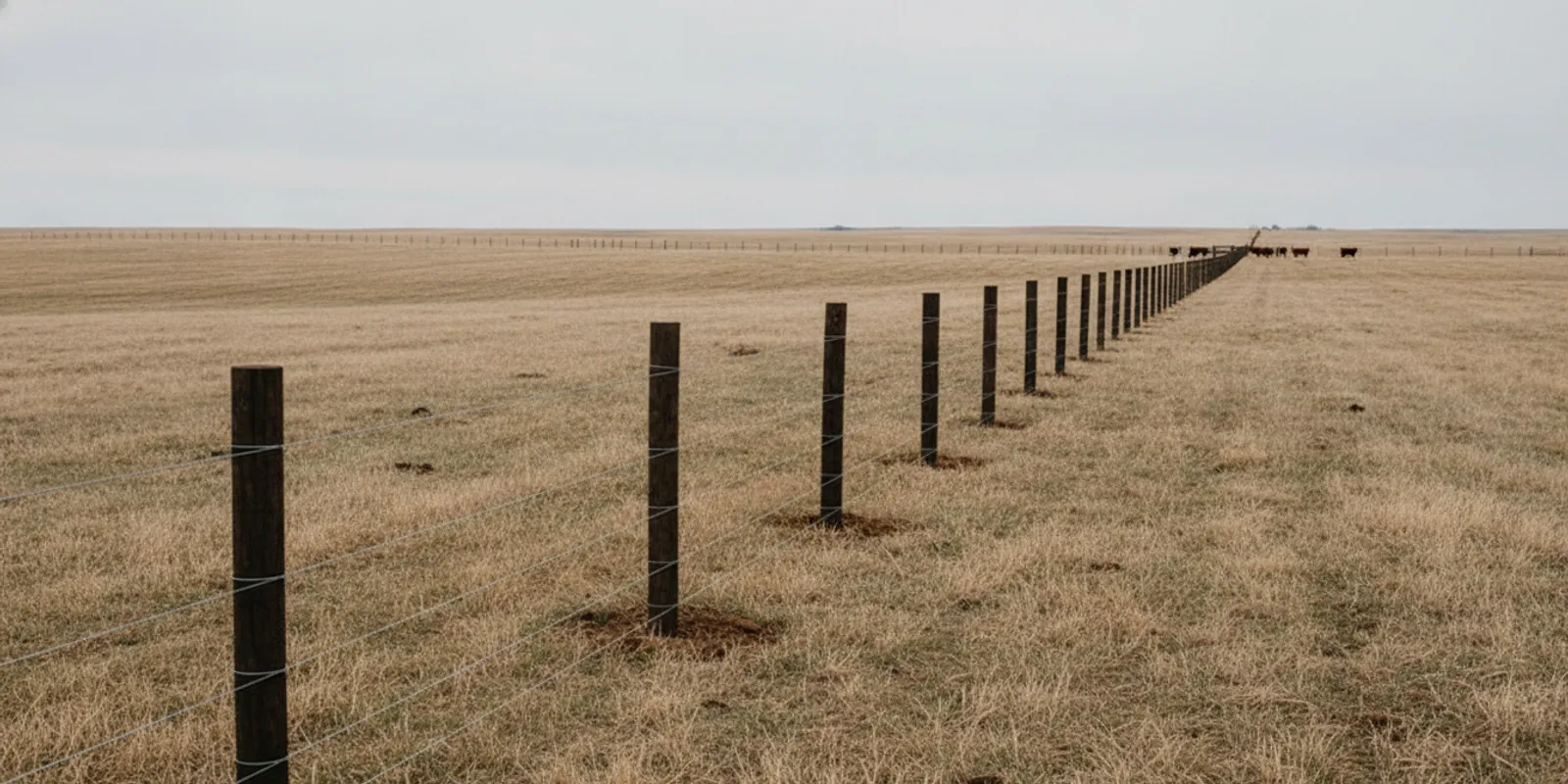
Before you even pound the first post, take a walk. Grab some marking flags and map out exactly where your fence will run. Consider the natural contours of your land, any low spots that might collect water, and where you’ll need gates for easy access. Thinking about future pasture rotation now can save you from having to rebuild later. The type of animal you’re containing will also influence your plan. For electrified hi-tensile systems meant for cattle, you can often space your posts 30 to 40 feet apart, but always check the recommendations for your specific wire and terrain. Paying attention to these details helps you avoid common cattle fencing mistakes.
Grounding Your Fence for Peak Performance
Think of your grounding system as the secret to a powerful fence. Without it, the circuit can’t be completed, and the animal won’t feel a shock. Your ground rods act like antennas, gathering electrons from the earth to deliver a memorable zap when an animal touches the wire. Skimping here is one of the most frequent installation mistakes people make. A good rule of thumb is to install at least three feet of ground rod for every joule of output from your energizer. For example, a 6-joule energizer needs at least 18 feet of ground rod. Space these rods at least 10 feet apart and connect them with a continuous wire back to the energizer’s ground terminal. In dry Nebraska soil, more is always better.
Choosing Insulators and Avoiding Common Pitfalls
Insulators are small but mighty components. Their one job is to prevent the electrical current from leaking into your fence posts and shorting out the fence. Always use high-quality insulators designed for your specific post type (wood, T-post, or fiberglass) and wire. Another critical detail is wire tension. If you install the wires too tight, they have no give and can easily break if a deer runs into them or a tree branch falls. If the wires are too loose, they’ll sag between posts, creating gaps your animals can test or push through. You’re looking for a happy medium where the wire is taut but still has some flexibility.
Setting Up Gates and Buried Wires
Your gates are the most handled part of your fence, so they need to be convenient and safe. Use insulated gate handles that allow you to open and close the gate without getting shocked or turning off the entire fence. When you need to get power across a gate opening, you’ll have to run an insulated cable underground. To do this properly, you should always protect the buried wire by placing it inside a PVC pipe or other conduit. This simple step prevents the wire’s insulation from getting damaged by the weight of vehicles and equipment driving over it, which would cause a frustrating short that’s difficult to find.
Maintaining Your Fence Line
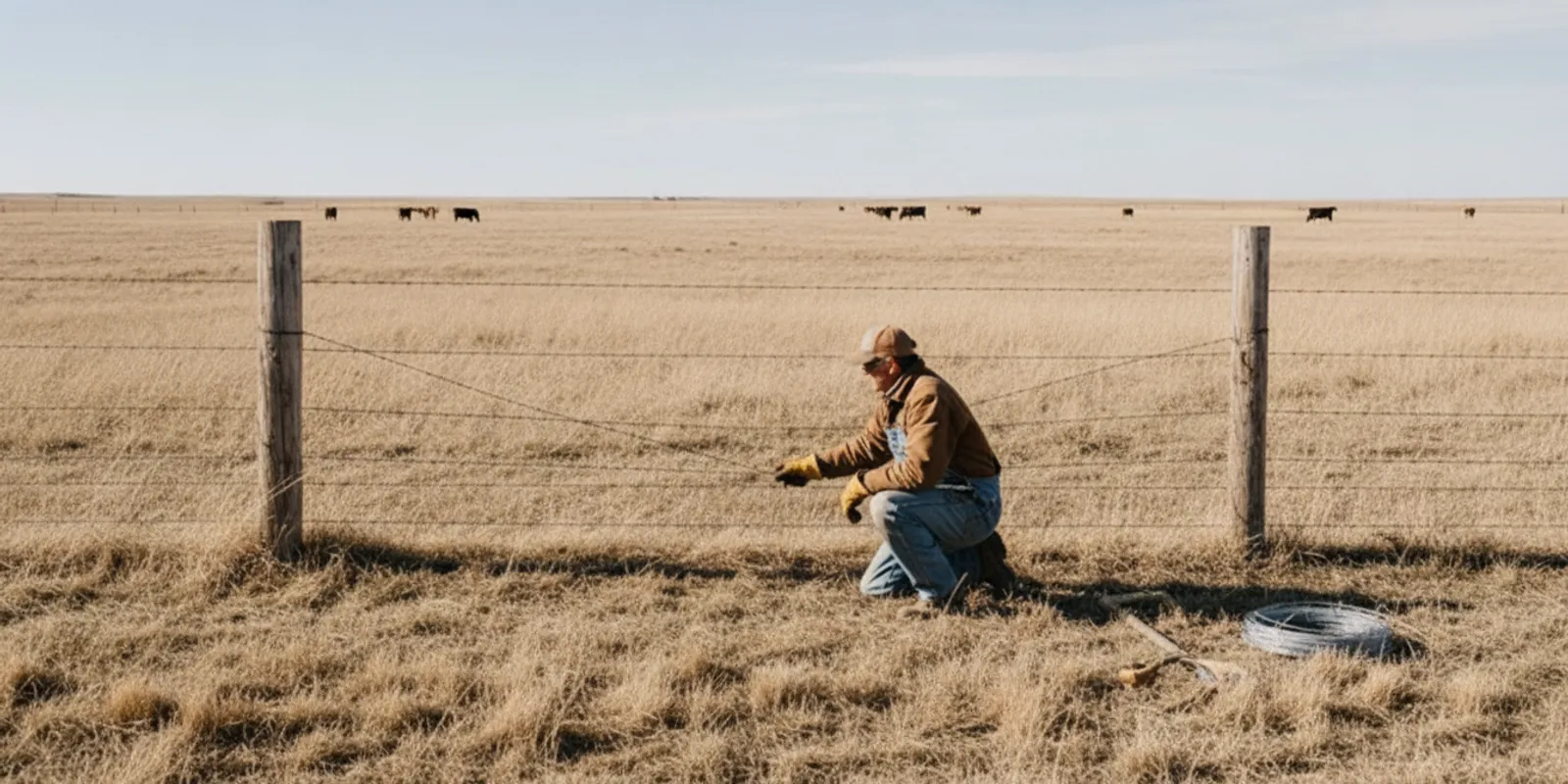
Once your fence is up, a little routine maintenance will keep it working perfectly. An electric fence isn't a "set it and forget it" solution, but the upkeep is straightforward. Plan to walk or drive your fence line regularly, especially after storms. Look for fallen branches, heavy vegetation growing up into the wires, or any broken insulators that could be causing a short. A fence tester is an invaluable tool for quickly checking your voltage. Regular checks also help you spot wear and tear before it becomes a major issue, which ultimately helps you avoid unexpected costs and ensures your livestock stay exactly where you want them.
What's the Cost of an Electric Fence?
Figuring out the budget for a new fence is a big part of any farm project. When it comes to electric fencing, it’s helpful to think of the cost not just as an expense, but as an investment in managing your livestock and protecting your land. The final price tag depends on a few key things: the materials you choose, the size of the area you’re fencing, and whether you tackle the installation yourself or hire a professional.
The total cost can be broken down into three main categories. First, you have the upfront cost of all the physical components, like the wire, posts, and energizer. Second is the cost of labor for installation, which can vary quite a bit depending on the complexity of your terrain and the fence design. Finally, there are the minor, long-term costs of maintenance to keep your fence running effectively for years to come. Understanding each of these pieces will help you build a realistic budget and make the best choices for your property.
Breaking Down Material Costs
On average, you can expect the materials for an electric fence to run somewhere between $1 to $4 per linear foot. This price includes the wire, posts, and insulators. The energizer, or charger, is a separate cost that depends on the length of your fence and the power source you choose. For large pastures, the cost per foot often goes down because you can buy materials in bulk. The type of wire and the spacing of your posts will also influence the final material cost. A multi-strand, high-tensile fence for cattle will naturally require more materials than a simple, single-wire fence for a smaller paddock.
Factoring in Installation and Labor
While a DIY installation can save you money on labor, a professionally installed fence ensures the job is done right from the start. In Central Nebraska, where the weather and soil can be demanding, proper installation is critical for a fence that lasts. A professional crew understands how to set up a powerful grounding system, achieve the right wire tension, and build bracing that will stand up to pressure and time. The best way to get a clear picture of the installation cost for your specific property is to get a custom quote. This will account for your land’s unique layout, the type of livestock you have, and the specific fence design you need.
Planning for Maintenance Expenses
One of the best things about electric fences is that they are fairly low-maintenance. However, they aren't completely "set it and forget it." You should plan to walk your fence line regularly to check for any damage from weather or wildlife and to test the voltage. The biggest ongoing task is usually keeping the fence line clear of weeds and brush, as vegetation can ground the wire and reduce its effectiveness. Our fence line cleaning services can handle this for you. You may also need to replace batteries in a DC-powered energizer every few years, but for the most part, a well-built electric fence requires minimal financial upkeep.
How to Train Livestock on an Electric Fence
An electric fence is more of a psychological barrier than a physical one. It works because your animals learn to respect it, not because it’s strong enough to hold them back. This is great news because it means you don’t need a fortress to keep your herd contained, but it does mean you have to handle the training process correctly. The goal is to create a memorable, one-time experience that teaches your livestock to keep their distance from the wire.
Fortunately, training is a straightforward process. It just requires a bit of patience and the right setup. By introducing your animals to the fence in a controlled way, you can ensure they learn the boundary quickly and safely. A properly trained animal will respect the fence line, even during the rare times the power might go out. This initial time investment pays off with peace of mind and reliable containment for years to come.
Making the First Introduction
The key to success is a controlled first meeting. Electric fences work by teaching animals, so you want their first interaction to be clear and effective. Set up a small pen or temporary enclosure with the electric fence, perhaps near their food or water source. This encourages them to investigate the wire on their own terms in a calm environment. For the lesson to stick, the fence must deliver a sharp, memorable shock. This means ensuring your energizer is putting out at least 5,000 volts during this initial training period. A weak first impression will only invite them to test the fence again.
Maintaining Consistent Voltage for Effective Training
A single, strong shock is usually all it takes, but only if the fence’s power is consistent. Your fence needs to maintain that 5,000-volt minimum, even during the dry spells we get here in Nebraska. If the voltage drops, an animal might get a weak shock, or no shock at all, which only creates confusion and encourages them to challenge the fence line. A professional installation is the best way to ensure your system is properly grounded and configured to deliver reliable power from the start. Consistent voltage reinforces the initial lesson and solidifies the boundary in your animals' minds.
Making Seasonal Adjustments
Nebraska weather can throw a wrench in your fence’s performance, especially in the winter. Deep snow and frozen ground are poor conductors, which can lead to weak spots or a completely dead fence. To counteract this, it’s a good idea to plan ahead. When setting up your fence, incorporate one or more neutral or ground wires along with the hot wires. This design ensures the circuit can be completed even when the earth is frozen solid. Making these seasonal adjustments is crucial for keeping your livestock safely contained and respecting their boundaries all year long.
Frequently Asked Questions
My soil gets really dry in the summer. How do I make sure my fence is properly grounded? That’s a great question, and it’s a common challenge here in Nebraska. Dry soil is a poor conductor, so you have to give your system a little extra help. The best approach is to install more ground rods than the energizer manual suggests. A good rule is to use at least three 6-foot galvanized steel rods, spaced about 10 feet apart. If you’re in a particularly sandy or dry area, adding even more rods or using longer ones won’t hurt. For a permanent solution, you can also run a ground wire along with your hot wires on the fence itself, which guarantees the animal completes the circuit even if the earth is bone dry.
Is it better to buy an energizer that’s more powerful than I think I need? Yes, almost always. The mileage ratings on energizer boxes are based on perfect, single-wire laboratory conditions, which you’ll never have on a real farm. You have to account for multiple wires, energy loss from vegetation touching the line, and the natural resistance of the wire itself. Buying a charger with more power (a higher joule rating) than you think you need gives you a buffer. A stronger, low-impedance energizer will maintain its voltage even with some weed growth, ensuring your fence stays hot and your animals stay put. It’s a smart investment for your peace of mind.
What if I have one stubborn animal that keeps testing the fence? First, grab your fence tester and check the voltage. Nine times out of ten, a persistent escape artist is a sign that your fence isn't delivering a strong enough shock to be memorable. You want a consistent reading of at least 5,000 volts. If the power is low, walk the line to find what’s grounding it out. If the voltage is good, you may need to retrain that specific animal in a smaller, controlled pen. Using a more visible wire, like polytape, can also help them see and respect the boundary better.
What’s the single most important maintenance task I should be doing? The most important thing you can do is to regularly check your voltage with a digital fence tester. It’s a quick task that gives you a complete picture of your fence’s health. A sudden drop in voltage is your first clue that something is wrong, like a broken insulator, a fallen tree branch, or heavy weed growth shorting out the line somewhere. Walking your fence line weekly or after a big storm is ideal, but a quick voltage check at the point farthest from your energizer will tell you if a longer walk is necessary.
Can I add an electric wire to my existing barbed or woven wire fence? Absolutely. This is a fantastic and cost-effective way to improve an old fence. You can use offset insulators that hold an electric wire several inches away from your existing fence structure. This is very effective for stopping cattle from leaning, rubbing, or pushing on an older fence, which greatly extends its life. It also serves as a great psychological barrier that teaches them to stay off the fence line entirely, saving both your animals and your fence from damage.
Comments