
How to Choose the Right Farm Fence Company

Building a new fence is a significant investment in your property and your operation’s efficiency. Getting it right the first time saves you from costly repairs, escaped livestock, and years of frustration. A well-built fence provides peace of mind, while a poorly constructed one can become a constant source of problems. While the DIY spirit is strong in every farmer, some jobs are best left to the experts. A professional farm fence company brings the equipment, experience, and efficiency to get the job done correctly and quickly. Let’s walk through the common mistakes to avoid and ensure your project is a lasting success.
Key Takeaways
- Match the fence to the job
: The success of your fence depends on choosing the right materials and design for your specific livestock and property. A barbwire fence for cattle serves a different purpose than a continuous fence for a high-traffic corral, so proper planning is essential.
- A strong fence is built on fundamentals
: Lasting fences rely on expert construction, including deep-set corner posts, solid bracing, and correct wire tension. Overlooking these installation details is a common mistake that leads to sagging, failure, and future repair costs.
- Hiring an expert is a long-term investment
: A professional installer provides efficiency, specialized equipment, and crucial local knowledge. This expertise ensures the job is done right the first time, saving you from physical strain, costly mistakes, and the liability of an insecure fence.
What Does a Farm Fence Company Do?
When you think about putting up a new fence, you might just picture posts and wire. But a dedicated farm fence company does so much more than that. They act as a partner in protecting your livestock and managing your land. A great fencing contractor understands that every farm is unique, and they provide specialized knowledge and services to match your specific needs, from containing a herd of cattle to sectioning off a new pasture. They bring the right tools, materials, and experience to build a fence that’s not just a barrier, but a long-term asset for your operation.
Key Services to Expect
A professional farm fence company should offer a range of key services tailored to agricultural life. First and foremost, they provide a variety of fencing options because what works for containing horses won't be the best fit for cattle or sheep. Look for a company that can install everything from traditional barbwire to modern hi-tensile and sturdy continuous fences.
Beyond the fence itself, expect custom solutions. A good contractor will walk your property with you, discussing your goals, the type of livestock you have, and the specific terrain. They’ll help you choose the right materials and design for durability and effectiveness. This expertise is crucial because proper installation is what ensures your fence will stand strong against weather and pressure from animals for years to come.
Full-Service vs. Installation-Only
When you hire a fencing contractor, you’ll generally find two approaches: full-service or installation-only. An installation-only provider simply handles the labor of putting up the fence, leaving you to source materials and prepare the site. A full-service company, on the other hand, manages the entire project from start to finish.
A full-service approach includes designing the fence, sourcing high-quality materials, tearing out old fencing, and clearing the fence line. This comprehensive service saves you an incredible amount of time and physical effort. Instead of coordinating multiple jobs, you have one expert team handling everything. This also means the company can stand behind the quality of the entire project, from the posts they set to the wire they stretch. If you want a hassle-free process and a result you can depend on, a full-service partner is the way to go. You can get a quote to see how a project would look for your property.
Your Farm Fencing Options
Choosing the right fence is one of the most important decisions you’ll make for your farm or ranch. The best fence for your property depends on your specific goals, from containing cattle to marking boundaries. Your choice will come down to the type of livestock you manage, the terrain you’re working with, and your long-term budget. At Rapid Fence, we specialize in helping you find the perfect fit for your Central Nebraska operation, ensuring your investment stands strong for decades. A fence isn't just a barrier; it's a tool that helps you manage your land and livestock effectively.
Let's walk through the most common and effective fencing solutions we install. We'll cover the pros and cons of barbwire, the strength of hi-tensile, the durability of continuous fencing, and the efficiency of custom-built corrals. Each one offers distinct advantages, and understanding them is the first step toward building a secure and reliable enclosure. Getting this choice right from the start saves you headaches, time, and money in the long run. We've seen it all across Greeley, Buffalo, and Hall Counties, and we're here to share what works best in our local conditions.
Barbwire Fencing
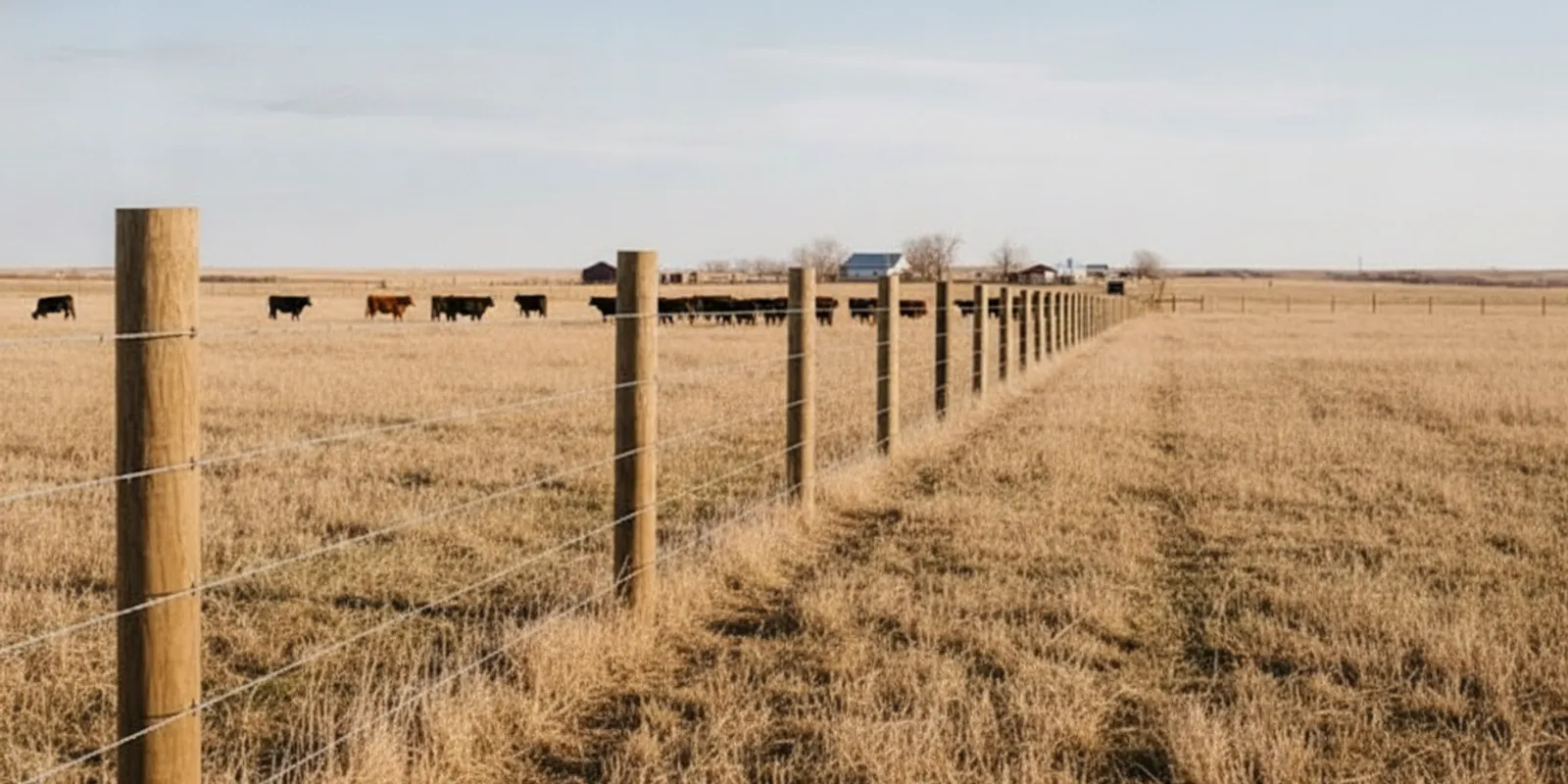
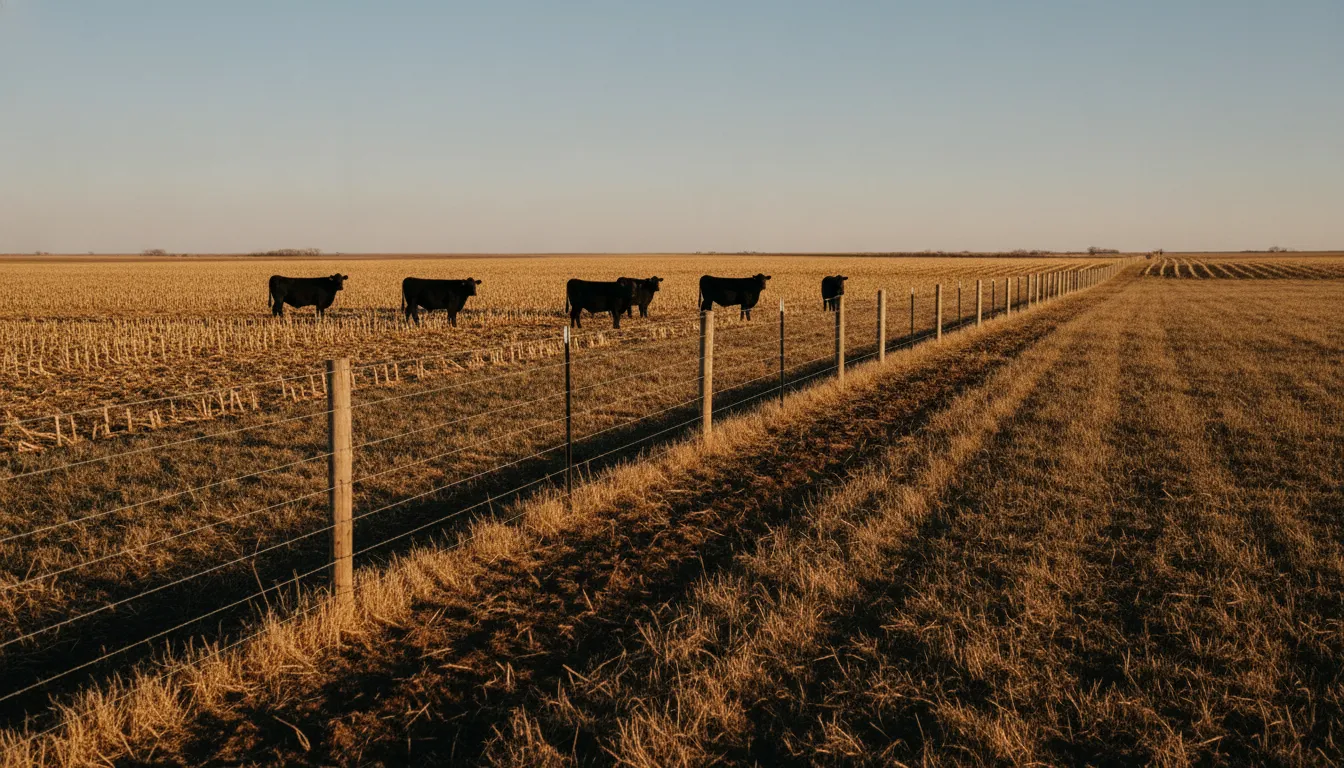
Barbwire is a classic for a reason. It’s a practical and cost-effective choice for containing cattle across large pastures. Because it’s so versatile, a barbed wire fence can be installed efficiently across the varied terrain we see here in Nebraska, from rolling hills to flat fields. While it may seem simple, proper installation is key to its effectiveness. A well-built barbwire fence with the right tension and sturdy posts provides a reliable psychological and physical barrier that livestock learn to respect. It’s a durable, no-nonsense solution that gets the job done without breaking the bank.
Hi-Tensile Fencing
If you’re looking for maximum strength and longevity, hi-tensile wire fencing is an excellent investment. This type of fence uses high-tensile steel wire that is stronger and more durable than traditional low-carbon wire. It can withstand extreme tension, allowing for fewer posts and a cleaner look. This strength makes it ideal for containing larger livestock and resisting pressure from wildlife or harsh weather. A major benefit is that it requires less maintenance over its lifespan, saving you time and money down the road. It’s a modern, powerful solution for a long-term fencing strategy.
Continuous Fencing
For high-traffic areas, corrals, and property lines where you need an exceptionally strong and visible barrier, continuous fencing is a top-tier option. Typically constructed from heavy-duty steel panels or pipes welded together, these continuous fencing systems create a formidable and permanent enclosure. They offer a clean, uniform appearance and are virtually maintenance-free. Because of their durability, they are perfect for crowding pens, feedlots, and arenas where livestock pressure is most intense. You can see examples of how we’ve used this fencing in our project gallery to create secure, functional spaces for local operations.
Custom-Built Corrals
A well-designed corral system is the heart of any livestock operation, making tasks like sorting, loading, and veterinary care safer and more efficient. Custom-built corrals are tailored to your specific needs, accounting for your herd size, animal flow, and existing landscape. Instead of forcing a pre-made design to work, we can build a system that reduces stress on your animals and saves you valuable time. From the layout of the alleyways to the placement of the gates, every detail is planned to improve your workflow. If you have an idea for a corral system, contact us to discuss how we can build it to your exact specifications.
How to Choose the Right Farm Fence
Choosing the right fence for your farm or ranch is a major decision. It’s not just about keeping your livestock in; it’s about creating a reliable, long-lasting system that works for your specific piece of land and the animals you raise. A good fence provides security and peace of mind, while a bad one can lead to constant repairs, escaped animals, and endless frustration. Before you break ground, it’s important to think through a few key factors. By considering your livestock, terrain, long-term goals, and property lines, you can invest in a fence that will serve you well for years to come.
Match the Fence to Your Livestock
The first question to ask is: what animals are you fencing in or out? Different livestock have different temperaments and behaviors, which directly impacts the type of fence you need. Cattle require a strong, visible barrier like a barbwire or hi-tensile fence to respect the boundary. Horses, on the other hand, can be injured by barbs, so a continuous fence is often a safer choice. For smaller animals like sheep or goats, a woven wire fence might be necessary to prevent them from squeezing through the gaps. The goal is to create a secure enclosure that contains your animals safely without causing them harm. Thinking about your specific needs, from large pastures to custom-built corrals, ensures the design is right for the job.
Account for Terrain and Local Conditions
Central Nebraska’s landscape isn’t always flat and easy. Rolling hills, creek beds, and varied soil types all present unique challenges for fence installation. The right fence needs to adapt to the contours of your land to remain effective. For example, building a straight, tight fence over uneven ground requires specific techniques and equipment to prevent gaps underneath or improper tension. An experienced local installer understands these challenges. They know how to handle the specific soil conditions in areas like Greeley, Buffalo, and Hall Counties and how to build a fence that can withstand our tough weather. A professional assessment ensures your fence is built to follow the land, providing a secure barrier no matter the terrain.
Plan for Durability and Long-Term Upkeep
A farm fence is a long-term investment, and you want it to last. Durability comes from two things: quality materials and expert installation. Your fence needs to withstand constant pressure from livestock, the strain of changing seasons, and the general wear and tear of farm life. Choosing the right materials is a start, but proper construction is what makes a fence truly last. This means solid corner posts, correct wire tension, and secure bracing. Investing in a well-built fence from the beginning saves you countless hours and dollars on future repairs. When you choose one of our durable fencing solutions, you’re choosing a fence built to stand the test of time, minimizing your upkeep and maximizing your peace of mind.
Understand Land Boundaries and Regulations
Before the first post goes in the ground, it’s critical to know exactly where your property lines are. A simple survey can prevent costly disputes with neighbors down the road. While rural areas have fewer zoning laws than cities, it’s still wise to be aware of any local regulations or agreements that might affect your project. This is also the time to think about warranties and guarantees. A reputable fence company will stand behind their work. This provides an extra layer of security, ensuring that if any issues arise from the installation, they will be addressed. Having a clear understanding of your boundaries and a guarantee on the workmanship ensures your project goes smoothly from start to finish. If you have questions about your specific property, get in touch and we can help you plan.
Understanding Farm Fencing Costs
Figuring out the budget for a new farm fence is a big piece of the puzzle. Costs can vary quite a bit, so it’s helpful to know what goes into the final price tag. From the type of wire you choose to the condition of your land, several elements will shape your total investment. Thinking through these details ahead of time helps you plan effectively and avoid surprises down the road. Let’s break down what you can expect when you start pricing out your project.
Cost Breakdowns by Fence Type
The type of fence you need is the biggest factor in your budget. For general livestock fencing, you can expect to invest anywhere from $1 to $10 per foot, which includes professional installation. To give you a clearer picture, woven wire often runs between $1.50 and $6 per foot, while classic barbed wire is usually in the $1.25 to $6 per foot range. If you’re containing cattle, a specific cattle wire fence might cost between $2.50 and $7.50 per foot. These numbers give you a solid baseline, but remember that they can shift based on the specific materials and the complexity of your project.
Factors That Influence Price
Beyond the type of wire, a few other key details will affect your final cost. The total length and height of the fence are obvious factors; more fence means more materials and labor. The type of posts you choose also matters, as a stronger fence requires larger, sturdier posts, which can increase the price. Even the size of the mesh in a woven wire fence can play a role. It’s a good idea to discuss these variables with your fencing contractor. They can help you balance your needs with your budget to find the most effective and affordable solution for your property.
Budgeting for Prep Work and Tear-Out
Don’t forget to account for the work that needs to happen before the first post goes in the ground. If you have an old, failing fence, you’ll need to budget for a tear-out. Similarly, if your planned fence line is covered in trees and brush or the ground is uneven, you’ll have costs for clearing and dirt work. This fence line cleaning is critical for a straight, sturdy installation. For larger properties, this prep work can add a significant amount to the project total, so be sure to get a quote that includes every step from start to finish.
Common Fencing Mistakes to Avoid
Building a new fence is a significant investment in your property and your operation’s efficiency. Getting it right the first time saves you from costly repairs, escaped livestock, and years of frustration. A well-built fence provides peace of mind, while a poorly constructed one can become a constant source of problems. Let’s walk through some of the most common fencing mistakes we see in the field, so you can be sure your project is a lasting success from day one. Avoiding these pitfalls is key to ensuring your fence stands strong for decades.
Weak Corner Posts
The corner posts are the foundation of your entire fence line. They bear the brunt of the wire’s tension and provide the structural integrity needed to keep your fence taut and upright. One of the biggest errors is using undersized corner posts or not setting them deep enough. For a fence in Nebraska, which has to withstand wind, snow, and pressure from livestock, your posts need to be substantial. A good rule of thumb is that the depth of the post in the ground should be at least equal to the height of the top wire. Skimping here will lead to sagging, leaning, and eventual fence failure.
Mismatched Fence Materials
Not all fences are created equal, and neither are the animals they contain. Choosing the wrong type of material for your specific livestock is a recipe for trouble. A standard wood fence might look nice, but it won’t hold up to a herd of determined cattle. Similarly, the wire spacing that works for cows might be unsafe for smaller animals like sheep or goats. It’s essential to match the material to the animal’s size, temperament, and behavior. We can help you compare different fencing solutions, like durable barbwire or high-tensile options, to find the perfect fit for your needs.
Impractical Gate Placement
Gates are a critical part of your farm’s workflow, but they are also a significant expense. Because of this, their placement requires careful thought. A common mistake is not planning for how you’ll actually use the land day-to-day. Think about the path your equipment takes, how you move herds between pastures, and where you need easy access for feeding or loading. A poorly placed gate can create bottlenecks and turn simple chores into frustrating tasks. Before breaking ground, map out your access points to ensure they are both convenient and practical for your long-term operational needs.
Skipping Proper Bracing and Tension
A fence is only as strong as its weakest point, and that often comes down to bracing and tension. The corner posts may be the backbone, but the bracing is what gives them the support to do their job. Proper H-braces distribute the immense tension of the wires across the entire structure, preventing the posts from pulling inward or leaning over time. Once the structure is solid, achieving the correct wire tension is what creates an effective physical and psychological barrier for your livestock. Our gallery shows what properly built fences with solid bracing look like, built to handle Central Nebraska’s demanding conditions.
The Fence Installation Process: A Step-by-Step Guide
A strong, reliable fence doesn't happen by accident. It's the result of a careful, proven process. When you work with a professional fencing company, you're investing in expertise that ensures every step is done right, from the initial plan to the final handshake. Understanding this process helps you know what to expect and why each stage is so important for building a fence that will stand strong for years. Here’s a look at how we approach every project at Rapid Fence.
Site Assessment and Planning
First things first, we walk the property with you. This initial site assessment is all about understanding your specific needs. We'll discuss what kind of livestock you're containing, look at the terrain, and map out the most effective fence line. This is the perfect time to talk about gate placement, water access, and how the new fence will fit into your daily operations. We create a detailed plan that covers everything from materials to the project timeline. This planning phase ensures there are no surprises and that the final fence is exactly what your farm requires. A solid plan is the foundation of a successful fencing project.
Tear-Out and Fence Line Clearing
Once the plan is set, we get to work preparing the site. For many projects, this means tearing out an old, failing fence. We handle the removal and disposal of old wire and posts, saving you a major headache. Next, we focus on clearing the new fence line. A clear path is essential for a straight, tight fence. We can remove overgrown brush, small trees, and other debris to create a clean slate for the installation. Proper fence line clearing not only makes the installation smoother but also helps with long-term maintenance by reducing vegetation that can damage the fence over time.
Post Setting, Bracing, and Tensioning
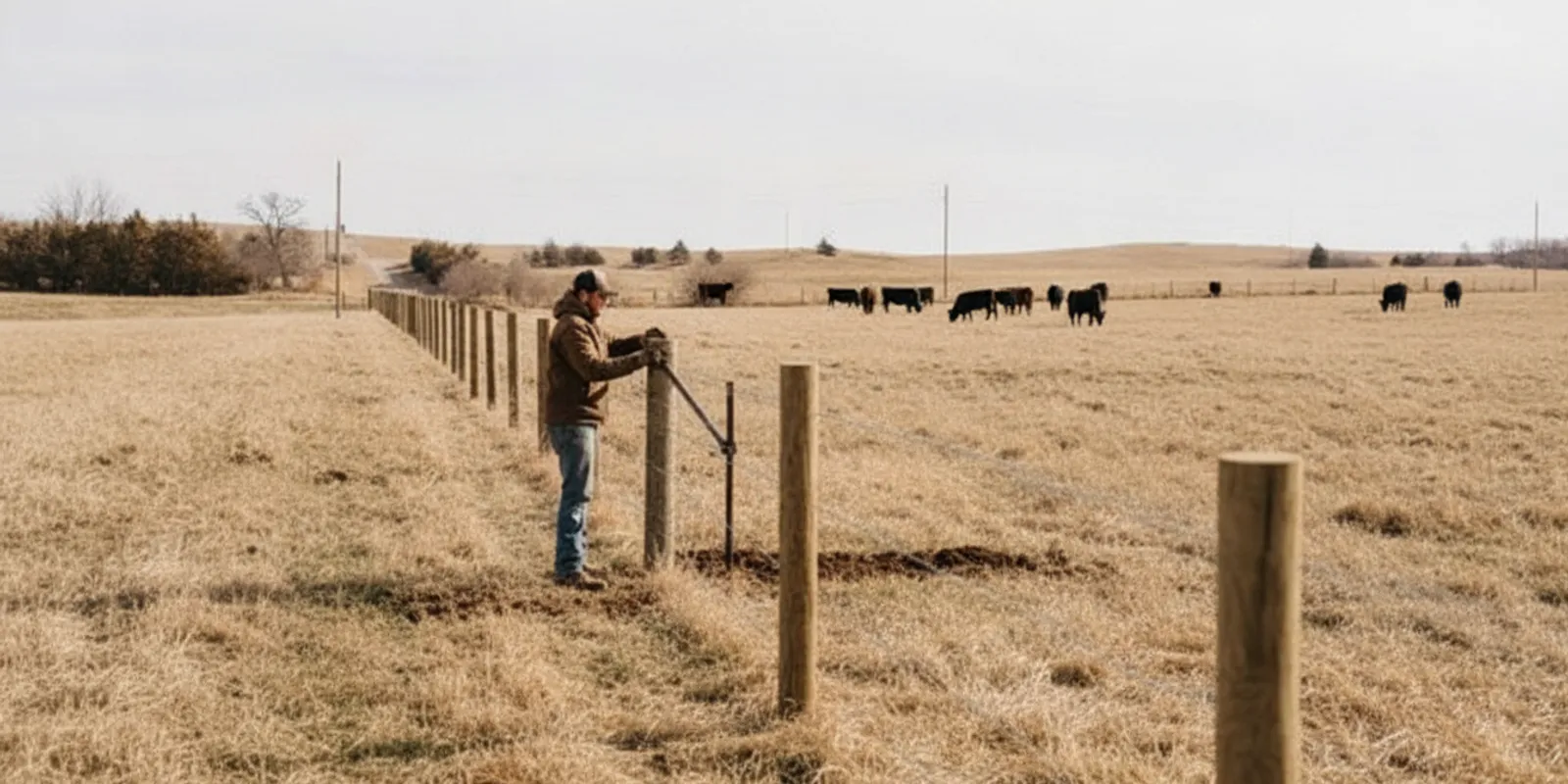
This is where the fence truly takes shape. We start by setting the posts, paying close attention to depth and spacing. Corner and end posts are critical for strength, so we make sure they are set deep enough to anchor the entire structure. As a rule of thumb, the depth of a corner post should be at least equal to the height of the top wire. Then, we build sturdy H-braces that can handle the immense pressure of a properly tensioned fence. Finally, we stretch the wire, whether it's barbwire or hi-tensile, until it's drum-tight. This prevents sagging and ensures your fence remains an effective barrier. You can see examples of our sturdy construction in our project gallery.
Final Inspection and Cleanup
Our job isn't finished until you are completely satisfied. After the last wire is stretched, we conduct a final inspection and walk the entire fence line with you. We check every post, brace, and wire to ensure it meets our high standards and your expectations. This is your opportunity to review the work and ask any final questions. We also believe in leaving your property better than we found it. We'll clean up any leftover materials and debris from the installation, leaving you with nothing but a brand-new, reliable fence. We stand behind our work, and this final walkthrough is our commitment to delivering quality you can trust.
Professional Installation vs. DIY: Why Hire an Expert?
As a farmer or rancher, you’re used to handling things yourself. The temptation to build your own fence is understandable, but it’s one of those jobs where cutting corners can create major headaches later. While a DIY project might seem like it saves money upfront, hiring a professional is an investment in your farm’s security, efficiency, and long-term success. An expert ensures the job is done right the first time, saving you from costly repairs, escaped livestock, and the sheer physical strain of the work. It’s about getting a durable, reliable fence that lets you focus on what you do best: running your operation.
Expertise, Efficiency, and Quality
Building a proper farm fence is more than just setting posts and stringing wire. It’s physically demanding work that requires specialized knowledge and equipment. A professional fence installation team can complete your installation much faster than a DIY approach, which means less disruption for your livestock and your daily schedule. Professionals have the experience to handle challenges like uneven terrain and rocky soil, ensuring every post is set correctly for maximum stability.
Hiring an expert also allows you to avoid the intense physical labor of digging, lifting, and measuring. This demanding work can lead to strain or injury, taking you away from other important tasks. A professional crew has the right tools and techniques to build a high-quality fence with proper bracing and tension, ensuring it will stand strong against weather and pressure from livestock for years to come.
Safety and Long-Term Savings
A professionally installed fence is a secure fence. When your livestock’s containment and safety are on the line, you can’t afford the risk of a weak post or a wire that loses tension. An expert build prevents animals from getting out and predators from getting in, protecting your investment and giving you peace of mind. This initial investment pays for itself over time by creating a long-lasting, secure fence that requires fewer repairs and replacements.
Beyond the quality of the work itself, reputable fence contractors stand behind their installations. One of the most important things to look for when hiring a company is whether they offer warranties and guarantees for their craftsmanship. This commitment ensures that if any issues arise from the installation, the company will be there to make it right, protecting you from unexpected expenses down the road.
Custom Solutions for Your Operation
Every farm in Central Nebraska is unique, and your fencing should be too. A professional fence company doesn’t just install a one-size-fits-all product; they provide a custom solution tailored to your specific needs. During an initial consultation, an expert will assess your property, discuss the type of livestock you manage, and help you choose the right materials. They can help you decide between options like barbwire, hi-tensile, and continuous fences to find the perfect match for your goals and budget.
This tailored approach ensures your fence is not only effective but also enhances your farm’s overall productivity and safety. A professional considers factors you might overlook, such as gate placement for easy access and how the local terrain will impact the fence’s structure. By partnering with an expert, you get more than just a fence; you get a strategic asset built to support your operation for the long haul.
How to Choose the Right Farm Fence Company
Choosing a fencing partner is a big decision. Your fence is a long-term investment in your property's security and your livestock's safety. You need a company that not only puts posts in the ground but also understands the unique demands of your operation. When you start vetting companies, focus on their experience, the services they offer, the quality of their work, and the promises they stand behind. Taking the time to ask the right questions now will save you headaches and money for years to come.
Look for Local Experience
A fence company that understands Central Nebraska is essential. Our weather, soil, and the needs of our livestock are specific, and you want a team that gets it. A contractor with local experience knows how deep to set posts to get below the frost line and what materials hold up best against our harsh winters and hot summers. They understand the terrain in places like Greeley, Buffalo, and Hall Counties and can anticipate challenges before they become problems. When a company has a long history of building fences in your area, it’s a strong sign they know how to build one that will last.
Evaluate Their Range of Services
Look for a company that can handle your project from start to finish. A full-service fencing partner can save you the hassle of coordinating multiple contractors. Do they offer fence tear-outs and line clearing? Can they build the specific type of fence you need, whether it’s barbwire, hi-tensile, or a custom corral? A company with a wide range of services can provide a complete solution tailored to your farm. This ensures every part of the job, from initial dirt work to the final wire stretch, is handled with consistent quality and a clear vision for the finished project.
Check Their Materials and Installation Standards
The durability of your fence comes down to two things: the materials used and the quality of the installation. Don’t be afraid to ask a company about the gauge of their wire or the treatment on their posts. A reputable contractor will be proud to talk about the quality of their supplies. More importantly, look at their work. A well-built fence has tight wires, solid bracing, and perfectly set corner posts. You can often see their installation standards in the details. A company that doesn’t cut corners on installation is one that builds a fence designed to perform for decades, not just a few seasons.
Ask About Warranties and Guarantees
A warranty is more than just a piece of paper; it’s a company’s promise to stand behind their work. Before you sign a contract, make sure you understand what guarantees are offered. Does the warranty cover materials, labor, or both? How long does it last? A company that is confident in its craftsmanship will offer a clear and fair warranty. This protects your investment and gives you peace of mind knowing that if something goes wrong, the company will be there to make it right. We encourage you to ask about warranties upfront as part of your decision-making process.
Your Partner in Central Nebraska Farm Fencing
Choosing a farm fence company isn't just about hiring someone to put up a fence; it's about finding a partner who understands your land and your livelihood. You need a team that gets the unique challenges of farming in our part of the country. A true partner will be with you from the first handshake to the final inspection, ensuring the work is done right and built to withstand the test of time and Nebraska weather.
Serving Greeley, Buffalo, and Hall Counties
When it comes to your farm, local knowledge is everything. Working with a company that’s right here in Central Nebraska means they understand the soil, the weather patterns, and the specific needs of livestock owners in our area. We are proud to be a local partner for farmers and ranchers throughout Greeley, Buffalo, and Hall Counties. This familiarity with local conditions means we can recommend and build fencing solutions that are not just effective, but also durable and perfectly suited to your property.
Our Full-Service Offerings
A fencing project has a lot of moving parts, from planning and material selection to installation and cleanup. We manage the entire process so you don’t have to. Our comprehensive fencing services cover everything from an initial consultation to the final walkthrough. Whether you need a classic barbwire fence, a modern hi-tensile system, or a custom-built corral, we handle every detail. Our goal is to provide a seamless experience and a finished product that gives you peace of mind for years to come.
More Than Fencing: Line Cleaning and Dirt Work
A sturdy fence starts with a clear foundation. Overgrown fence lines, old wire, and uneven ground can compromise even the best installation. That’s why we offer more than just fencing. Our fence line cleaning and dirt work prepare your land for a successful project. We can tear out old, failing fences and clear away brush and debris, creating a clean slate. This prep work ensures your new fence has a solid, straight, and stable base, which is essential for its strength and longevity.
Related Articles
Frequently Asked Questions
How long will my new farm fence actually last? The lifespan of your fence really comes down to two things: quality materials and expert installation. A professionally built fence using high-grade wire and properly treated posts can easily last for decades. The key is ensuring the foundation, especially the corner posts and bracing, is solid enough to handle Nebraska's weather and constant tension. While a DIY fence might last a few years, an expertly installed one is a long-term investment that you won't have to worry about for a very long time.
My property has a lot of hills and uneven ground. Can you still build a tight fence? Absolutely. Handling varied terrain is a normal part of building fences in Central Nebraska, and it's one of the main reasons to work with an experienced installer. A professional knows the right techniques to set posts and stretch wire across hills and dips to maintain consistent tension and prevent gaps. We can build a fence that follows the contours of your land, creating a secure barrier that is effective no matter how rolling the landscape gets.
What's the single most important part of a fence to get right? If you have to pick just one thing, it’s the corner and end assemblies. These are the anchors for the entire fence line. They bear all the tension from the stretched wires, so if they are weak, the whole fence will eventually sag and fail. Using substantial posts set deep in the ground and building strong H-braces are non-negotiable for a fence that will stand tall and tight for years. Getting this foundation right is the secret to a long-lasting fence.
How do I decide between barbwire and hi-tensile fencing? The best choice depends on your budget and long-term goals. Barbwire is a classic, cost-effective solution that works very well for containing cattle. It's a reliable and familiar physical barrier. Hi-tensile fencing is a more modern option that costs more upfront but offers superior strength and durability. Because it can be tensioned so tightly, you often need fewer posts, and it generally requires less maintenance over its long life. We can help you weigh the pros and cons for your specific pasture.
Can I save money by clearing the old fence and brush myself? You certainly can handle the prep work yourself, but having your fencing company do it often saves you time and ensures a better result. We have the right equipment to tear out old fences and clear brush efficiently, which can be very tough physical labor. A professionally cleared line is also perfectly straight and prepared for installation, which helps the whole project run smoothly and results in a stronger, better-looking final fence.
Comments