
Best Time to Install Farm Fence in Nebraska

Updated: Sep 14
The best time to install farm fence in Nebraska is usually spring or fall, when the ground is workable and farm schedules allow efficient work. However, the right window depends on soil moisture, frost, access, livestock needs, fence type, and the amount of fence line cleaning or dirt work required.
Rapid Fence helps farmers and livestock owners plan durable barbwire, hi-tensile, and continuous fence projects across Central Nebraska. For the broader installation process, see the guide to agricultural fence installation in Nebraska, then use the seasonal planning advice below to choose a practical project window.
When Is the Best Time to Install Farm Fence in Nebraska?
The best time to install farm fence in Nebraska is the first workable period when the site, the operation, and the fence plan are ready together. That usually means the ground can support equipment, the route is accessible, and the livestock plan is clear. A calendar date alone cannot account for those conditions.
Start with the job's purpose. A perimeter fence that protects livestock may take priority over a decorative or future improvement. A cross-fence may need to be ready before a grazing rotation begins. A working lot or custom corral may need more detailed layout, stronger continuous fence, or additional gates than a simple pasture line. Defining the outcome helps a contractor recommend the right sequence instead of treating every fence project alike.
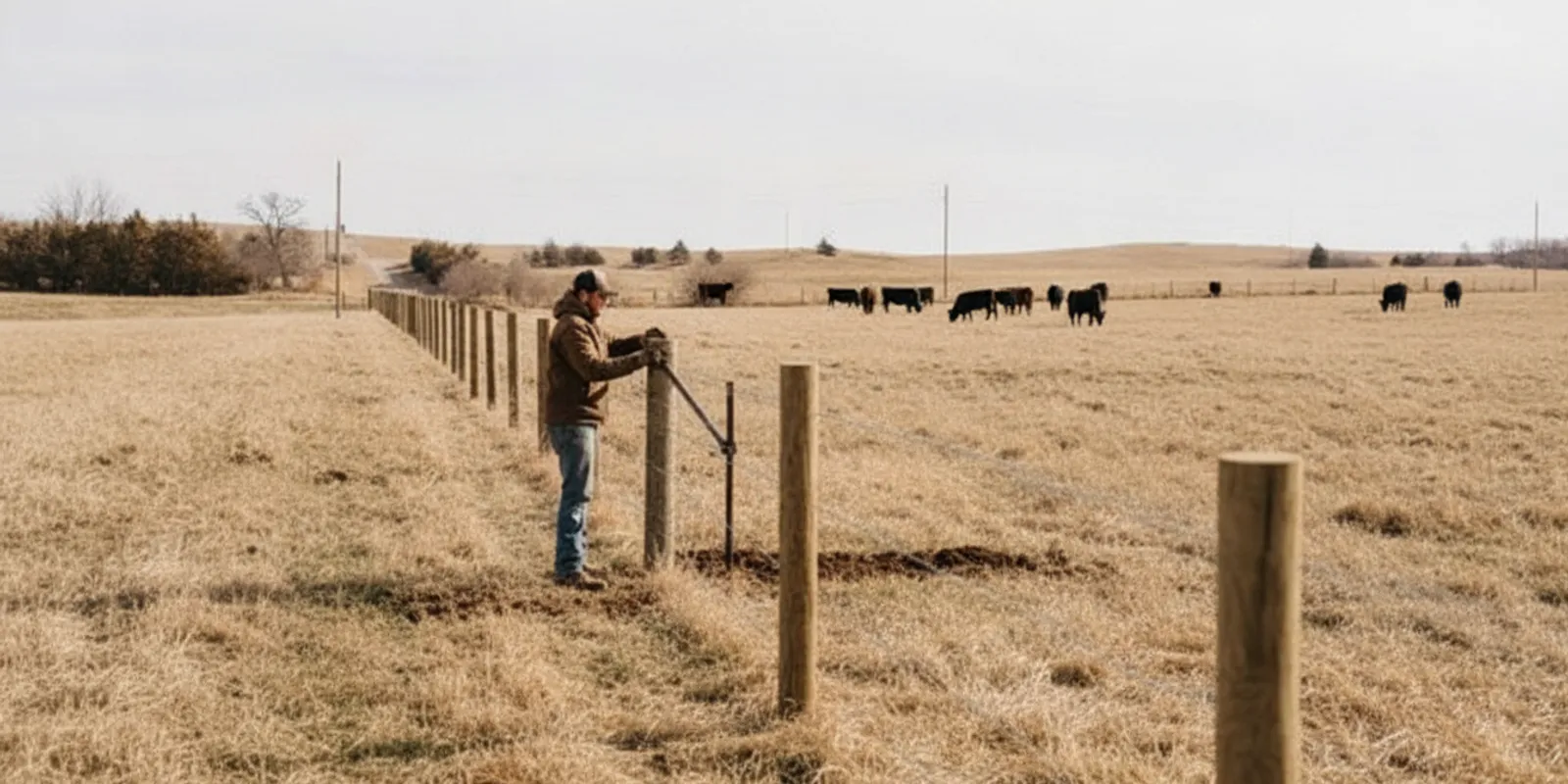
Next, inspect the route and access. Note low areas that stay wet, steep ground, creek crossings, existing wire, brush, and places where trucks or equipment may have difficulty turning. If the work includes a tear-out, fence line cleaning, or dirt work, those tasks may determine the schedule more than post-setting does. Preparing the corridor before the preferred installation window can make the final work more efficient.
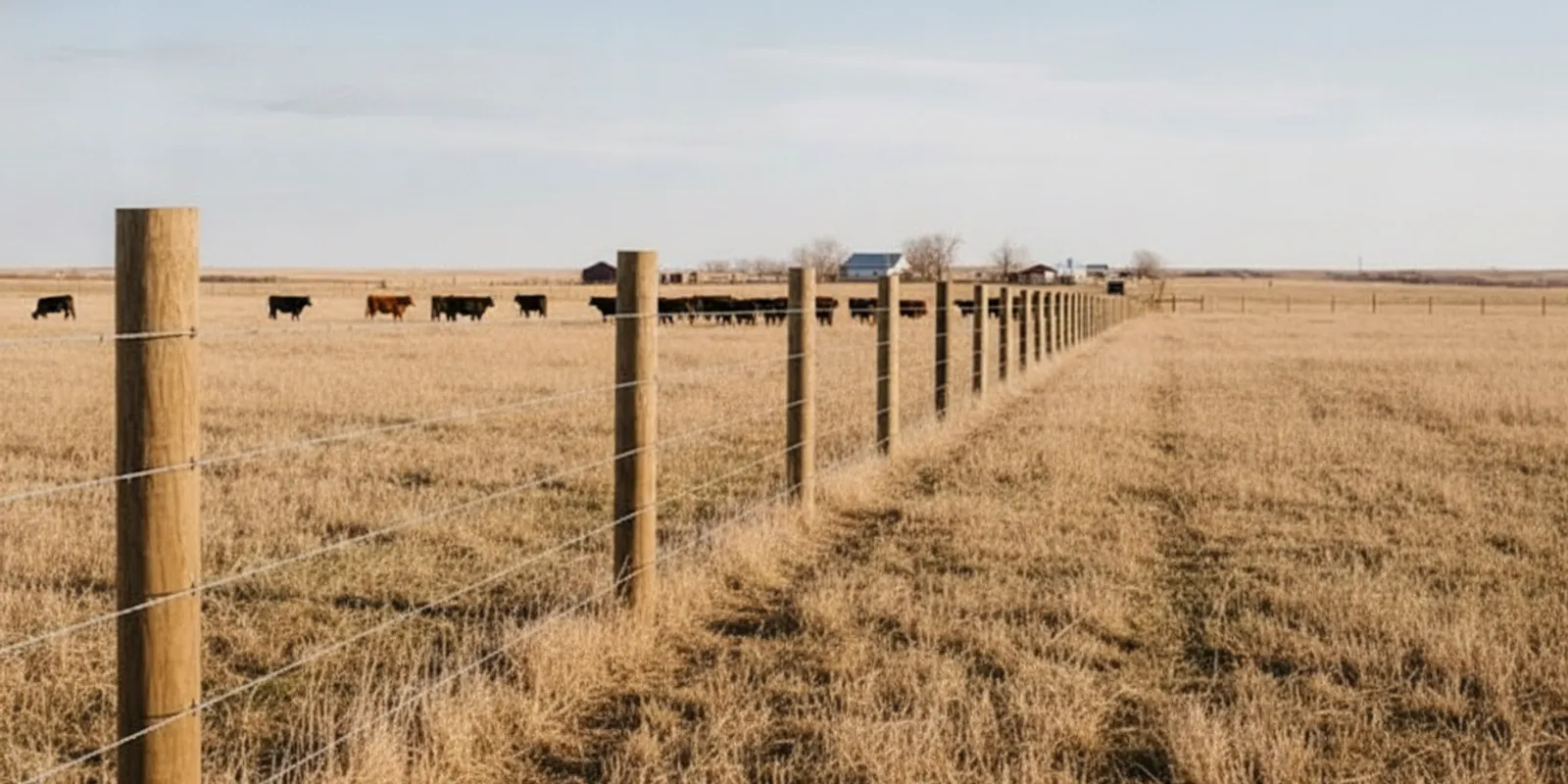
Finally, match the fence system to the pressure it will face. Barbwire and hi-tensile fence can serve many pasture and perimeter needs when properly braced and tensioned. Continuous fence may be better suited to high-pressure livestock areas. The installation window should leave enough time for corners, braces, gates, tensioning, and a final walk-through. This planning approach is useful for farms and ranches in Greeley, Buffalo, and Hall Counties, as well as nearby Central Nebraska communities.
Why Fall and Spring Are Peak Seasons for Fence Installation in Nebraska.
Spring and fall are often the most convenient seasons for agricultural fence installation in Nebraska because they can offer workable ground, moderate temperatures, and a natural planning point between major field and livestock activities. They are not automatic guarantees. A wet spring, early freeze, or congested farm schedule can change the best window for a specific property.
Spring installation
Spring gives many landowners a chance to repair or replace fence before grazing pressure increases. Once frost has left the ground and wet areas can support equipment without rutting, crews can assess the fence line, set posts, build braces, stretch wire, and complete gates or transitions. Spring is also a useful time to address storm damage and weaknesses found during winter checks.
The main limitation is moisture. Soil that is saturated may not hold equipment well, and driving through a soft fence corridor can create ruts or complicate later dirt work. The best spring project is one scheduled around the property's actual drainage and field conditions, not just a calendar date.
Fall installation
Fall is frequently attractive for fence work after harvest activity eases and before winter conditions make post-setting difficult. A completed perimeter or cross-fence can improve livestock control during the colder months and leave the operation better prepared for the following grazing season. Cooler temperatures can also make long outdoor workdays more manageable than the hottest part of summer.
Fall has its own deadline risk. A late harvest, extended rain, or an early freeze can reduce the workable window. Landowners who need a substantial fence line cleaning, tear-out, or dirt work should contact a contractor well before the preferred installation month.
How Does the Best Time to Install Farm Fence in Nebraska Depend on Ground Conditions?
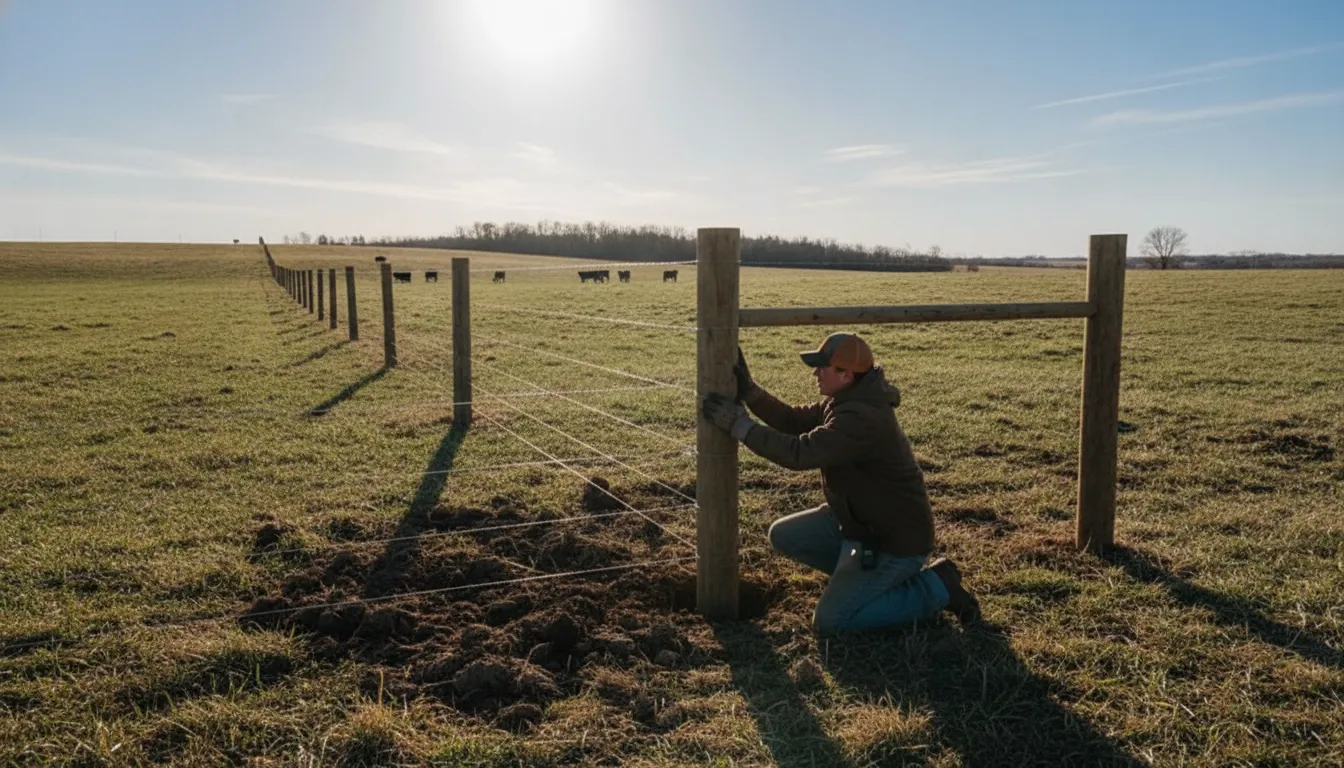
Ground conditions matter more than the season label. A professional fence crew needs soil that can be excavated or driven without excessive disturbance, while the finished posts and braces must remain stable as moisture and temperature change. Rapid Fence evaluates access, terrain, drainage, soil behavior, and fence loads before recommending a workable installation window.
Summer fence installation
Summer can be a practical option when the ground is firm and the project can be scheduled around haying, crops, grazing rotations, and heat. Dry conditions may improve access, but excessively hard ground can make post-setting slower and increase equipment demands. High temperatures also affect crew safety, livestock handling, and the timing of concrete or other installation work.
Summer is especially useful for projects that need careful site preparation before installation. Fence tear-outs, fence line cleaning, and dirt work can be coordinated before the new barbwire, hi-tensile, or continuous fence is built. If the fence is intended for high-pressure livestock areas, the schedule should leave enough time for proper bracing, tensioning, gates, and final checks.
Winter fence installation
Winter is the most variable season for new agricultural fence installation. Frozen ground, snow, ice, short daylight, and changing access can make post-setting and site preparation difficult. A mild, dry period may still allow selected work, but a contractor should confirm conditions at the property instead of promising a universal winter installation schedule.
Winter is often more valuable as a planning season. Landowners can walk the boundary, identify leaning posts or broken wire, confirm gate locations, mark areas needing clearing, and request a quote before spring demand increases. Planning does not require disturbing frozen ground, and it gives the contractor time to build a practical scope around the operation.
Seasonal comparison for Nebraska farm fencing
Season | Potential advantages | Conditions to watch |
Spring | Pre-grazing repairs, moderate weather, fresh winter damage assessment. | Wet or saturated soil, late frost, competing fieldwork. |
Summer | Longer daylight, firm access in some areas, flexible project preparation. | Hard ground, heat, crops, haying, livestock rotation. |
Fall | Post-harvest planning, cooler workdays, preparation for winter and spring. | Harvest delays, rain, early freeze, shorter deadline. |
Winter | Project scoping, estimates, boundary planning, material decisions. | Frozen ground, snow, ice, limited access and daylight. |
For design and planning considerations, the USDA NRCS Fence Code 382 standard is a useful reference. It reinforces that fence planning should account for purpose, site conditions, materials, and construction details rather than treating installation as a one-size-fits-all job.
Planning Ahead: How Far in Advance Should You Schedule Farm Fence Installation?
Farm and ranch fence projects should be scheduled as early as practical, especially when the work includes clearing, tear-out, dirt work, custom corrals, multiple gates, or a long perimeter. Early planning gives Rapid Fence time to understand the site, identify the best weather window, and organize the installation around livestock and field operations.
There is no single lead time that fits every project. A short repair and a full property perimeter have different requirements. The schedule can also change with rain, frost, crop work, material availability, access, and the condition of the existing fence line.
What to share when requesting a quote
The fence purpose, such as a perimeter, pasture division, livestock containment area, or working lot.
The approximate fence length and the locations of corners, gates, crossings, and transitions.
The livestock involved and where pressure on the fence will be highest.
The preferred fence system, if known, such as barbwire, hi-tensile, continuous fence, or a combination.
Areas that need fence tear-outs, fence line cleaning, brush removal, grading, or dirt work.
Any seasonal deadline, grazing change, calving activity, harvest date, or equipment-access restriction.
Photos, a marked aerial image, or an on-site walkthrough can make the initial conversation more useful. The goal is not to force a final design before the site is reviewed. The goal is to give the contractor enough context to plan the right questions and identify a realistic installation window.
What You Can Do in Winter to Prepare for Spring Installation.
Winter preparation can turn a rushed spring repair into a better-planned installation. Before the ground becomes workable, landowners can define the job, inspect the existing fence, and resolve decisions that otherwise slow down the crew. This is also the time to separate urgent livestock-containment repairs from longer-term improvements.
- Walk the fence line safely.
Note leaning posts, broken wire, failed braces, washed-out areas, fallen limbs, and gates that no longer close correctly.
- Mark the intended route.
Identify property boundaries, water crossings, drainage areas, lanes, equipment paths, and places where livestock or vehicles need access.
- Decide what can be repaired.
Some existing sections may be serviceable, while other sections need a complete tear-out and replacement.
- Choose the job priorities.
Start with the fence lines needed for containment, safety, grazing rotation, or livestock handling.
- Request an early site review.
A contractor can help identify site preparation, bracing, gate, and material decisions before spring work begins.
Rapid Fence offers a full-service approach that can include fence tear-outs, fence line cleaning, dirt work, professional installation, and structural repair. Coordinating those pieces early helps keep the finished system aligned with the way the farm or ranch actually operates. For the broader installation process, review the agricultural fence installation guide and the Rapid Fence services page for available installation and site-preparation options.
Why Booking Early Gets You Better Scheduling and Project Planning.
Booking early does not guarantee a particular date or a lower project price. It does give the landowner more time to compare the installation window with livestock, crops, access, and weather. It also allows the quote to reflect the real scope instead of leaving site preparation or structural needs until the crew is already mobilized.
For a quote-based project, pricing depends on details such as fence type, length, materials, terrain, access, removal, cleaning, dirt work, gates, bracing, and labor. A clear site review is more useful than a generic per-foot assumption. It helps the customer understand what the project includes and helps the contractor plan an efficient installation.
Rapid Fence serves agricultural property owners across Central Nebraska, including Greeley, Buffalo, and Hall Counties, from its base in Scotia. The company also works with customers in surrounding communities within its service area. For a durable system, the season is only one part of the decision. Proper bracing, tension, layout, and site preparation matter in every month.
Frequently Asked Questions.
What is the best month to install a farm fence in Nebraska?
There is no single best month for every property. Spring and fall are often preferred because temperatures and ground conditions may be workable, but soil moisture, frost, crop schedules, livestock needs, and access determine the practical window. A site review is more reliable than choosing a month by the calendar alone.
Can agricultural fence be installed in the summer?
Yes. Summer installation can work when the ground is accessible and the project is scheduled around heat, crops, haying, and livestock movement. Very dry or hard ground may affect post-setting, so the contractor should confirm the property conditions and plan site preparation, bracing, and tensioning accordingly.
Can a fence contractor install posts in frozen ground?
Frozen ground can make post-setting and excavation difficult, and winter access may be limited by snow or ice. Some work may be possible during a mild, dry period, but new installation should be evaluated at the property. Winter is often better used for inspection, design decisions, and scheduling spring work.
How early should I request a farm fence quote?
Request a quote as soon as you know the project is needed, particularly for a long perimeter, custom corral, multiple gates, or a job requiring tear-out and dirt work. Early contact gives Rapid Fence time to review the site, discuss the fence system, and coordinate the work with your agricultural calendar.
Rapid Fence LLC builds agricultural fencing for Central Nebraska operations with a focus on durable construction, proper bracing and tension, efficient service, and local knowledge. Contact the team to plan your fence project around the conditions that matter on your property.
Comments