
4. The Real Cost of Cheap Farm Fencing (and How to Save)

Building a fence in Central Nebraska is a unique challenge. Our landscape, from the flat river valleys to the rugged Sandhills, demands a fence that is both tough and reliable. When you're looking for cheap farm fencing, you need a solution that's proven to work right here, not just on paper. A fence that can't handle our soil conditions or stand up to a blizzard isn't a good deal at any price. This guide focuses on practical, cost-effective fencing that is perfectly suited for our local environment, helping you make a choice that ensures your livestock stay put and your investment lasts.
Key Takeaways
- Prioritize Long-Term Value Over Upfront Price
: The most affordable fence is one built to last. A quality installation using durable materials prevents the costly cycle of repairs and replacement, saving you more money over the life of the fence.
- Control Costs with Smart, Strategic Planning
: Make your budget work for you by planning the entire project in advance. Buying materials in bulk, installing the fence in phases, and getting a detailed quote are practical ways to manage expenses without compromising on quality.
- Match Your Fence to Your Farm's Needs
: There is no one-size-fits-all solution. Choose your fencing materials based on the specific animals you need to contain, and ensure the construction is suited for Nebraska's unique terrain and weather to guarantee a secure boundary.
What Are the Most Affordable Farm Fencing Options?
When you're running a farm or ranch, every dollar counts. Fencing is a major investment, but it doesn't have to break the bank. The key is to look beyond the initial price tag and consider the long-term value. The most "affordable" fence is one that does its job effectively for years to come with minimal fuss. For most agricultural needs in Nebraska, you don't need a privacy fence or something designed for a suburban backyard; you need a practical, durable barrier to manage your livestock and protect your property.
Thinking about what you need to contain is the first step. Are you managing a large cattle herd across rolling pastures, or do you need to keep smaller animals like goats in a specific area? Each scenario has a cost-effective solution. Let's walk through four of the most common and budget-friendly farm fencing services to help you find the right fit for your land and your livestock. We'll look at barbed wire, hi-tensile, electric, and woven wire options, breaking down the pros and cons of each so you can make a smart, informed decision.
Barbed Wire Fencing
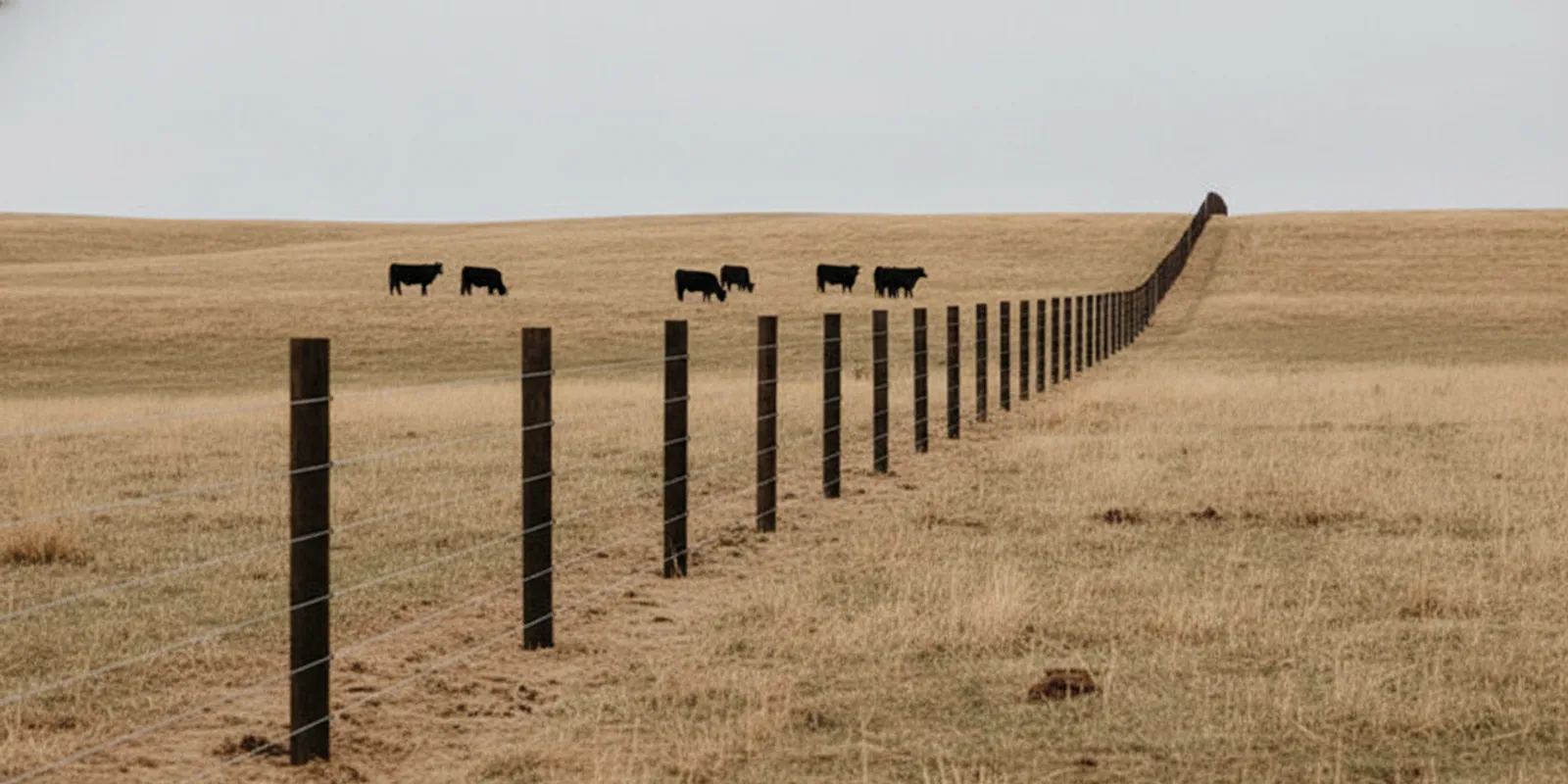
Barbed wire is a classic for a reason. It’s one of the most cost-effective ways to enclose large pastures, making it a go-to for cattle ranchers across Nebraska. The simple design, consisting of two or more strands of wire with sharp barbs at regular intervals, creates a strong psychological and physical deterrent for livestock. Its main advantage is its low upfront cost for both materials and installation.
Because it's a straightforward system, it requires less labor to install compared to more complex fences. Plus, it’s built to last. A properly installed and tensioned barbed wire fence can serve you well for up to 20 years with very little maintenance. While it won’t win any beauty contests or offer privacy, it’s a workhorse fence that excels at its primary job: containing cattle safely and affordably.
Hi-Tensile Fencing
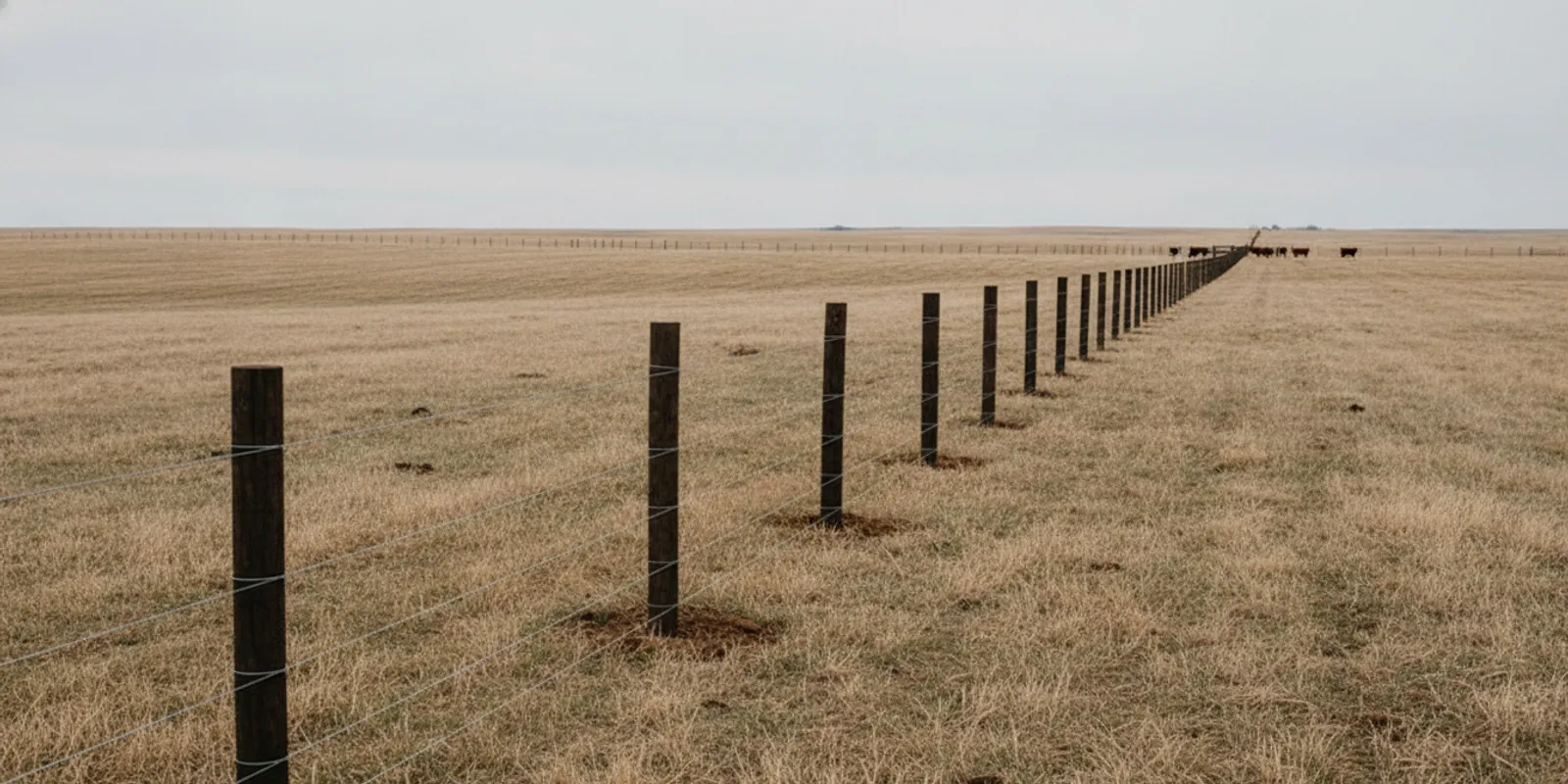
If you're looking for a modern fence that combines strength, longevity, and affordability, hi-tensile fencing is an excellent choice. This type of fence uses wire that is stronger and more elastic than traditional low-carbon wire. Because of its strength, the wire can be pulled much tighter, which means you can place posts farther apart. This reduces the costs of both materials and labor, making it a very economical option for fencing large areas.
Hi-tensile fencing is incredibly durable and requires very little maintenance over its long lifespan. It stands up well to Nebraska's weather and pressure from livestock. It’s also versatile and can be configured in various strand counts to safely contain different types of animals, from cattle to horses. It’s a smart investment that provides a secure boundary without the high price of more traditional fencing.
Electric Fencing
Electric fencing is another highly affordable and effective option, especially for managing livestock grazing patterns. It works as a psychological barrier; once an animal touches it and receives a short, safe shock, it learns to stay away. Because the fence relies on a mental deterrent rather than brute force, you can use lighter and fewer materials, like poly-tape or thin wire and step-in posts. This makes it one of the cheapest fences to install.
The low material cost and ease of setup make electric fencing perfect for temporary or rotational grazing systems. It’s also a great choice for reinforcing existing fences. Maintenance is generally simple, mainly involving checking the charger and keeping the fence line clear of vegetation. For a flexible and low-cost way to manage your livestock, an electric fence is hard to beat.
Woven Wire Fencing
While woven wire fencing often comes with a higher upfront cost, it provides unmatched security for certain types of livestock. This fence is made from a mesh of interconnected wires, creating a formidable physical barrier that’s ideal for containing smaller animals like sheep, goats, and hogs that might slip through the strands of a barbed or hi-tensile fence. It's also an effective solution for keeping predators out of your pastures.
The higher price reflects the greater amount of steel used in its construction. However, that investment pays off in the long run. A well-built woven wire fence is incredibly strong and can last for decades with proper maintenance. When you need a truly secure enclosure for specific animals, the long-term value and peace of mind offered by woven wire fencing often justify the initial expense.
Breaking Down the Real Cost of Farm Fencing
The price tag on a roll of wire is just the beginning. To truly understand your investment, you need to look at the complete picture, from the materials you choose to the ground you’re building on. A cheap fence that fails in a year isn't a bargain; it's a down payment on a bigger, more expensive problem. Thinking through the total cost from the start helps you build a fence that protects your livestock and your budget for years to come. Let's break down the key factors that shape the final cost of your agricultural fence.
Calculating Material Costs
Your first step is to calculate the cost of materials, which is the most straightforward part of your budget. The total length of your fence line is the biggest driver here. Start by measuring the perimeter you need to enclose. From there, you can list out the necessary components: posts (corner, line, and brace), wire (barbed, hi-tensile, or woven), gates, and hardware like clips, staples, and tensioners. The type of fencing materials you select will have a significant impact. For example, hi-tensile wire often has a higher upfront cost than standard barbed wire but may require fewer posts, balancing out the expense.
How Nebraska's Terrain Impacts Your Budget
Here in Central Nebraska, the land itself plays a huge role in your fencing budget. A flat, clear pasture is one thing, but fencing across rolling hills, sandy soil, or creek beds is another. Difficult terrain requires more labor, specialized equipment, and potentially more materials to ensure the fence is stable and secure. For instance, setting posts in rocky ground takes more time and effort than in soft loam. As a general rule, you can expect costs to range from $3 to $8 per foot for common fence types, but challenging landscapes can easily push your project toward the higher end of that estimate. Our fencing services are designed to handle these local conditions effectively.
DIY vs. Professional Installation: A Cost Comparison
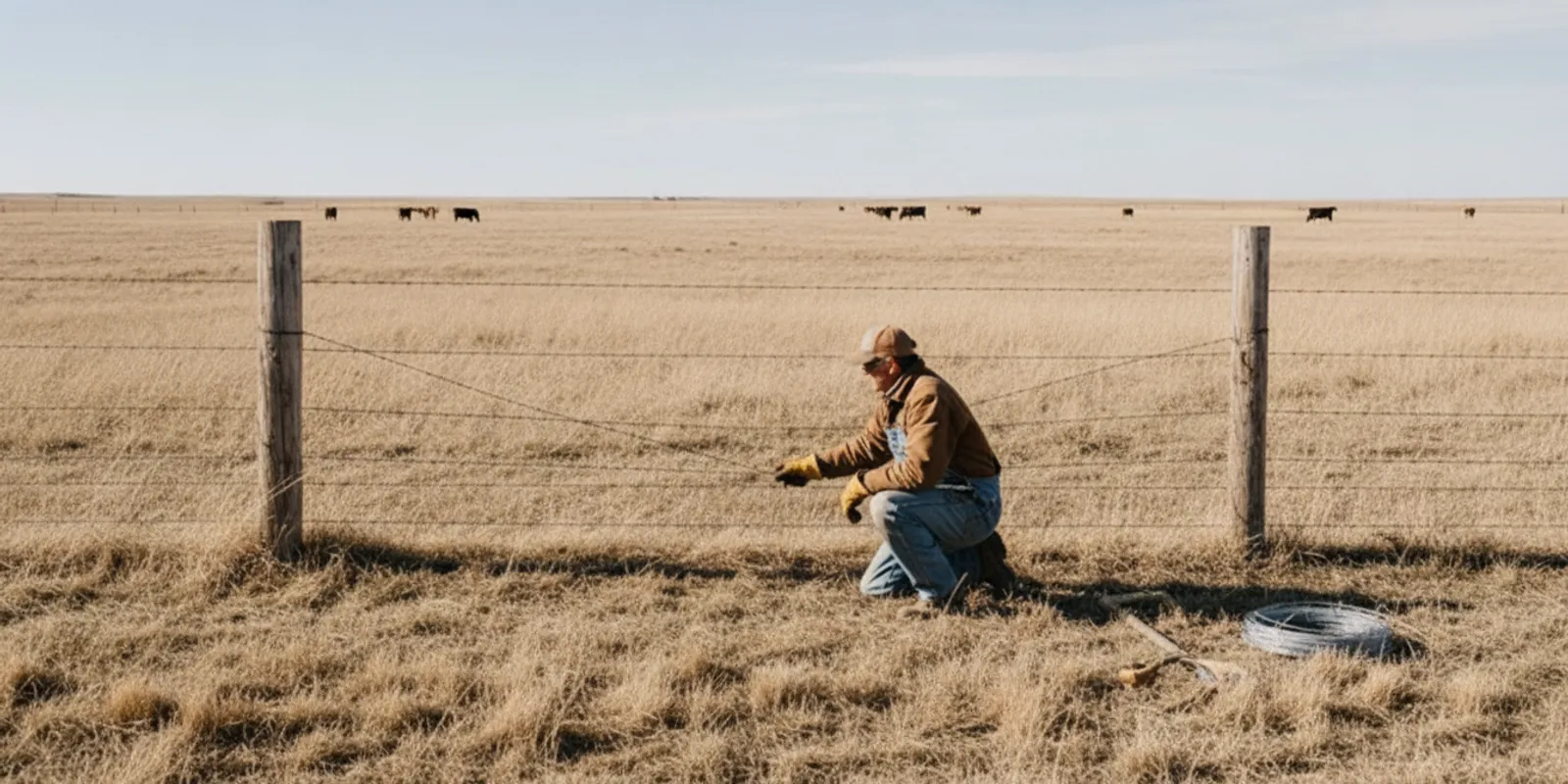
Doing the installation yourself can seem like a great way to save money, and for simple projects, it might be. However, agricultural fencing is more than just sinking posts and stretching wire. Proper installation requires specific knowledge, especially when it comes to bracing corners and tensioning wires correctly. A professional installer brings the right tools and experience to get the job done efficiently and correctly the first time. A DIY mistake, like a weak corner brace, can lead to fence failure, escaped livestock, and the costly process of rebuilding. When you compare professional work to a DIY job, the long-term value of expert installation often becomes clear.
Watch Out for These Hidden Costs
Several expenses can sneak up on you if you're not prepared. Before you can even start building, you may need to budget for fence line clearing to remove trees, brush, and old, failing fences. If the ground is uneven, dirt work might be necessary to create a manageable grade. If you’re going the DIY route, you’ll also need to factor in the cost of renting specialized equipment like a post pounder or wire stretcher. Neglecting these details can lead to project delays and unexpected bills. When you ask for a quote, make sure it’s comprehensive so you can avoid surprises. You can always contact us for a detailed estimate.
Don't Forget Permits and Seasonal Pricing
While most agricultural fences in rural areas don't require a permit, it's always a good idea to check with your local county office, especially if your fence line is near a public road or waterway. Another factor to consider is timing. Spring is peak fencing season, which can mean higher demand and longer wait times for installers. Planning your project for the off-season, like late fall, could potentially lead to better availability. Finally, if you're replacing a fence damaged by a natural disaster, look into government assistance. Programs like the USDA's Emergency Conservation Program can sometimes cover a significant portion of the replacement cost.
How to Save on Fencing Without Cutting Corners
Every farmer knows that a good fence is an investment, not just an expense. But let's be honest, the upfront cost can be a tough pill to swallow. The good news is that you don't have to choose between a fence that fits your budget and one that actually lasts. Saving money on your fencing project is entirely possible without compromising on the quality that keeps your livestock secure and your property protected. It’s all about smart planning and knowing where you can be frugal versus where you absolutely need to invest.
Cutting corners on the wrong things, like post depth or proper bracing, will only lead to headaches and costly repairs down the road. Instead, focus on strategies that reduce costs without sacrificing strength and durability. From buying materials in bulk to phasing your installation, there are several practical ways to make your fencing dollars stretch further. We’ll walk through some of the best ways to save money while still building a fence that stands up to Nebraska’s demanding conditions and serves your farm for years to come.
Buy Your Materials in Bulk
If you're fencing a large pasture or your entire property line, one of the most effective ways to save is to buy your materials all at once. Suppliers often give better pricing on bulk orders of posts, wire, and hardware. Before you start, map out your entire project to get a clear idea of the total materials you’ll need. This approach not only saves you money but also ensures you have everything on hand, preventing delays. Working with a professional installer can also give you access to their supplier relationships, which might unlock even better deals for bulk purchases.
Install the Fence in Stages
Feeling overwhelmed by the total cost of your project? You don't have to do it all at once. A great strategy is to build your fence section by section over time. Start with the most critical areas first, like the sections bordering a busy road or a neighbor's property. This phased approach allows you to spread the cost out over several months or even a couple of years, making it much more manageable for your budget. It also means you can afford to use high-quality materials for each section instead of settling for cheaper, less durable options just to get the whole job done immediately.
Use Your Property's Natural Features
Take a walk around your property and see what nature has already provided. Do you have dense tree lines, creeks, or steep embankments that can serve as natural barriers? Incorporating these features into your fence plan can significantly reduce the amount of materials and labor you need. In some cases, you might even be able to use healthy, mature trees for fence posts, though you should always check that they are strong and stable enough to handle the tension. Using the land to your advantage is a classic farming principle that applies just as well to fencing.
Measure Twice to Buy Once
One of the easiest ways to waste money is by ordering the wrong amount of materials. Too much, and you're left with unused supplies; too little, and you're scrambling to place another order, potentially paying extra for shipping or a small load. Before you buy a single post or roll of wire, take the time to map out your property and get precise measurements. Account for gates, corners, and any tricky terrain. This simple step ensures you buy exactly what you need, saving you both money and a whole lot of frustration. If you need help getting it right, our team at Rapid Fence can provide an accurate estimate.
Avoid These Common, Costly Mistakes
When you're trying to save money, it can be tempting to skimp on the "unseen" parts of a fence, but this is where quality matters most. According to fencing experts, weak and inadequate fence corners are the number one reason fences fail. A fence is only as strong as its foundation, so investing in proper bracing and deep-set corner posts is non-negotiable. The same goes for proper wire tensioning. A sagging fence is an ineffective one. Spending a little more on these critical construction steps will save you from the much larger expense of rebuilding a failed fence in a few years.
How to Choose the Best Fence for Your Farm
Choosing the right fence goes beyond just picking the cheapest materials. It’s about making a smart investment that protects your livestock, respects your land, and holds up for years. A fence is a critical piece of your farm’s infrastructure, and getting it right from the start saves you headaches and money down the road. To make the best choice, you need to think about what you’re containing, how much time you can spend on upkeep, your budget for the long haul, and the unique challenges of your property.
Match the Fence to Your Livestock
The first question to ask is: what animals are you keeping in? A fence designed for a herd of cattle won't work for goats or sheep, who are notorious for testing boundaries. Cattle require strong, visible barriers like barbwire or hi-tensile fencing to respect the line, while smaller animals need woven wire to prevent them from slipping through. Making the right choice from the beginning helps you avoid the most common cattle fencing mistakes, like escapes or injuries, which are far more costly than installing the correct fence in the first place.
Plan for Long-Term Maintenance
Every type of fence requires some level of upkeep, and those costs add up over time. While a hi-tensile fence might have a lower initial installation cost, it needs regular tension checks to remain effective. Wooden posts can rot and need replacing, and wire can sag after a tough winter. Factoring in the ongoing farm fence cost of maintenance is essential for creating a realistic budget. A well-built fence with proper bracing and tensioning from the start will significantly cut down on the time and money you spend on future repairs.
Balance Upfront Cost with Long-Term Value
It’s tempting to focus on the upfront material costs, but that’s only part of the story. A cheaper wire might save you money today, but if it rusts or breaks in a few years, you’ll be paying to replace it all over again. Higher-quality materials and professional installation are an investment in durability and peace of mind. For example, the cost of agricultural fencing isn't just about the price per foot of wire; it includes the labor and equipment needed to build a structure that lasts. A strong fence that stands for decades provides much better long-term value than a cheap one that fails.
Factor in Local Nebraska Conditions
Here in Central Nebraska, our land presents unique challenges. The hard, rocky soil in many areas can make setting posts a difficult job, and our dramatic weather shifts demand a fence that can withstand high winds, heavy snow, and intense sun. The terrain itself, from rolling hills to flat pastures, also dictates the best fencing approach. Choosing the right materials and construction techniques for our local conditions is key to a long-lasting fence. This is where local knowledge really counts, ensuring your fence is built to handle everything Nebraska throws at it.
Know When to Call a Professional
While the DIY spirit is strong in any farmer, fence installation is more than just digging holes and stretching wire. Proper installation requires specialized equipment and expertise, especially for setting strong corner posts and achieving the right tension, which are critical for the fence's structural integrity. A professionally installed fence ensures the job is done efficiently and correctly, preventing sagging, leaning, and failure. If you want a fence that’s built to last, our team provides professional installation that guarantees your investment is sound from day one.
Frequently Asked Questions
What is truly the most affordable fence option? The answer really depends on your specific needs. If you're looking at upfront material costs for a large pasture, barbed wire and electric fencing are often the least expensive. However, the most affordable fence in the long run is one that is installed correctly and lasts for decades. A cheap fence that fails in five years and needs to be replaced isn't a bargain. That's why we focus on balancing initial cost with long-term value, so you get a durable fence that won't create surprise expenses down the road.
Which fence is best for containing cattle versus smaller animals like goats? The animal you're managing is the most important factor. For cattle, a simple barbed wire or hi-tensile fence works well because it provides a strong physical and psychological boundary that they learn to respect. Smaller animals like goats or sheep, however, can easily slip through single strands of wire. For them, a woven wire fence is a much better choice because its mesh design creates a solid barrier they can't get through, keeping them safely contained.
How much can I really save by installing the fence myself? While you can save on labor costs by doing it yourself, it's important to consider the risks. Proper agricultural fencing requires specific skills, especially for setting strong corner braces and getting the wire tension just right. A mistake in either of these areas can cause the entire fence to fail, leading to escaped livestock and the cost of a complete rebuild. Professional installation ensures the job is done correctly and efficiently, which often saves you more money over the life of the fence.
Besides the wire and posts, what other costs should I plan for? It's smart to budget for a few other items to avoid surprises. Before you build, you may need to clear the fence line of trees, brush, or an old fence that's falling apart. If your land is very hilly or uneven, some dirt work might be necessary to create a straight, functional line. You'll also need to account for gates and the hardware to hang them. Factoring these potential expenses in from the start will give you a much more realistic picture of your total project cost.
Why is a strong corner post so important for a fence? Think of your corner posts as the foundation of the entire fence. All the tension from hundreds or thousands of feet of wire pulls directly on these corners and braces. If a corner is weak or not set deep enough, it will eventually lean or pull out of the ground, causing the entire fence line to sag and become ineffective. Investing in solid, professionally set corners is the single best thing you can do to ensure your fence stays tight and strong for years to come.
Comments