
Farm Fence Installation Near Ord, NE: Agricultural Services in Valley County

If you are planning farm fence installation near Ord, NE, begin with the job the fence must do—not with a material list. A pasture boundary, cattle working area, and property line place different demands on fence height, wire, bracing, gates, and access. This guide explains what to sort out before you request an estimate, so you can discuss a practical plan for your Valley County farm or ranch. Prepared by Cody Koehn, CEO of Rapid Fence.
What should farm fence installation near Ord, NE accomplish?
Start by naming the fence's main job. Is it intended to contain cattle in a pasture, form a working lot, divide grazing areas, protect a lane, or mark a boundary? The answer affects the fence type and how the line meets gates, corners, existing fences, and daily traffic. A fence that is suitable for one use may not suit another just because both are on the same property.
Then consider what success looks like in ordinary use. Livestock should be contained where intended, gates should be reachable by the equipment that uses them, and the fence line should work with the way you move animals and machinery. Also note any stretches that need to tie into existing fence or connect to a corral. The farm fence selection guide can help you organize those use cases before settling on a design.
For an Ord-area project, think about the whole route instead of judging only the easiest stretch. A straight run across open ground may be simple to visualize, while a corner, low area, crossing, or gate approach may call for extra planning. Mark those places on a sketch and bring it to the first conversation. This makes it easier to identify the important questions before installation begins.
How do you match a fence type to livestock and use?
There is no single fence type that fits every farm. The right choice depends on the animals, the layout, how the fence will be used, and the conditions along the route. Rapid Fence's approved agricultural services include barbwire, hi-tensile, continuous fences, and custom-built corrals. Chain link is another fence option for applications where that style is appropriate. Discuss the actual purpose of each run rather than asking for one material across the entire property by default.
Fence option | Questions to consider | What to review with the installer |
Barbwire | What animals and boundary use will it serve? How many strands does the application call for? | Wire count, post and brace layout, corners, gates, and how the line joins existing fence. |
Hi-tensile | What containment job and route conditions does the fence need to address? | Suitable design and the proper tension for that application, plus bracing and transitions. |
Continuous fence | Is the fence for a high-use area, livestock handling, or another purpose? | Run layout, gate positions, connections, and how the fence will fit the working area. |
Chain link | Does the intended use call for this style of enclosure? | Exact area, access points, connection details, and how it meets the rest of the property. |
Custom corral | How will livestock enter, move through, and leave the working space? | Corral layout, gate placement, traffic flow, and connection to pasture fencing. |
The table is a starting point, not a substitute for a site-specific design. For example, cattle containment along a pasture boundary is not the same task as building a handling area. A corral may need several connected runs and gates, while a long boundary line may focus on route, corners, and reliable transitions. See the continuous cattle fence guide and the barbwire and hi-tensile comparison for more detail on those choices.
Which property details should you review before installation?
Walk the proposed line before the estimate if it is safe and practical to do so. Record where the fence should start and end, the approximate length of each run, the intended gate locations, and places where the line turns or changes direction. A simple map, aerial printout, or marked-up property sketch can help communicate the route. Identify existing fence that should remain, be tied in, or be removed.
- Mark corners and changes in direction.
These are important points to discuss because bracing and line layout depend on how a run begins, ends, and turns.
- Show access needs.
Note where people, livestock, trucks, or farm equipment must pass. Include gate locations and how wide an access opening needs to be for its use.
- Flag difficult stretches.
Identify wet or low areas, uneven ground, brush, debris, and places where the route crosses existing infrastructure. These are observations for planning, not automatic reasons to rule out a route.
- Locate existing connections.
Point out neighboring fence lines, corrals, and boundaries where the new work may meet an existing structure.
- Explain livestock movement.
Describe where animals graze, gather, or move between areas, and whether the fence is part of a broader handling or pasture plan.
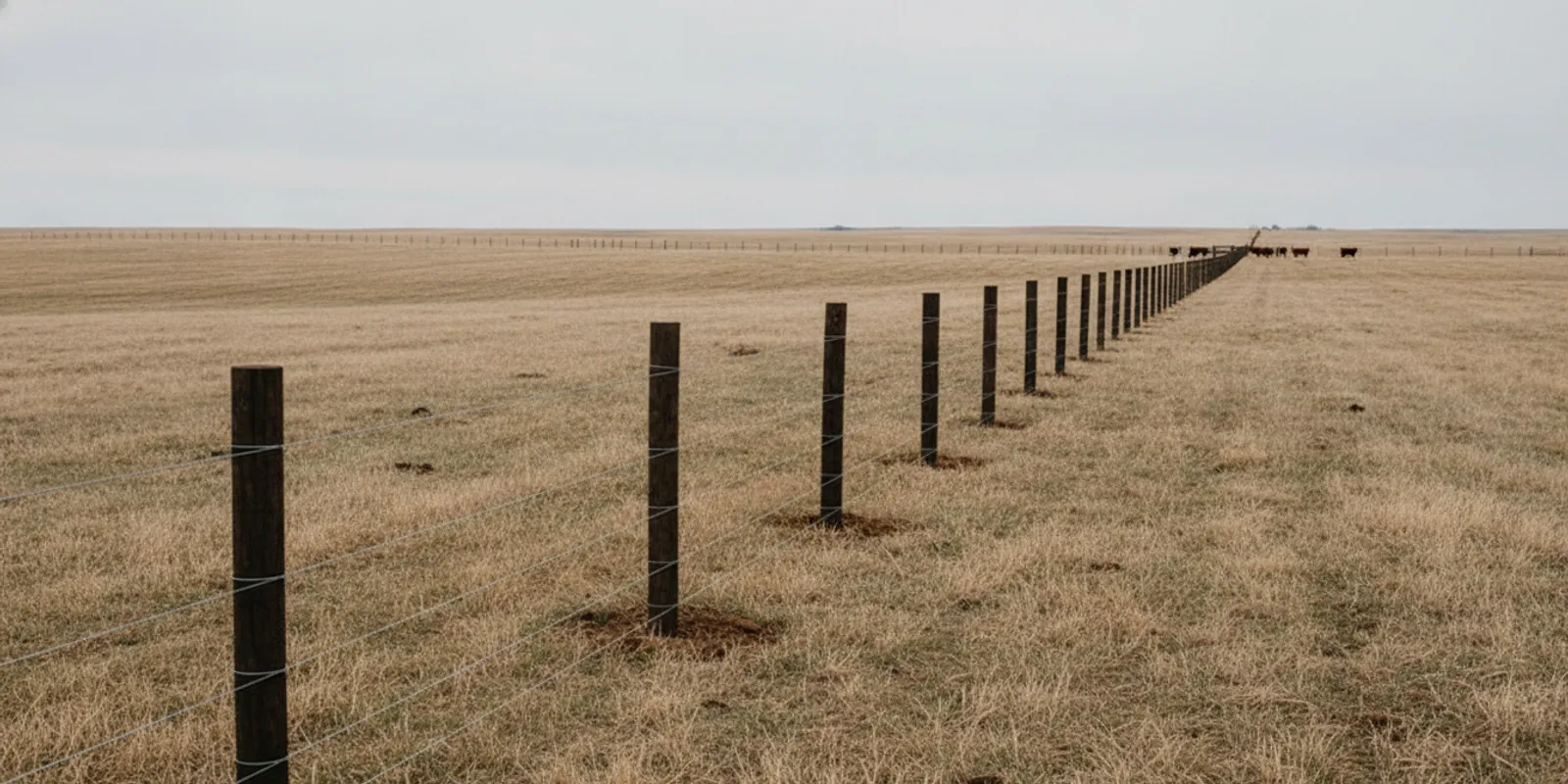
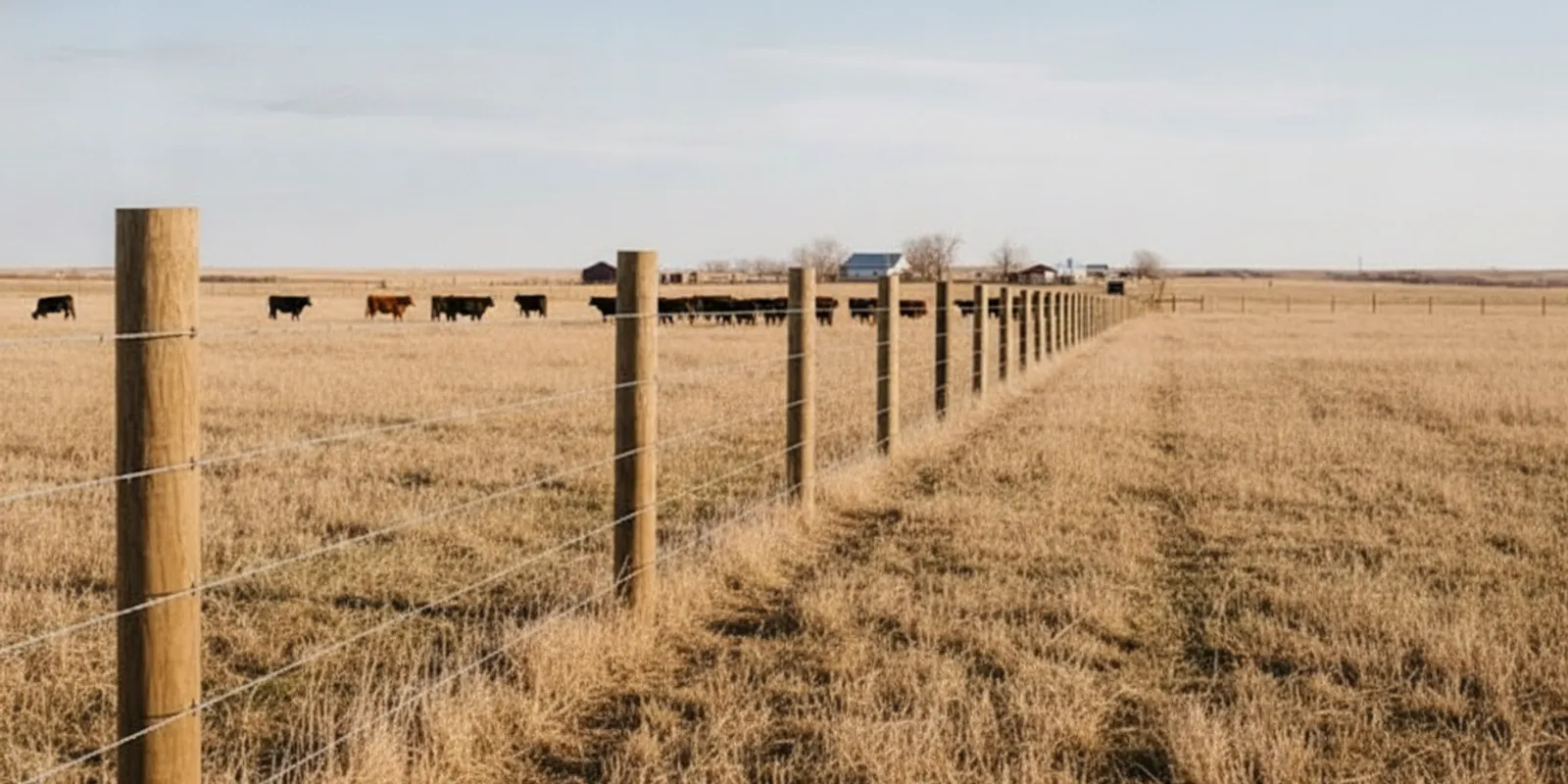
For a long barbwire run, spacing is a design question rather than a universal number. The University of Georgia's farm fencing overview describes standard barbed-wire fences with posts commonly spaced 10 to 12 feet apart and three to five strands. That is reference information, not a prescription for every Ord-area property: terrain, intended use, materials, and the design all matter. Share the purpose and route with the installer so the planned spacing and wire count suit the job.
Bracing is another part of a fence plan that should be discussed alongside the wire. The University of Tennessee's Planning and Building Fences on the Farm advises locating a braced line-post assembly when there is more than 650 feet between corner posts. Treat this as an agricultural planning reference, not a blanket local building rule. Long straight runs, corners, gates, and connections should be evaluated as a complete layout; ask how the proposed brace locations relate to the particular fence and site.
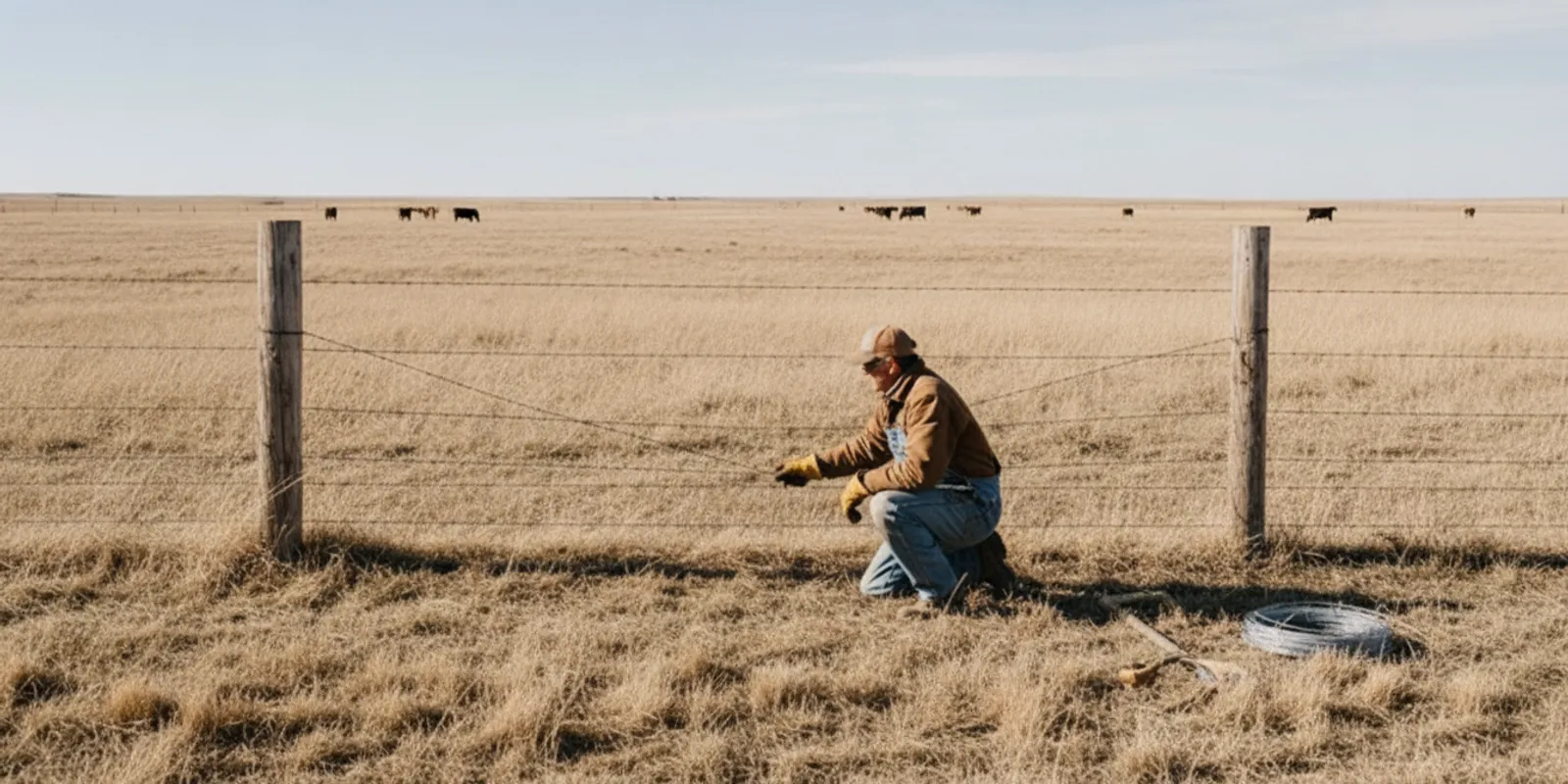
If a project includes removal or site work, make that scope clear before the work is scheduled. For instance, clarify whether old wire and posts need fence tear-outs, whether a route needs post and ground planning, or whether brush and debris require fence line cleaning or dirt work. A clear description helps avoid treating preparation as an afterthought.
What should an agricultural fencing estimate include?
A useful estimate should make it possible to understand what work is being proposed. The final scope and price depend on the property and design, so do not assume that a per-foot figure from another project covers the same materials, gates, site preparation, or connections. Ask for the estimate to identify the main decisions and work included.
- Fence purpose and type:
Identify the intended use and whether the work is barbwire, hi-tensile, continuous fence, chain link, or another agreed design.
- Route and approximate quantity:
Confirm the runs, corners, and approximate footage under consideration. If you are still deciding the route, state that clearly.
- Wire and construction details:
For wire fencing, confirm the strand or wire count and the proposed approach to posts, corners, bracing, and tension. Hi-tensile fencing should be planned around the proper tension for the application—not simply made as tight as possible.
- Gates and transitions:
List gates, openings, tie-ins, and connections to existing fences or corrals.
- Preparation and removal:
Note fence tear-outs, fence line cleaning, dirt work, or other agreed site preparation, and clarify what is included.
- Timing and access:
Discuss when the area can be reached, how livestock and equipment will be managed during the work, and any seasonal or operational constraints.
When comparing estimates, compare scope rather than only a headline amount. One proposal may include an old fence removal or a gate that another leaves out. One route may also require more corners, changes, or preparation than another. If something is not clear, ask before approving the plan. A short conversation about what is included is easier than sorting out different assumptions after work has started.
You can browse Rapid Fence's agricultural installation and repair services to see the approved service scope, then use the project gallery as a visual reference when explaining the type of work you have in mind. Photos can help with a conversation, but they do not determine the right specifications for a different property.
How do you plan timing and access around farm work?
Fence work affects movement through the property, so talk through access before setting a schedule. Identify the lanes and gates that need to stay usable, the livestock that may need to be moved, and any nearby work happening at the same time. If an area cannot be accessed on certain days or during a particular operation, include that information when you request the estimate.
Weather and ground conditions can affect when a project is practical. Rather than assume a fixed start date, explain your preferred window and ask what information is needed to plan the work. If the fence supports a grazing change, livestock handling, or a seasonal deadline, say so early. A defined purpose and an honest timeline help the contractor discuss the sequence and any constraints.
For a larger project, divide the sketch into runs and label each one by function. You might mark a pasture boundary, a gate approach, and a corral connection separately. This can help you discuss priorities if the entire plan cannot be completed at once. Rapid Fence serves agricultural and livestock owners from Scotia across Central Nebraska, including the wider region around Ord. For locations farther out toward Platte, Boone, Holt, or Custer counties, confirm the specific address and project route directly. Its service-area content also discusses places such as Albion and Columbus. A farm fence installation planning guide offers additional preparation context.
What should you prepare before contacting a fence contractor?
You do not need a finished engineering plan to start a conversation. A practical first set of notes can include the fence's purpose, approximate length, type of livestock, preferred material or fence style, gate locations, and a map or sketch. Add photographs of corners, access points, existing fence, and any area that looks difficult to reach. Mention whether old fence removal, fence line cleaning, dirt work, or structural repair may be part of the job.
- Describe the goal.
State what the fence should contain, separate, protect, or connect.
- Mark the location.
Identify the property near Ord and show the route and any alternate route you are considering.
- List the details that change the work.
Include gates, corners, connections, current fence, ground concerns, and access requirements.
- Share your schedule needs.
Give a preferred planning window and any farm or livestock operation that affects access.
- Ask what happens next.
Confirm whether a site visit or more information is needed to develop a suitable estimate.
If the project is a corral or connects to one, explain how livestock move through it rather than focusing only on its outer dimensions. The corral design guide and gate placement guide can help you identify questions about flow, gates, and connections. For a contractor selection checklist, see what to ask a farm fence company.
What should you confirm before installation begins?
Before the crew arrives, review the agreed route and scope together. Walk or point out the start and end of each run, gate openings, corners, and the places where new work meets existing fence. If you changed your mind about a gate or route after the estimate, bring it up before work begins so the plan can be clarified. A marked sketch and a short list of changes can prevent different people from working from different assumptions.
Confirm who is responsible for preparing access and handling items that are outside the fence installation scope. If brush, old wire, posts, or stored equipment are near the line, ask whether they need to be moved and by whom. Discuss how livestock and machinery will be kept clear of active work areas, and which gates or lanes need to remain usable. Keep the access plan practical for the work and for the normal operations of the farm.
For any route where the exact boundary is uncertain, settle that question before placing a fence. Do not rely on an old fence alone as proof of the property line. Likewise, identify known buried services or other site features that may affect digging, and arrange the appropriate checks before ground work. The contractor can discuss what site information is needed, but the property owner should raise known constraints rather than assume they are visible.
When the work is complete, compare the finished line with the agreed scope. Review gate operation, connections, and any agreed cleanup or removal items. Walk the route and raise questions while the project details are fresh. This is not a substitute for ongoing inspection: use the fence as intended and address damage or changes in condition when noticed. A clear handoff helps everyone understand what was built and what routine attention the property owner should plan for.
Frequently asked questions
Does Rapid Fence install farm fencing near Ord, Nebraska?
Rapid Fence is based in Scotia and serves Central Nebraska, with an expanded service radius around Greeley. Contact the company with your Ord-area location, approximate project length, and fence purpose to confirm project fit and discuss the next step.
How do I choose between barbwire and hi-tensile fence?
Start with the animals, the fence's job, route conditions, and how the line connects to gates and existing fence. Then review the proposed wire count, bracing, and tension approach with the installer. The best option is specific to the application; neither material should be selected by name alone.
What information helps get a useful fence estimate?
Share a sketch or map, approximate footage, intended fence type, livestock use, gate locations, corners, existing fence connections, and any removal or site-preparation needs. Photos of difficult sections and a preferred schedule can also help explain the job.
Should I plan gates and bracing before installation?
Yes. Gate access and brace locations are part of the route and construction plan. Mark how people, livestock, and equipment will use each opening, and ask how corners, long runs, gates, and transitions will be handled in the proposed design.
Plan a farm fence that fits your Ord-area property
A sound farm fence project starts with a clear purpose, a route that reflects real farm use, and an estimate that spells out materials, gates, bracing, preparation, and timing. Make a simple property sketch, note the details that could affect the work, and discuss the design before settling on a fence type. Rapid Fence works with agricultural and livestock owners across Central Nebraska from its home base in Scotia, and this guide was prepared by Cody Koehn, CEO of Rapid Fence.
Comments