
A Guide to Choosing Your Farm Style Fence

Fencing in Nebraska is a different ballgame. Our properties face everything from intense summer sun and high winds to heavy snow and freezing ground. A fence that works elsewhere might not stand a chance here. That’s why choosing the right farm style fence is about selecting a solution built for our specific climate and soil. You need materials that won’t rot or rust prematurely and an installation that can handle frost heave. This guide is written for Nebraska farmers and ranchers, focusing on the durable, practical fencing options that are proven to last in our demanding local conditions.
Key Takeaways
- Match your fence to its purpose
: Your fence's style and material should be determined by your livestock and land. A barbwire fence works well for large cattle pastures, while a continuous fence provides the strength needed for corrals and high-traffic zones.
- Prioritize professional installation
: A fence is only as good as its foundation. Proper post depth, secure bracing, and correct wire tension are critical for a fence that withstands Nebraska weather and prevents future headaches.
- Budget for long-term value, not just the initial price
: The cheapest option often costs more over time in repairs and replacements. Investing in durable materials and expert installation provides a better return by creating a fence that lasts for decades.
Exploring Popular Farm Fence Styles
Choosing the right fence style for your farm is about more than just looks. It’s a decision that impacts your daily operations, your livestock's safety, and your property's security. The best fence is one that fits your land, your animals, and your budget. From classic wood to practical wire, each style has its own strengths. Let's walk through some of the most popular options to help you figure out what makes the most sense for your Nebraska property.
Split Rail and Post and Rail Fences
If you’re picturing a classic country boundary, you’re probably thinking of a split rail or post and rail fence. These styles use horizontal logs or rails to create a rustic, open look that’s perfect for defining property lines on large rural lots. They have a timeless charm that adds a lot of character to a farm. While they are more decorative than other options, post and rail fences are still strong and durable, making them a great choice for marking boundaries around pastures or along driveways where high-security containment isn't the top priority. They blend functionality with a traditional farmhouse aesthetic.
Wire Fences: Barbwire, Hi-Tensile, and Continuous
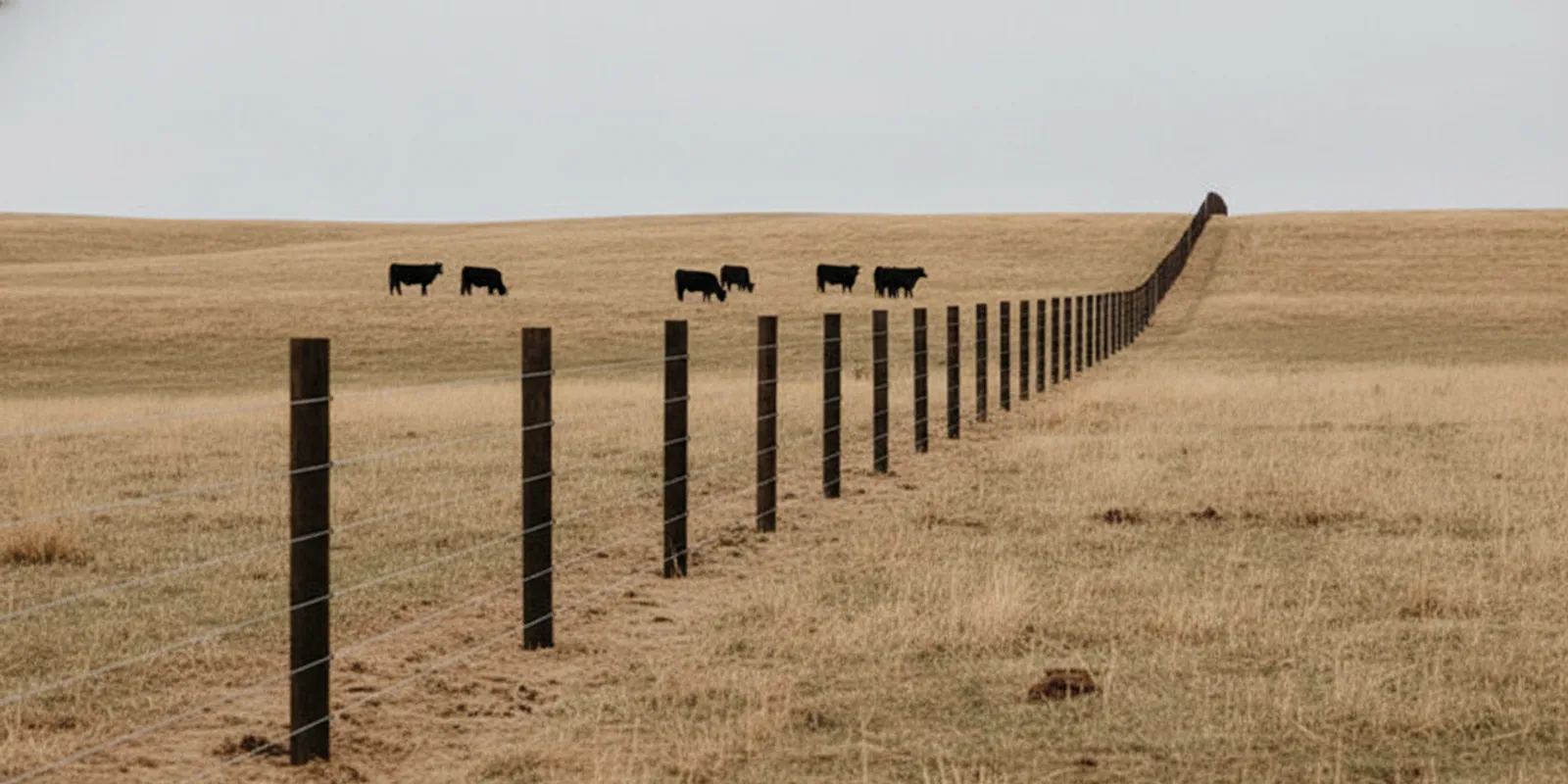
When it comes to containing livestock effectively and affordably, wire fences are the workhorses of the agricultural world. Barbwire is a go-to for cattle operations on large properties because it’s cost-effective and gets the job done. For a stronger, longer-lasting option, hi-tensile fencing is an excellent choice. It uses tension to remain taut and secure, making it ideal for containing cattle, horses, and other large animals. Continuous fences, made of steel panels, offer unmatched strength for corrals and high-pressure areas. These fencing services are all about practicality, providing a secure barrier you can rely on day in and day out.
Ranch-Style Metal Fences
Ranch-style metal fences offer a modern take on farm fencing, combining serious durability with a clean, strong look. These fences are built to handle the tough Nebraska elements, standing up to high winds and managing livestock without a problem. They are a fantastic long-term investment because they require very little maintenance compared to wood. While you might think of simple pipe fences, there are also more stylized options available, like corrugated metal panels that give a nod to old barn siding. This style is perfect for anyone who needs a tough, lasting fence but also wants to maintain a sharp, professional appearance for their property.
Choose the Right Material for Your Farm Fence
Once you have a style in mind, your next big decision is the material. The right material depends on your budget, how much maintenance you’re willing to do, and what you need the fence to accomplish. Each option comes with its own set of benefits and trade-offs, especially when you factor in the demanding weather here in Nebraska. Let’s walk through the most common choices so you can feel confident in your decision.
Wood: Classic Looks, Consistent Care
There’s no denying the timeless, rustic charm of a wooden fence. It blends beautifully with the natural landscape and offers a classic look that many farm owners love. Wood is also highly customizable; you can easily adjust the height, pattern, and style to get the exact look you want for your property. Whether it’s a simple post and rail or a more solid privacy fence, wood provides a traditional and visually appealing boundary.
The main trade-off for this classic aesthetic is the upkeep. Wood requires consistent care to stand up to the elements. To prevent rot and decay from Nebraska’s wet seasons and harsh sun, you’ll need to plan for regular staining, sealing, or painting. Without proper maintenance, a wooden fence can weaken over time, so it’s important to factor that long-term commitment into your decision.
Metal: Built to Last, Easy to Maintain
If you want a fence that’s incredibly durable and requires very little maintenance, metal is an excellent choice. Modern metal fences, like the continuous fences we install, offer incredible strength and longevity. They are built from heavy-duty steel that can withstand pressure from livestock and hold up against harsh weather without warping or breaking. This makes them a practical, long-term investment for any farm or ranch.
One of the biggest advantages of metal is its resistance to the elements. Many metal fencing options come with protective coatings that prevent rust, chipping, and fading, so you won’t have to worry about yearly upkeep. You get a strong, reliable fence that looks great for years with minimal effort. You can see examples of these sturdy fences in our project gallery.
Wire: Strong, Secure, and Versatile
Wire fencing is one of the most practical and versatile options for agricultural use. It’s effective for containing a wide range of animals, from cattle to smaller livestock. Different types of wire, like barbwire and hi-tensile, serve different purposes. Barbwire is a strong deterrent for cattle, while hi-tensile fencing offers superior strength and durability under tension, making it a fantastic choice for large pastures.
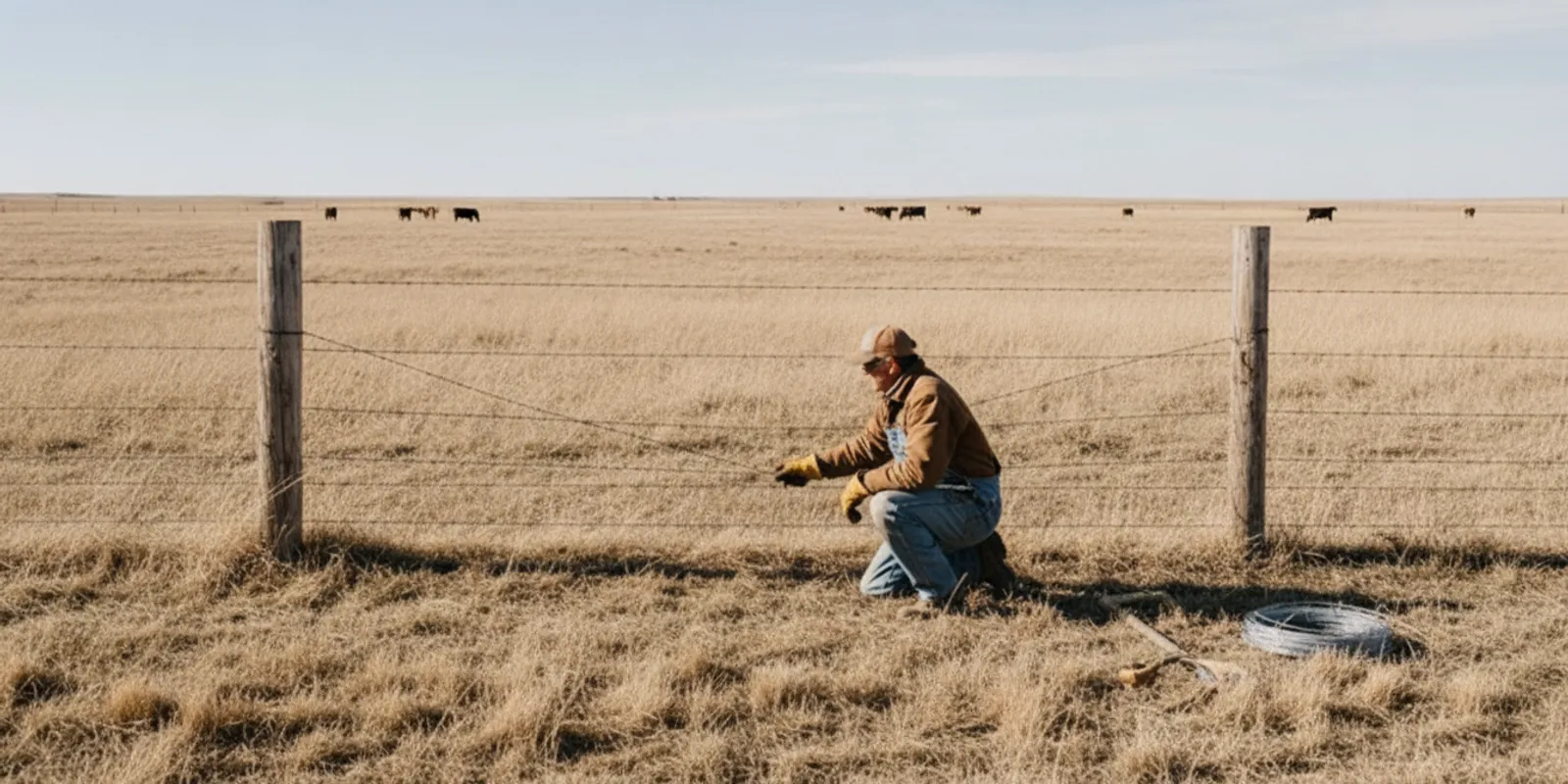
The key to a successful wire fence is proper installation. To be effective and long-lasting, the wires must have the correct spacing and be pulled tight with a solid bracing system. When installed correctly, a wire fence provides a secure and cost-effective boundary that can last for decades. Regular checks to ensure the wire remains tight and the posts are stable will keep it in top condition.
Understand Farm Fence Costs
Putting up a new fence is a significant investment in your property, so it’s smart to have a clear picture of the costs involved. The final price tag depends on more than just the length of the fence line. The style you choose, the materials you use, and the specific needs of your land all play a role. By understanding these variables, you can budget effectively and choose a fence that provides the best long-term value for your farm or ranch.
How Fence Type Affects Cost
The style of fence you select is one of the biggest factors in determining your budget. For large pastures, barbwire is often the most economical choice upfront. It gets the job done effectively for containing cattle over wide-open spaces. A hi-tensile fence might require a larger initial investment due to its specialized components like tensioners and high-quality wire, but its strength and low maintenance can save you money over time. Continuous fences, typically made from steel panels, are a premium option. They offer exceptional durability and safety, making them ideal for corrals, high-traffic alleys, and areas where livestock pressure is intense. Each style serves a different purpose, and the right one for you balances upfront cost with long-term performance.
How Material Affects Cost
The materials you choose directly impact both the initial cost and the lifespan of your fence. While some fencing projects use wood posts, many modern farms are opting for more durable materials. There's a growing demand for low-maintenance solutions, and in agriculture, that often means high-quality steel. Steel T-posts and pipe posts stand up better to the harsh Nebraska weather than many alternatives. When you're shopping around, remember that not all steel posts are created equal. As experts note, there are wide variations in price and quality, so it’s important to compare products of similar quality to make a true cost assessment. A cheaper post might fail sooner, costing you more in repairs down the road.
Factors That Influence Your Final Price
Beyond the style and materials, several other factors will shape your final quote. The size of your property is a major one, but so is the terrain. Fencing a flat, clear pasture is more straightforward than working on hilly, rocky, or wooded ground, which requires more labor and specialized equipment. If you have an old, dilapidated fence, you’ll also need to account for the cost of tear-out and site preparation. At Rapid Fence, we offer fence line cleaning to clear the way for a solid installation. Finally, any custom features like gates, cattle guards, or custom-built corrals will add to the total. Proper installation with correct wire tension and bracing is another cost that pays for itself by preventing future problems.
How to Choose the Right Farm Fence
Choosing the right fence is a big decision that impacts your daily operations, your property’s value, and the safety of your livestock. It’s about more than just marking a boundary line; it’s about creating a functional, long-lasting system tailored to your specific needs. When you’re ready to invest in a new fence, it helps to think through a few key factors before you break ground. By considering your animals, security needs, property layout, and even the final look, you can confidently select a fence that will serve you well for years to come. Let’s walk through the most important things to keep in mind.
Consider Your Livestock's Needs
The type of animals you’re raising is the single most important factor in your fence selection. A fence designed for calm cattle won’t work for containing goats, and a horse pasture has different requirements than a bison enclosure. Cattle, for example, often test boundaries by pushing against them to graze, which means you need tight wires and strong bracing to keep them contained. A good farm fencing guide will always emphasize that proper wire spacing and tension are essential for managing livestock effectively. Think about your animals’ size, temperament, and habits to determine the right height, material, and design for your fence.
Factor in Security and Predator Control
A good fence does two jobs: it keeps your livestock in and it keeps unwanted visitors out. Whether you’re dealing with coyotes, stray dogs, or other predators, a secure perimeter is your first line of defense. The right fence can also help deter trespassers and protect your equipment and property. For many Nebraska farms, high-tensile fences are an excellent solution for securing large properties. They offer incredible strength and are a cost-effective way to protect your animals and establish clear, secure boundaries. When planning, consider what you need to protect your operation from, and we can design a fence that provides that peace of mind.
Account for Your Property's Terrain and Weather
Nebraska’s landscape and weather present unique challenges, from the rolling Sandhills to the flat river valleys and the dramatic shifts in temperature. Your property’s specific terrain and soil type will influence the best installation methods and materials. For example, fencing on a steep grade requires different techniques than fencing on level ground. It’s crucial to choose materials appropriate for your climate and soil, as using the wrong ones can lead to premature rot, rust, or instability. We have years of experience working with local conditions and will make sure your fence is built with the right materials and techniques to stand strong against our wind, snow, and soil.
Think About Your Property's Aesthetics
While function is the top priority for a farm fence, there’s no reason it can’t also look good. A well-built, clean fence line improves your property’s curb appeal and can even increase its value. Today, many landowners are looking for fencing solutions that are not only durable but also visually appealing. Whether you prefer the classic look of a barbwire fence stretched perfectly straight or the clean, modern lines of a continuous fence, the right design can complement your home and land. You can see a variety of professional and attractive styles in our project gallery to get ideas for what might look best on your property.
How to Maintain Your Farm Fence
A well-built fence is your first line of defense, but even the toughest fences need regular care to stand up to Nebraska’s demanding weather and the daily pressures of containing livestock. Consistent maintenance is the key to extending the life of your investment and preventing small issues from turning into major headaches. A little time spent on upkeep can save you from costly emergency repairs, lost animals, and the frustration of a failing fence line.
Think of your fence like any other piece of essential farm equipment. It needs routine checks and preventative care to perform its job correctly. By walking your fence lines regularly, clearing away vegetation, and addressing rust, you can ensure your fence remains strong and secure for years. This proactive approach not only protects your animals and property but also maintains your peace of mind. And when the work becomes too much or the damage is too extensive, knowing when to call in a professional for fence tear-outs and replacement is just as important. Taking these steps will keep your property secure, your livestock safe, and your operation running smoothly.
Conduct Regular Inspections and Repairs
The best way to keep your fence in top shape is to catch problems early. Make it a habit to walk your fence lines at least once a season, and more often if you can. During these inspections, keep an eye out for common signs of wear. Look for sagging wires, loose or broken posts, and popped staples or clips. Check your braces to make sure they are still solid and holding tension correctly. A quick monthly walk-through can help you spot these small issues while they are still simple to manage. Addressing a loose wire or a wobbly post right away prevents a minor problem from becoming a major breach in your fence line.
Manage Vegetation Along the Fence Line
Overgrown weeds, brush, and trees are more than just an eyesore; they are a direct threat to your fence's integrity. Thick vegetation can push against the wires, causing them to sag or break over time. It can also short out electric fences and hide damage that needs your attention. Birds often drop seeds along fence lines, leading to woody brush and trees growing directly under or through the wire. If left to grow, their roots and trunks can cause significant damage. Regular trimming and clearing will prevent this pressure, improve visibility, and make inspections easier. If your fence line has become overgrown, our fence line cleaning services can quickly clear it out for you.
Protect Metal and Wire from Rust
For wire and metal fences, rust is the enemy. Corrosion weakens the material, making it brittle and likely to snap under pressure. Pay close attention to areas like welds, fasteners, and any spots where the protective coating may have been scratched. In Nebraska, the combination of humidity, rain, and snow can accelerate the rusting process. If you spot rust, take action immediately. Sand the affected area down to bare metal, apply a rust inhibitor, and then repaint it with a durable, protective coating. This simple process stops corrosion in its tracks and is a crucial part of any farm fence maintenance program.
Know When to Repair or Replace
While many minor fence repairs are manageable, it’s important to recognize when a simple fix isn’t enough. If you find yourself constantly patching the same sections, or if you notice widespread issues like multiple broken posts, extensive sagging, or pervasive rust, it might be time for a replacement. A fence that is failing is a serious liability. It puts your livestock at risk and can lead to costly losses. If you’re unsure whether your fence can be salvaged, it’s best to get a professional opinion. We can assess the condition of your fence and help you decide if a repair or a full replacement is the most cost-effective solution. When you're ready for an expert look, get in touch with us.
Common Fencing Mistakes to Avoid
A well-built fence is a serious investment in your property and your peace of mind. Getting it right from the start saves you from costly repairs and the frustration of a failing fence. Unfortunately, a few common missteps can turn a brand-new fence into a leaning, sagging liability in just a few seasons. Knowing what to watch out for is the first step toward building a fence that stands strong for years. From the foundation to the final wire, every detail matters. Let's walk through the most frequent mistakes so you can avoid them on your property.
Skipping Proper Post Depth and Bracing
A fence is only as strong as its foundation, and for a farm fence, that foundation is its posts. One of the biggest errors is not setting posts deep enough. In Nebraska, the ground freezes and thaws, causing the soil to expand and contract. This process, called frost heave, can push shallow posts right out of the ground over a single winter, leaving your fence unstable. Equally important is proper bracing. Corner posts and end posts bear the entire tension of the fence line. Without solid H-braces, they will inevitably lean inward, causing your wires to sag. You can see examples of sturdy, reliable bracing in our project gallery.
Using Incorrect Wire Tension and Placement
For wire fences like barbwire and hi-tensile, tension is everything. It’s a delicate balance. If the wires are too loose, they won’t effectively contain livestock. Cattle can push against them, creating gaps or even getting tangled. On the other hand, wires that are too tight put immense strain on your posts and braces, which can lead to broken insulators or corner post failure. The placement of the wires is also critical and should be based on the type of animals you’re containing. Getting the tension and spacing just right is a skill that comes with experience, ensuring your fence is both safe and effective. Our fencing services are designed to deliver that perfect balance.
Picking the Wrong Material for Nebraska Weather
Nebraska’s weather is not for the faint of heart, and your fencing material needs to be up to the challenge. From blazing summer sun and high winds to heavy snow and ice, the elements are relentless. Choosing a material based only on its initial cost or appearance can be a recipe for disappointment. Untreated wood can rot quickly in our humid summers, while certain types of metal can rust prematurely. It's crucial to select materials that are proven to withstand our specific climate and soil conditions. Making a durable choice from the start will always be more cost-effective than having to make frequent repairs or replacements down the road.
Overlooking Property Lines and Local Rules
Before the first post hole is dug, you need to know exactly where your property lines are. Guessing or relying on an old, existing fence line can lead to serious trouble. Placing a fence even a few inches onto a neighbor’s property can result in expensive disputes or legal orders to move the entire fence. It’s always worth the effort to get a professional survey done to be certain. You should also check for any local or county regulations. While rural areas have fewer restrictions than cities, there may still be rules about fence height or setbacks from roads. A quick call to your county office can prevent major headaches and fines later on.
The Best Fences for Nebraska Properties
Choosing the right fence for your Nebraska property isn't just about marking boundaries; it's about protecting your livestock, managing your land, and investing in a solution that can withstand our state's demanding weather. From scorching summers to harsh winters, your fence needs to be tough, reliable, and suited to your specific operation. Whether you're running cattle across hundreds of acres in the Sandhills or managing a smaller farm in Hall County, the type of fence you install directly impacts your daily workflow and peace of mind.
Fortunately, there are several proven fencing styles that are perfectly suited for the agricultural needs of Central Nebraska. Each option offers a unique set of benefits, from cost-effectiveness for large pastures to superior strength for high-pressure areas. Understanding the differences between them is the first step toward making a confident decision for your property. We'll walk through the most popular and effective fencing solutions for local farmers and ranchers, including barbwire, hi-tensile, and continuous fencing, as well as the benefits of designing a custom corral system. This will help you match the right fence to your land, your livestock, and your budget.
Barbwire Fencing
Barbwire is a classic and practical choice for a reason. For generations, Nebraska ranchers have relied on it for effective livestock containment across vast properties. Its primary advantage is its cost-effectiveness, making it an ideal solution for fencing in large pastures where other materials would be too expensive. When installed correctly, a barbwire fence serves as a strong physical and psychological barrier for cattle, keeping them securely where they need to be.
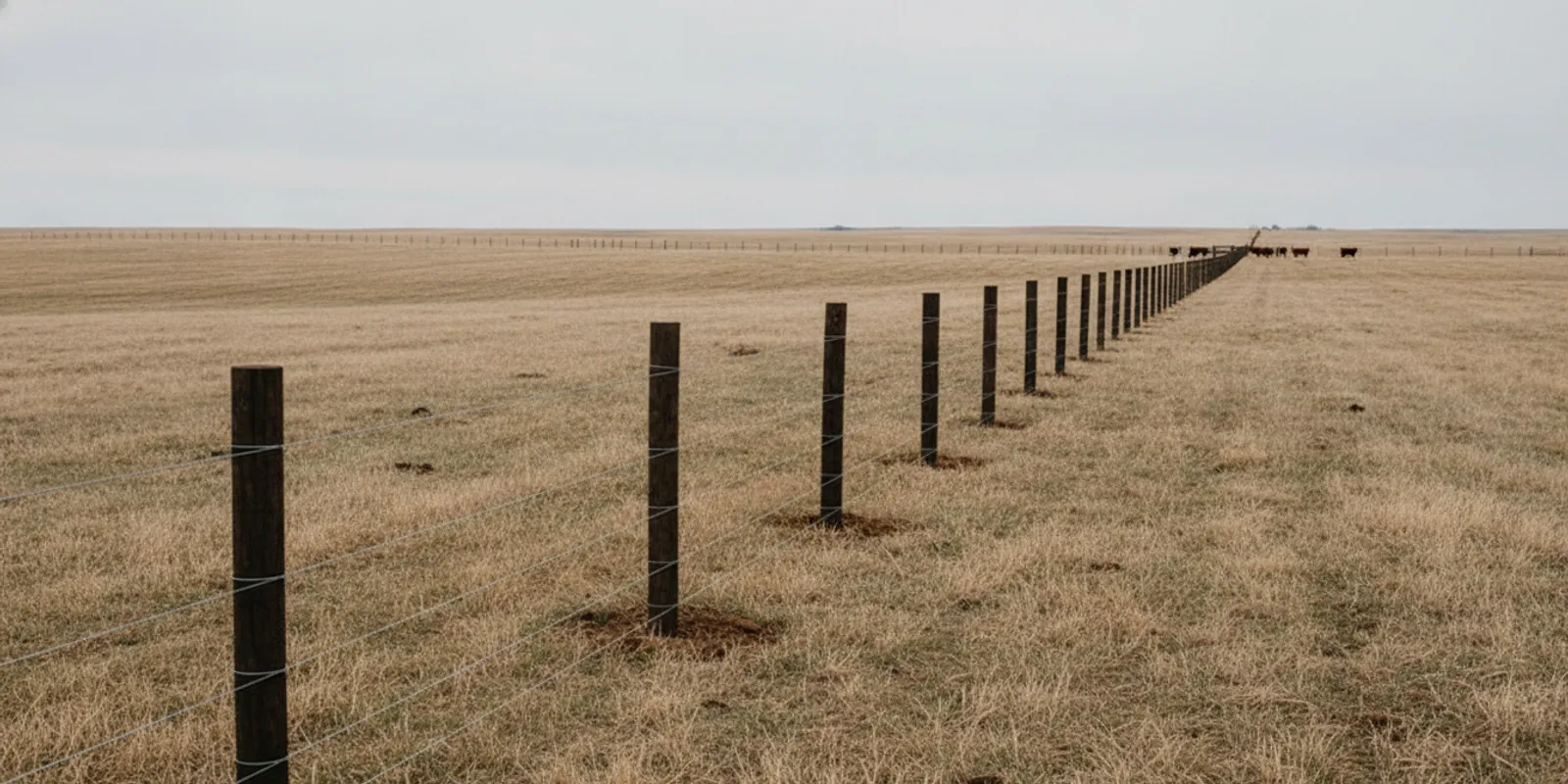
The key to a long-lasting barbwire fence is professional installation. Proper post depth, secure bracing, and correct wire tension are essential to prevent sagging and ensure it can handle pressure from livestock and the elements. A well-built barbwire fence will serve you reliably for years with minimal maintenance. You can see examples of sturdy, professionally installed fences in our project gallery to get a better idea of how a finished project looks.
Hi-Tensile Fencing
If you're looking for a modern combination of strength, longevity, and value, hi-tensile fencing is an excellent option. This type of fence uses high-carbon steel wire that is lighter, stronger, and more durable than traditional low-carbon wire. It's a versatile choice suitable for containing all kinds of livestock, including cattle, horses, and sheep. Because the wire is kept under significant tension, it can handle impacts from animals or fallen branches and spring back into place.
One of the biggest benefits of a high-tensile fence is its cost-effectiveness over large areas. The system requires fewer posts than many other fence types, which reduces both material and labor costs without sacrificing strength. Its durability also means less time and money spent on repairs down the road. It’s a smart, long-term investment for any Nebraska producer who needs a reliable, low-maintenance containment solution.
Continuous Fencing
For areas that demand exceptional strength and a clean, uniform look, continuous fencing is the top choice. Constructed from connected steel panels or pipes, this style creates a formidable barrier that can easily withstand the pressure of large herds. This makes it perfect for high-traffic, high-pressure environments like corrals, working pens, feedlots, and property entrances where you need maximum durability.
Beyond its strength, continuous fencing offers a significant safety advantage. The smooth, solid panels have no sharp points or loose wires, which greatly reduces the risk of injury to your animals. It also provides a polished, professional appearance that can improve your property's overall look and feel. Because of its heavy-duty nature, it’s one of the most durable and long-lasting fencing services available for modern livestock operations.
Custom-Built Corrals
An efficient and safe corral system is the heart of any livestock operation. Instead of trying to make a standard design work for your unique needs, a custom-built corral is tailored to your property's layout, your herd size, and your specific handling processes. This allows you to create a workflow that is safer and less stressful for both you and your animals. A custom design can incorporate specific features like gates, alleys, and chutes exactly where you need them.
Working with a professional to design your corral ensures every element is built for optimal flow and durability. We can help you plan a system that makes sorting, loading, and treating your livestock as simple as possible. A well-designed corral not only saves you time and labor but also enhances the safety and efficiency of your entire operation. If you're ready to create a corral system that truly works for you, let's start a conversation about your ideas.
Frequently Asked Questions
Which fence is the most budget-friendly for a large property? For covering a lot of ground, a barbwire fence is typically the most economical choice upfront. It's a classic for a reason and does a great job containing cattle over large pastures. However, it's also worth considering hi-tensile fencing. While it might have a slightly higher initial cost, it often requires fewer posts and less maintenance over its lifespan, which can make it a better long-term value.
I don't have a lot of time for upkeep. What's the lowest-maintenance fence I can get? If you want a fence that you can pretty much set and forget, your best options are hi-tensile or continuous metal fencing. These styles are built from heavy-duty steel that stands up to weather and livestock pressure with very little fuss. Unlike wood, you won't have to worry about rot, and a professional installation ensures they stay tight and strong for years with only occasional walk-throughs to check for issues.
How do I make sure my new fence will actually survive a Nebraska winter? The key to a winter-proof fence is a solid foundation. This means setting the posts deep enough to get below the frost line, which prevents the ground from pushing them up during freeze and thaw cycles. It also means installing strong, properly angled brace assemblies at all corners and ends. These two steps, combined with using quality materials built for our climate, will ensure your fence stands strong against wind, snow, and whatever else our winters throw at it.
My main concern is keeping my cattle contained. What's the most reliable option? For cattle, you have a few excellent choices depending on the area. Barbwire is a reliable and effective standard for pastures. If you want something stronger that can handle pressure and spring back into place, a hi-tensile fence is a fantastic upgrade. For high-pressure areas like corrals, alleys, or feedlots, nothing beats the strength and safety of a continuous fence made from steel panels.
I have an old, broken-down fence right now. What's the process for replacing it? Replacing an old fence starts with a full tear-out of the existing wire and posts. Once the old material is removed, the next step is to clear the fence line of any overgrown brush or trees that could interfere with the new installation. This creates a clean, straight path to work with. After the site is prepped, we can install the new posts and wire, ensuring your new fence is built on a solid, clear foundation from the start.
Comments