
How Many Strands of Barbed Wire for Cattle?

How many strands of barbed wire for cattle? For most permanent cattle boundaries, start with four or five properly spaced strands, with five strands the safer default for a perimeter that must contain cows and calves. Use six or more only when herd pressure, bulls, road exposure, terrain, or the cost of an escape justifies the added wire.
The right count is only one part of a fence that works. Post strength, corner bracing, gate placement, wire height, and final tension determine whether a fence stays tight through Nebraska weather and daily livestock pressure. For the larger installation picture, see Rapid Fence's agricultural fence installation guide.
What Most Cattle Farmers Use: Four or Five Strands
Four and five-strand layouts cover most conventional barbed-wire cattle fence projects. The choice depends on whether the fence is an interior divider or a permanent outside boundary, how hard the cattle test the fence, and whether calves must be contained from the first day.
When four strands can work
A four-strand fence can be a practical choice for an interior cross-fence where cattle already respect a physical boundary, the pasture is not next to a road, and the herd does not include animals that regularly push through fencing. It can also fit a lower-pressure division where a producer wants a simpler fence to maintain.
Four strands are less forgiving when the fence is the outside line of the property or when cows and calves share the same pasture. A four-strand design should not be treated as a universal minimum. Check the lower opening, animal behavior, terrain, and consequences of a breach before choosing it.
Why five strands are a common perimeter starting point
Five strands create a taller, more consistent physical barrier without turning every cattle fence into a heavier special-purpose system. The fifth wire gives the installer another line to place through the lower and middle portions of the fence, where calves and determined cattle create the most pressure.
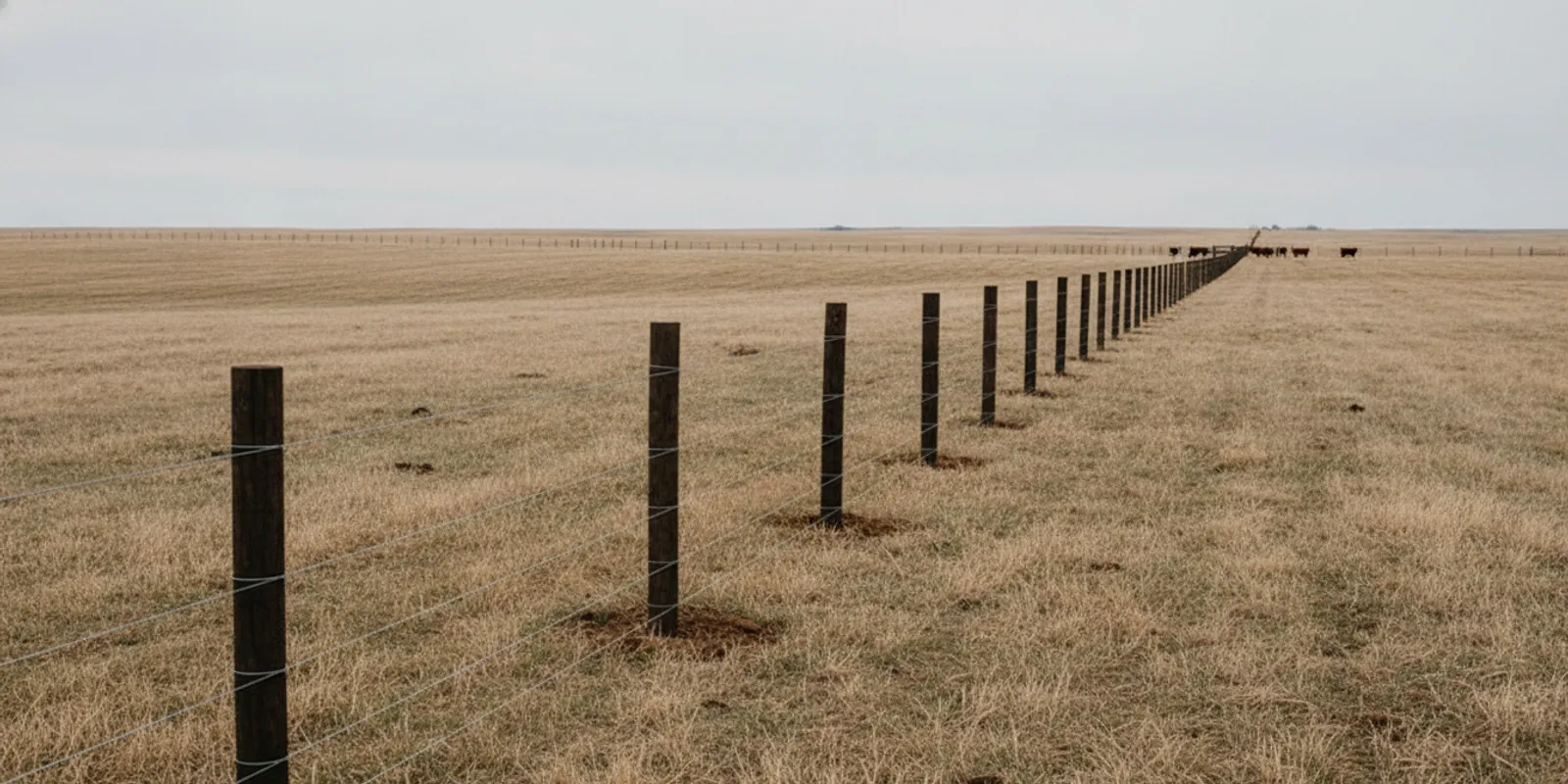
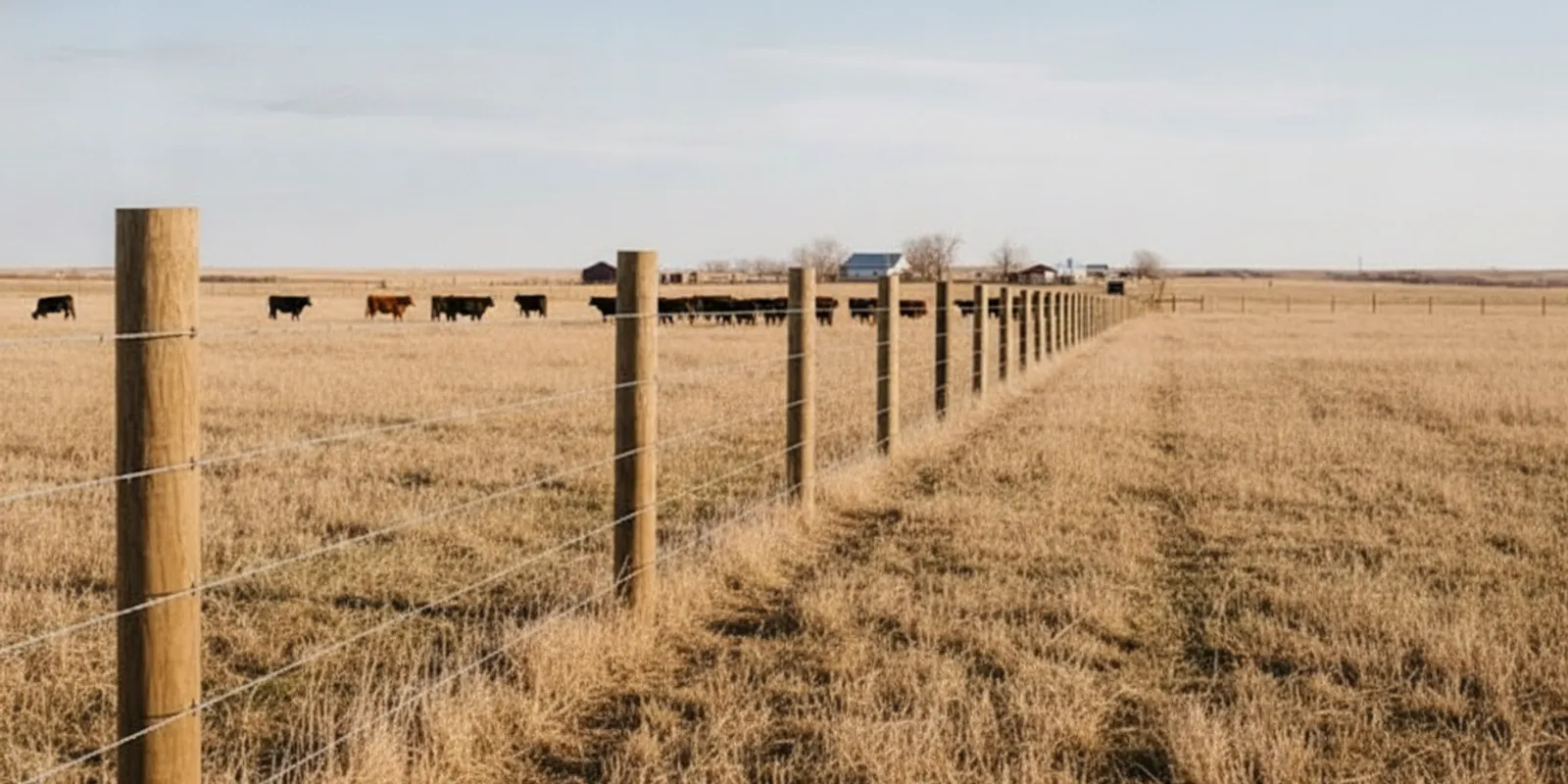
A Mississippi State University Extension grazing-system guide lists five-strand barbed wire as a permanent boundary option and shows a five-wire boundary layout with wire heights of 5, 10, 17, 27, and 38 inches. That is a useful reference point, not a substitute for a site-specific Nebraska layout. Soil, slope, snow, vegetation, cattle size, and local construction practices can change the final dimensions.
How Livestock Type and Size Changes the Recommendation
The same number of wires does not perform the same way on every operation. A fence for mature cows on a quiet interior pasture faces a different job than a road-facing boundary holding bulls and cow-calf pairs. Evaluate the animals and the pressure points before ordering materials.
What is the best strand count for cows and calves?
For a permanent boundary containing cows and calves, five properly spaced strands are a practical starting recommendation. Place enough of the fence's height in the lower half to discourage calves from going underneath, then use solid posts, well-built braces, and correct tension to keep the lines working together.
- Calves:
A low first wire matters more than simply adding height at the top. Walk the finished line from a calf's perspective and look for gaps at dips, crossings, and corners.
- Mature cows:
A properly built four- or five-strand fence may work, depending on herd behavior and whether it is a perimeter or interior line.
- Bulls:
Use a stronger design and consider six or more strands where bulls will test the fence. Reinforce corners, ends, gates, and any point where the fence changes direction.
- Young or unsettled cattle:
Allow for more pressure during moves, arrivals, feeding, and changes in pasture. A fence that works for a settled herd may need reinforcement during these periods.
When herd pressure calls for extra strands
Add strands when the fence must absorb repeated contact, limit access to a high-value area, or provide more separation from a road or neighboring property. Extra wire can be justified around holding areas, feed lanes, water access points, and transitions where cattle naturally gather.
Before adding a sixth wire everywhere, find the actual failure risk. If cattle are getting through a fence, inspect for loose wire, weak bracing, leaning posts, a gap under the bottom wire, or a gate that does not close correctly. Repairing the structural problem may protect the herd better than adding a strand to the entire run.
When Extra Strands Are Worth the Added Cost
More wire adds material, labor, and future inspection points. The decision should follow the risk of failure, not a one-size-fits-all rule. A sixth strand can be a sound investment when a breach would create a serious safety, livestock, or property problem.
- Road frontage:
A stronger, more visible barrier can reduce the chance that cattle reach traffic. Use a design appropriate to the road, terrain, and local requirements.
- Bull pastures:
Bulls can place more force on corners, ends, gates, and long straight runs. Add structural strength along with any added strand.
- High-traffic handling areas:
Cattle concentrate near water, shade, feed, and working facilities. These locations deserve stronger materials and more frequent inspections.
- Uneven or difficult ground:
Dips and rises create openings or change the effective height of each wire. Additional strands may help, but careful layout and bracing come first.
- High escape consequences:
If a boundary separates cattle from a highway, crop field, or sensitive neighbor, spend more attention on containment than on the lowest initial material count.
Extra strands are not a replacement for a professional installation. Wire that is poorly tensioned can sag even when the fence looks substantial, while a heavy-looking fence with weak corners may fail under pressure. Rapid Fence's agricultural fencing services include barbwire installation, bracing, site preparation, and structural repair for projects that need a complete plan.
Strand Spacing: Why the Bottom Wire Matters Most for Calves
Strand count and strand spacing work together. A five-wire fence with an oversized opening at the bottom may contain adult cattle while allowing calves to crawl beneath it. A fence with the bottom wire too close to the ground can collect vegetation, lose effectiveness when soil shifts, or become harder to maintain.
Use the ground profile to set the lower wire. Keep the spacing consistent where the terrain allows, then adjust through dips, rises, ditches, and crossings so the effective barrier does not disappear at the lowest point. The top wire should provide a clear upper boundary, while the middle wires prevent cattle from leaning through and spreading the fence.
There is no single spacing diagram that fits every Nebraska pasture. A local installer should consider cattle size, fence purpose, post spacing, soil, vegetation, snow, and access for mowing or other equipment. The Mississippi State reference above is helpful for understanding how a five-wire pattern can be arranged, but it is not a Nebraska code or a promise that the same measurements fit every site.
What Nebraska Regulations or Best Practices Say About Cattle Fence
Producers should separate a practical construction recommendation from a legal requirement. Strand count, fence height, boundary responsibility, right-of-way conditions, and livestock rules can depend on the location and the specific project. Confirm applicable requirements before building a boundary beside a public road or property line.
The USDA Natural Resources Conservation Service Fence (Ft.) (382) page provides a national conservation practice standard and related resources, but it also directs users to the local Field Office Technical Guide for field-level planning and installation. That distinction matters in Nebraska: use recognized guidance as a planning reference, then adapt the design to the actual farm and local requirements.
For a professional cattle fence plan, document the intended livestock, boundary purpose, number of strands, wire placement, corner and end braces, gates, crossings, and maintenance access. This makes the quote easier to compare and gives the installation crew a clear containment objective.
How to Plan a Four- or Five-Strand Cattle Fence
- Define the job:
Decide whether the line is a perimeter, interior cross-fence, bull area, calf boundary, or handling-area fence.
- Walk the route:
Mark slopes, wet ground, trees, old fence, drainage, utilities, road frontage, gates, and equipment crossings.
- Choose the starting count:
Use four strands only where the pressure is low and the layout supports it. Use five as the common permanent-boundary starting point, and consider six or more at high-pressure locations.
- Design the structure:
Plan posts, corners, ends, braces, gates, and changes in direction before stringing wire. The structure carries the tension.
- Set the lower wire deliberately:
Check openings at dips and uneven ground so calves cannot find an easy route under the fence.
- Finish and inspect:
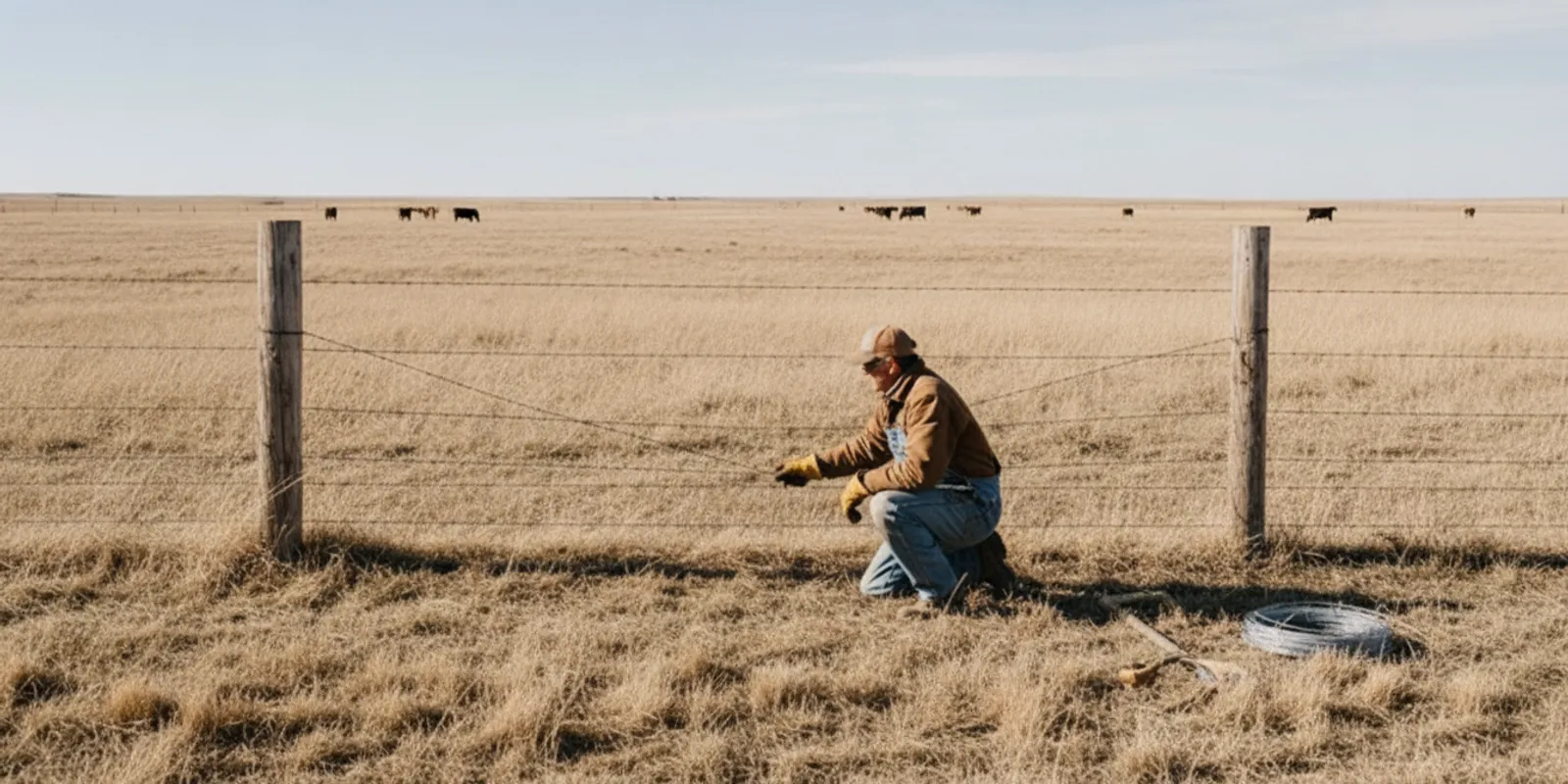
Tension the wires, check every brace and gate, clear interfering vegetation, and schedule an inspection after weather or herd changes.
This planning process is part of the difference between a fence that looks complete on installation day and one that continues to contain livestock after freeze-thaw cycles, wind, vegetation growth, and daily use. If an existing line is failing, Rapid Fence can also assess structural repairs, fence line cleaning, tear-outs, and replacement options.
By Cody Koehn, CEO, Rapid Fence
Frequently Asked Questions
Is four-strand barbed wire enough for cattle?
Four-strand barbed wire can be enough for a low-pressure interior fence with calm, trained cattle, but it is not the best default for every perimeter. Check the lower opening, herd behavior, road exposure, and strength of the corners and gates before choosing four strands.
Is five-strand barbed wire better for cows and calves?
Five-strand barbed wire is a practical starting point for many permanent cow-calf boundaries because it provides another line for controlling the lower and middle portions of the fence. The spacing and structure still need to match the cattle, terrain, and fence purpose.
When should a cattle fence have six or more strands?
Use six or more strands where bulls, high cattle pressure, road frontage, difficult terrain, or the consequences of an escape justify a heavier barrier. Add stronger bracing and gates at the same time, because additional wire will not correct a weak fence structure.
How far off the ground should the bottom barbed wire be?
The bottom wire should be close enough to discourage calves from going underneath while remaining clear of soil, vegetation, and normal ground movement. Set it based on the animal size and terrain, then adjust through dips and rises rather than using one measurement across the entire pasture.
Comments