
The Ultimate Guide to Buying Pipe Farm Gates

A gate is one of the most frequently used pieces of equipment on your property, and it needs to be tough enough for the job. A flimsy gate that bends or rusts after a few seasons is a waste of time and money. When you’re ready to invest in a solution that lasts, you need to look at high-quality pipe farm gates. These are built to handle pressure from a herd and stand up to our tough Nebraska weather. But what separates a truly durable gate from a lesser one? It comes down to the details: the thickness of the steel, the quality of the welds, and the strength of the hinges and latch. This guide will show you exactly what to look for.
Key Takeaways
- Choose the right gate for the job
: Your gate's daily purpose determines the best fit, so consider your livestock, equipment, and location. A heavy-duty pipe gate is essential for high-pressure corrals, while a 16-foot gate is better for machinery access.
- Focus on construction quality for long-term value
: A durable gate is defined by its details, not just its price. Look for thick-gauge steel, strong vertical bracing to prevent sagging, and heavy-duty hinges and latches that can withstand daily use.
- Remember a gate is only as strong as its posts
: A great gate will fail if it's attached to a weak fence line. Ensure your corner posts are well-braced to support the gate's weight and movement, which prevents future sagging and latching problems.
What Is a Pipe Farm Gate?
When you need a gate that can stand up to the daily demands of a working farm or ranch, a pipe gate is often the first and best answer. Think of it as the workhorse of farm gates. At its core, a pipe farm gate is constructed from sections of round or oval steel tubing welded together to form a sturdy barrier. Unlike decorative gates or lighter-weight options, these are specifically engineered to contain livestock and withstand the repeated impact of animals pushing against them.
Their strength comes from this simple, effective design. The welded steel frame provides a rigid structure that won’t easily bend, break, or sag under pressure. This makes them a reliable choice for keeping your cattle, horses, and other livestock exactly where you need them to be. Whether you're managing a small herd or a large-scale operation, a well-built pipe gate provides security and peace of mind. They are a practical, long-lasting solution for controlling access and managing animal flow in high-traffic, high-contact areas on your property.
How Pipe Gates Differ From Other Farm Gates
While there are many different types of farm gates, pipe gates stand out for their sheer durability. A traditional wooden gate, for example, can rot, splinter, or be broken by a determined animal. Lighter wire or mesh gates might work for a garden or a low-pressure fenceline, but they simply don’t have the structural integrity for a corral or feedlot. The term "tube gate" is often used interchangeably with "pipe gate," and for good reason. Both refer to a gate built from strong steel tubes, prioritizing strength and longevity over aesthetics, making them the superior choice for serious agricultural use.
Common Uses for Pipe Gates on Your Property
You’ll find pipe gates in the highest-traffic areas on any farm or ranch, and for good reason. They are the go-to solution for places where livestock are frequently moved or contained. Common spots include entrances to barns, feedlots, corrals, and loading zones. Because they are built for high-contact situations, they are perfect for creating cattle runs or sorting pens where animals are in close quarters. Essentially, anywhere you need to reliably control herd movement and ensure safe livestock & equipment access, a pipe gate is the ideal tool for the job.
Common Types of Pipe Farm Gates
Once you decide a pipe gate is right for your property, you’ll find they come in several different styles. The best choice depends entirely on the job you need it to do. A gate for a simple pasture entrance has different requirements than one for a high-traffic corral system. Thinking about the gate’s daily purpose will help you narrow down the options and find the perfect fit for your farm or ranch. Let's walk through the most common types you'll encounter.
Standard Tube Gates
Think of standard tube gates as the lightest-duty option in the pipe gate family. They are typically made with thinner steel tubes and are best suited for low-pressure situations. These gates are perfect for marking boundaries, closing off driveways, or separating a garden from the rest of your yard. While they can contain calm livestock in a pinch, they aren't designed to handle pressure from a herd. If you need a simple, affordable gate for an area where animals won't be pushing or crowding, a standard tube gate is a practical choice. They get the job done for basic demarcation purposes without the extra weight or cost of a heavy-duty build.
Heavy-Duty Pipe Gates
When you need a gate that can stand up to serious pressure, you need a heavy-duty pipe gate. These are the workhorses of any livestock operation, built from thicker gauge steel to withstand repeated impact from large animals. This is the type of gate you want for your corrals, working pens, and any high-traffic area where cattle might crowd. Their robust construction ensures they won't bend or fail when you need them most, providing security and peace of mind. For anyone managing livestock in Central Nebraska, investing in heavy-duty gates for your custom-built corrals is essential for both animal safety and efficient handling.
Wire-Filled Gates
Wire-filled gates offer a great combination of strength and versatility. They feature a sturdy pipe frame filled in with heavy-gauge wire mesh, often in a 2-by-4-inch pattern. This design provides the durability of a pipe gate while also preventing smaller animals, like calves, sheep, or goats, from slipping through the rails. The wire mesh also allows for excellent visibility and airflow, which can be a big plus in sorting alleys or inside barns. If you need to contain a variety of livestock or want a secure gate that doesn't create a solid visual barrier, a wire-filled gate is an excellent and highly functional solution for your property.
Specialty Livestock Gates
Sometimes, a standard design just won't cut it. That's where specialty livestock gates come in. These gates are engineered for specific, high-stress applications on a farm or ranch. You might see designs like "I-stay" gates, which feature vertical "I" shaped supports that add significant strength and rigidity, making them ideal for crowding pens or sorting alleys. Other specialty gates might include features like man-gates for easy walk-through access or unique latching systems for quick, one-handed operation. When you have a unique challenge, a specialty gate often provides the perfect solution, and you can see examples of these custom builds in our project gallery.
How to Choose the Right Gate Size
Choosing the right gate size might seem simple, but it’s one of the most important decisions for your farm’s daily workflow. A gate that’s too small creates bottlenecks and safety hazards, while one that’s too large can be cumbersome and costly. The perfect gate is a seamless part of your operation, making your life easier, not harder. The key is to think about everything that will pass through it, from your herd to your largest piece of equipment. Let's walk through how to measure once and get it right.
Understanding Standard Gate Widths and Heights
When you start looking at gates, you’ll see they come in a range of standard dimensions, typically from 4 to 16 feet wide. A small 4-foot gate is perfect for people to walk through, but not much else. A 10- or 12-foot gate can comfortably handle small groups of cattle or a pickup truck. For your main pasture entrances, you’ll want to look at 14- or 16-foot options. As for height, most gates are around 4 to 5 feet tall, which is sufficient for containing cattle. However, if you have horses or other animals known for jumping, you might consider a taller gate to keep them securely contained.
Match the Gate to Your Livestock and Equipment
The type of livestock you manage is a huge factor in your gate choice. For cattle, you need a gate that’s not only wide enough to prevent crowding and injury but also strong enough to withstand a pushy herd. A heavy-duty pipe gate is often the best choice. Horses, on the other hand, require taller gates to discourage any attempts to jump over them. It’s all about creating a passageway that is both safe and durable for your specific animals. Think about how you move your livestock and what would make that process smoother and less stressful for both you and them.
Plan for Machinery Access
Always plan for your biggest piece of equipment. Even if you only use that large combine or tractor a few times a year, you need to be able to get it in and out without a headache. A gate width of at least 12 feet is a good starting point, but 16 feet is a much safer bet for modern, large-scale machinery. Think about the turning radius, too. A wide gate is useless if you can’t make the swing into the field. When you’re planning a new fence line, take a moment to consider the best placement for machinery access from the road. This foresight will save you from frustrating and time-consuming situations down the line.
What to Look for in a Heavy-Duty Pipe Gate
A heavy-duty gate is an investment in your property's security and efficiency. It’s the kind of thing you want to buy once and have it last for decades. But not all "heavy-duty" gates are created equal. When you're shopping, you need to look past the label and examine the gate's construction, materials, and hardware. These details are what separate a gate that will stand strong against your herd and the Nebraska weather from one that will sag, rust, or fail when you need it most. Here’s what to focus on to make sure you’re getting a truly durable gate.
Steel Gauge and Wall Thickness
The first thing to check is the gate's backbone: its steel. The gauge tells you the thickness of the steel; a lower gauge number means thicker, stronger steel. For a truly heavy-duty gate, look for 16-gauge steel or lower. Wall thickness is just as important. A gate made from 2-inch diameter steel tubing with a thick wall will hold up much better to pressure from livestock than a gate with thinner tubing. Considering the steel gauge and wall thickness ensures your gate can handle the daily demands of a working farm without bending or breaking.
Strong Bracing and Structural Design
A gate is only as strong as its design. Without proper support, even the thickest steel will eventually sag. Look for gates with strong vertical stays or "I-stays" that run from the top to the bottom rail. This type of structural design distributes pressure evenly across the gate, preventing the end from drooping over time. Good bracing is especially critical for wider gates, as the extra length and weight make them more prone to sagging. A well-braced gate will swing smoothly and latch correctly for years to come.
Hinge and Latch Quality
Your gate’s hardware is what connects it to your fence and keeps it shut, so don't overlook it. Cheap hinges will wear out quickly, causing the gate to drag on the ground. A weak latch is an open invitation for clever livestock to escape. When examining the hinge and latch quality, look for heavy-duty, adjustable options. The best hinges use long bolts that go all the way through the post, which keeps cattle from being able to push and lift the gate off its hinges. A solid latch that’s easy for you to operate but difficult for an animal to nudge open is essential.
Coating and Rust Resistance
Here in Nebraska, our weather can be tough on metal. A gate's coating is its first line of defense against rust and corrosion. The most durable options are typically galvanized or powder-coated steel. Galvanized steel is dipped in a protective layer of zinc, which is excellent for resisting rust, even if the surface gets scratched. Powder coating provides a thick, durable finish that also protects against the elements and comes in various colors. Either choice will significantly extend the life of your gate and keep it looking good.
Secure Locking Mechanisms
A gate isn't much good if it doesn't stay closed. A secure locking mechanism is crucial for containing your livestock and protecting your property. Look for latches that are robust and designed to withstand pressure. A simple chain-and-clip might work for a low-pressure area, but for high-traffic zones or containing large animals, you’ll want something more substantial, like a plunger latch or a two-way locking system. Proper installation combined with a secure lock ensures your gate is a reliable barrier, giving you peace of mind that your animals are safe where they belong.
A Guide to Pipe Gate Materials
Choosing the right material for your pipe gate is a big decision. It determines how strong your gate is, how it stands up to Nebraska weather, and how much time you’ll spend on upkeep. Let's walk through the most common options so you can feel confident you're making a solid investment for your property.
Galvanized Steel
Galvanized steel is the workhorse of farm gates, and for good reason. It’s incredibly strong and built to last. The galvanization process involves coating the steel in a protective layer of zinc, which acts as a shield against rust and corrosion. For a gate that’s out in the elements year-round, this is a huge plus. It means your gate will stay strong and functional without you having to worry about constant touch-ups. This material is a practical, no-fuss choice for any working farm or ranch.
Powder-Coated Steel
If you want the strength of steel with an extra layer of defense and a cleaner look, powder-coated steel is an excellent option. A special powder is applied to the gate and then baked on, creating a finish that’s much tougher than conventional paint. This coating provides superior resistance to scratching, chipping, and fading from the sun. Plus, it comes in various colors, allowing you to match your gate to your barn or other structures. It’s a great way to get a durable, low-maintenance gate that also looks sharp.
Aluminum
Aluminum is another popular gate material, known for being lightweight and naturally rust-proof. Because it’s not as heavy as steel, aluminum can be a good choice for extra-wide gates where reducing strain on the hinges and posts is a priority. It’s also easier to handle during installation. While it holds up well against moisture, it’s generally not as rigid as steel. For high-pressure areas with large livestock, a heavy-duty steel gate is often the more reliable choice for containment and long-term durability.
How Material Choice Affects Maintenance
Making a smart choice on the material upfront will save you a lot of time and effort down the road. A gate made from bare steel will need regular scraping and painting to keep rust at bay, especially in our unpredictable Nebraska climate. By investing in a galvanized or powder-coated steel gate, you’re choosing a low-maintenance solution built to withstand the elements from day one. This means less time spent on upkeep and more time focusing on what matters. The right material is a key part of our fencing services, ensuring your gate is built to last.
How Much Do Pipe Farm Gates Cost?
Figuring out a budget for a new pipe gate can feel tricky because prices vary quite a bit. Generally, you can expect to pay anywhere from about $100 for a small, standard gate to over $600 for a large, heavy-duty model. The final price tag really comes down to a few key factors, mainly the gate's size, the materials it's made from, and how it’s constructed. Understanding these elements will help you find a gate that fits your needs without overspending. Let's break down what influences the cost so you can make a smart investment for your property.
Price Factors: Size and Material
It’s no surprise that the two biggest factors driving the cost of a pipe gate are its size and the material used to build it. A longer or taller gate requires more raw material, which naturally increases the price. The type of metal also plays a huge role. Most durable farm gates are made from steel, but the specific kind matters. For example, you’ll often see frames made from strong steel pipe, while galvanized steel offers excellent rust resistance, making it a great choice for our humid Nebraska summers and muddy seasons. Choosing the right farm gate materials is a balance between your upfront budget and your long-term needs for durability.
Cost Comparison: Heavy-Duty vs. Standard Gates
When you're shopping, you'll see options labeled as "standard" or "heavy-duty," and the price difference can be significant. A standard tube gate is perfectly fine for low-traffic areas or separating pastures with calm livestock. However, a heavy-duty gate is built to withstand serious pressure. Think of high-traffic working pens or containing large, determined cattle. These gates use thicker steel and stronger welds to handle repeated impact. This practical guide to choosing the right gate can help you decide what you need. While a heavy-duty gate costs more initially, it’s a necessary investment for keeping your animals secure and your operations running smoothly in demanding situations.
How to Get the Best Value for Your Money
Getting the best value doesn’t always mean finding the lowest price. For a farm gate, real value comes from investing in a product that will last for years without failing. A cheap gate that bends, rusts, or breaks can cost you much more in the long run, whether through escaped livestock or replacement costs. Instead, focus on quality construction. Look for gates made with high-grade steel, solid welds, and durable coatings. While you might find a deal at an auction, it's often safer to buy new from a trusted source. This ensures your gate is built to last and gives you peace of mind. Think of it as an investment in your farm’s security and efficiency.
Avoid These Common Gate-Buying Mistakes
A new gate is an investment in your property's security and efficiency. But a few common missteps can lead to a gate that sags, rusts, or just doesn't work for your needs. Thinking through your options ahead of time will save you from future headaches and the cost of a premature replacement. Let's walk through the most frequent mistakes we see so you can choose a gate that will stand strong for years.
Choosing the Wrong Gauge or Material
The material and thickness of your gate are its foundation. Opting for a thin gauge or the wrong material to save a few dollars upfront often leads to bending, warping, and rust down the line. For a durable frame, look for steel piping with a substantial wall thickness, like Schedule 40 or 80. The right gate materials depend on your environment. Galvanized steel is an excellent choice for resisting rust in Nebraska's humid summers and muddy seasons, while powder-coated steel adds another layer of protection and a finished look. Making the right choice here ensures your gate can handle daily use and whatever the weather throws at it.
Getting the Size Wrong
A gate that’s too small for your largest piece of equipment is a massive headache. Before you buy, take the time to measure the opening accurately. Then, think about everything that will need to pass through it. Consider not just your current tractor or combine, but any future equipment you might acquire. It’s always better to have a little extra room than not enough. Also, think about the type of livestock you’re containing. A gate that’s the right height for cattle might not be suitable for smaller animals like sheep or goats. Planning for both your animals and machinery will ensure your gate is functional for every aspect of your operation.
Overlooking Hinge and Latch Quality
A gate is only as strong as its weakest parts, and often, that’s the hinges and latch. It’s easy to focus on the gate itself, but low-quality hardware can undermine the entire structure. Flimsy hinges will cause the gate to sag over time, making it drag on the ground and difficult to open and close. A weak latch is even worse; it’s a failure point that can lead to escaped livestock. Look for heavy-duty, welded hinges and a secure, easy-to-operate latching mechanism. Investing in quality hardware from the start prevents clearance and latching issues that can render a perfectly good gate useless.
Forgetting About Future Maintenance
When you're buying a new gate, the last thing you want to think about is future repairs. But choosing a gate with maintenance in mind can save you significant time and money. A gate made from untreated steel will require regular painting to fend off rust. On the other hand, selecting materials like galvanized or powder-coated steel drastically reduces long-term upkeep. These finishes are designed to endure daily use and harsh environmental conditions with minimal effort on your part. A slightly higher initial cost for a low-maintenance gate is a smart investment that pays off by minimizing future repair bills and freeing up your valuable time.
How Long Will a Pipe Farm Gate Last?
A well-built pipe gate is a long-term investment for your property. When you choose the right materials and get a quality installation, you can expect your gate to last for decades. I’ve seen heavy-duty pipe gates, like the ones in our gallery, stand strong for 20, 30, or even more years, even with daily use and the tough Nebraska weather. The key is that not all gates are created equal. A flimsy, poorly constructed gate might start sagging or rusting within just a few years, becoming a constant headache and a potential safety risk for your livestock.
The lifespan really comes down to a few simple things: the quality of the materials, how well it was built, and how it’s cared for over the years. A gate made from thick, galvanized steel will naturally outlast one made from thinner, untreated metal. Similarly, a gate with solid welds and smart bracing will handle pressure from livestock and equipment far better than one without. Think of it like any other piece of essential farm equipment. The better you build it and maintain it, the longer it will serve you, saving you time and money on future repairs and replacements.
Factors That Influence a Gate's Lifespan
The longevity of your pipe gate depends on more than just luck. The single biggest factor is the material. Gates made from galvanized steel or heavy-duty powder-coated steel are your best defense against rust and corrosion, which is a must in our humid summers and snowy winters. The thickness of the pipe, often referred to as its schedule, also plays a huge role. A stronger pipe frame like Schedule 40 or 80 steel will resist bending and breaking. Finally, consider the construction. Solid welds, sturdy hinges, and effective cross-bracing all work together to prevent sagging and keep the gate functional for years to come.
Maintenance Tips to Make Your Gate Last Longer
You can add years to your gate's life with a little proactive care. Start by choosing the right materials from the get-go; galvanized steel offers fantastic rust resistance that minimizes long-term upkeep. Once it's installed, make a habit of checking the hinges and latch every few months, especially after a rough season. Keep the bottom of the gate clear of mud and manure, as caked-on debris can trap moisture and cause rust. If you notice any scratches in the coating, touch them up with paint to prevent corrosion from setting in. And remember, proper installation with strong bracing is the best preventative maintenance you can ask for.
Is a New Gate All You Need?
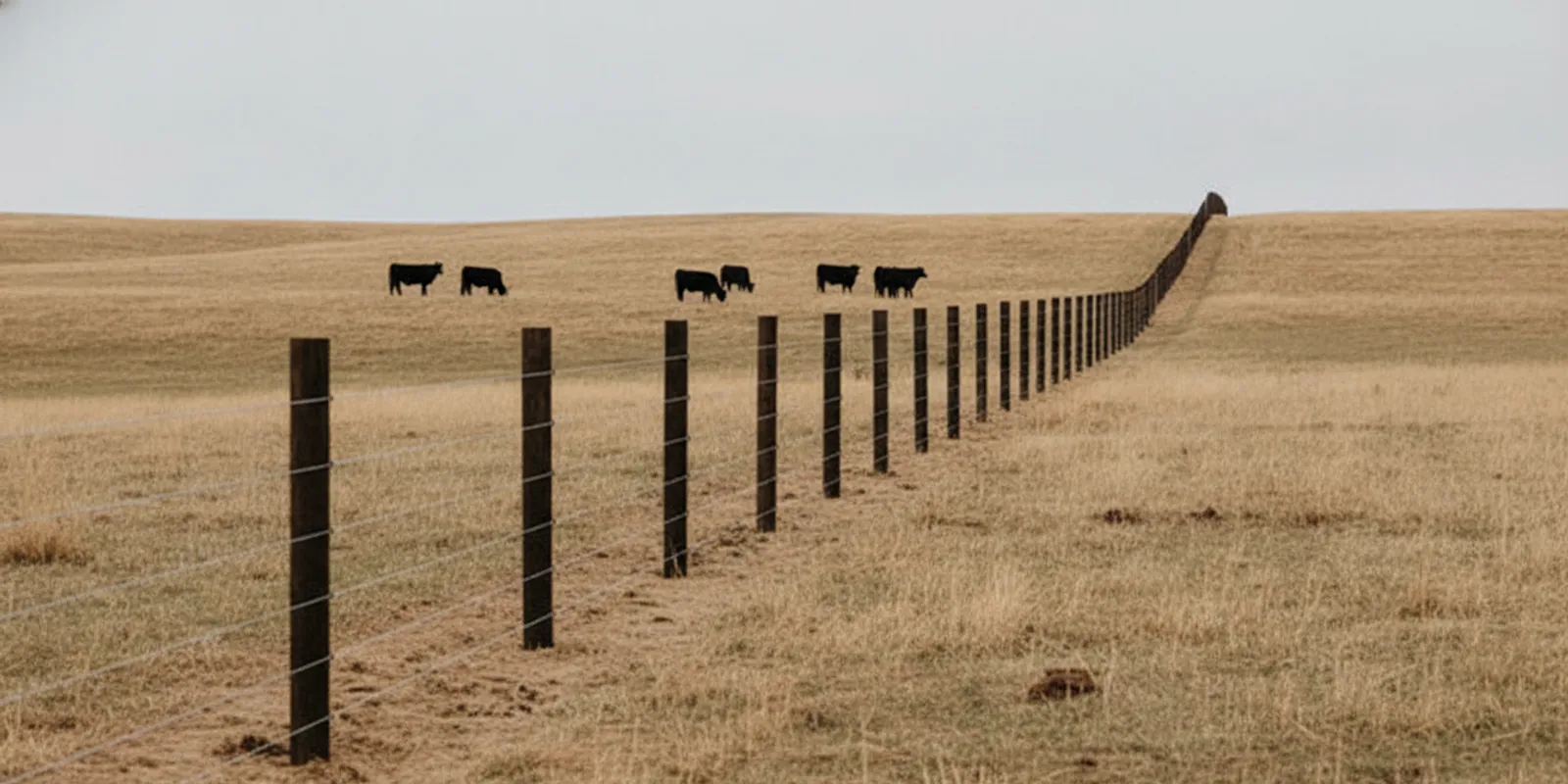
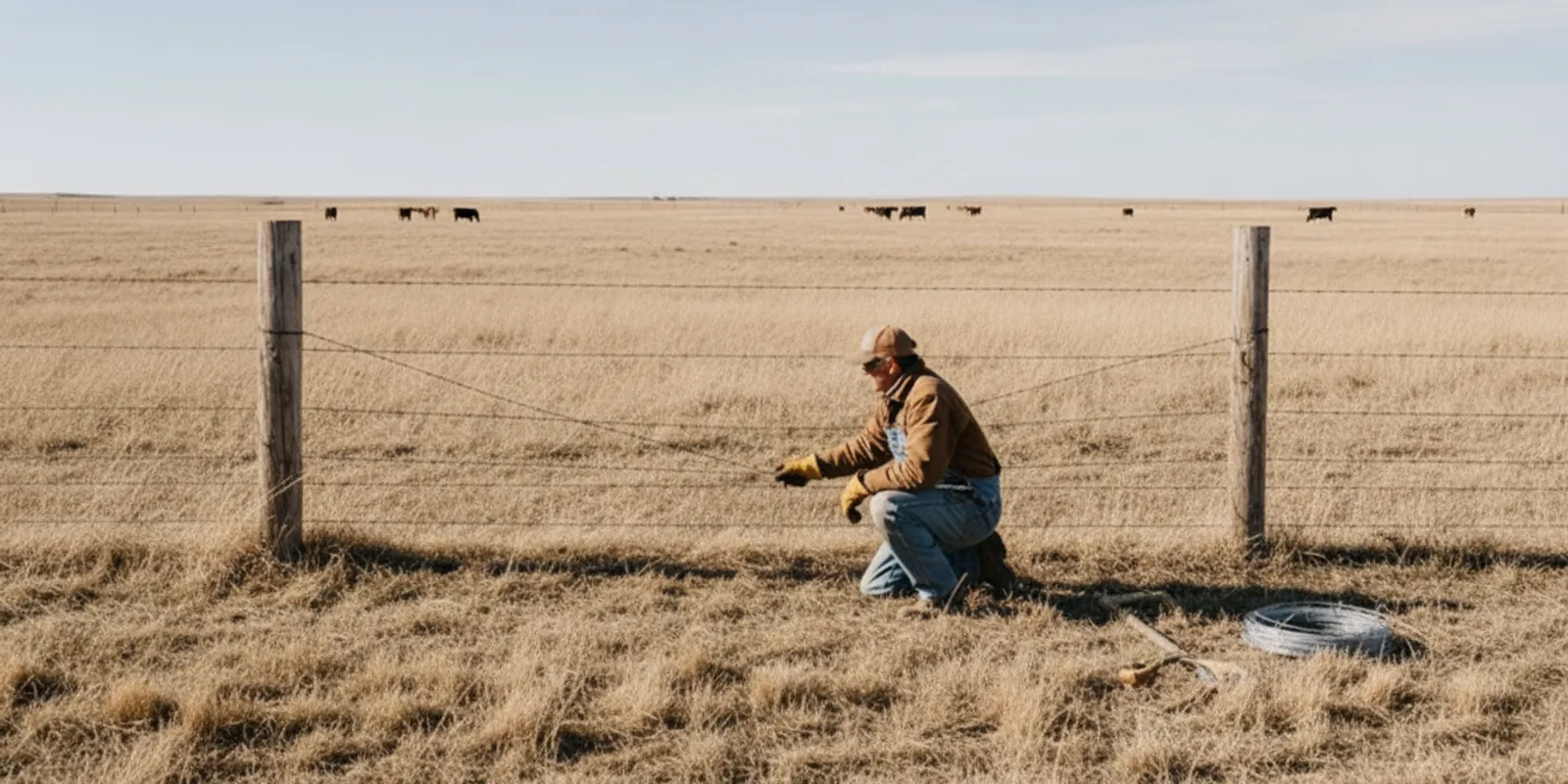
A sturdy new pipe gate is a great investment, but it won't do you much good if it's attached to a weak or sagging fence line. A gate is an active part of your fence system, and the constant opening, closing, and swinging puts unique stress on the posts and wires around it. Before you hang that new gate, it’s crucial to look at the bigger picture. The posts it hangs on and the tension of the surrounding fence are what will ultimately determine if your gate stands straight and swings true for years to come.
The Importance of Proper Fence Bracing and Tension
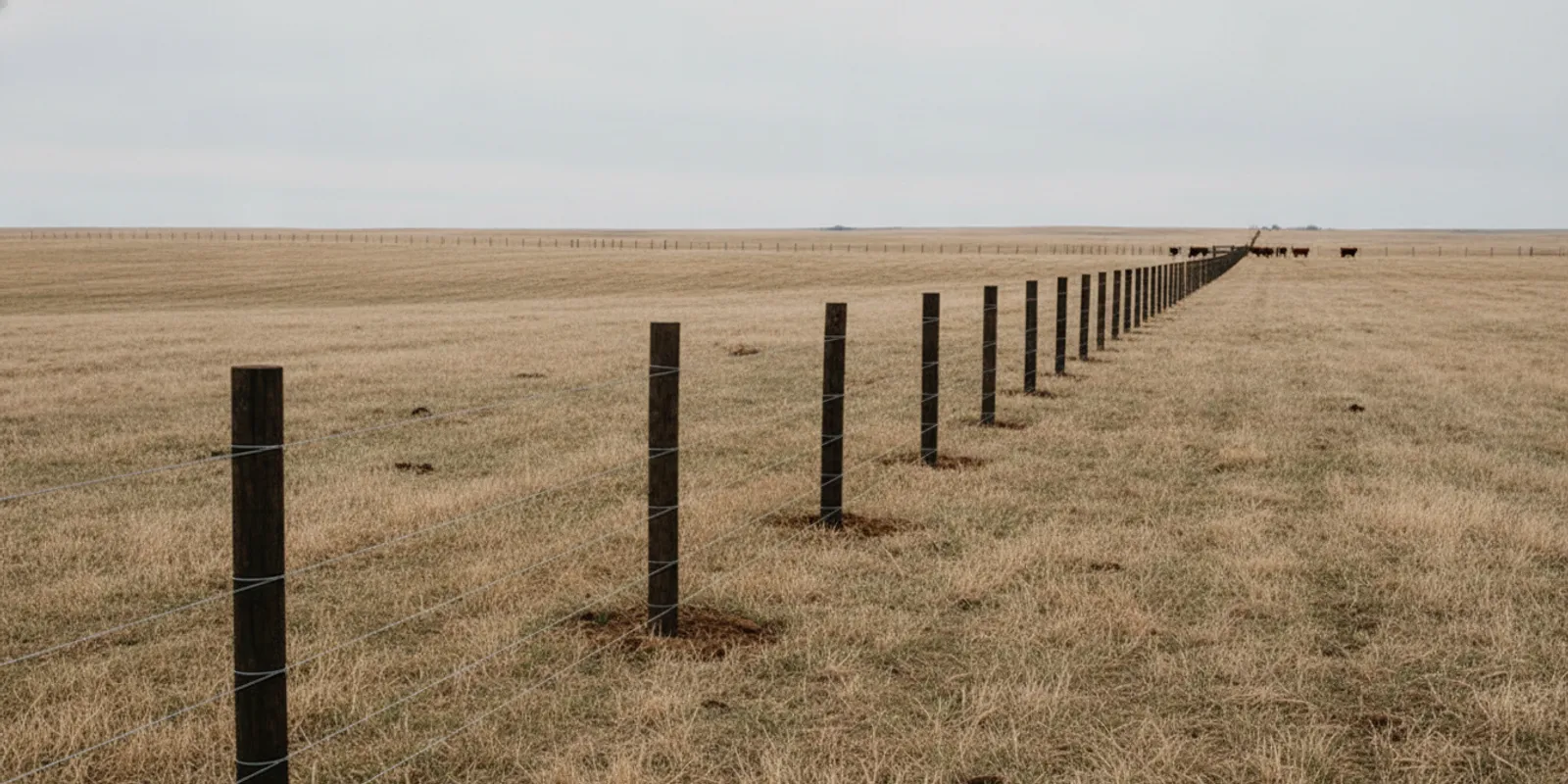
A gate is only as strong as the post it hangs on. Without solid bracing, the weight of the gate will cause the post to lean, leading to a sagging gate that’s difficult to open and close. Proper material choices are key, as they must be able to endure the rigors of daily use and Nebraska’s weather. To prevent sagging, your fence needs strong bracing and proper welding or bolted connections at the corners and ends. This structure supports the tension of the entire fence line, ensuring your gate stays level and your fence remains tight. A well-braced fence doesn't just support the gate; it's the foundation for the entire enclosure.
When to Call a Professional for Installation
While it can be tempting to install a gate yourself, a small mistake can have big consequences. An installation that isn't perfectly level can compromise the integrity of the entire fence, making it weaker than it should be. For high-stress areas where animal safety and structural integrity are non-negotiable, professional installation is a smart move. Think of it as an upfront investment that saves you from costly repairs and headaches later. When you need a fence and gate system built to last, calling a professional ensures the job is done right the first time. Our team specializes in professional installation that accounts for local soil conditions and the specific needs of your livestock.
Find Your Next Pipe Gate in Central Nebraska
Choosing the right pipe gate is a big decision, but it’s only half the battle. You also need a reliable local team to help you select and install it correctly. For those of us in Central Nebraska, finding a partner who understands our unique agricultural landscape is essential. A gate that works in another state might not hold up to our weather or the demands of our livestock. This is where local expertise becomes your most valuable asset, ensuring your investment is built to last right here at home.
What to Look for in a Local Fencing Partner
When you’re searching for a local fencing partner, look for someone who understands the specific needs of your farm. A true partner does more than just sell gates; they listen to your requirements and provide a variety of options that fit your operation. They should have deep knowledge of the materials and designs that work best for your livestock and property management style. A company that offers tailored solutions will make sure your new gate and fence system meets your functional needs and is built to withstand Nebraska’s demanding conditions for years to come.
Get the Right Gate with Rapid Fence
A well-constructed farm gate is vital for managing your livestock and property. With Rapid Fence, we’ll help you consider all the important factors, like the right height, width, and hinge type for your animal traffic and machinery access. We also focus on the material coating, since galvanized or painted steel can significantly extend your gate’s life by preventing rust. We believe in building things right the first time, so you get a gate that’s not just functional today but remains a durable part of your operation for the long haul. If you’re ready to find the perfect gate, get in touch with us.
Related Articles
Frequently Asked Questions
Is it really worth paying more for a heavy-duty gate? For high-pressure areas like corrals, working pens, or feedlots, the answer is a definite yes. A heavy-duty gate is built with thicker steel and stronger bracing to handle the repeated force of a herd, which prevents bending and warping. While a standard gate is fine for a low-traffic pasture entrance, investing in a heavy-duty model for your high-contact zones is a smart move for animal safety and your own peace of mind.
What's the best gate material for Nebraska's weather, galvanized or powder-coated steel? Both are excellent choices for resisting rust and corrosion in our climate. Galvanized steel is dipped in a protective zinc coating that shields the metal even if it gets scratched. Powder-coating involves baking on a thick, durable finish that's tougher than paint and looks very clean. You can't go wrong with either option, as both provide the long-term durability needed to stand up to our humid summers and harsh winters.
How do I figure out the right gate width for my property? The best rule of thumb is to plan for your largest piece of equipment. Measure its width and then add at least a couple of feet for comfortable clearance. For most modern farm machinery, a 14-foot or 16-foot gate is a safe bet. Also, think about the angle you'll need to approach the gate from the road; a wider gate makes it much easier to make that turn without a headache.
My old gate is sagging. Can I just hang a new one on the same posts? A sagging gate is usually a symptom of a bigger problem, which is that the posts and bracing are failing. Hanging a new, heavy gate on a weak post will only lead to the same issue down the road. Before you install a new gate, it's critical to inspect the posts it will hang on. They need to be solid, deep-set, and well-braced to support the gate's weight and movement for years to come.
How long can I realistically expect a new pipe gate to last? A quality pipe gate made from thick, properly coated steel and installed correctly should easily last for decades. We often see well-built gates that are still functioning perfectly after 20 or 30 years of daily use. The lifespan comes down to the quality of the materials, the strength of the welds, and a solid installation. It's a long-term investment, not something you should have to worry about replacing every few years.
Comments