
Corral Fence vs Pasture Fence: What Farmers Need

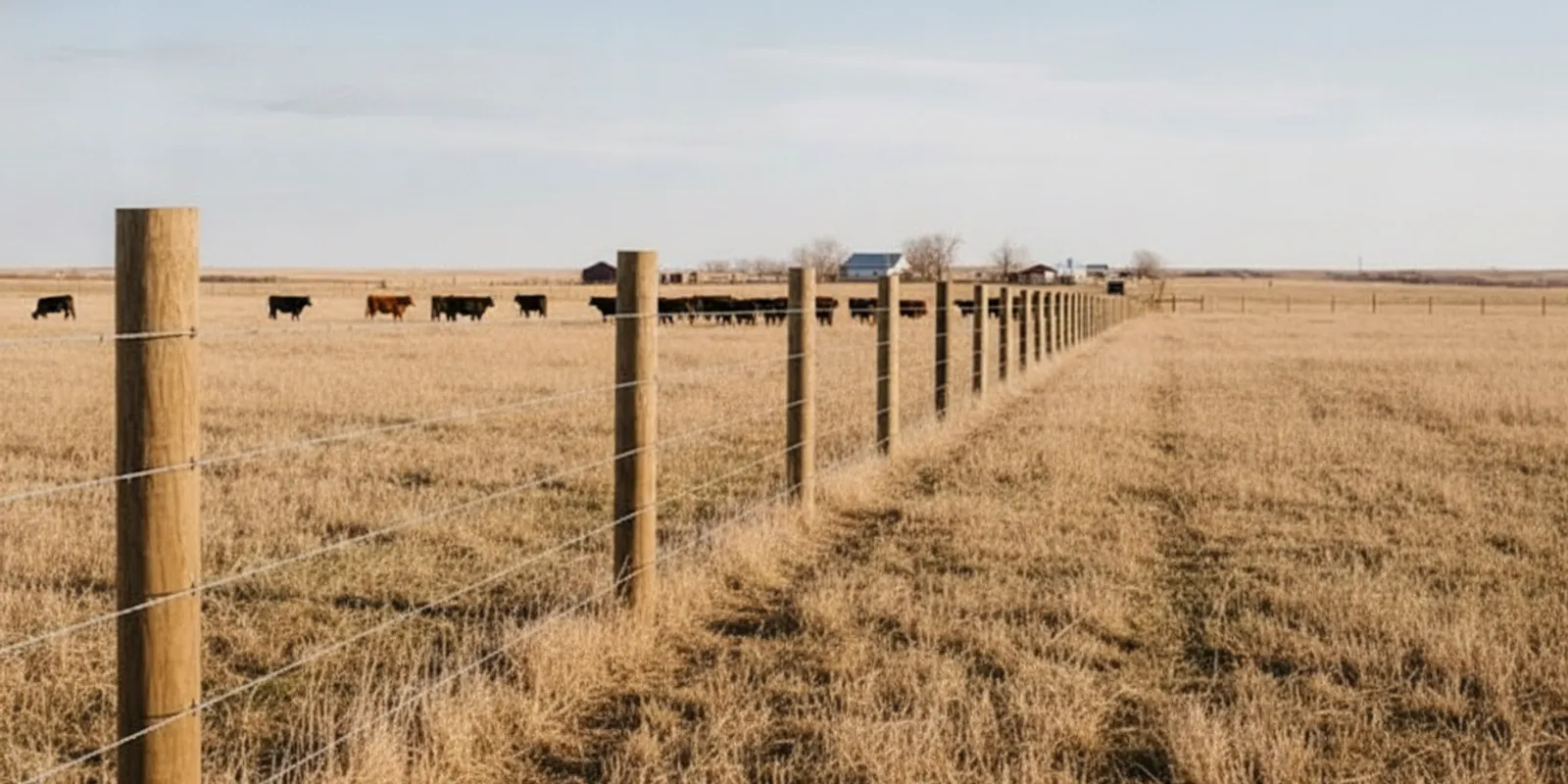
Pasture fence and corral fence serve different jobs on a Nebraska livestock operation. Pasture fencing covers distance and keeps animals where they belong, while a corral must manage concentrated pressure during sorting, loading, treatment, and other close handling work.
The practical difference in corral fence vs pasture fence comes down to animal pressure, daily workflow, gate access, and project conditions. Continuous fence is a heavy-duty steel option for high-pressure, intensive livestock use, while custom corrals are designed around the operation, handling process, and Nebraska weather. Pasture systems may use barbwire, hi-tensile, or other suitable configurations, but every system still depends on proper bracing and maintained tension.
Planning both systems together can help align gates, fence lines, site preparation, and future expansion instead of treating each area as an isolated job. The right comparison starts with how animals will use each space and where the loads will concentrate.
What Makes Corral Fencing Different from Standard Pasture Fence?
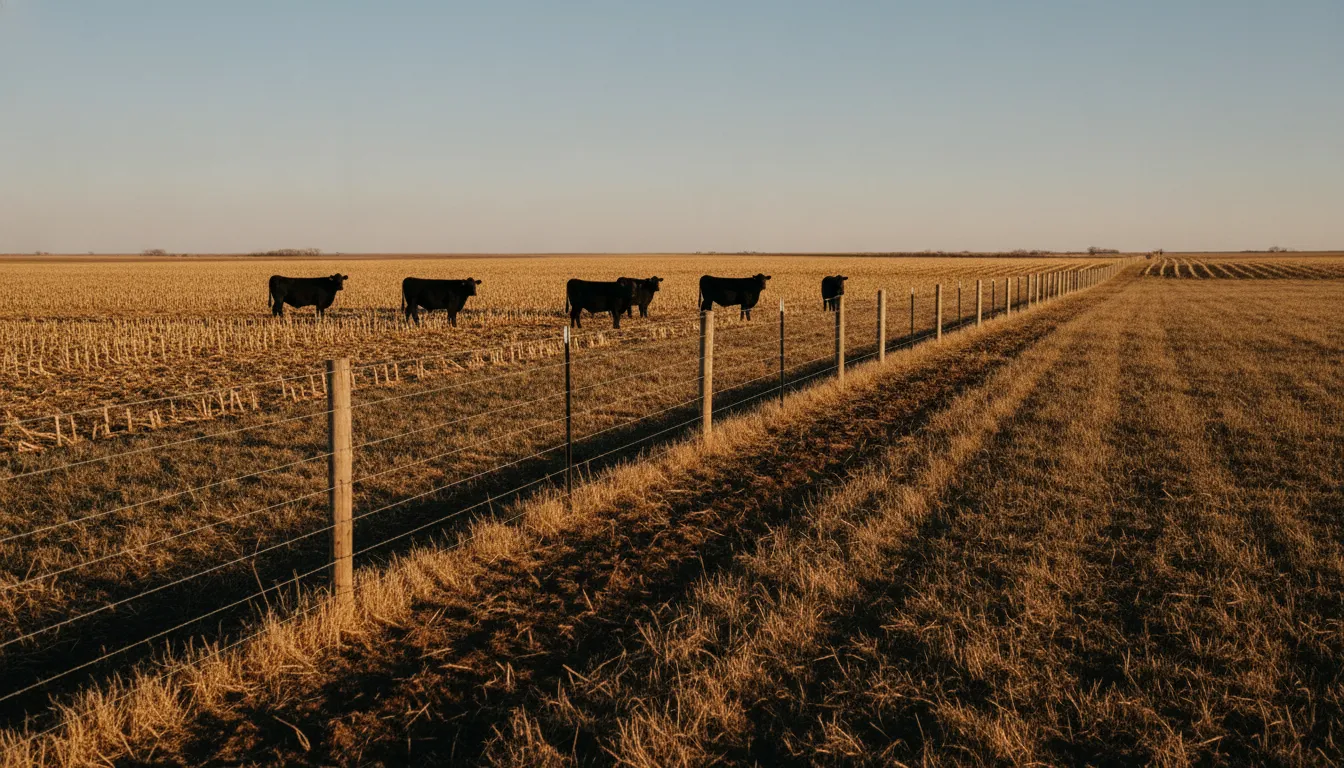
The practical difference in a corral fence vs pasture fence is where and how livestock applies pressure. Pasture fencing usually defines a longer perimeter and provides dependable day-to-day containment across open ground. A corral is a concentrated working area where animals are gathered, sorted, loaded, or treated. Its layout and construction must support repeated handling, tighter movement, and heavier contact in a smaller footprint.
That distinction affects more than the wire or rails. Property size and condition influence the appropriate fence type and the overall project scope, so a pasture perimeter should not be treated as a stretched-out corral. Property conditions and livestock needs belong in the design conversation from the beginning.
Planning factor | Corral fencing | Pasture fencing |
Primary job | Support concentrated livestock handling and controlled movement. | Contain animals across a larger perimeter during normal grazing. |
Typical pressure | Frequent pushing, rubbing, leaning, and crowding at working points. | Ongoing pressure distributed along the perimeter, with greater exposure to terrain and weather. |
Fence approach | Heavy-duty continuous fence or another custom system selected for intensive use. | Barbwire, hi-tensile, or another site- and livestock-appropriate perimeter system. |
Layout priority | Animal flow, handling points, gates, sorting areas, and safe access. | Property lines, terrain, pasture access, water or forage areas, and efficient perimeter coverage. |
Livestock type also changes the comparison. One industry reference notes that a standard 4-foot cattle fence is often sufficient, while bulls or more aggressive cattle may require 5 feet or more. It also emphasizes that cattle fencing must withstand physical pressure from pushing, rubbing, or leaning. Those are useful planning considerations, not universal specifications for every Nebraska operation.
Rapid Fence describes continuous fence as a heavy-duty steel solution for high-pressure, intensive livestock use. Its custom corrals are designed around the operation, heavy handling demands, and Nebraska weather. That does not mean every corral needs the same material or every pasture needs the same wire. It means the system should match the work it must perform. See the company's custom corrals and pasture fencing services for the broader service context.
Once the use case is clear, the next question is how those different loads affect corners, ends, and bracing.
How Load Requirements Change from Pasture to Corral
Pasture fence and corral fence do not experience pressure in the same way. A pasture perimeter may carry tension over a long run, while a corral concentrates livestock movement into a smaller working area. Animals may push, rub, or lean against panels and rails near feed, water, gates, sorting points, and handling lanes. That concentrated pressure makes the corners, ends, and gate connections especially important.
Corner and end-post assemblies are the most important structures in a wire fence, according to guidance from the University of Georgia. The same guidance gives a useful illustration of why tension deserves attention: the pulling force at a corner or end may reach 3,000 pounds when wire is first stretched. And winter contraction can increase that force to 4,500 pounds. Those figures are cited examples, not a universal load rating for every Nebraska fence. Soil, wire, span length, weather, livestock, and construction details all change the actual design requirement.
Pasture runs still need planned bracing
Long perimeter runs can look straightforward, but tension does not disappear with distance. The University of Georgia guidance describes a double-span assembly as more than twice as strong as a single-span assembly and recommends it for spans longer than 200 feet. It also recommends braced line-post assemblies every 650 feet when more than that distance of wire lies between corner posts. These are reference points for planning, not automatic specifications. A site review should determine where terrain, turns, gates, and changes in direction require additional support.
Corrals concentrate force at working points
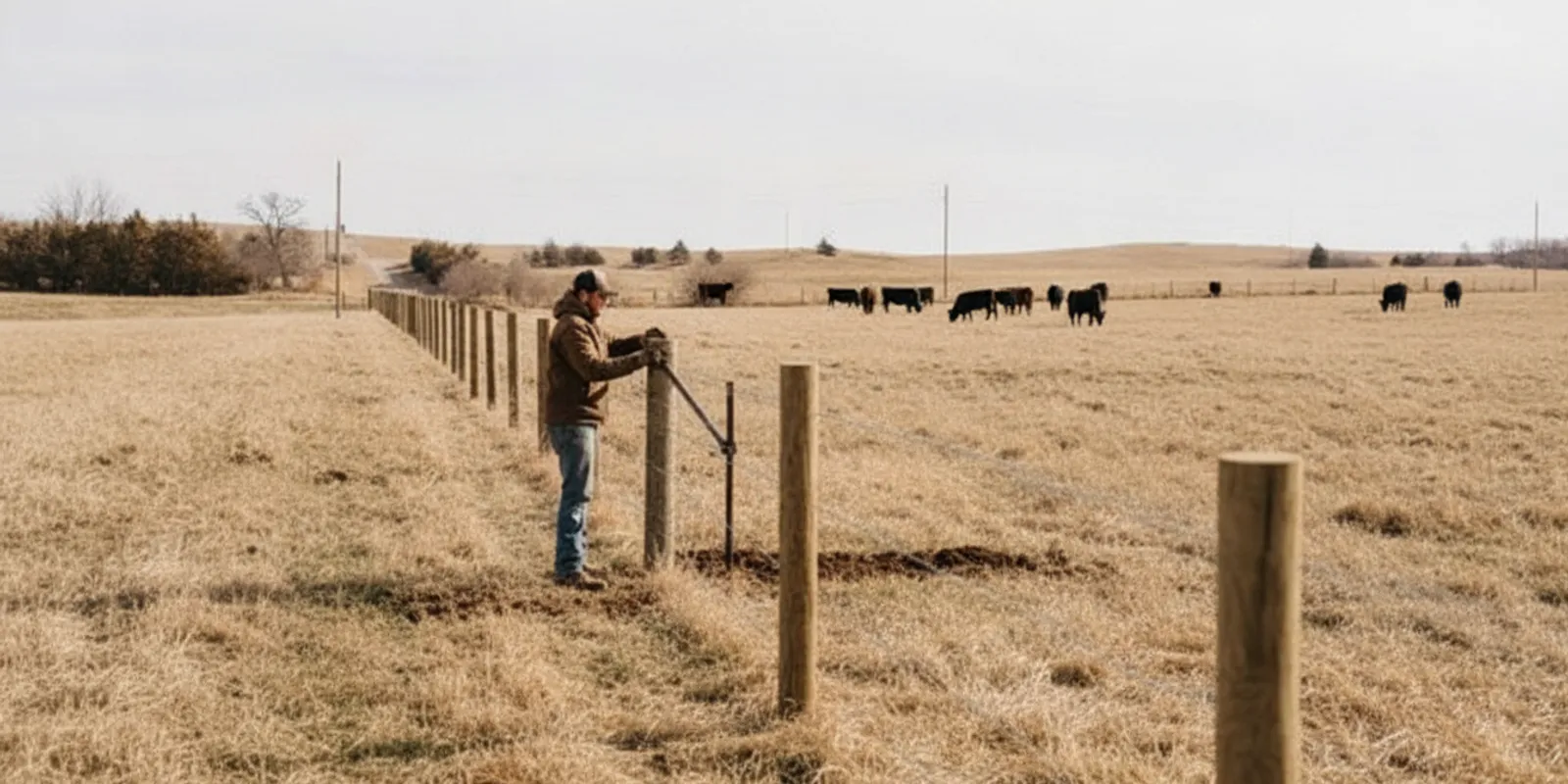
In a corral, livestock repeatedly approaches the same corners, ends, and openings. A weak assembly can allow tension to relax, posts to move, or a line to lose its intended shape. Rapid Fence describes proper H-bracing as a way to distribute loads and emphasizes maintaining tension with materials selected for Nebraska conditions. That approach matters in a custom corral designed around heavy handling, not just around the fence line itself.
For a closer look at the structural side of the work, see Rapid Fence's corner brace fence installation guide. Whether the project is a corral fence vs pasture fence decision or a combination of both. The right answer comes from matching the bracing, tension, and layout to the animals and the way the site will be used.
Why Gates Need a Different Design Logic in Each System
A gate is not just an opening in a fence. It is where tractors, trailers, handlers, and livestock all interact with the layout. In a pasture, the main question is often whether equipment can enter without creating an awkward turn or damaging the fence line. In a corral, the gate also has to support a predictable livestock-movement workflow. With openings positioned so animals can be sorted, held, or moved without unnecessary pressure on people or infrastructure.
As cited guidance from the University of Georgia notes, pasture gates should be wide enough for equipment, with 14 to 16 feet given as a minimum example. The same guidance gives 4 feet as a minimum for a horse gate, increasing to at least 8 feet where equipment must pass. Those figures are reference points, not universal prescriptions for every Nebraska operation. Tractor width, trailer access, the animals being handled, and the intended traffic pattern should determine the final opening.
For a pasture, one well-placed equipment gate may be more useful than several small entrances. Place it where a tractor can approach, turn, and leave without cutting across a wet area or forcing a tight angle. A corral may need more than one gate because the workflow is different. Separate openings can support livestock entry, sorting, loading, and service access. Gate count should follow the work that actually happens there, rather than an assumed standard.
Gate hardware also needs to match that workflow. The latch should be reachable and operable from the side where the operator will normally stand. While hinges should allow the gate to swing through its intended path without striking posts, panels, or adjacent gates. For a closer look at operating components, see this farm gate hardware guide. Planning a wider equipment opening? The 10-foot farm gate guide offers a useful starting point for evaluating access needs.
Gate posts deserve special attention because they carry more than line-fence loads. The cited horse-fence guidance recommends corner and gate posts with a top diameter of at least 8 inches, and brace posts of 5 inches or more. Those are cited design examples, not a blanket prescription. Soil, gate weight, opening width, post depth, and the forces created by animals and repeated use all affect the final assembly. A site-specific review helps ensure the gate opens cleanly, latches reliably, and does not gradually pull the surrounding fence out of alignment.
When Should You Build Corral and Pasture Fence Together?
Build both systems as one coordinated project when the corral, pasture perimeter, gates, and livestock workflow depend on the same access routes or fence lines. Planning them together can keep a high-pressure handling area from becoming an afterthought while the longer pasture fence is being installed. It also gives the contractor a chance to address preparation, bracing, materials, and final tension as one connected plan.
- Confirm property lines, livestock use, and daily access.
Mark the pasture boundaries, corral footprint, existing easements, and any areas that need to remain open for tractors, trailers, feed delivery, or livestock movement. Identify where animals will enter, sort, load, and return to pasture. This review helps separate high-pressure continuous fence or custom-corral areas from longer barbwire or hi-tensile runs that serve perimeter containment.
- Walk the terrain before choosing the route.
Review slopes, low areas, drainage, soil conditions, crossings, and tight corners. Note where a fence line may need clearing, dirt work, or a tear-out before posts can be set. The property size and condition affect fencing choices and project requirements, so a site review is more useful than treating every section as the same installation.
Lay out brace locations, corners, and gates together.
Mark every corner, end, change in direction, and gate before materials are ordered. Wire-fence corner and end assemblies carry the primary structural load, making their placement especially important. Plan gate openings around equipment and handling flow, then coordinate gate-post and H-brace locations so opening the gate does not compromise the fence line. For a deeper structural reference, see this
corner brace fence installation
guide.
- Choose materials by function, not by perimeter alone.
Match the corral to concentrated livestock pressure and daily handling, while selecting pasture materials for the animals, terrain, and length of the perimeter. Account for continuous fence, barbwire, hi-tensile, posts, gates, hardware, and any transition between systems. Materials should also be appropriate for Nebraska environmental conditions.
Sequence preparation before installation.
Complete fence-line cleaning, tear-outs, and required dirt work before post setting. Then install posts and brace assemblies, string the wire or set the corral panels, hang gates, and connect the systems at planned transition points. Rapid Fence describes agricultural fencing as a full project from site preparation through installation and repair, not as a single isolated step. See the overview of
Nebraska agricultural fence installation
for related planning considerations.
- Schedule around the operation and verify the finished system.
Seasonal timing should account for farm workload, access, weather, and the condition of the ground. Avoid promising a fixed schedule until the site and scope are understood. After installation, check gate swing and access, brace locations, transitions, wire alignment, final tension, and livestock containment. Final verification and any structural repair should be part of the project closeout.
How to Budget for Corral and Pasture Fence as One Project
A useful budget starts with the whole site, not just the visible wire or panels. The total footage matters, but so do the materials selected for each area, the number and location of gates. Corner and end assemblies, brace points, terrain, equipment access, and the condition of the fence line. A short, heavily used corral and a long pasture perimeter may serve the same operation, yet they place different demands on labor and construction.
Be careful with generic cost tables found online. For example, the University of Georgia fence guidance explains that its cost index is intended to show relative cost, not actual project prices. That distinction matters in Nebraska, where soil, weather, livestock use, layout, and site conditions can change the work required. Property size and condition also affect the fence type and overall project scope.
Account for the work before installation
Site preparation can be a meaningful part of the project. Thick vegetation may require fence-line clearing. An existing fence may need a tear-out before new work can begin. Uneven ground, drainage concerns, or a new gate approach may call for dirt work. Long or difficult-to-reach sections can affect access for equipment and the sequence of installation. Those details should be identified during the planning visit rather than appearing as surprises after materials arrive.
Materials and structural details deserve their own review. A project may combine barbwire, hi-tensile, or continuous fence with a custom corral, so the estimate should account for the actual system in each location. Gates add more than an opening in the line. Their count, placement, hardware, post loads, and intended equipment use all influence the layout. Corner and end assemblies, along with proper H-bracing and maintained tension, are part of building a fence that performs under real agricultural use.
Why a site-specific quote is the practical starting point
Rapid Fence reviews agricultural fencing as one coordinated project, from site preparation through final verification. Its full-cycle service can include clearing, dirt work, tear-outs, post setting, wire stringing, installation, final tensioning, and structural repair. That approach makes it easier to compare the complete scope instead of evaluating a fence material in isolation. You can review the available Central Nebraska fencing services before the site visit.
Rapid Fence uses project-specific, quote-based pricing and offers free on-site estimates rather than a standard rate card. A visit allows the team to see footage, terrain, access, existing conditions, livestock workflow, gates, and brace locations firsthand. For a combined corral and pasture project. That is the clearest way to build a realistic plan and decide where durability and handling needs call for different construction choices.
Frequently Asked Questions
What is the main difference between a corral fence and a pasture fence?
A corral fence supports concentrated livestock handling in a smaller working area, where animals may push, rub, lean, or crowd the structure. A pasture fence usually covers a longer perimeter and focuses on dependable containment, access, and long-term tension across the property. The right materials, height, bracing, and layout depend on the animals, terrain, and daily use.
Can the same fence material be used for a corral and a pasture?
Sometimes, but the decision should follow the pressure and workflow each area will see. A heavy-duty continuous fence may suit a high-pressure corral, while barbwire or hi-tensile fencing may fit a longer pasture perimeter when designed and braced correctly. Mixed systems are also possible. A site review helps determine where stronger materials, tighter control, or different gate arrangements are needed.
How should gates be planned for a combined fencing project?
Plan gates around livestock movement, equipment access, turning space, and the work you perform in each area. Pasture gates may need room for tractors or other equipment, while corral gates should support controlled movement and safe handling. Gate posts, hinges, latches, and nearby brace assemblies should be treated as part of the fence structure, not added after the fence line is complete.
How do I get a budget for corral and pasture fencing?
Ask for a project-specific review rather than relying on a generic per-foot number. Total footage, materials, gates, corners, end assemblies, terrain, fence-line cleaning, tear-outs, dirt work, and access can all affect scope. Rapid Fence provides quote-based planning and free on-site estimates for agricultural fencing projects in Central Nebraska.
Planning a corral and pasture fence project in Central Nebraska? Call Rapid Fence at (308) 223-1320 for a quote or free on-site estimate.
Rapid Fence can help you review the layout, livestock pressure, gates, bracing, access, fence-line conditions, and project sequence before installation begins. From custom corrals and continuous fence to barbwire, hi-tensile fencing, dirt work, tear-outs, and structural repair, the goal is a system built for your operation and Nebraska conditions.
Comments