
Custom Cattle Corral Design Nebraska: Plan Before You Build

A cattle corral should make routine work more controlled. It should not add extra steps when livestock need sorting, treatment, loading, or care. Before construction begins, define the jobs the facility must handle, the cattle moving through it, and the site conditions that will shape access, footing, gates, and drainage.
Good custom cattle corral design nebraska planning starts with your handling workflow, herd size, available space, and future needs. Map the movement from holding and crowding pens through the working chute, then match the layout to local soil, weather, access, and safe working areas. A site review can also identify whether fence line cleaning, dirt work, a tear-out, or structural repair belongs in the project.
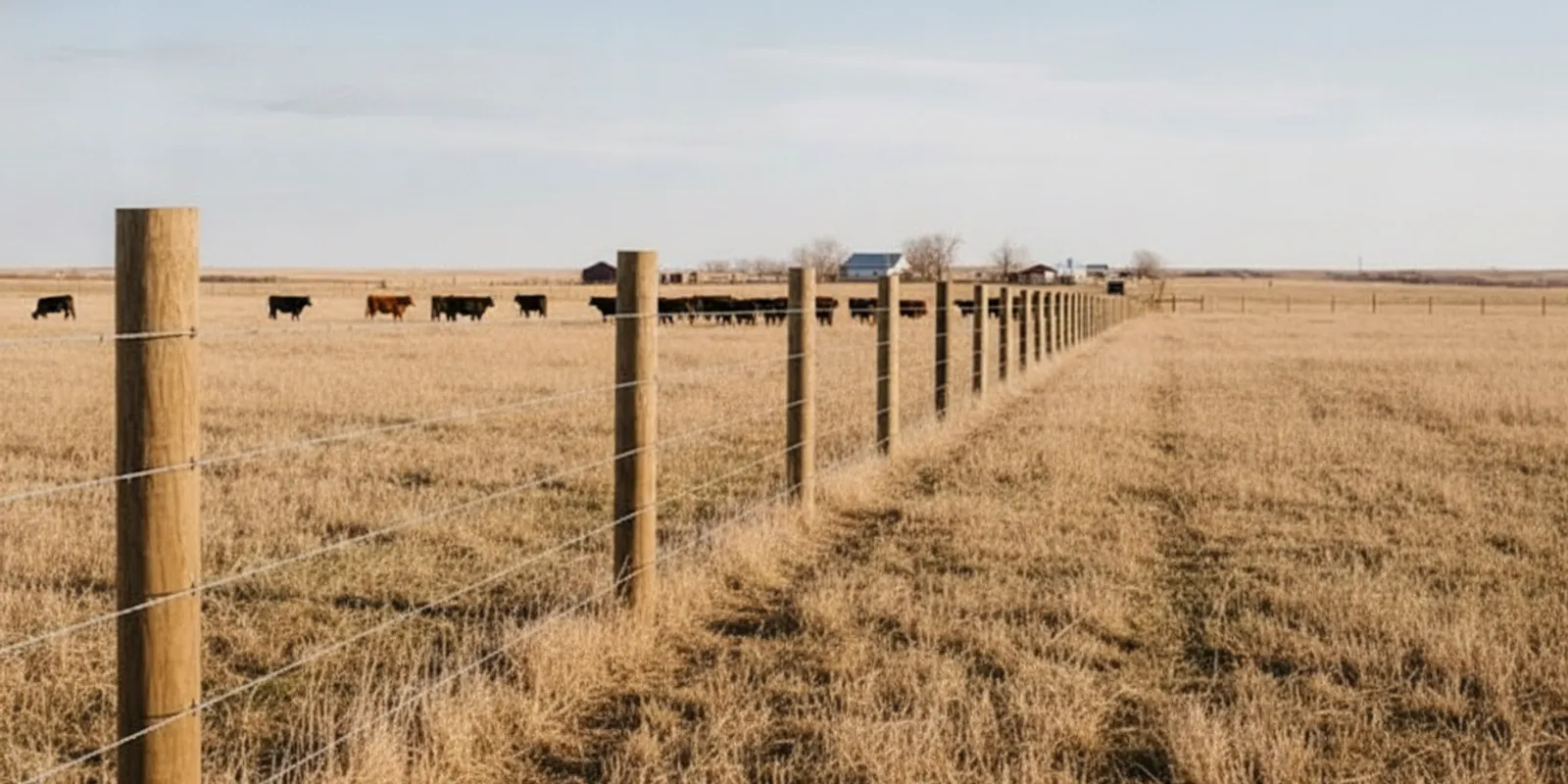
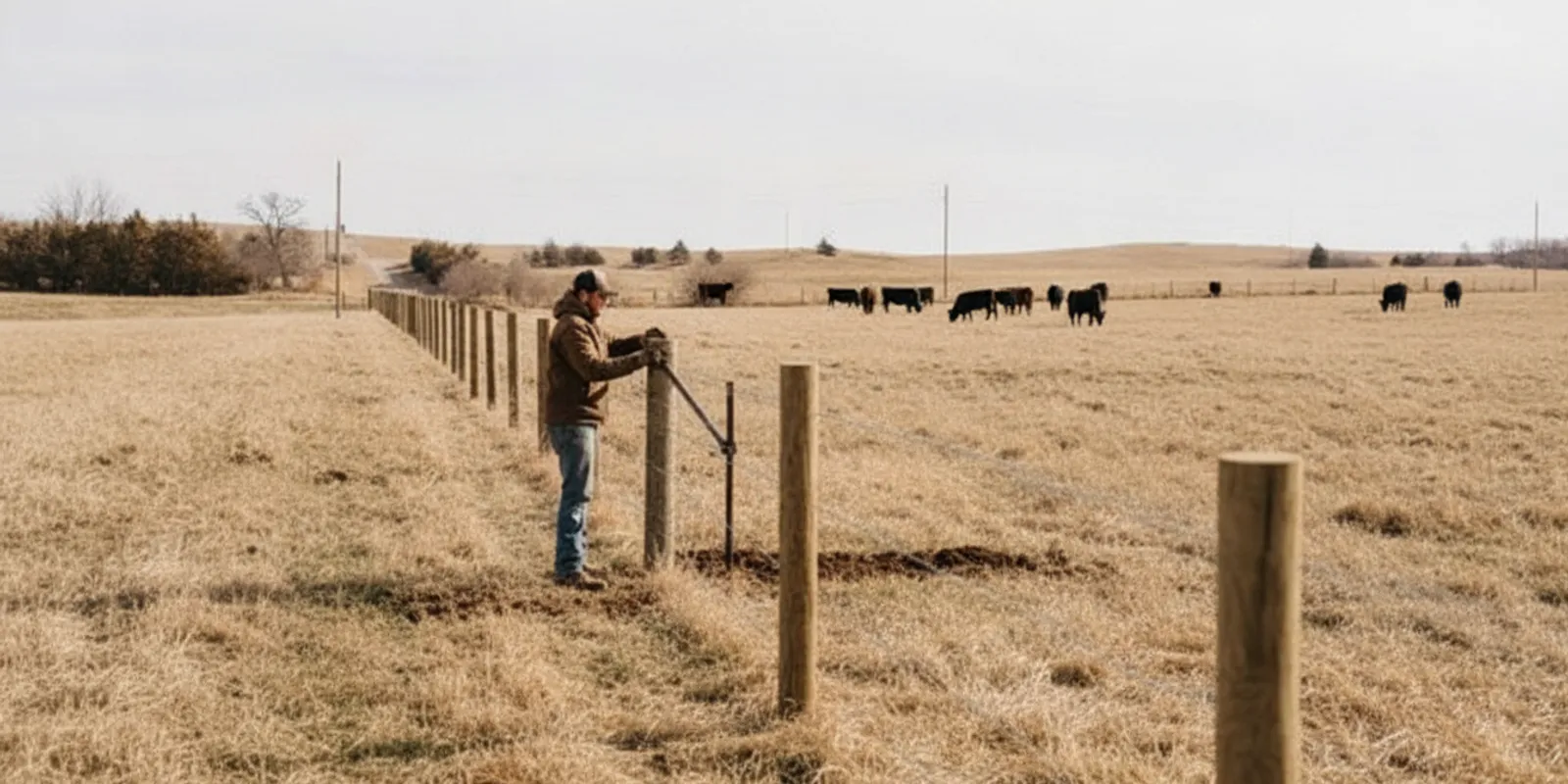
Rapid Fence builds custom-built corrals and livestock infrastructure for Central Nebraska operations, with practical attention to bracing, tension, and durable installation. Start by putting the entire handling process on paper, then test how people, cattle, equipment, and future expansion will fit together on the ground.
How to Map Out Your Corral Before Construction Begins
Start with the work your cattle handling area must support, then draw the movement between each task. Sorting, weighing, vaccinating, treating, calving, and loading may all require different access points. The Natural Resources Conservation Service identifies conditioning, holding, sorting, and crowding pens, along with working and loading chutes, as common components of a handling facility. Your operation may not need every component at the same scale, but listing the tasks first keeps the layout tied to daily use.
Next, walk the site and mark the relationship between the corral, cattle pens, yard areas, roads, and existing structures. NRCS guidance recommends locating handling facilities near cattle pens and the yard for easier access. Note where trucks, trailers, tractors, and people need to enter and leave. Record existing fence lines, gates, buildings, water lines, power, drainage patterns, and any structures worth keeping. A well-planned corral should match the site rather than forcing the site into a generic drawing.
Plan the pen sequence around cattle flow
Sketch the path from the arrival or holding area through sorting and crowding, into the working chute, and toward the loading point or return pasture. The working chute and crowding pens are central elements of the system, so their placement should not be an afterthought. Pen size and the number of pens depend on cattle size and numbers, as well as the work you expect to do. Leave room for handlers to open gates, move safely, and reach equipment without crossing the cattle path unnecessarily.
Include gate swings and trailer access on the drawing, not just the fence lines. Review 10-foot farm gate options and the farm gate hardware guide when identifying access points and hardware needs. Also flag utilities early. Electricity, water, prevailing wind, drainage, and the all-weather road can affect both placement and site preparation. NRCS recommends a well-drained site with all-weather access. It also cites keeping working facilities below a three-percent slope to reduce gate-swing problems. Treat that as design guidance to verify during the site walk, not a blanket guarantee.
Reserve room for the next phase
Build today around current needs, but mark where another holding pen, sorting lane, or loading connection could go later. Oklahoma State guidance recommends planning for easy expansion. A contractor can then protect future access while coordinating fence-line cleaning, dirt work, tear-outs, installation, bracing, and final checks. That early map gives a professional installer the information needed to turn your handling goals into a durable custom layout.
Review the NRCS livestock handling facility guidance alongside your site notes before construction planning is finalized.
Designing for Livestock Flow: What Experienced Cattle Handlers Know
A corral works better when cattle can move forward without repeatedly stopping, turning, or reacting to distractions. That starts with studying sightlines. Bright glare, sharp shadows, loose equipment, unfamiliar movement, and handlers standing in the wrong position can interrupt flow. Solid panels in selected areas can limit what cattle see ahead, while clear handler walkways let people work from a safer position without becoming another obstacle.
The working chute deserves especially careful planning. Oklahoma State University recommends a curved chute with solid sides because restricting an animal's view can encourage it to continue forward. Cattle may move more freely when they do not see the handler or squeeze chute until they are close to the end. Sloping sides also confine the feet and legs to a narrower path, reducing the opportunity to turn around. They can be useful in cow-calf operations where different sizes of cattle may use the same chute. Oklahoma State's corral and working-facility guidance explains these design considerations in more detail.
Safety features should be part of the layout, not an afterthought. Overhead restrainers can help prevent cattle from rearing, turning around, or falling backward in the chute. Emergency release panels provide a way to free an animal that falls and becomes lodged. The exact equipment and placement should match the cattle, handling tasks, and people who will use the facility. Walkways, gates, crowding pens, and the chute need to function as one system so handlers are not climbing fences or stepping into a confined animal's path.
Flow also affects labor. The NRCS livestock-handling guidance notes that well-designed facilities support safe handling and can reduce labor demands. Less forcing and fewer stops can make routine sorting, treatment, loading, and other work more manageable. A poorly placed gate or blocked sightline can add work every time cattle enter the system.
For a custom corral built around your operation, plan the movement from the first pen through the crowding area, chute, and exit. Rapid Fence can evaluate the existing site, access, structures, and handling goals before construction, then coordinate the dirt work, installation, bracing, and final quality checks. That custom approach matters because cattle behavior, herd makeup, and daily workflow are different on every Nebraska operation.
How Herd Size Drives Corral Dimensions and Gate Placement
Herd size is only one part of the layout. Cattle size, the work you perform, and how animals enter, sort, crowd, restrain, and load all affect the space you need. NRCS guidance notes that the number and size of pens, the working chute, and the type of headgate depend on both cattle size and cattle number. That is why a custom corral should be planned around your actual operation rather than copied from a standard drawing.
Start by listing the jobs the facility must handle. Sorting, health work, weighing, loading, and routine treatment may require conditioning, holding, sorting, and crowding pens, along with a working chute, headgate, squeeze, or loading chute. The working chute and crowding pens are central to the system. Their position should let cattle move forward without forcing handlers to cross active gates or work in pinch points. A layout that works for one established herd may become a bottleneck as numbers increase.
Operation profile | Primary planning priority | Gate and expansion questions |
Smaller established herd | Keep the handling path efficient for common jobs. Match pen and chute design to the cattle being worked. | Can gates open fully without blocking the working path? Is there a practical route for loading and returning cattle? |
Growing operation | Protect room for additional holding or sorting capacity instead of designing only for today's head count. | Where can another pen, alley, or gate be added without rebuilding the working chute? |
Larger or multi-group operation | Separate groups and tasks so cattle can be sorted, held, treated, and loaded with less backtracking and labor. | Do gate locations support multiple movement routes, truck access, and safe separation of cattle groups? |
Gate placement also has to account for the site. Handling facilities should be accessible from cattle pens and the yard, with loading access planned into the layout. A well-drained working area and suitable approach help keep gates usable when conditions change. Review 10-foot farm gate options and the farm gate hardware guide when comparing openings, hinges, latches, and daily use. For a growing Central Nebraska operation, build expansion into the plan from the beginning. Rapid Fence can tailor a custom corral to your cattle, workflow, site, and future needs.
Nebraska Climate Considerations: Shade, Drainage, and Wind Direction
In Nebraska, the ground around a corral can matter as much as the panels and gates. Start by looking for a well-drained site with an all-weather access road. The NRCS recommends keeping working facilities on a slope under 3 percent to reduce gate-swing problems. Treat that as cited planning guidance, not a universal guarantee for every property. The final layout should account for soil, grade, runoff, existing structures, and the equipment that must reach the facility.
Footing deserves special attention in areas where cattle will stand, turn, wait, or load. Conditioning pens need good drainage and dependable footing, while slippery surfaces should be avoided. A site that holds water can create mud, complicate gate operation, and make routine cattle work harder. Plan drainage before construction rather than trying to correct standing water after the corral is in service. That may involve grading, dirt work, or other site preparation suited to the property.
Wind direction is another practical site-planning question. Oklahoma State University Extension recommends considering drainage, prevailing winds, nearby all-weather roads, electricity, and water when selecting a corral location. Review where wind typically moves dust, snow, odors, and loose material in relation to working areas, feed, neighboring pens, and access routes. Shade should be evaluated as part of the same conversation. Consider where animals and handlers can find relief during hot conditions, while avoiding a layout that creates distracting shadows, glare, or difficult sightlines around gates and chutes.
Utilities and seasonal access should be mapped before the first post is set. Identify water points, electrical service, truck approaches, trailers, and the routes used during wet or frozen conditions. Leave practical room for gate swings and future expansion. A custom corral should support today's handling work without forcing you to rebuild the entire layout when the operation changes.
Rapid Fence brings local knowledge of Central Nebraska soil and seasonal installation conditions to custom corral planning. The team can coordinate fence line cleaning, dirt work, tear-outs, professional installation, and structural repair as part of a larger project. Review Central Nebraska fencing services to see how site preparation and construction can be planned together.
Sources: USDA NRCS livestock handling facility guidance and Oklahoma State University Extension corral guidance.
How Custom Cattle Corral Design in Nebraska Becomes a Buildable Plan
Good custom cattle corral design nebraska planning becomes useful when it is translated into a buildable scope. A contractor should understand how you move cattle, what work the facility must support, what the site can handle, and how the corral may need to expand. Rapid Fence is based in Scotia and serves ranchers across Central Nebraska, with planning shaped by local soil, weather, seasonal timing, and livestock needs.
- Start with a site walk and workflow conversation.
Discuss sorting, holding, loading, treatment, vaccination, and any other routine tasks. Walk the proposed area, existing pens, cattle-yard access, roads, utilities, drainage patterns, and structures that need to remain. The NRCS recommends locating handling facilities near cattle pens and yard areas for easier access. While Oklahoma State guidance also identifies drainage, prevailing winds, electricity, and water as site considerations.
- Define dirt work and removal before choosing materials.
Confirm whether the project needs fence line cleaning, grading, footing improvements, drainage work, or a fence tear-out. Removing old materials and preparing the ground first helps keep the installation sequence clear. A well-drained site and dependable access matter for construction as well as daily cattle handling.
Match materials and components to the operation.
Review continuous fence, gates, panels, posts, chute arrangements, and loading access together rather than selecting each item in isolation. Gate location should support the actual cattle flow and equipment access. For related planning, review
and this
.
Put structural details in the scope.
Ask how corners, ends, gates, and high-load areas will be braced and tensioned. Proper construction, stable posts, brace-load support, and final tensioning are quality checkpoints, not details to leave assumed. Rapid Fence can also address structural repair when existing components are part of the finished layout. Its guide to
explains why reinforcement matters.
- Verify the finished work before cattle use it.
Walk the completed corral with the contractor. Check gate swing and latches, chute and alley alignment, footing, post stability, tension, livestock containment, equipment access, and any sharp or hazardous points. Rapid Fence describes its project scope as including professional installation, final tensioning, and quality verification, from preparation through completion.
Get a quote and schedule based on the real scope.
A useful quote should reflect site preparation, tear-outs, materials, installation, repairs, and the agreed finish, not just a fence-line length. Rapid Fence uses quote-based project pricing and offers on-site estimates. To discuss your cattle numbers, handling goals, access, soil, existing structures, and timing, visit
or review its
Nebraska agricultural fence installation
services.
This planning process keeps the design practical, gives the contractor a clear sequence, and helps your finished corral support the work your operation actually does.
Frequently Asked Questions
What should I decide first when planning a cattle corral?
Start with the jobs the facility must support, such as sorting, weighing, vaccinating, treating, loading, or calving. Then map cattle flow from the catch or holding area through sorting and crowding pens, the working chute, and the loading point. This keeps the layout tied to daily work instead of forcing your operation into a standard plan.
How does herd size affect a custom corral layout?
Herd size and cattle size influence the number and size of pens, the working chute, the headgate, and the space needed for sorting and loading. Plan for your current herd, but leave a practical path for expansion. Mississippi State Extension notes that good handling facilities are useful regardless of herd size, so a smaller operation still benefits from an efficient, safe layout.
Where should a corral be located on a Nebraska ranch?
Choose a well-drained site near cattle pens and the yard area, with dependable all-weather access. Review prevailing winds, existing structures, electricity, and water before construction. NRCS guidance also recommends keeping working facilities on a slope under 3 percent to help reduce gate-swing problems: NRCS handling-facility guidance.
What site preparation matters before corral installation?
Address drainage, footing, access, and any old fence or structures that interfere with the planned flow. Conditioning and holding areas should avoid slippery surfaces, while dirt work may be needed to create a stable working base. A site walk can identify grading, tear-out, gate, bracing, and utility needs before materials arrive.
How do I start a custom corral project with a contractor?
Gather your herd details, handling tasks, preferred loading process, expansion plans, and any site concerns. A contractor can then walk the property, review cattle flow and materials, define dirt work or tear-out, and prepare a quote-based plan. Rapid Fence offers on-site estimates for custom corrals in Central Nebraska. Call (308) 223-1320 to begin.
Ready to Plan Your Custom Corral?
A thoughtful layout can help your crew move cattle more efficiently and give your operation a practical foundation for future needs. Rapid Fence can talk through your site, workflow, access, gates, and preparation needs before construction begins.
Call Rapid Fence at (308) 223-1320 to schedule a custom corral planning conversation or request an on-site estimate.
Comments