
Custom Corral Builder Nebraska: Your Complete Guide

Updated: Sep 14
A livestock corral should do more than hold cattle. It should help you move animals safely, work efficiently, and keep routine handling from becoming a stressful event for people or livestock. For Nebraska farms, that means designing around your herd, terrain, equipment, access, and the work you actually do throughout the year. Getting these details right on the front end is what separates a corral that serves your operation for decades from one that becomes a constant source of repairs and lost time.
A custom corral builder nebraska farmers can rely on should plan the full system, including holding, sorting, crowding, and working areas, with durable construction, proper bracing, and practical access. Well-designed handling facilities can reduce stress, which matters because stress can affect cattle disease resistance and weight gain, according to University of Nebraska research.
Rapid Fence builds custom corrals and livestock infrastructure for Central Nebraska operations, with services ranging from dirt work and fence line preparation to professional installation and structural repair. Based in Scotia, Nebraska, and led by CEO Cody Koehn, Rapid Fence works with livestock owners across Greeley, Buffalo, and Hall Counties and the wider Central Nebraska region. The right starting point is understanding what a custom corral includes, why a site-specific layout makes a difference, and how a qualified builder brings all the pieces together. This guide walks through each of those steps so you can plan, budget, and build with confidence.
What Is a Custom Corral and Why Nebraska Livestock Farms Need One
A custom corral is a livestock handling facility designed around the way a specific farm works. Instead of forcing a herd into a standard layout, the builder plans the pens, gates, chutes. And working areas around cattle numbers, animal size, available space, and the jobs the operation needs to complete. That may include sorting, weighing, vaccinating, treating, loading, calving, or separating animals for different groups.
The basic components are familiar, but their size and arrangement matter. Guidance from the USDA Natural Resources Conservation Service identifies conditioning, holding, sorting, and crowding pens, along with working and loading chutes. A squeeze chute and headgate, and a weigh scale as key parts of a cattle handling facility. A custom design makes those parts work together instead of leaving bottlenecks between them.
Built around your herd and daily work
A small cow-calf operation does not need the same pen capacity or chute arrangement as a larger Nebraska livestock farm. The number and size of pens, the working chute, and the type of headgate should reflect the size and number of cattle being handled. A well-planned corral gives cattle room to move in a controlled direction while giving the operator practical access to gates, panels, and restraint equipment.
That organization supports lower-stress handling. Research from the University of Nebraska-Lincoln explains that well-designed facilities can reduce stress for cattle and operators. While lower stress supports the animal's ability to fight disease and maintain weight gain. The same research emphasizes that gentle handling and facilities suited to the work help cattle become more accustomed to routine procedures. Read the University of Nebraska cattle-handling research for more detail on facility design and animal behavior.
Designed for Nebraska conditions
In Central Nebraska, a corral also has to stand up to wind, changing temperatures, heavy use, and difficult ground conditions. Durable panels and strong bracing help keep the structure secure when cattle push against it or weather puts stress on the installation. The site should also be selected with drainage and access in mind. A well-drained location and an all-weather approach make the facility easier to use when conditions are wet, frozen, or muddy.
The right custom corral builder in Nebraska starts by understanding your herd, your handling routine, and your property. That leads to a facility that is safer to work in, easier to maintain, and ready for the jobs your operation faces throughout the year. Rapid Fence builds custom corrals with practical layouts and durable construction for livestock owners across Central Nebraska.
What to Look for in a Custom Corral Builder in Nebraska
The right custom corral builder in Nebraska should do more than set panels and leave the rest to you. A good builder listens to how your operation works, how many cattle you handle, and which jobs the facility must support throughout the year. Sorting, weighing, treating, calving, loading, and routine herd movement all place different demands on a corral. The layout should be custom-engineered around those demands, not pulled from a generic plan.
Look for structural details that hold up
Ask how the builder handles bracing, gates, corners, connections, and tension. A corral takes repeated pressure from livestock, equipment, and daily use. Weak posts or poorly tensioned continuous fence can create repair problems, escape points, and unnecessary risk for people working cattle. Built-to-last materials matter, but material quality only delivers its value when the installation is properly planned and assembled.
The builder should also be able to explain how the pens, working chute, loading areas, and headgate will work together. Federal conservation guidance notes that the size and number of pens, the working chute, and the headgate should depend on cattle size and number. The NRCS livestock-handling facility guide also identifies holding, sorting, crowding, working, and loading areas as important components of an effective facility.
Choose local knowledge over a one-size-fits-all install
Nebraska soil and weather can make site preparation just as important as the visible fence. A capable builder will evaluate drainage, access, grade, and the way water moves across the property. NRCS recommends selecting a well-drained site with an all-weather access road. It also recommends placing handling facilities at least 300 feet from residences to reduce the effects of noise and dust. Those details should be part of the conversation before construction begins, not discovered after the first wet season.
Local Roots means understanding Central Nebraska conditions and the realities of working around an active farm or ranch. Rapid Fence is based in Scotia and serves livestock owners across Central Nebraska, including Greeley, Buffalo, and Hall Counties. That local perspective helps keep the plan practical for the ground, the livestock, and the season.
Look for full-cycle service
Ask whether the contractor can manage the work from preparation through long-term upkeep. An existing site may need fence tear-out, fence line cleaning, or dirt work before new corrals can be installed correctly. Afterward, a contractor who understands structural repair can help address wear before a small issue becomes a containment problem. Handling those steps with one experienced team can reduce delays and make responsibility clear.
Rapid Service should not mean rushed workmanship. It means clear communication, efficient scheduling, and respect for the narrow windows when farmers need work completed. Rapid Fence, led by Cody Koehn, CEO, combines that pace with proper bracing, tension, professional installation, and custom planning. When comparing builders, ask for a site-specific scope and a clear explanation of how the proposed corral will serve your operation for years to come.
Custom Corral Design: What to Plan Before You Build
A corral should make routine work more controlled, not create another obstacle on the farm. Before construction begins, map how cattle, equipment, and people will move through the site during sorting, loading, treatment, and other seasonal work. A practical plan also accounts for Nebraska weather, nearby residences, and the way your herd actually behaves. Use these planning steps to give your builder a clear starting point.
Choose the site with drainage and neighbors in mind.
Start with a well-drained location rather than the lowest convenient spot in the yard. Mud can slow cattle handling, damage access, and make cleaning more difficult. USDA Natural Resources Conservation Service guidance also recommends placing handling facilities at least 300 feet from residences to reduce the impact of noise and dust. Review prevailing winds, seasonal runoff, snow movement, and room for future changes before setting the final footprint.
NRCS livestock handling facility guidance
supports both the drainage and setback considerations.
- Plan an all-weather access road.
A corral that works only when the ground is dry is not ready for real Nebraska use. Leave enough approach space for a stock trailer, feed truck, tractor, and emergency access. An all-weather road helps you reach the facility during wet springs, fall storms, and winter freezes without turning the entrance into a set of deep ruts. If the site needs grading, fill, or other dirt work, include that preparation in the design and budget instead of treating it as an afterthought.
- Lay out a calm, efficient cattle flow.
Sketch the movement from pasture or holding area to sorting pen, working area, loading point, and release. Avoid sharp turns, blind corners, and dead ends that encourage cattle to stop or turn back. Excited cattle can become agitated in seconds, while severely agitated animals may take 20 to 30 minutes for their heart rate to return to normal. A layout that supports steady, low-stress movement protects both livestock and the people working them. Efficient placement also reduces unnecessary walking and labor during sorting, weighing, and treatment.
- Keep the corral close to the pens it serves.
Locate the handling facility near the cattle pens and yard area for easy access, while still respecting drainage, traffic, and residence setbacks. The shortest route is not always the best route, but excessive distance adds time and creates more opportunities for cattle to spread out or turn around. Think through where animals will enter from each pasture and where they will go after processing.
- Size each pen for the herd and the work.
Do not size the entire system by head count alone. Consider whether you need separate holding, sorting, crowding, conditioning, and loading areas, along with a working chute and headgate. Pen dimensions and equipment choices should reflect cattle size, group size, temperament, and the tasks you perform throughout the year. A smaller operation may need fewer sections, but it still needs enough room to separate animals without crowding them into unsafe positions.
- Select materials and construction details for long-term use.
Choose panels, gates, posts, and working components that match the pressure they will receive. Strong connections, sound bracing, and a durable layout matter as much as the visible panels. If an existing fence or yard occupies the planned footprint, account for fence tear-out and fence line cleaning before installation. The goal is a custom-built corral that stays functional through repeated use, changing weather, and the daily demands of a working livestock operation.
Walk the proposed layout with the builder before materials arrive. That conversation can reveal a gate that needs to swing differently, a road that needs more width, or a pen that should be shifted to improve flow. Good planning turns those adjustments into simple design decisions instead of expensive field changes.
Steel vs. Wood Corral Panels: What Nebraska Farmers Actually Use
Material choice affects more than the appearance of a corral. Panels need to contain cattle safely, stand up to repeated contact, and remain workable when Nebraska weather turns wet, cold, or windy. Wood can be a practical choice in the right setting, especially when a farm already has compatible lumber and the crew can handle regular repairs. For a permanent working corral, however, high-quality steel pipe and heavy panels are usually the more durable direction.
Material | Durability | Cost | Maintenance | Suitability for corrals |
Steel pipe and heavy panels | Strong and well suited to repeated cattle pressure when properly installed, braced, and tensioned. | Often a larger upfront investment. Final cost depends on layout, panel specifications, gates, chutes, and site work. | Inspect connections, gates, braces, and damaged sections. Repairs are generally targeted to individual components. | Best fit for permanent working corrals, sorting areas, holding pens, and high-use facilities. |
Wood posts and rails | Can perform well when properly built. More vulnerable to rot, impact damage, and weather exposure over time. | May offer a lower initial material cost in some projects. Actual pricing varies by lumber, labor, and foundation requirements. | Requires regular inspection for rot, loose fasteners, broken rails, and sections weakened by cattle contact. | Reasonable for selected layouts, temporary areas, or farms prepared for ongoing repair and replacement. |
Why steel is the common permanent-corral choice
A working corral is not simply a fence around an open area. It may need conditioning, holding, sorting, and crowding pens, along with working or loading chutes. The USDA Natural Resources Conservation Service livestock-handling guidance identifies these components as part of an effective handling facility. Those pieces must fit together so cattle move where they need to go without creating avoidable pressure points or escape opportunities.
Steel pipe and heavy panels provide a solid framework for that coordinated layout. Proper bracing matters at corners, gates, chute connections, and other locations where cattle push or shift direction. Quality material alone does not make a corral durable. Installation, alignment, footing, and tensioning all influence how the system performs after years of use. A custom corral builder in Nebraska should plan the complete system rather than treating panels as isolated products.
Where wood can still make sense
Wood is not automatically the wrong material. It can suit a lower-use pen, a farm with readily available lumber, or a project where the owner accepts a hands-on maintenance schedule. It may also work as part of a mixed design when specific areas need a different appearance or construction approach. The tradeoff is that a damaged or deteriorated rail can compromise the section around it, and replacement becomes part of the long-term ownership cost.
For a permanent corral used for sorting, weighing, treating, loading, or calving, most Nebraska farmers want predictable containment and fewer recurring repairs. Rapid Fence can evaluate cattle size, herd numbers, existing facilities, access, and the intended workflow before recommending panel materials. That practical review helps match the build to how the corral will actually be used, not just how it looks on a sketch.
How Much Does It Cost to Build a Custom Corral in Nebraska?
There is no responsible flat price for a custom corral. Every operation has a different herd size, site, layout, and handling routine. So Rapid Fence provides quote-based pricing rather than publishing a number that may not fit your project. A site visit and conversation with the builder are the best way to understand the full scope and receive an accurate estimate.
The size of the corral is one of the first cost drivers. A small setup for occasional sorting will require less material and labor than a larger system with several holding, sorting, crowding, and working pens. The number and size of pens should match the cattle you handle and the work you perform throughout the year. The USDA Natural Resources Conservation Service notes that pen dimensions, chute choices, and headgate types depend on cattle size and number. Its livestock-handling facility guidance also identifies working and loading chutes as important parts of a complete handling system.
What is included in the corral scope?
Material selection affects both the initial estimate and the way the finished facility performs. Pipe construction, continuous fence, and panel-based layouts each have different material requirements. A quote should account for posts, gates, braces, connections, and the installation work needed to build a strong system. The right choice depends on cattle pressure, traffic flow, expected use, and the layout of the existing yard, not simply on the lowest material price.
Handling components can also change the project total. Your plan may include a working chute, loading chute, squeeze chute, headgate, or weigh scale. These items should be selected as part of the overall design so cattle can move safely and efficiently between pens. Adding a component later may require changing gates, pen dimensions, or access points, which is why it is better to discuss the complete workflow before construction begins.
Do site preparation and access affect the estimate?
They often do. Existing fence may need a tear-out, and fence line cleaning can be necessary before equipment and materials reach the building area. Dirt work may also be needed to improve drainage, create a stable working surface, or prepare an all-weather approach. The NRCS recommends a well-drained site and an all-weather access road for livestock handling facilities. Difficult access, uneven ground, long material carries, or substantial cleanup can add labor even when the corral footprint itself is straightforward.
Rapid Fence handles the project as a custom build, from preparation through professional installation and structural details such as bracing and tension. Cody Koehn, CEO of Rapid Fence, can review your herd, handling goals, current fencing, and site conditions before recommending a practical scope. For exact numbers, call (308) 223-1320 to request a free estimate for your custom corral in Nebraska.
Corral vs. Pasture Fence: Understanding the Difference and When You Need Both
A corral fence and a pasture fence serve different jobs on a livestock operation. The corral is a working facility where cattle are gathered, sorted, restrained, weighed, vaccinated, treated, or loaded. The pasture fence is the larger boundary system that keeps animals where they belong while they graze. Treating them as interchangeable can create unsafe handling conditions or unreliable containment.
What a corral fence is designed to do
A corral is built around livestock movement and handling. Its layout may include conditioning, holding, sorting, and crowding pens, along with working and loading chutes. Depending on the operation, it can also include a squeeze chute and headgate, weigh scale, or other handling equipment. These components need to work together so cattle flow in a controlled direction instead of bunching at gates or forcing workers into unsafe positions. The USDA Natural Resources Conservation Service identifies these components as core parts of an effective cattle handling facility: NRCS livestock-handling facility guidance.
Corral panels, pipe, and heavy gates are commonly selected for the repeated pressure of cattle being sorted and confined. The right size and arrangement depend on the herd's size and number, the tasks performed, and the available site. A custom layout may be more useful than a standard package when the farm needs separate holding areas. A loading lane, or room for a squeeze chute and scale. A thoughtful design also supports calmer handling. Research from the University of Nebraska notes that well-designed facilities can reduce stress for both cattle and operators, which matters for disease resistance and weight gain.
What a pasture fence is designed to do
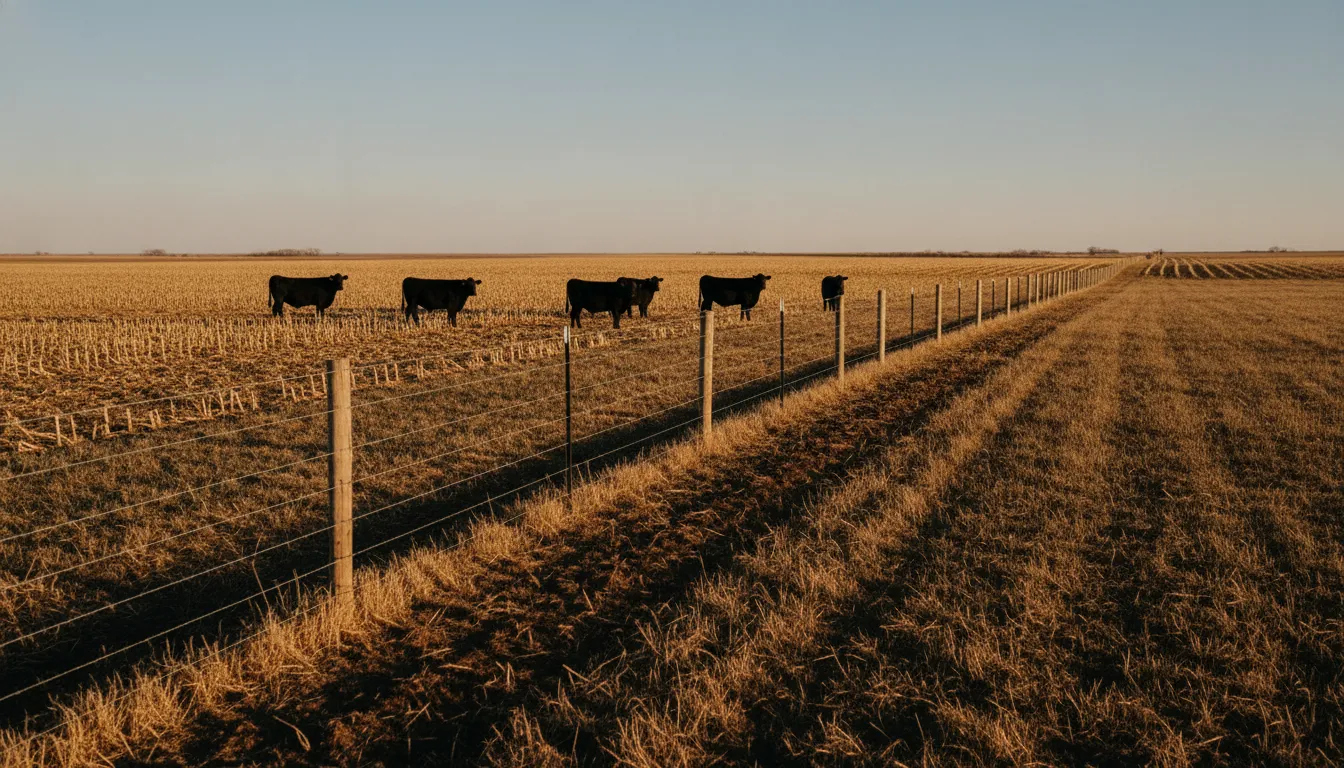
Pasture fencing works continuously along a property or grazing boundary. Its job is to contain livestock over the long term, divide grazing areas, and limit access to roads, crops, or neighboring ground. Depending on the animals, terrain, and management plan, that boundary may use barbwire, hi-tensile, or continuous fence. Unlike a corral, it is not primarily arranged around a chute or a series of handling pens.
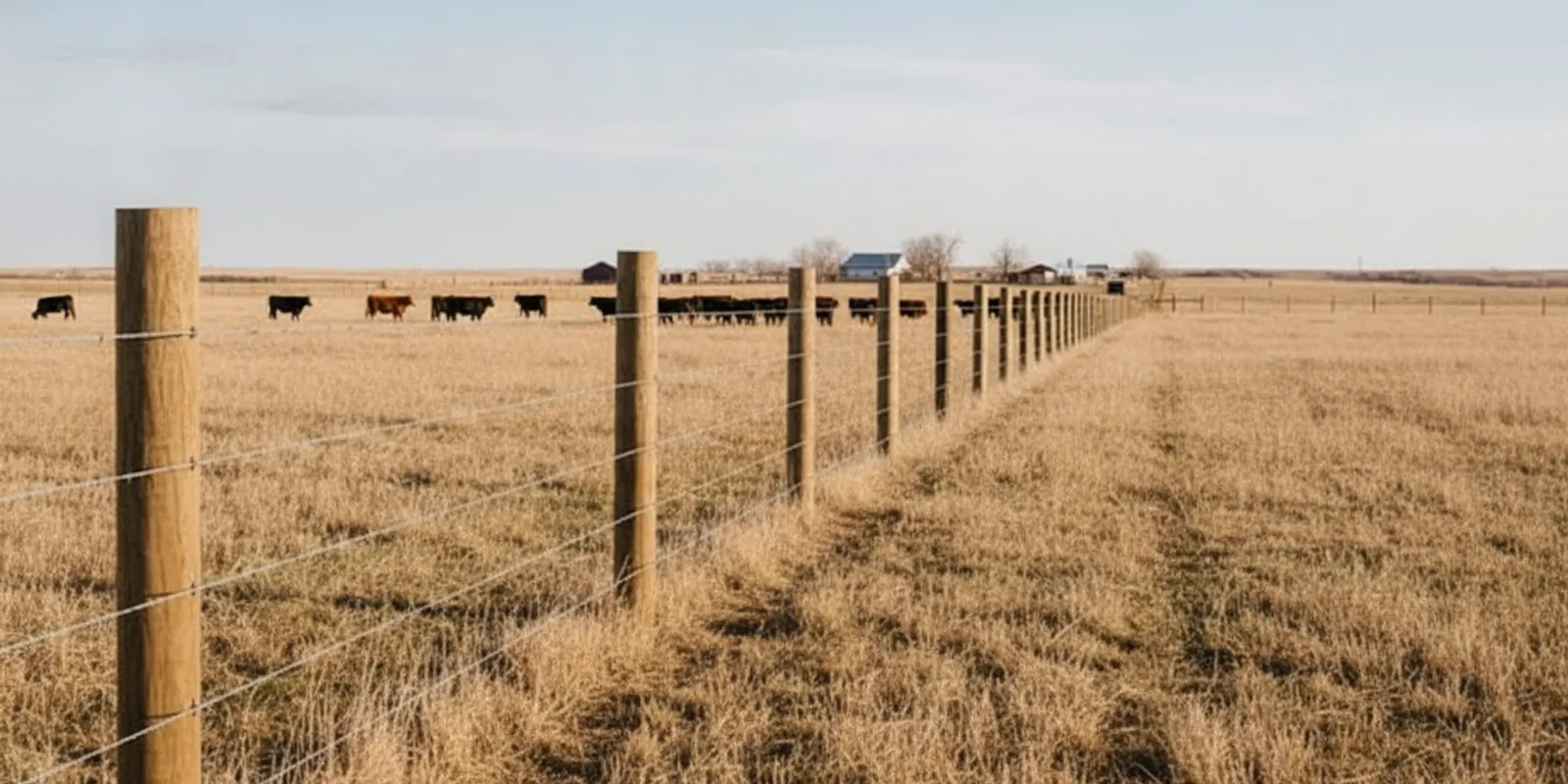
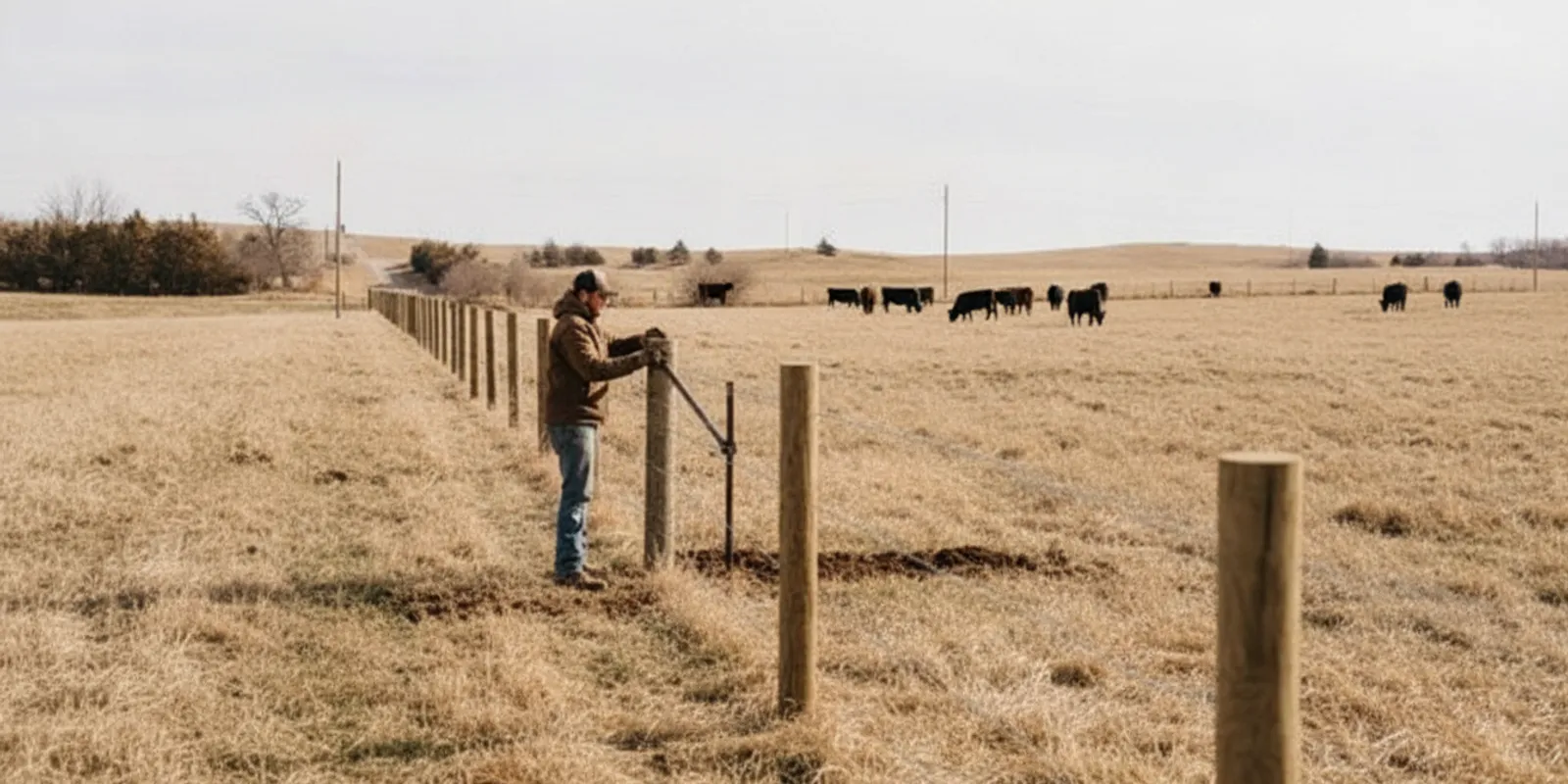
Pasture fence still needs careful construction. Sound corners, properly set posts, and adequate bracing help the fence hold tension and stand up to livestock pressure, wind, snow, and uneven ground. A weak corner can compromise an entire run. Professional agricultural fence installation in Nebraska should account for the fence type, soil, slope, gates, and the way livestock use each pasture.
When a farm needs both
Most cattle operations benefit from both systems because grazing and handling are separate activities. Pasture fence keeps the herd contained between handling days. The corral provides a safe, efficient place to bring animals in for processing. The two systems should connect through well-placed gates and lanes, but they should not be expected to perform the same function.
For example, a farm may use hi-tensile or barbwire around a grazing tract, then direct cattle through a gate into a continuous-fence or steel-panel corral near the yard. A custom corral builder can plan the transition so the approach is practical. The working area fits the herd, and the boundary fence does not absorb pressure it was never designed to handle. Review this corral fence materials and design guide before choosing components. The best solution is one coordinated system, with a durable pasture boundary and a purpose-built handling facility sized for the work your farm actually performs.
Do You Need a Permit to Build a Corral in Nebraska?
There is no single statewide answer that applies to every livestock corral in Nebraska. Whether you need a permit, zoning approval, or another review can depend on the county or municipality. The property's zoning classification, and the size and purpose of the facility. A small working corral on agricultural property may be treated differently from a larger livestock handling or confinement facility near homes, roads, waterways, or incorporated areas.
Before construction begins, contact the county zoning or planning office that has jurisdiction over the property. Ask specifically about agricultural accessory structures, livestock handling facilities, setbacks, drainage, access, and any required application or inspection. If the property is within a city or village, start with that municipality instead. Requirements can also change when a project includes substantial dirt work, new access improvements, runoff concerns, or a facility larger than a typical farm corral.
Federal and conservation guidance may be relevant even when a local office does not require a conventional building permit. The Natural Resources Conservation Service recommends placing livestock handling facilities on a well-drained site with an all-weather access road. It also recommends keeping handling facilities at least 300 feet from residences to reduce noise and dust. Review the NRCS livestock handling facility guidance when choosing a site, then confirm how local officials apply setbacks and drainage expectations to your project.
Depending on the facility's size, location, and runoff potential, your county conservation district or other environmental officials may also have guidance to follow. That does not automatically mean your corral needs an EPA permit. It does mean you should ask whether grading, drainage, manure management, or stormwater controls require additional review. Do not rely on a neighbor's experience or assume that an agricultural property is exempt from every local requirement.
A professional builder can help you identify these questions early. Before quoting the layout, a custom corral builder in Nebraska should review the property, planned herd use, access, drainage, setbacks, and any existing fence tear-out or line-cleaning work. Rapid Fence can help coordinate the construction details, but the county or municipality is the authority that confirms permitting and zoning requirements. Getting that confirmation before ordering materials or moving dirt can prevent delays, redesigns, and costly corrections.
Frequently Asked Questions
How much does a custom corral cost in Nebraska?
There is no dependable one-size-fits-all price. The total depends on herd size, pen layout, working chute, headgate, panel materials, site preparation, dirt work, tear-out, and line cleaning. A site visit and written quote are the best way to price the project accurately.
How big should a cattle corral be?
The right size depends on the number and size of your cattle, plus the work you need to perform. A useful design may include holding, sorting, crowding, and working areas, along with loading access. Planning around your actual handling routine helps prevent bottlenecks and avoids paying for space your operation will not use. The USDA Natural Resources Conservation Service notes that pen and equipment dimensions depend on cattle size and number: NRCS livestock handling facility guidance.
Are steel or wood panels better for a custom corral?
Both can work, but the best choice depends on your cattle, layout, budget, and maintenance expectations. Steel panels and continuous fence offer durable containment and flexible layout options. Wood may suit specific areas or existing infrastructure. Strong posts, proper bracing, and sound installation matter as much as the panel material.
Do I need a permit to build a corral in Nebraska?
Permit and zoning requirements can vary by county and by project location. Before construction, check with the appropriate local authority and discuss the site with your builder. Site planning also matters for practical reasons. NRCS recommends a well-drained location with all-weather access and at least 300 feet between residences and handling facilities to reduce noise and dust.
Ready to Plan Your Custom Corral?
A well-planned corral can make sorting, loading, and routine livestock handling more straightforward on your Nebraska farm. Rapid Fence can help you discuss the layout, materials, site preparation, and fencing service that fit your operation. To get started, call (308) 223-1320 to request a free quote for a custom-built corral.
Comments