
Hi-Tensile vs. Woven Wire Fence for Pastures

Choosing between hi-tensile and woven wire fence for pasture is not just a question of which wire is strongest. The right system depends on the livestock you need to contain, the length and shape of the pasture, the pressure points around gates and corners, and how much maintenance your operation can handle. For Nebraska farmers, terrain, soil movement, freeze-thaw cycles, and seasonal access all belong in the decision.
Hi-Tensile vs. Woven Wire Fence: What Is the Difference?
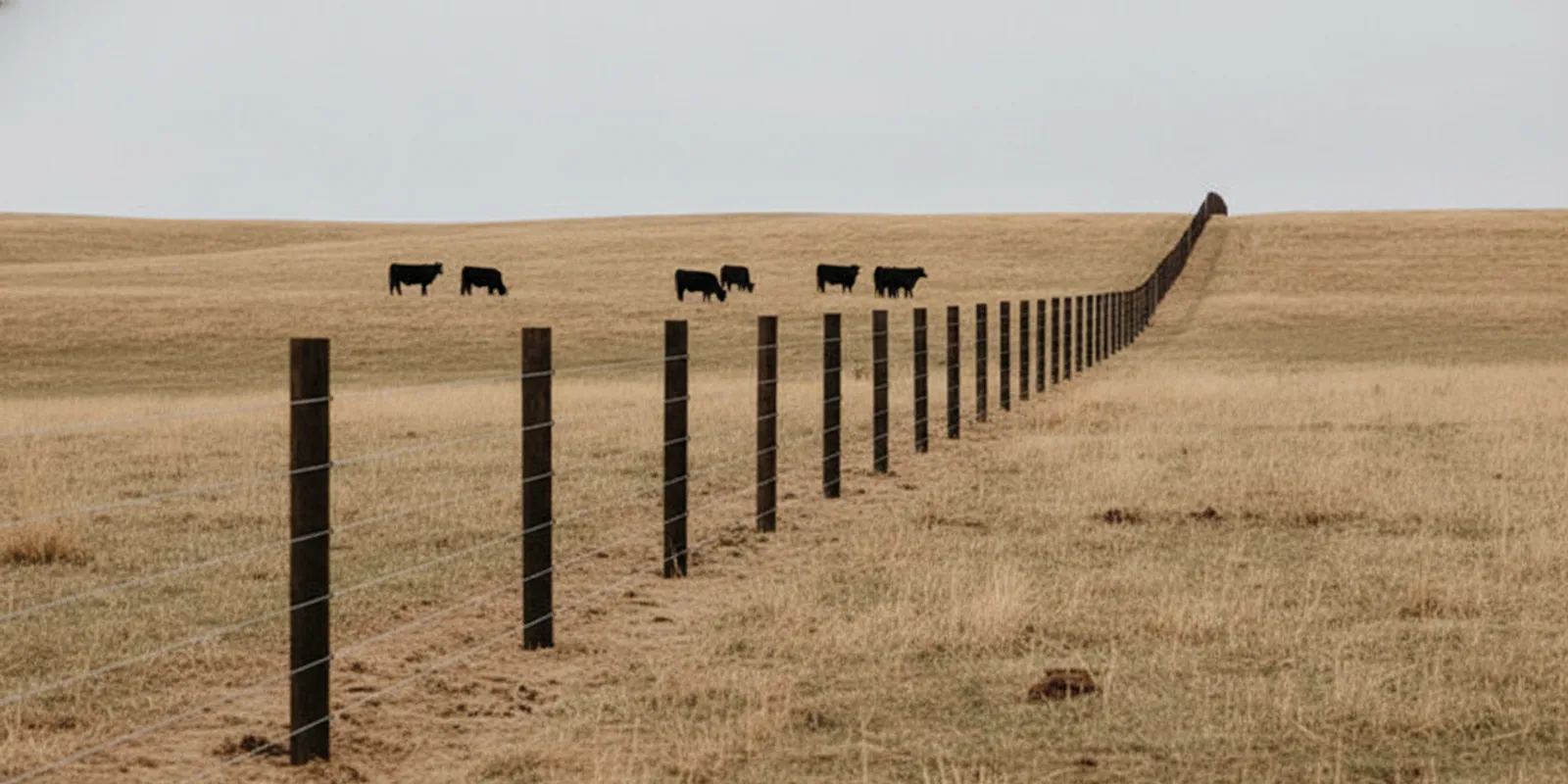
Hi-tensile fence uses smooth, high-strength wire stretched under controlled tension between properly braced posts. Woven wire fence uses horizontal line wires held together by vertical stays, creating a physical mesh barrier. Hi-tensile can be efficient on long runs, while woven wire offers tighter physical containment for animals that may pass between smooth strands.
The comparison needs one important clarification: woven wire can also be manufactured from hi-tensile wire. In this article, "hi-tensile fence" means a smooth, tensioned wire system, while "woven wire" means a mesh or field-fence system. That distinction makes the pasture decision easier to understand.
How smooth hi-tensile fence works
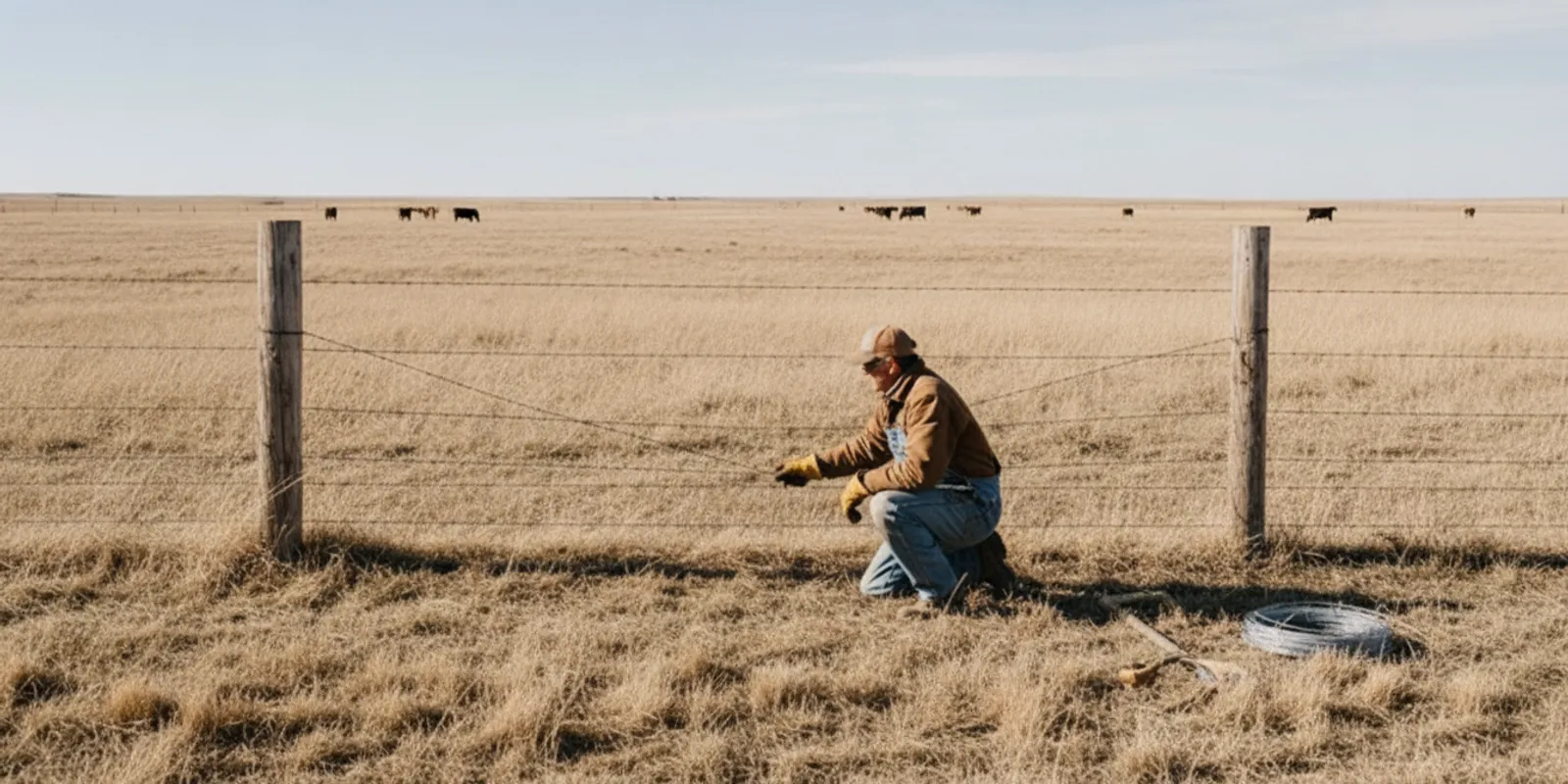
A smooth hi-tensile system depends on the entire assembly working together. The wire, end posts, corners, braces, insulators when electrified, strainers, and line posts all affect performance. When installed correctly, high-strength wire can hold a tight line over long distances and recover from some contact without staying permanently sagged.
Virginia Tech Extension describes high-tensile fencing as a lower-maintenance option that resists stretch and sag when correctly tensioned. Its livestock fencing publication also emphasizes that wire tension, post spacing, and fence design must match the animal and production system. Review the Virginia Tech fencing materials guide for the technical comparison of livestock fence types.
Some hi-tensile systems are electrified, adding a psychological barrier that teaches livestock to respect the fence. Others use smooth wire as a physical boundary or as part of a combined system. Electric components require a suitable energizer, grounding, insulation, and vegetation control, so an electrified design is not maintenance-free.
How woven wire fence works
Woven wire creates a continuous physical barrier. Horizontal wires carry the length of the fence while vertical stay wires hold the openings in place. The size of those openings, the height of the roll, the wire gauge, and the knot or joint style determine whether the fence is suited to cattle, calves, sheep, goats, or mixed livestock.
That mesh is useful where animals could duck under, squeeze through, or push between widely spaced smooth wires. It can also be paired with a top strand, bottom strand, or other designed components when a pasture needs a different balance of visibility, height, and containment. Woven wire still needs strong corners, correct attachment, and appropriate tension. Mesh does not compensate for a weak brace or a poorly prepared fence line.
For broader project planning, see Rapid Fence's guide to agricultural fence installation in Nebraska. That pillar article covers how livestock, terrain, gates, bracing, and site preparation shape the complete system.
Which Fence Handles Livestock Pressure Better?
Woven wire usually provides the more complete physical barrier, while smooth hi-tensile fence can deliver efficient perimeter containment when the animals are appropriate and the system is properly designed. Neither fence wins every pasture application. The better choice is the one that matches animal behavior and puts the strongest construction at the points where livestock, equipment, weather, and daily traffic create pressure.
Pasture need | Smooth hi-tensile | Woven wire |
Long perimeter runs | Often efficient when terrain, post spacing, and bracing are planned correctly. | Can work well, but material, stays, and closer support may increase the installation scope. |
Cattle containment | Well suited to a properly braced system, including an electrified design where appropriate. | Provides a visible physical barrier that can help at high-contact sections. |
Calves, sheep, or goats | Needs careful strand spacing and animal-specific design. | Often offers tighter openings for animals that may pass through smooth strands. |
Fence-line visibility | May need visibility measures or an added strand, especially in high-traffic areas. | Mesh presents a continuous visual and physical boundary. |
Pressure at corners and gates | Requires robust end assemblies and braces to hold wire tension. | Requires strong terminal construction so the mesh does not loosen or pull out of shape. |
For cattle, the central question is how the herd interacts with the fence. Calm cattle on a well-managed perimeter may be well served by a properly built smooth hi-tensile system. Younger animals, mixed livestock, or areas where animals regularly crowd a line may benefit from the physical presence of woven wire. High-use corners, water access, shade, and gate approaches may deserve a different treatment from the open middle of a pasture.
Cost, Lifespan, and Maintenance Compared
The lowest material price is not the same as the lowest installed or long-term cost. A fence quote must account for the fence length, number of corners and gates, terrain, fence-line cleaning, tear-out work, dirt work, post conditions, materials, labor, and the level of livestock pressure. A system that saves on one component can require more bracing, specialized tensioning, or future repair work.
Consideration | Smooth hi-tensile | Woven wire |
Upfront project cost | Can be efficient on long, open runs, but quality braces, tensioning hardware, and installation matter. | Can require more mesh material and support, with the value coming from physical containment and the selected design. |
Expected service life | Depends on wire quality, galvanizing, tension, brace strength, corrosion exposure, and inspection. | Depends on wire quality, galvanizing, attachment, ground contact, animal pressure, and repairs to damaged sections. |
Routine maintenance | Inspect tension, strainers, braces, vegetation, and electrified components where used. | Inspect for broken wires, pulled stays, loose attachments, leaning posts, and openings created by impact. |
Repair approach | Repair may focus on splices, strainers, tension, and brace or post movement. | Repair may require restoring mesh shape, replacing damaged sections, and re-tensioning the line. |
A University of Kentucky agricultural engineering abstract describes high-tensile fencing as offering longer life and lower cost than conventional woven wire in general applications. That finding is useful background, but it is not a promise of a particular price or lifespan for a Nebraska pasture. The installed result still depends on the site and the quality of construction.
Rapid Fence does not publish a one-size-fits-all fence price because every project has different quantities, access, soil, gates, corners, and preparation needs. A site-specific quote is more useful than a generic per-foot number, especially when a project includes a fence tear-out, fence line cleaning, dirt work, or structural repair.
Which System Works Better on Nebraska Terrain?
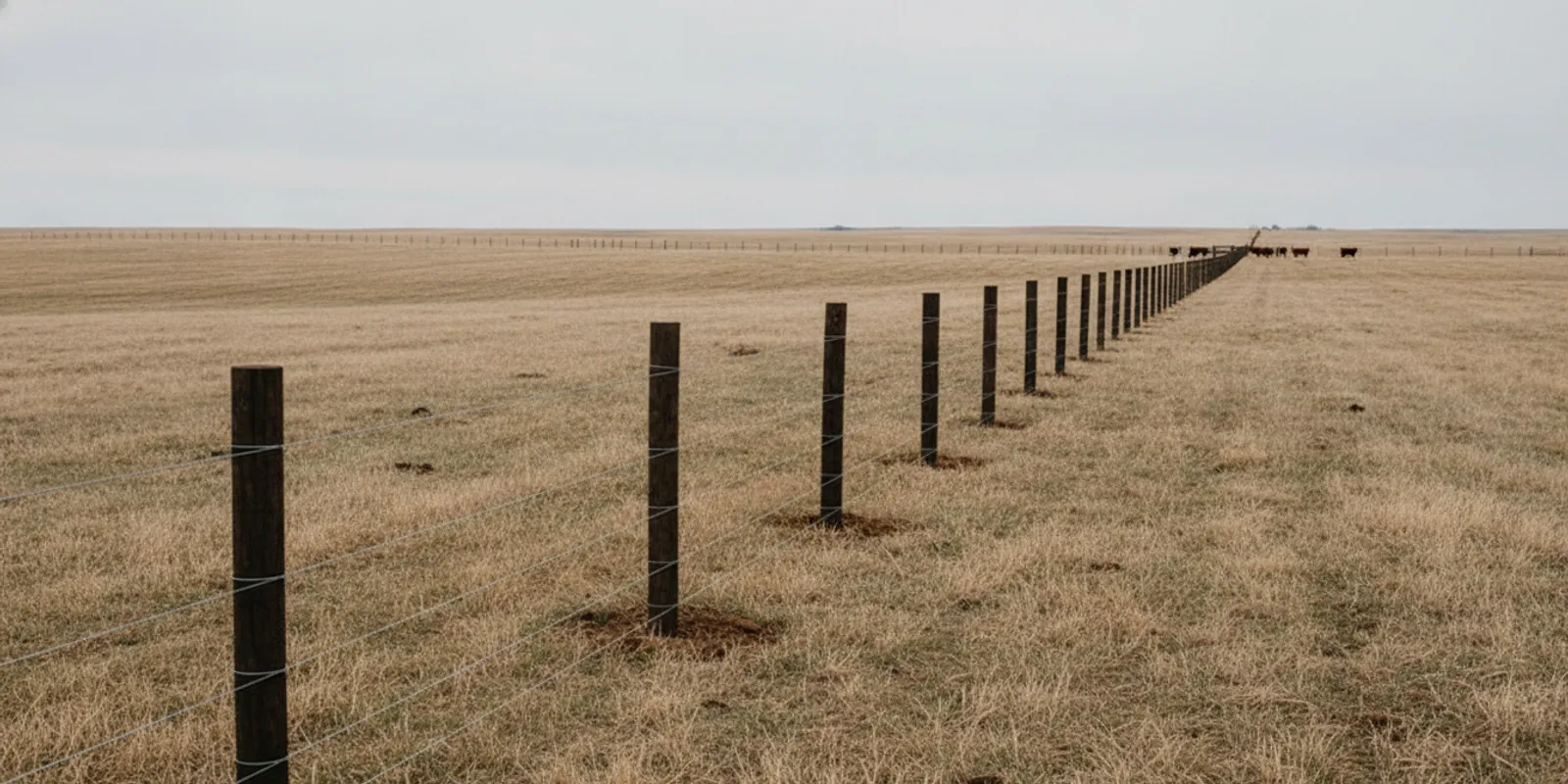
On flat, open ground with long uninterrupted runs, a smooth hi-tensile layout may be efficient when its corners, ends, and intermediate supports are engineered for the site. On rolling ground, uneven grades, crossings, or areas with changing soil conditions, the installer may need closer support, additional bracing, transitions, or a mixed design. Woven wire may solve a containment need in one section, while smooth hi-tensile or another approved fence type fits the next.
Nebraska weather makes construction quality more important than the label on the roll. Freeze-thaw movement, wind, snow, wet ground, vegetation, and livestock traffic can all change how a fence performs. Nebraska Extension's Fence and Water Development for Effective Grazing explains that pasture infrastructure should be planned with fencing, water, livestock movement, and grazing control in mind. Its discussion of permanent electric hi-tensile systems also notes that rougher topography can require closer post spacing.
Before selecting a system, walk the proposed fence line and identify low spots, sharp grade changes, waterways, trees, equipment crossings, gates, and places where cattle gather. These details often determine whether a single fence type makes sense or whether the best answer is a purpose-built combination.
How Should You Choose Between Hi-Tensile and Woven Wire?
Use the following checklist to turn a general fence comparison into a practical pasture decision:
- Start with the animals.
List every species, age group, breed, and seasonal use. Calves, sheep, goats, horses, and mature cattle do not place the same demands on a fence.
- Define the containment job.
Decide whether the fence is a permanent perimeter, a cross fence, a boundary, a livestock holding area, or a line beside a road or neighboring property.
- Map the pressure points.
Mark gates, water, mineral sites, shade, corners, loading areas, and places where livestock tend to crowd the line.
- Inspect the terrain and soil.
Measure grade changes and note wet ground, erosion, rocky areas, and sections that may need fence-line cleaning or dirt work.
- Plan the construction details.
Select posts, braces, wire, mesh openings, tensioning hardware, gates, and transitions as one system. Do not choose the wire first and solve the structure later.
- Match the system to your maintenance capacity.
Decide who will inspect tension, vegetation, electrified components, damaged mesh, and storm or livestock impacts.
Rapid Fence can evaluate the full scope, including installation, structural repair, custom-built corrals, tear-outs, fence line cleaning, and dirt work. The Rapid Fence agricultural fencing services page outlines the company's installation and repair capabilities across Central Nebraska.
The Verdict for Most Central Nebraska Pastures
Choose smooth hi-tensile fence when a properly tensioned system fits the livestock, pasture layout, and maintenance plan, especially across long runs where efficient spacing and strong bracing can provide dependable containment. Choose woven wire when a continuous physical barrier and tighter openings are more important, such as sections used by smaller livestock, mixed animals, or high-contact pasture areas. Many properties benefit from designing each section around its job rather than forcing one material across the entire farm.
The best fence is not simply the strongest wire. It is a complete system with sound corners, proper bracing, suitable posts, workable gates, correct tension, and a layout that fits Nebraska ground and livestock movement.
Frequently Asked Questions
Is woven wire stronger than hi-tensile fence?
Woven wire and smooth hi-tensile fence are strong in different ways. Woven wire creates a continuous physical barrier, while smooth hi-tensile wire uses high-strength strands under tension. The better choice depends on livestock, spacing, bracing, terrain, and how the animals challenge the fence.
Is hi-tensile fence good for cattle pastures?
Hi-tensile fence can work well for cattle pastures when the wire, corners, braces, posts, gates, and tension are designed as one system. An electrified version also requires proper energizing, grounding, insulation, and vegetation control. A site assessment should determine the right layout.
Is woven wire a good choice for a pasture?
Woven wire can be a good pasture choice when the operation needs a visible physical barrier or tighter openings for calves, sheep, goats, or mixed livestock. The mesh still needs well-built corners, secure attachments, suitable posts, and inspections after livestock contact and severe weather.
Which fence costs less, hi-tensile or woven wire?
There is no reliable answer without the project details. Hi-tensile may be efficient on long runs, while woven wire may provide containment that avoids later modifications in some applications. Length, terrain, gates, bracing, materials, access, tear-out, and labor all affect the installed quote.
Can hi-tensile and woven wire be used together?
Yes. A planned fence system can use different materials in different sections when the transition, bracing, gates, and livestock needs are accounted for. For example, a pasture perimeter may use one design while a smaller-animal section or high-pressure area uses a tighter physical barrier.
Plan the Fence Around the Operation
Rapid Fence LLC serves agricultural property owners and livestock operations from Scotia across Central Nebraska. If you are comparing hi-tensile vs. woven wire fence for pasture, bring the pasture layout, livestock plan, gates, and problem areas into the conversation. A practical fence decision starts with the ground and the animals, then selects the materials that can do the job.
Rapid Fence is led by Cody Koehn and focuses on durable agricultural fencing built with proper bracing, tension, and local knowledge. See the Rapid Fence contact page to get started.
Comments