
How Long Does Hi-Tensile Fence Last?

A hi-tensile fence can be a long-term containment system. Its service life starts with details that are easy to overlook: sound posts. Dependable H-bracing, correct tension, suitable coatings, and a fence line that fits Nebraska soil and weather.
So, how long does hi-tensile fence last? A properly engineered and installed system can provide decades of service. USDA NRCS Fence Conservation Practice Standard 382 identifies a minimum 20-year functional design life for a properly built fence with new materials. That is a design reference, not an absolute warranty. Maintenance, livestock pressure, moisture, frost movement, and soil chemistry all affect the result.
For a Nebraska farm, the practical answer is less about a calendar age. It is about whether the fence keeps its tension, containment strength, and post stability year after year. The installation choices that establish that foundation are worth examining first.
How Long Does Hi-Tensile Fence Last on a Nebraska Farm?
A properly engineered and installed hi-tensile fence can provide decades of service on a Nebraska farm. USDA NRCS Conservation Practice Standard 382 documents a minimum 20-year functional design life for a fence built with new materials and proper engineering. That figure is a planning benchmark, not an absolute warranty.
Actual service life depends on wire and coatings, post stability, corner and end bracing, installation quality, livestock pressure, soil conditions, and maintenance over time.
Hi-tensile wire is valued for its strength and ability to maintain tension. That makes it an effective barrier for controlling and protecting livestock. Virginia Tech notes that high-tensile wire can outlast many other fence types. The same guidance makes an important point: years of service require proper construction techniques.
The wire itself is only one part of the system. A strong strand cannot compensate for a leaning post, weak H-brace, poor connections, or a fence line where vegetation and debris create repeated pressure.
Design life is guidance, not a guarantee
NRCS standards help establish a sound design framework. NRCS also cautions that national conservation standards should not be used alone to plan, design, or install a conservation practice. A Nebraska fence still needs to be designed for the property, soil, terrain, livestock, gates, and expected loads.
A well-drained location, suitable materials, stable posts, and properly engineered corners can support a long service life. Wet areas, frost movement, corrosive soil chemistry, heavy animal contact, and neglected repairs can shorten it.
That is why the better question is not whether every hi-tensile fence will last a fixed number of years. Ask whether the system was built to retain tension, handle local conditions, and remain serviceable through routine inspections and timely repairs. Watch for recurring sag, loose connections, failing posts, or compromised braces. Those conditions may call for targeted structural repair before a larger section is affected.
For a closer look at the planning and construction factors involved, review our Nebraska agricultural fence installation guide. Rapid Fence builds agricultural and livestock fencing in Scotia and across Central Nebraska with the goal of delivering durable work without shortcuts.
Why Installation Quality Determines Fence Life
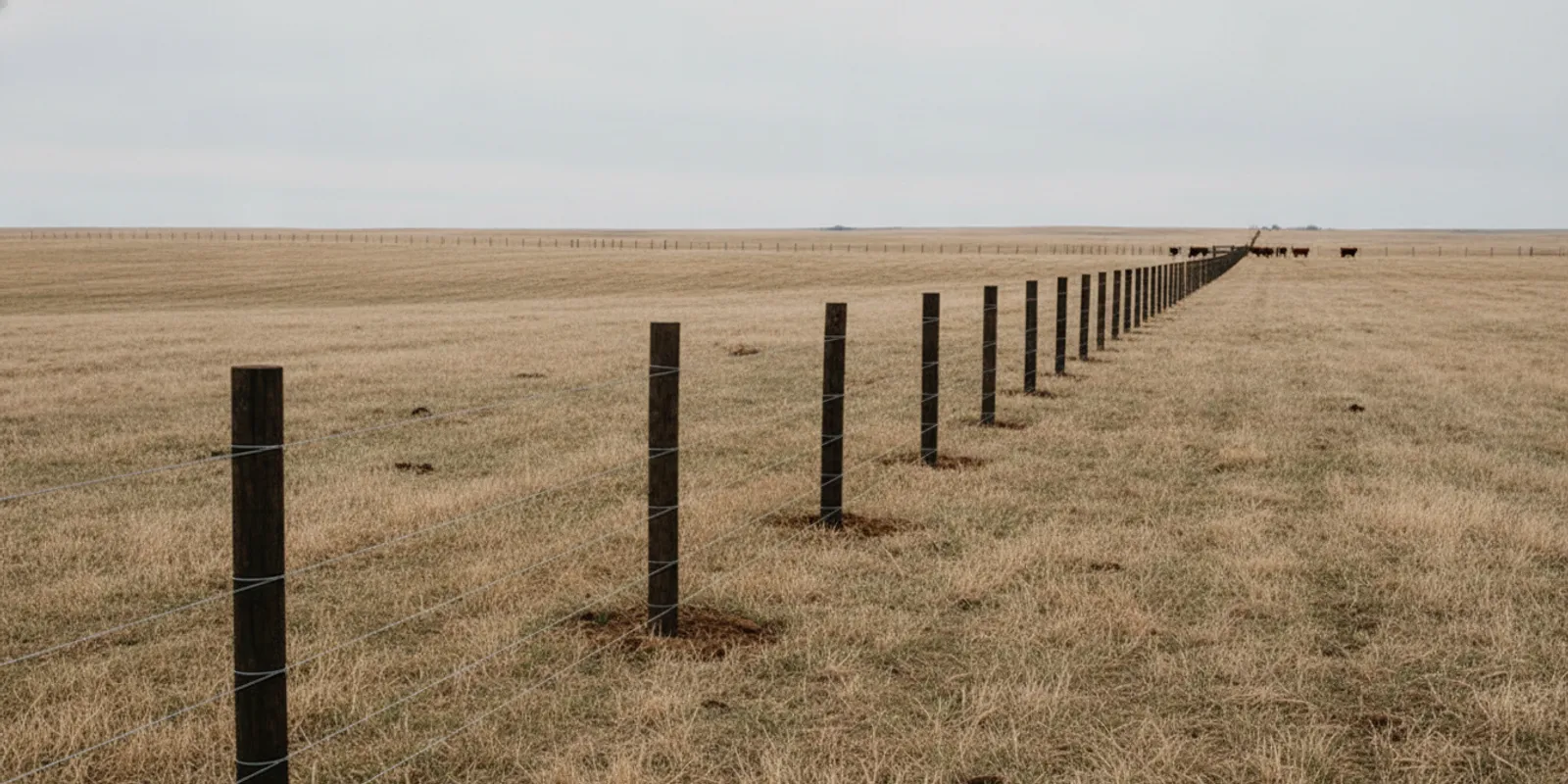
Hi-tensile wire brings strength to a livestock fence, but the wire is only one part of the system. Corner and end assemblies carry the pull from every strand. If those posts lean, settle, or lack a properly built H-brace, the fence can lose tension even when the wire itself remains sound. That leads to sagging, overstressed connections, and more opportunities for livestock to test the boundary.
Start with stable posts and properly built braces
End, corner, and angle posts need enough depth and suitable setting methods for the soil and expected load. Braces should transfer wire force through a solid assembly rather than relying on one post to resist the entire pull. This matters especially at turns, gates, grade changes, and other points where the fence changes direction. Proper construction techniques are a basic requirement for years of service, not an optional finishing detail, as Virginia Tech explains in its guidance on high-tensile wire fencing: proper construction techniques support years of service.
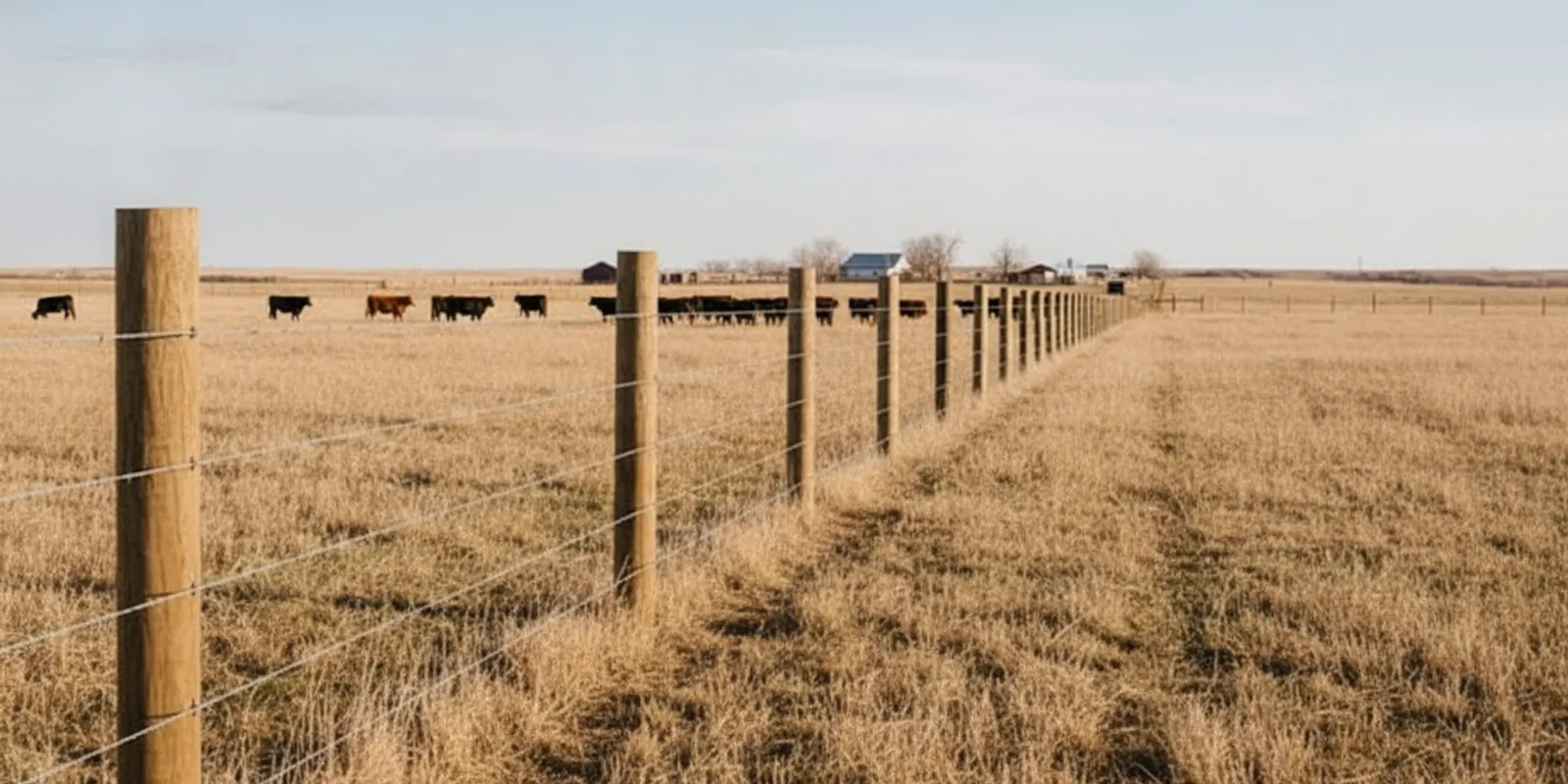
Line posts have a different job. Their spacing and type should match the wire configuration, terrain, livestock pressure, and local soil. Closer or more substantial line-post support may be appropriate where the fence crosses uneven ground, receives repeated animal contact, or needs greater rigidity. A wider spacing plan can work in the right system, but it should never be selected by habit alone.
Handle and tension the wire without creating weak points
High-tensile wire stores significant energy. It should be unrolled smoothly, without kinks or tangles, using equipment such as a spinning jenny. The University of Maine Extension specifically identifies a spinning jenny as a way to dispense the wire smoothly. And cautions against trying to work with high-tensile wire without one. Clean handling protects the wire from avoidable damage before the fence ever carries a load.
Connections deserve the same care. A correctly made knot, sleeve, or wire vise keeps the load moving through the system. The University of Maine Extension reports that a half-hitch connection can retain more than 60 percent of the wire's break strength, depending on the wire and connection. Staples or clips at line posts should secure the strand while allowing the slight movement needed for the wire to flex.
Finally, tension should be measured rather than judged by appearance. A documented professional reference places hi-tensile tension around 200 to 250 pounds per strand, while other systems use different specifications. Treat that range as a reference, not a universal instruction. The wire manufacturer, fence design, and local conditions govern the final setting. A tension meter and a first-season follow-up can reveal settling or contraction before a small issue becomes a containment failure.
For more practical site preparation and construction considerations, see our Nebraska agricultural fence installation guide.
Nebraska Weather, Soil, and Livestock Pressure
A hi-tensile fence does not age in a laboratory. It works through freeze-thaw cycles, changing soil moisture, wind, snow, growing vegetation, and daily contact with livestock. Those conditions can affect the posts, braces, fasteners, wire tension, and gates at different rates. The result is why a useful answer to how long does hi-tensile fence last must account for the site, not just the wire specification.
Frost movement can loosen or lift posts when the soil freezes and thaws. Wet ground can reduce post stability, especially where drainage is poor or equipment repeatedly travels along the fence line. Soil chemistry and persistent moisture also influence how quickly metal components and post materials deteriorate. A site assessment should identify low areas, drainage paths, soft ground, and places where the fence line may need dirt work before installation.
Vegetation is another lifespan variable. Tall grass, brush, and volunteer trees can press against the fence, hide damage, and make inspection difficult. Wet vegetation is especially important when the fence includes an electric component, because contact can reduce system performance. Keep the line visible and accessible so a small issue does not become a containment failure.
Livestock pressure is rarely uniform. Cattle may lean on a familiar stretch, rub against posts, or test a corner when feed, water, or neighboring animals create pressure. Plan extra attention around high-pressure corners, loading areas, handling lanes, and gates. Gates receive repeated impact and movement, so hinges, latches, gateposts, and nearby braces deserve the same structural attention as the wire itself. For planning around working livestock areas, review this livestock corral design guide.
Hi-tensile wire can tolerate substantial working pressure, but its performance still depends on the entire system. Bekaert reports that some high-tensile barbed wire withstands 25 to 35 percent more pressure before breaking than conventional low-carbon barbed wire.
Powerflex explains that 12.5-gauge hi-tensile wire can stretch and return to its initial tension when properly handled. These are material characteristics, not a promise that every fence will perform the same way in every Nebraska field. Correct bracing, flexible line attachments, stable posts, and regular inspection remain essential.
Protective coatings are also part of the durability equation. Coated wire can resist moisture longer, but a coating does not correct poor drainage, damaged wire, or neglected gates. One industry source describes a potential 20-to-50-year service range for high-tensile wire with minimal upkeep. Treat that range as a reference rather than a guarantee.
Local soil, weather exposure, livestock pressure, and maintenance determine the actual result. After installation, use a wire tension meter to verify the system. Recheck it when seasonal movement or repairs change the load.
What Maintenance Helps Hi-Tensile Fence Last Longer?
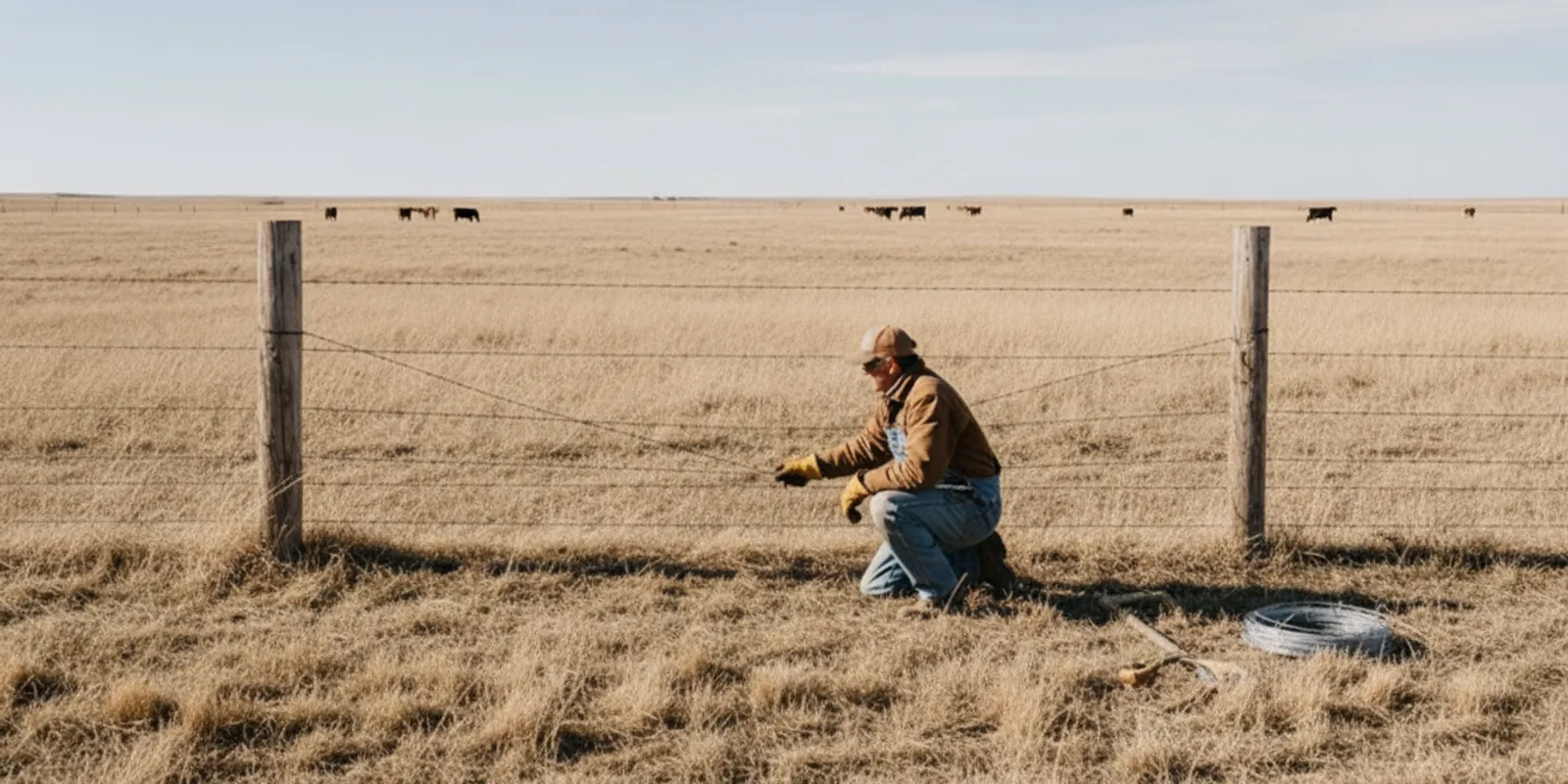
A well-built hi-tensile fence still needs routine attention. Maintenance is less about replacing wire on a schedule and more about catching small changes before they become a containment problem. Use this checklist across the first seasons, after severe weather, and during your regular livestock checks.
- Check tension after the first winter and early freeze-thaw seasons.
Seasonal movement can change how the system behaves. Inspect each strand with the appropriate tensioning method and compare readings with the installation specifications. Do not guess at tension by appearance alone. One regional maintenance guide recommends checking after the first two or three freeze-thaw seasons, while the correct target depends on the fence system and its components.
- Walk the entire fence line at least once a year.
Walk slowly enough to find loose staples or clips, broken wire, leaning line posts, and areas where livestock have pushed against the fence. Hi-tensile wire is designed to stretch and return toward its initial tension, but damaged connections and unstable supports can still leave a weak section. Check more often around high-pressure corners, feed areas, crossings, and gates.
- Keep vegetation from interfering with the fence.
Cut back brush, trees, and tall grass before they load the wire, hide damage, or make access difficult. Fence-line cleaning also gives you a clear view of posts and braces. If the fence is electrified, control vegetation beneath and beside the wires so wet growth does not create unwanted current loss.
- Inspect insulators and grounding only on electrified systems.
Look for cracked, displaced, or weathered insulators, then confirm that the wire is not contacting posts or other conductive objects where it should not. Check the grounding system according to the energizer and fence design. A non-electric fence does not need electric-fence hardware, so keep this inspection specific to electrified sections.
- Examine posts, corners, and braces for movement.
Look for frost heave, rot, loosened connections, or a brace assembly that is no longer holding tension. A post that leans under ordinary wire load may become a larger failure after livestock pressure or severe weather. Stabilize or replace compromised supports promptly rather than continuing to tighten the wire against them.
Service gates and repair damage promptly.
Check hinges, latches, gate posts, and the wire transitions at every entrance. A sagging or misaligned gate can put repeated stress on the adjoining fence. For practical gate considerations, review this
. Replace broken strands with proper connectors and have structural damage evaluated before livestock find the opening.
Regular inspections preserve the advantages of hi-tensile wire, including strength and relatively low upkeep. They also help separate a simple repair from a larger design or support problem, protecting the fence's useful service life without relying on an arbitrary replacement age.
When Should You Repair or Replace a Hi-Tensile Fence?
A hi-tensile fence does not need replacement simply because it has reached a certain age. The better question is whether the system can still hold proper tension, keep posts and braces stable, and safely contain the animals it was built to manage. High-tensile wire is valued for strength, flexibility, and relatively low maintenance, but those benefits depend on the condition of the entire fence, not the wire alone.
Repair when the problem is isolated and the structure is sound
Repair is usually the sensible first step when the damage is limited to one area and the surrounding fence remains stable. A broken strand, a damaged insulator on an electric system, a loose staple or clip. Or a gate that no longer hangs square can often be corrected without disturbing the rest of the line. A localized section of sagging wire may also be repairable when the posts are firm and the brace assembly is still carrying tension.
Start by tracing the problem in both directions. Check whether the wire is merely loose or has been kinked, cut, or weakened. High-tensile wire is designed to flex and return toward its initial tension, but damaged wire should not be treated as harmless slack. Use the appropriate connector and tensioning method, then inspect nearby posts, clips, and gates. If the fence is electric, confirm that the repaired section is insulated and functioning before livestock return.
Replace sections when the failures keep returning
Recurring sag is a warning that the underlying problem may be larger than a single adjustment. Repeatedly loose wire can point to unstable line posts, inadequate end or corner bracing. Poor connections, or a layout that is carrying more livestock pressure than it can handle. Likewise, posts that lean, pull out, rot, or move when loaded can undermine otherwise serviceable wire. A compromised H-brace or end assembly is a structural concern, not a cosmetic defect.
Corrosion, multiple broken strands, and gates that repeatedly fail to close are additional signs that a section may deserve replacement. Do not overlook containment risk. If animals can push through, get caught, reach a roadway, or enter a high-pressure area, make the section safe before treating it as a routine maintenance item. Virginia Tech identifies high-tensile fencing as an effective livestock barrier, but proper construction is necessary for years of service. Agricultural fencing services can help evaluate whether the repair should address wire only or include posts, braces, gates, and the fence line itself.
Use the condition of the whole system to make the call
A repair makes sense when the foundation is stable and the defect is contained. Replacement becomes more practical when failures are widespread, the brace points no longer hold tension. Corrosion has advanced through several strands, or repairs would leave an unsafe patchwork of old and new components. Inspect the fence under normal livestock pressure, consider local soil and weather effects, and make the decision from observed performance rather than a calendar date.
Is Hi-Tensile Fence the Longest-Lasting Choice for Livestock?
No single fence is the longest-lasting choice in every livestock application. Service life depends on animal behavior, line layout, brace strength, wire or rail materials, soil, weather, and how consistently the system is maintained. Hi-tensile is often a strong long-term option, but the best fence is the one engineered for the pressure it will actually face.
Why hi-tensile can be a durable choice
Hi-tensile wire can flex under animal contact and return toward its working tension instead of permanently sagging after every load. That performance depends on correct construction, not just the wire itself. The University of Maine Extension describes high-tensile fencing as stronger than traditional barbed and woven wire. While Virginia Tech identifies high-tensile fencing as an effective livestock barrier that can provide years of service when built correctly.
Coating also matters. Common high-tensile options include Class 1, Class 3, and heavily galvanized grades. A thicker zinc coating can provide added protection against moisture, ice, and seasonal temperature extremes. Product selection should match local soil chemistry and exposure, rather than defaulting to the cheapest or most familiar material.
Match the fence to the pressure
Long pasture boundaries may benefit from hi-tensile or barbwire, while a loading area or livestock corral often needs continuous fence because animals concentrate force in a small space. Hi-tensile systems also need early attention: check tension after the first full winter and again through the first two or three freeze-thaw seasons. Later, annual line walks and prompt post repairs help preserve containment. USDA NRCS cautions that national fence standards should not be used alone to design or install a project. So site conditions and livestock use should guide the final system choice.
Frequently Asked Questions
How long does a hi-tensile fence last?
A properly designed and installed hi-tensile fence can provide decades of service, but no single lifespan applies to every Nebraska property. Wire coating, post stability, bracing, livestock pressure, soil and moisture conditions, and maintenance all matter. Virginia Tech notes that high-tensile fencing can outlast many other fence types when it is built with proper construction techniques. Virginia Tech fencing guidance
What are the pros and cons of high-tensile fences?
The advantages include high strength, limited stretch, efficient material use, and relatively low routine maintenance. The tradeoff is that installation must be precise. Poor bracing, incorrect tension, damaged wire, or weak posts can shorten the system's useful life and compromise livestock containment. Electrification can also be added when the design and livestock application call for it.
How far apart should I put high-tensile fence posts?
There is no universal spacing chart for every site. As a professional reference, one installation guide lists 8 to 12 feet for standard cattle applications, while other systems may permit wider spacing. Soil, terrain, wire type, snow exposure, animal pressure, and the strength of the brace assemblies should determine the final layout. Follow the selected system's specifications rather than copying a generic number.
What type of fence lasts the longest?
The longest-lasting choice depends on the job, not just the material. A well-engineered hi-tensile fence is a strong option for many livestock perimeters because it combines strength with spring-back performance. Continuous fence may be a better fit for high-pressure areas or livestock handling facilities, while barbwire can suit other agricultural boundaries. Proper design, installation, and upkeep usually matter more than choosing one material by reputation alone.
Get Started With a Hi-Tensile Fence Plan
Fence life depends on the design, materials, installation, and conditions at your property. A project-specific review can help you choose practical bracing, tensioning, and maintenance priorities for reliable livestock containment.
Rapid Fence provides professional agricultural fencing service from Scotia across Central Nebraska. Reach out to discuss your fence line, livestock needs, and the right next step for your property.
Comments