
Rapid Fence vs. Other Agricultural Fence Contractors in Central Nebraska

Choosing among agricultural fence contractors in Central Nebraska is not just a matter of comparing a few estimates. The right fit depends on what the fence must do, how the property is used, and whether the contractor understands livestock work, long fence lines, and local site conditions. Use the same practical questions with every contractor so you can compare the plan, scope, and communication clearly.
What should you compare when choosing an agricultural fence contractor?
Start with project fit, not a broad claim that one contractor is best. A crew that regularly works on livestock containment may be a better match for a long pasture boundary than one whose work is mainly residential. A project centered on gates, corrals, or a short property boundary may call for a different discussion. Describe your actual use, then ask each contractor to explain how the proposed fence supports it.
Compare these points side by side:
- Relevant work:
Ask about experience with the fence type and scale you need, such as barbwire, hi-tensile, continuous fence, or custom-built corrals.
- Design reasoning:
Can the contractor explain the line, corners, braces, gates, and intended fence function in plain language?
- Scope clarity:
Does the estimate state what is included, what is excluded, and what could change the work?
- Timing and access:
Are the expected start window, site access needs, and coordination responsibilities clear?
- Communication:
Do you know who to contact with a question and how changes will be handled?
- Local familiarity:
Can the contractor discuss the conditions on your property rather than relying on a one-size-fits-all plan?
Rapid Fence is based in Scotia, Nebraska, and serves agricultural and livestock owners in Central Nebraska. For a starting point on services, review the fencing services available through Rapid Fence. Then use the same criteria to assess any contractor you are considering.
Does the contractor understand the fence's job?
Before asking for a quote, write down what the fence needs to accomplish. Is it meant to contain cattle along a pasture boundary, divide grazing areas, define a property line, control access at a lane, or form part of a working corral? A clear purpose gives the contractor something concrete to design around.
Also explain how the fence will be used day to day. Note the livestock involved, where animals move, which gates need regular use, and whether equipment must pass through. A fence can look complete but still create a bottleneck if a gate is placed poorly or the line conflicts with normal field operations.
Ask the contractor to talk through the proposal rather than only naming a material. A useful answer connects the material and layout to the job. If a recommendation is unclear, ask what problem it is meant to solve and what trade-offs it creates. This helps distinguish a considered plan from a generic description.
For example, compare "we will put in a fence" with an estimate that describes the fence type, approximate line, corner and end assemblies, gates, removal or site preparation, and any assumptions about access. The second description gives you more to verify, even before you compare totals.
How should you compare fence materials and construction details?
Different fence types serve different purposes. The contractor should explain why a proposed material suits your livestock, layout, and intended use. Do not assume that more wire or a tighter line automatically means a better fence. Proper bracing and tension depend on the design and application; ask the contractor to explain the approach without reducing it to "as tight as possible.
- Barbwire:
Ask about the proposed number and arrangement of strands, line and corner support, and how the plan fits the animals and boundary.
- Hi-tensile:
Discuss the intended use, layout, bracing, and the right tension for that application. Ask how changes in terrain or line length affect the design.
- Continuous fence:
Review where it will be used, how sections connect, and how gates fit into animal movement and equipment access.
- Chain link or privacy fence:
If the project includes a non-agricultural area, confirm the specific area, purpose, and material scope separately from livestock fencing.
- Corrals:
Discuss livestock flow, gate placement, handling tasks, and how the corral connects to adjoining fence lines.
Ask to see how the proposal treats corners, ends, changes in direction, gates, and transitions between fence types. These are not minor details. They affect how the fence holds its shape and how well it works as part of the whole property layout. Rapid Fence describes its approach around durable construction, proper bracing and tension, efficient work, and local knowledge; the contractor should be able to explain the details relevant to your own site.
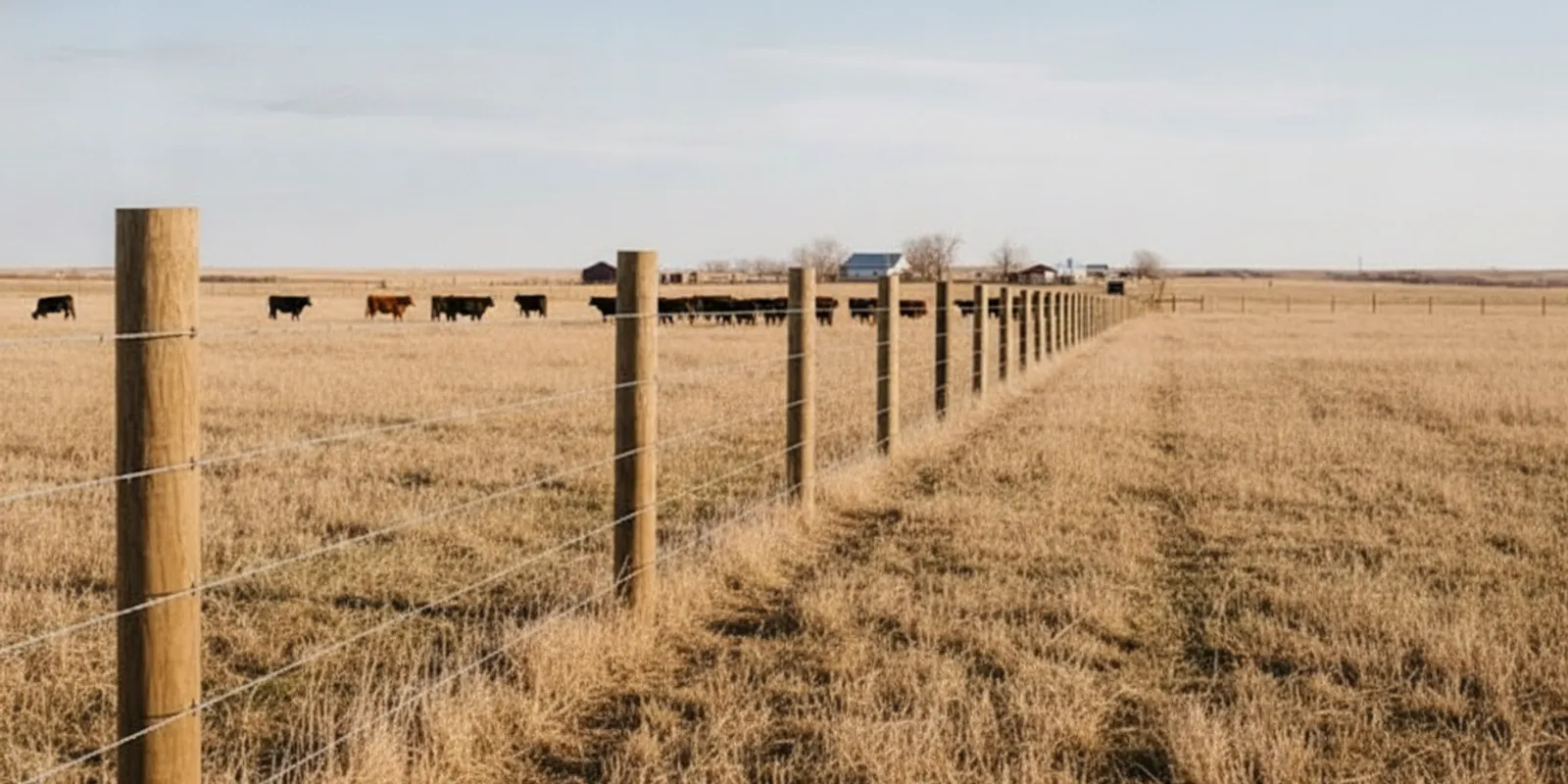
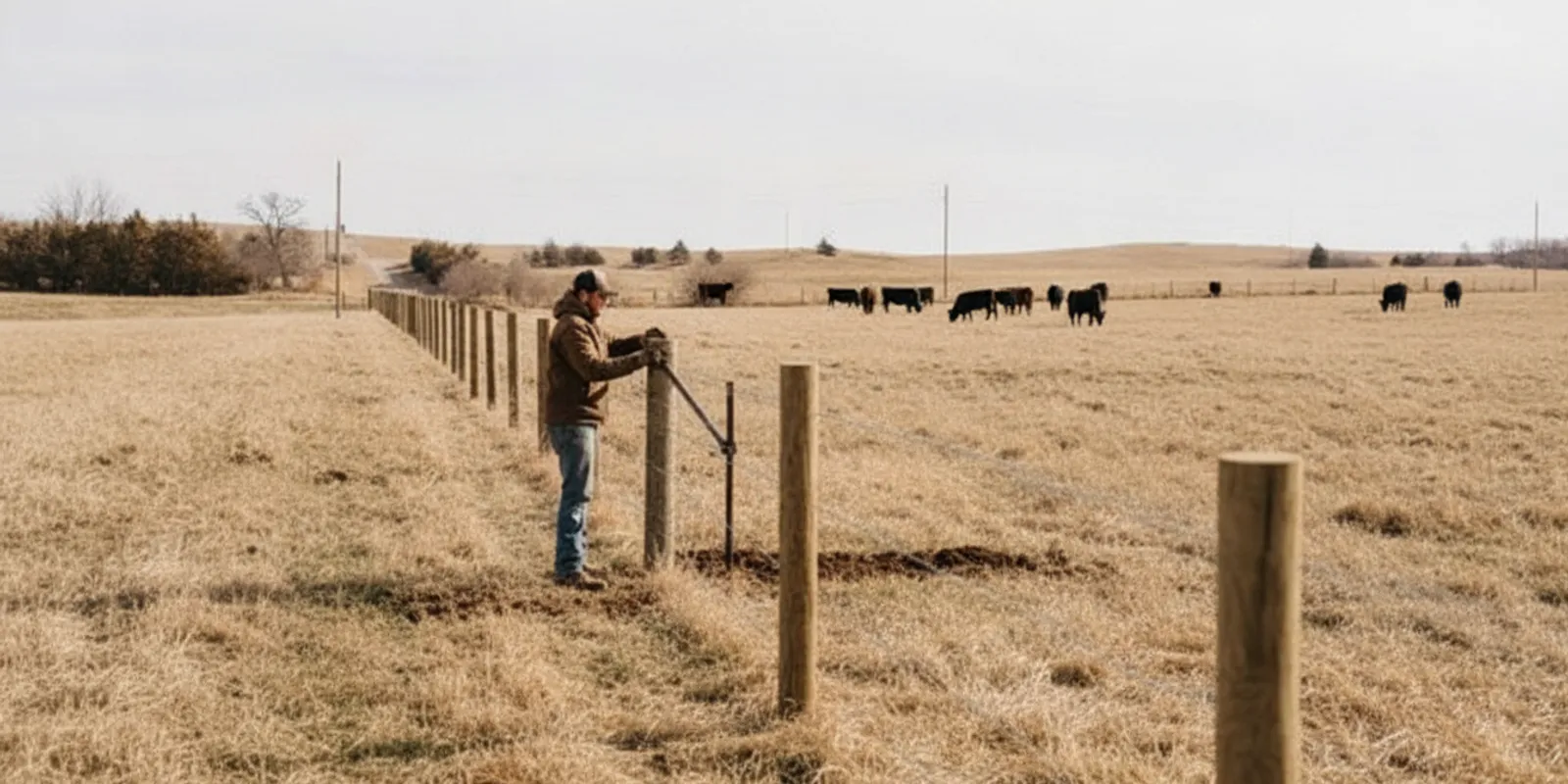
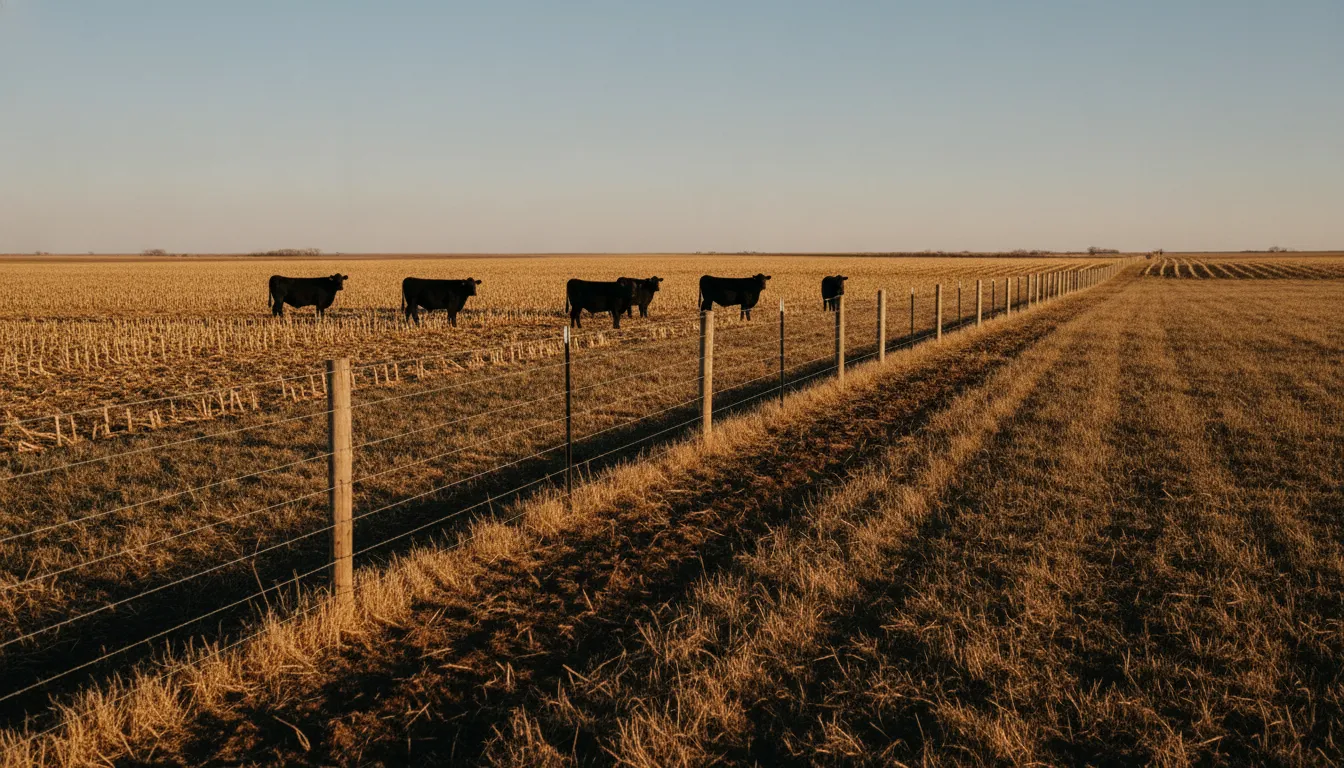
Past work can make the conversation more concrete. Look for examples with a similar purpose and material, not just attractive photos. Rapid Fence shares completed fencing projects that can help you discuss the kind of work you have in mind. A photo is a conversation aid, not a substitute for confirming the proposed scope in writing.
What should a clear agricultural fencing estimate include?
Estimates are easier to compare when they describe the same job. If one contractor has included fence tear-outs and another has not, the totals do not represent the same scope. Ask each bidder to identify the work and assumptions behind the number.
Estimate detail | What to confirm | Why it matters |
Fence type and layout | Material, intended function, approximate line, and transitions | Shows whether the proposals solve the same problem |
Bracing and gates | Corner and end support, gate locations, and connections | Clarifies key structural and day-to-day use details |
Site preparation | Fence tear-outs, fence line cleaning, dirt work, and disposal, if needed | Prevents important preparation work from being overlooked |
Access and assumptions | Equipment access, obstacles, property conditions, and owner responsibilities | Identifies conditions that may affect work or scope |
Schedule and changes | Expected timing, communication, and how added work is approved | Sets expectations when plans or site conditions change |
Price and payment terms | What the quoted amount covers and any stated payment milestones | Allows a fair comparison without guessing what is included |
Ask whether the contractor has visited the property or based the estimate on information you supplied. If a site visit is planned, walk the line together where possible. Point out gates, low or wet areas, existing structures, utility markers, and any location where access could be difficult. Do not assume a verbal conversation changes the written estimate; request revisions when the scope changes.
For broader planning, Rapid Fence's guide to choosing a farm fence for your land can help you organize questions about function and materials. For additional Nebraska agricultural and livestock context, see the University of Nebraska-Lincoln Digital Commons. Neither general guidance nor a photo can replace a site-specific fence plan.
How do local conditions affect contractor selection?
Central Nebraska properties can differ in terrain, existing improvements, access, and how the land is worked. Share what you know about the fence line and ask how the contractor will account for it. A local conversation should be specific to the property; simply saying "we know Nebraska" is not enough to evaluate a plan.
Rapid Fence is based in Scotia and its service area includes agricultural customers across Central Nebraska, with Greeley, Buffalo, and Hall Counties among the core areas. The broader service-radius planning also considers opportunities around counties such as Platte, Boone, Holt, and Custer. When calling from outside the immediate area, confirm that your project location and schedule are workable before relying on a quote or start date.
Ask the contractor about:
Whether a site visit is needed to understand the proposed fence line.
How slopes, drainage, existing fence, and access routes may affect the layout.
Whether there are buried utilities or other site features to identify before digging.
How project timing will be coordinated with livestock movement, grazing plans, and equipment use.
What the contractor expects you to clear, mark, or arrange before work begins.
Seasonal timing matters because fence projects often need to fit the operation's calendar. Explain any date that is important to you, but ask the contractor to distinguish a preferred window from a confirmed schedule. Weather, site conditions, and the amount of work can affect timing. A clear conversation early is more useful than assuming a crew can start immediately.
What questions should you ask before hiring a fence contractor?
Use the same questions with each contractor. Their answers should help you understand the plan, not just persuade you to sign.
- Have you completed projects with this fence type and purpose?
Ask for examples relevant to your job, and ask what details made those projects similar.
- What is included in this estimate?
Confirm materials, installation, preparation, removal, gates, and cleanup as applicable.
- How are corners, ends, and gates addressed?
Ask for a plain-language explanation of bracing and layout.
- What site conditions could change the scope?
Discuss access, obstacles, existing fence, and any uncertain line locations.
- What do you need from me before work begins?
Confirm access, livestock coordination, marking, and decisions about gates or boundaries.
- Who should I contact if a question comes up?
Establish how updates and approvals will be handled.
- How will you confirm a change in work?
Ask for the process to document any revised scope or cost before proceeding.
It is reasonable to ask for proof of any credential, insurance, or other qualification that matters to your decision. Do not rely on an unsupported claim. Verify any required documentation directly and make sure the name and scope match the work you are hiring the contractor to do.
How can you compare estimates fairly?
First, normalize the scope. Put each estimate beside the same checklist: fence type, line length or limits, gates, bracing, preparation, removal, access assumptions, schedule, and exclusions. Mark any item that is missing or described differently. Ask the contractor to clarify it before you use the estimate for a decision.
Then compare how well each proposal fits the operation. A lower total may reflect less preparation, a different fence design, or an item left for you to arrange. A more detailed proposal may make assumptions visible but still require questions. The aim is not to choose the longest estimate; it is to understand what work you are agreeing to and whether it matches the job.
Consider the quality of the discussion, too. Did the contractor ask about livestock, gates, and field use? Were uncertainties acknowledged? Could you get a direct answer about the work and timing? Clear communication helps prevent mismatched expectations. For another practical perspective on planning, see Rapid Fence's agricultural fence installation guide.
What should you prepare before requesting a quote?
A little preparation makes the first conversation more useful. You do not need a finished engineering plan. Bring the information you have and identify what still needs to be confirmed on site.
Mark the approximate fence line on a map or aerial image, if available.
Estimate the length or identify the boundaries involved; distinguish new fence from replacement work.
Describe the livestock, property use, and the job the fence must perform.
List planned gates and who or what needs to pass through them.
Note existing fence, vegetation, terrain, water, roads, and known access limits.
Identify the preferred work window and any dates tied to grazing or livestock handling.
Gather photos of the line and any problem areas, while treating them as preliminary until a site review.
Be candid about uncertainty. If the boundary needs to be established, the site has difficult access, or you are still deciding between fence types, say so. The contractor can then explain what can be estimated now and what needs a site visit or another decision. For a project that may include a corral, Rapid Fence's corral design and materials guide can help you prepare questions about how the enclosure will support livestock handling.
What does the estimate process look like with Rapid Fence?
Rapid Fence provides fencing services for agricultural and livestock properties, including continuous fence, barbwire, chain link, structural repair, site preparation, and custom-built corrals. The right scope depends on the property and the intended use. Share the location, approximate project size, fence type under consideration, and any timing needs so the conversation can start with the basics.
For a quote discussion, use the Rapid Fence contact page or call (308) 223-1320. Bring your questions about the layout, material, bracing, gates, site preparation, and schedule. If the project is outside the immediate Scotia area, confirm service availability for the specific location before making plans.
Frequently asked questions
How many estimates should I get for an agricultural fence project?
There is no fixed number that fits every job. Compare proposals that address the same scope, and get clarification where a material, gate, preparation item, or assumption differs. A small number of clear, comparable estimates is more useful than several totals that describe different work.
Should I choose the lowest agricultural fencing estimate?
Not on the total alone. Check that the fence type, bracing, gates, preparation, exclusions, and schedule match your needs. Ask about any large difference in scope or assumptions before deciding.
Does a contractor need to visit the property before quoting?
It depends on the project and the information available. A site visit can help clarify access, line conditions, existing improvements, and other details. Ask whether the estimate is based on a site review or preliminary information, and what might change after an inspection.
What information should I have ready when I call?
Share the project location, approximate line length, livestock or property use, fence type if known, gate needs, existing conditions, and preferred timing. Photos or a marked map can help explain the job, but confirm important measurements and boundaries before work begins.
Does Rapid Fence serve every part of Central Nebraska?
Rapid Fence is based in Scotia and serves agricultural customers across Central Nebraska. Service depends on the specific project location and details, so contact the company to confirm coverage and discuss your job.
Ready to compare a fence plan for your operation?
Choose a contractor who can explain the fence's purpose, construction details, scope, and schedule in terms you can verify. With a clear project description and comparable estimates, you can make a more informed decision for your property. Written by Cody Koehn, CEO, Rapid Fence.
Comments