
Agricultural Fence Repair Near Me Nebraska: Finding a Reliable Contractor in Central Nebraska

When you search for agricultural fence repair near me in Nebraska, you need more than a name on a map. You need to know whether the damaged section can be made sound, what information a contractor will need, and how to keep livestock and people safe while you arrange the work. This guide from Cody Koehn, CEO of Rapid Fence, explains how to approach a farm fence repair assessment in Central Nebraska. For a wider look at repair, maintenance, and tear-out options, start with the guide to agricultural fence repair services in Nebraska.
What does emergency and scheduled farm fence repair look like in Central Nebraska?
An urgent fence problem is one that affects containment, access, or safe use of the property. A broken brace, a post pulled out of line, a large opening, or wire lying where animals and equipment travel may need prompt attention. First, keep people and livestock away from the damaged area. If it is safe to do so, use an existing gate or another sound barrier to contain animals. Do not handle a fence that may be energized, and do not approach fallen wires near electrical equipment or a storm-damaged utility line. Contact the appropriate utility or emergency service if a utility hazard is present.
After the immediate risk is controlled, record what you can see from a safe distance. Note which boundary or pasture is affected, the approximate length of the problem, the type of fence, and whether the damage is limited to one spot or extends through several sections. Photos taken from a safe position can help explain the situation when you call. Avoid pulling on loose wire or trying to lift a fallen section under tension; stored tension can make wire and hardware move unexpectedly.
A useful first response is to separate the safety problem from the repair decision. Decide how livestock can be kept away from the opening without entering the damaged zone. If you have a sound gate or a separate pasture that can be used safely, describe that temporary arrangement when you call. Do not improvise with a loose wire, a vehicle, or a temporary barrier that could create another hazard. If the fence is next to a public road, a utility line, or an area used by other people, mention that exposure promptly. These details help the contractor understand why the call is urgent without asking you to make a risky inspection.
Not every repair is an emergency. Scheduled work can address a sagging run, loose connections, leaning posts, worn braces, or damage found during a pasture rotation. Planned inspections are especially useful before moving livestock into a pasture or relying on a boundary through a busy season. Walk the fence line where it is safe and practical, looking for changes in tension, damaged supports, washouts, vegetation pressure, and spots where animals have been pushing or rubbing.
During a routine walk, check the full section rather than only the most obvious spot. Look where wire meets a brace, where one run changes direction, and where gates connect to posts. Note whether vegetation is simply touching the fence or pressing enough to pull it out of shape. Look for water paths that may have exposed soil or shifted supports, and check whether a gate still swings and latches without being forced. Record the locations of concerns on a simple map or in phone notes. That makes it easier to explain whether a problem is isolated or repeats in several places.
Think about what changed around the fence as well as what broke. A post can shift after soil movement or water flow, while repeated pressure from animals may point to a vulnerable stretch or an arrangement that needs attention. A gate that no longer closes freely can affect daily use even when the adjoining fence looks intact. Make a simple note of the location and whether the problem is new, recurring, or getting worse. This context helps a contractor distinguish a one-time failure from a pattern that may need a broader repair plan. Avoid assuming that tightening visible wire alone will solve the issue; a contractor should assess the supporting structure and the intended job of the fence.
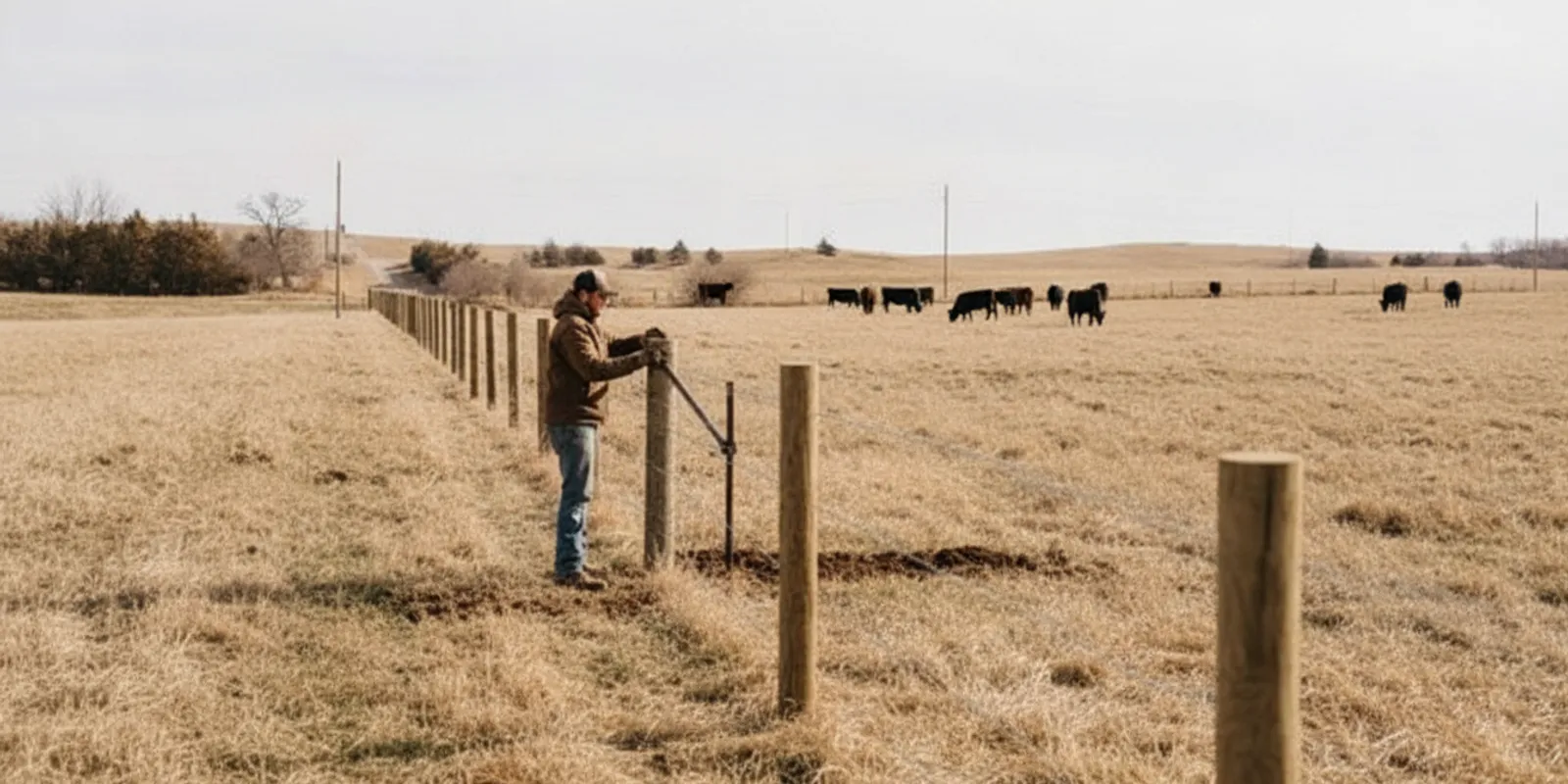
Repair work is not always limited to replacing a visible piece of wire. The job may involve restoring a brace, replacing a post, reconnecting a section, or addressing a longer stretch where the support system no longer holds tension. Proper bracing and tension matter because a repair that only hides the visible break may leave the underlying weakness in place. Rapid Fence provides agricultural fence repair and structural repair as part of its fence repair and service work. For a broader overview of maintenance, repair, and removal options, see the agricultural fence repair, maintenance, and tear-out guide.
How can you assess whether a fence can be repaired or needs replacement?
A quick look at a break cannot always show the full condition of a fence. A contractor will consider the damaged materials, the condition of nearby posts and bracing, how far the problem extends, and what the fence needs to contain. Repair may be a practical option when damage is limited and the surrounding structure remains sound. Replacement or a larger rebuild may deserve consideration when several connected sections are failing or the support system has deteriorated over a long run.
For example, if one short stretch of wire is broken but the posts, brace, and neighboring connections remain stable, a targeted repair may address the immediate issue. If the wire has failed near a corner and the brace or posts have also moved, simply reconnecting the wire may leave the cause in place. If several consecutive supports are loose or the line has recurring failures, discuss whether repairing one point at a time will restore the fence's purpose or whether a partial replacement is a better fit. These are examples to guide the conversation, not a diagnosis from a photograph.
Use the following comparison to prepare questions for an assessment. It is a planning guide, not a diagnosis: site conditions and the fence’s purpose affect the right scope.
Option | Often considered when | What to inspect or discuss | Planning question |
Targeted repair | Damage is limited to a short, identifiable area and nearby supports appear serviceable. | Broken wire or rails, damaged post, connections, and the condition of adjacent sections. | Will the repair restore the function of the section, including its support and tension? |
Structural repair | A brace, corner, gate connection, or several related parts need attention to make the fence hold together. | Post movement, brace condition, tension, soil or drainage changes, and how the section connects to the rest of the line. | What underlying weakness caused the visible damage, and what work addresses it? |
Partial or full replacement | Damage is widespread, repeated, or the existing fence no longer suits the job. | Length and layout, materials, gates, livestock needs, access, and whether sound sections can remain. | Can the work be divided into sound phases, and what will be included in each scope? |
Ask the contractor to explain what can be reused and what should be replaced, rather than assuming that every damaged fence needs a full rebuild. Also ask what the estimate includes: removal of failed material, replacement supports, wire or other fence material, gate connections, cleanup, and any site preparation that applies. The goal is to understand the proposed scope and how it addresses the cause of the failure.
It can help to compare the repair options against the fence's job, not only its appearance. A boundary fence, a pasture division, and a section beside a working gate may have different daily demands. Explain what animals use the area, how often they pass through it, and whether you need to move them while work is under way. Ask which parts of the existing fence can remain in service and which should be taken out of use until repair. That conversation can clarify whether a staged project is practical and what temporary access or containment arrangements need to be planned.
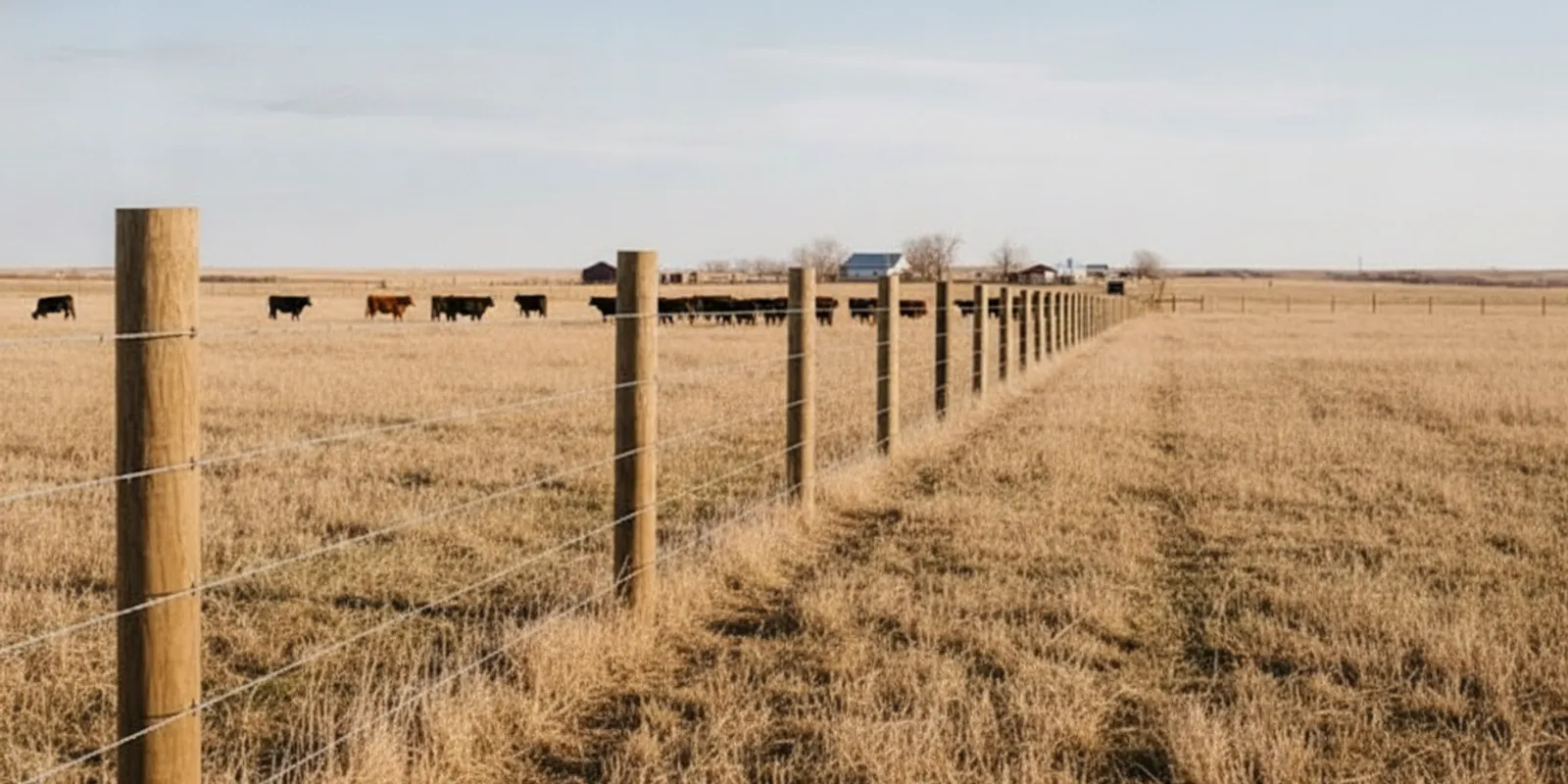
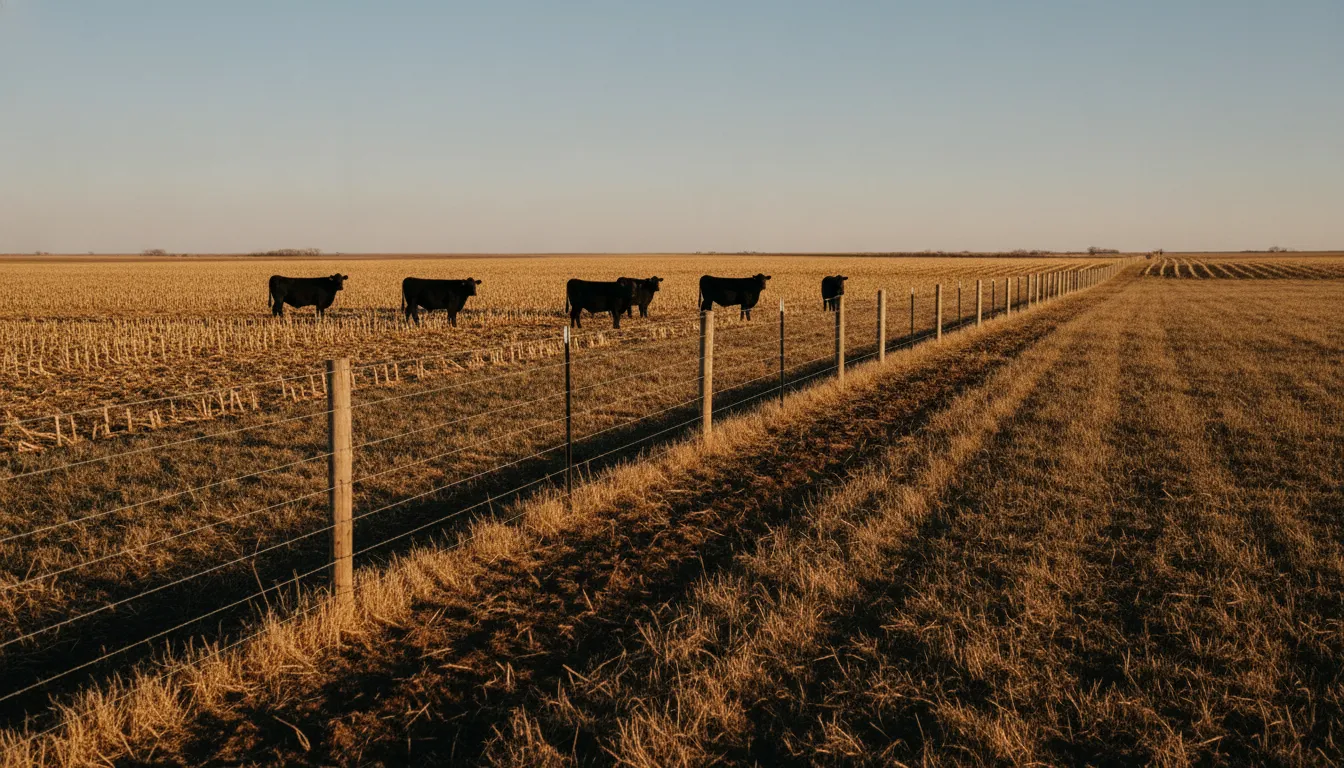
Fence type and intended use also matter. A repair approach for a continuous fence may differ from one for barbwire or hi-tensile. The right decision depends on the animals, boundary, terrain, and condition of the existing installation. If you are comparing fence types for a new or changing pasture, Rapid Fence’s guide to choosing a farm fence for your land can help you organize questions before discussing a project.
What does Rapid Fence cover in Greeley, Buffalo, and Hall Counties?
Rapid Fence is based in Scotia, Nebraska, and serves agricultural and livestock owners across Central Nebraska. Its work includes structural fence repair, along with fence installation and related services. The company works with barbwire, hi-tensile, and continuous fence, and also handles fence tear-outs, fence line cleaning, dirt work, and custom-built corrals. Which services fit a particular repair depends on the property, the existing fence, and the requested scope.
When you call from Greeley, Buffalo, or Hall County, share the nearest town or general location and describe the job. Rapid Fence’s broader service focus also reaches communities and counties across its extended Central Nebraska area, including opportunities in Platte, Boone, Holt, and Custer Counties. Confirm the location and project details directly when arranging an assessment; distance, access, and the work needed can affect scheduling.
Service-area wording is a starting point, not a substitute for checking the specific property. A farm may have multiple entrances, long internal lanes, or a fence section far from the nearest paved road. When you provide the nearest town and a practical route or landmark, the contractor can discuss whether the location and requested work fit the visit. Mention if the damaged section is accessible only through a gate or across a working yard. Confirm any scheduling details directly rather than assuming a contractor can reach every property on the same timetable.
Before choosing a contractor, make sure the conversation covers the actual repair instead of only the nearest town or county. Ask whether the provider handles your fence type and the kind of structural work involved. Request a clear description of the scope, ask how the crew will access the work area, and find out whether the estimate includes removal of failed material or only the replacement section.
Directories can be one place to find names, but they do not tell you whether a contractor serves your property or handles your exact project. For example, the Better Business Bureau’s fence-repair directory for Lincoln, Nebraska is geographically specific; use it as a directory, not as a substitute for confirming service area, scope, and project details directly. You can also review completed fencing projects in Central Nebraska to see examples of the company’s work.
What should you expect when you call for a fence repair assessment?
A useful first conversation starts with the problem and the property. Be prepared to explain what failed, when you noticed it, and whether livestock containment or access is affected. Share the fence type if you know it, the approximate length of the damaged area, and whether nearby posts, braces, gates, or multiple runs appear involved. You do not need to know the technical name for every part; a plain description and clear photos can still help frame the request.
The contractor may need to learn how to reach the site and where the damaged section is located. Explain whether there is a preferred entrance, a locked gate, livestock in the affected pasture, or equipment that could limit access. Mention visible drainage changes, a washout, fallen trees, or any other condition that may have contributed to the damage. Do not put yourself at risk to inspect or photograph a hazardous section.
To make the first exchange easier, organize the information in a short sequence: where the damaged fence is, what it is meant to contain or separate, what you observed, and whether the issue is active or can be scheduled. Then explain access and any immediate safety concerns. If there are several damaged locations, identify the most urgent one first and give a rough count of the others. You can send or describe photos after confirming a safe way to do so; a wide view can show how the section connects to the line, while a closer view can show the visible break. Do not step over damaged wire or enter an unstable area just to get a better picture.
An assessment is a chance to look beyond the point where the fence broke. Ask what appears to have failed, whether adjacent sections need attention, and what the contractor recommends doing now versus monitoring or scheduling later. If a larger job is involved, ask whether the work can be staged while maintaining safe livestock control. A clear explanation helps you compare options and make an informed decision.
If you are planning a more substantial project rather than a single repair, the agricultural fence installation guide covers considerations that can also help clarify a replacement conversation. For a closer look at one common support issue, review the guide to corner brace fence installation. These resources do not replace a site assessment, but they can help you prepare specific questions.
What information helps a contractor give a useful repair quote?
A useful estimate begins with a shared understanding of the work, access, and materials involved. Gather the details below if they are available. Estimates may still require an on-site assessment, especially when damage extends beyond what can be seen in photos.
- Location:
nearest town or county, directions to the property, and the best entrance.
- Fence purpose:
what animals or boundary the fence serves and whether it is currently containing livestock.
- Fence type:
barbwire, hi-tensile, continuous fence, chain link, or another type, if known.
- Approximate scope:
the length affected, number of visibly damaged areas, and whether the issue involves a gate, corner, brace, or long run.
- Condition around the damage:
leaning posts, loose or broken material, erosion, vegetation, or repeated failures you have noticed.
- Access and timing:
gates, livestock movement, equipment access, and any schedule or containment concern.
- Photos:
a few views from a safe distance, including the damaged area and its connection to nearby fence.
Before you send pictures, label each one by location if there is more than one damaged area. A simple note such as “north pasture gate” or “west boundary by the creek” can prevent confusion. Include one broad view and one closer view when they are safe to take. Photos can clarify the visible conditions, but they do not show every buried support, connection, or issue along the full fence line, so avoid treating them as a final scope or price.
Ask for the proposed work to be described in writing so you can understand what is included. If you have more than one estimate, compare the scope, materials, included removal or cleanup, and treatment of nearby structural issues—not just the total. A low quote that leaves out work you expected is difficult to compare with a quote that includes it. If the scope is not clear, ask questions before approving it.
For example, two proposals may both describe “repair fence” but cover different tasks. One could address a short section of wire, while another may include replacing a failed post and correcting a brace connection nearby. Ask each contractor to identify the limits of the repair, whether old material will be removed, what happens if additional damage is found, and whether gate or cleanup work is included. Those questions create a more useful comparison without assuming that the largest scope is automatically best.
For maintenance planning, note repairs as you find them and group non-urgent work by pasture or fence line. This can make it easier to discuss priorities and avoid overlooking a recurring weak point. If the fence needs immediate attention, say so clearly when you call; a planned maintenance list is not a substitute for handling an active containment or safety issue.
Frequently asked questions
What should I do first if livestock can get through a broken fence?
Keep people and animals away from the damaged section, and use an existing safe route or sound barrier if one is available. Do not handle wire under tension or approach an electrical or utility hazard. Call a contractor and describe the containment issue so the urgency is clear.
Can a contractor tell from photos whether the whole fence needs replacement?
Photos can help explain the visible damage, but they may not show the condition of buried posts, braces, connections, or the full fence line. Share useful pictures, then ask whether an on-site assessment is needed to define the repair or replacement scope.
Does Rapid Fence handle structural repairs as well as wire repairs?
Rapid Fence lists structural repair among its services. Describe what failed and the fence type when you contact the company so the assessment can focus on the relevant section and support system.
What if my property is outside Greeley, Buffalo, or Hall County?
Rapid Fence serves Central Nebraska and has a broader service focus that includes areas such as Platte, Boone, Holt, and Custer Counties. Contact the company with your location and project details to confirm whether the work can be scheduled.
Plan the next step for your farm fence
A damaged fence deserves a clear assessment of the visible break and the support around it. Gather safe photos, describe the fence’s purpose and location, and ask what work is needed to restore reliable containment. Rapid Fence is based in Scotia and works with agricultural and livestock owners across Central Nebraska, including Greeley, Buffalo, and Hall Counties. A focused conversation can help you understand whether a targeted repair, structural work, or a larger replacement plan makes sense for your property.
Comments