
Hire Agricultural Fence Contractor Nebraska: A Buyer Guide
Updated: Oct 14
A farm fence is only as dependable as the plan behind it. Before you compare bids, identify the animals, property conditions, gates, access points, and job timing the fence must handle. A contractor who asks those questions can design for containment and daily farm use, not just install wire along a measured line.
To hire agricultural fence contractor nebraska property owners can trust, compare agricultural experience, written scope, and bracing details. Review material choices, references, insurance questions, and the contractor's plan for Nebraska soil and weather. Review multiple detailed quotes side by side, and verify local requirements with the appropriate authority rather than assuming a contractor's claim is enough.
Look beyond the total at what each proposal includes: posts, gates, brace assemblies, clearing, tear-outs, dirt work, finishing, and structural repair. The right evaluation starts with understanding how livestock needs shape the fence, then checking whether the contractor can deliver that plan locally. This guide explains the qualifications and project details worth examining, with additional context in our Nebraska agricultural fence installation resource.
What to Look for When You Hire an Agricultural Fence Contractor in Nebraska
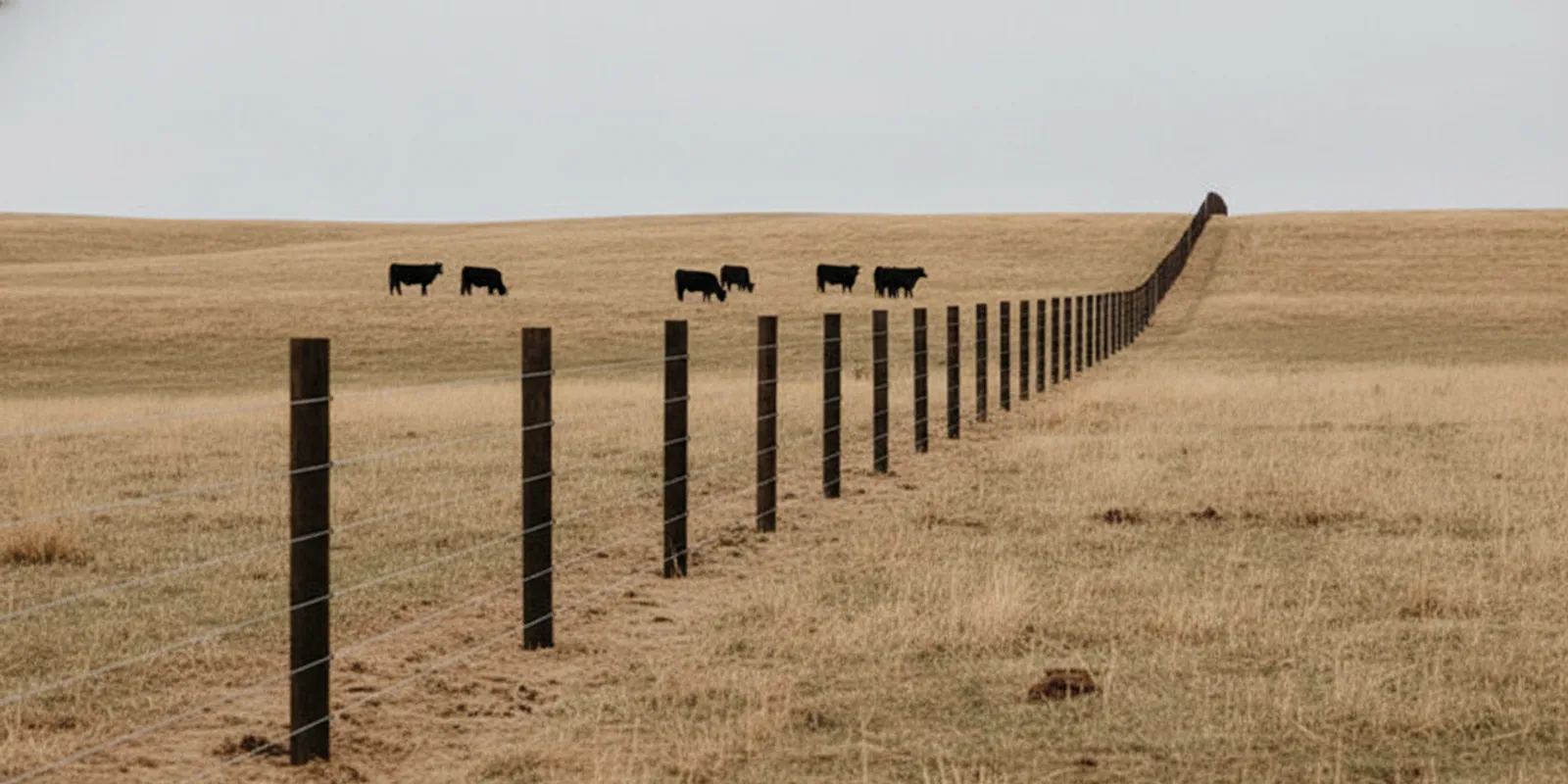
A qualified agricultural fence contractor should understand more than how to stretch wire between posts. Start by asking whether the contractor has experience with the animals, terrain, and day-to-day work your fence must support. Livestock fencing needs can vary widely by species, age, breed, and production system. So the right design for a cattle perimeter may not be the right design for horses, sheep, goats, or a working corral. Fence height, strength, spacing, gate placement, and access should follow the use case rather than a one-size-fits-all package. The University of Tennessee's agricultural fencing guidance identifies purpose as the first decision in fence selection and includes these planning factors in its recommendations: agricultural fence planning guidance.
Ask how the contractor builds strength into the fence
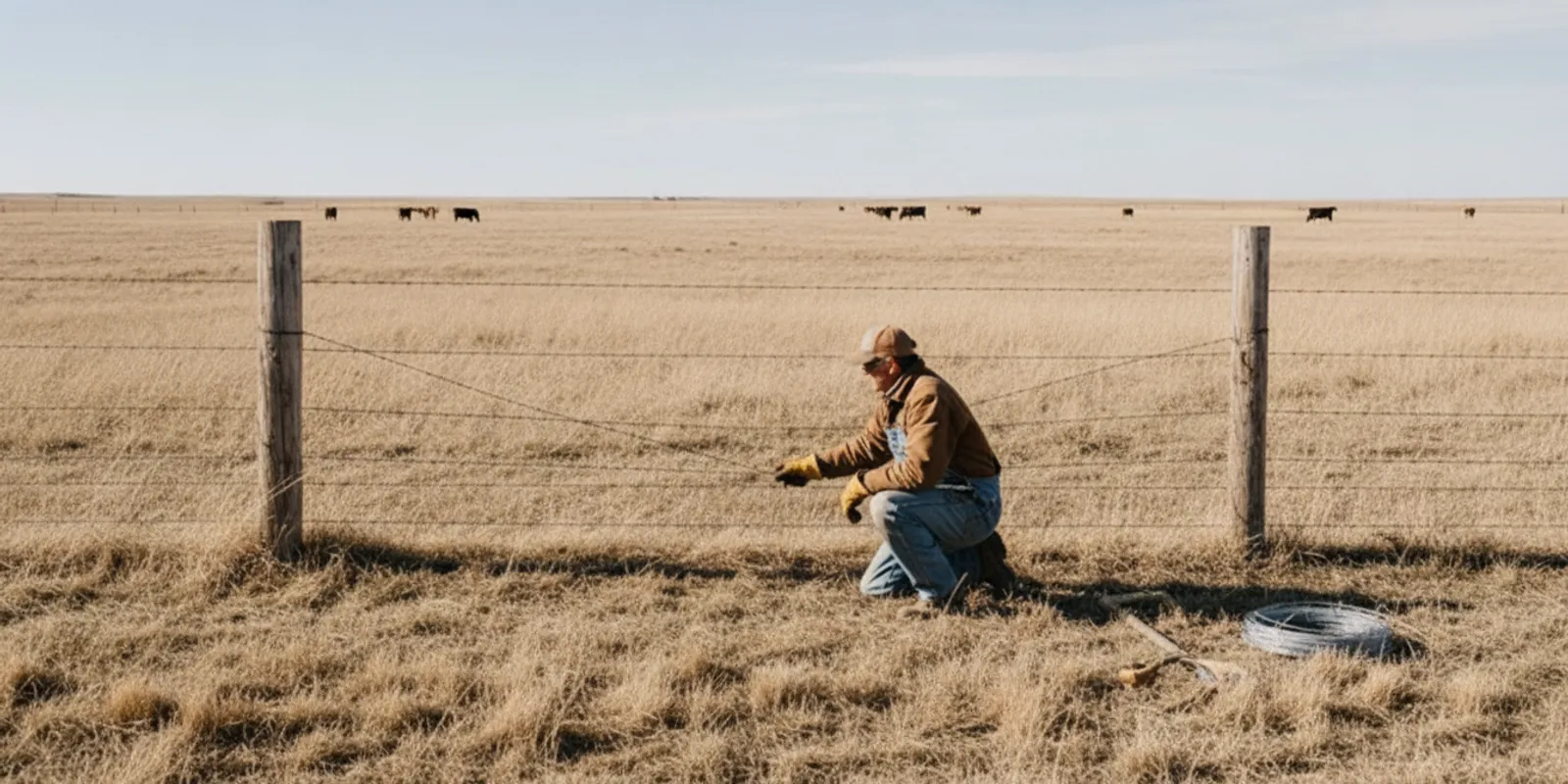
Have the contractor explain the structural details, not just the finished appearance. A sound proposal should address post type, post spacing, setting methods, gate construction, and stock gaps or cattle guards where they are needed. It should also show how corner, end, and line brace assemblies will support the fence. Bracing is what helps a fence hold its shape when wire is tensioned and when livestock, wind, or a gate puts force on the line. Wire tensioning and post setting are distinct construction steps, and both deserve a clear explanation before work begins.
Ask what materials fit your livestock and property. A contractor should be able to discuss barbwire, hi-tensile, continuous fence, woven wire, or other appropriate systems without pushing one material for every application. If the project includes corrals, high-traffic gates, or structural repair, ask how those areas will be reinforced and maintained. You can review the broader approach in this guide to Nebraska agricultural fence installation.
Check local construction judgment and professional references
Nebraska weather and ground conditions should be part of the conversation. Wind, temperature swings, freeze-thaw cycles, shifting soil, drainage, and seasonal access can affect post stability and long-term tension. Ask how the contractor evaluates soil and whether post depth, bracing, and site preparation will change for your location. A national reference can inform the discussion, but it should not replace local judgment. The USDA Natural Resources Conservation Service publishes Fence Conservation Practice Standard 382, while cautioning that national standards should not be used alone to plan or install a practice. Local Field Office Technical Guide materials may be more appropriate for local conditions.
Finally, request recent agricultural references for work similar to yours. Ask about livestock type, fence system, gates, cleanup, communication, and performance after weather and normal use. Also ask whether the contractor carries appropriate insurance, whether any licensing or permit requirements apply to your project, and who is responsible for verifying them. Rapid Fence, led operationally by Cody Koehn, serves agricultural property owners across Central Nebraska, with a primary focus on Greeley, Buffalo, and Hall Counties. That local experience should show up in the questions asked during the site visit and in the details of the written scope.
Questions to Ask Before Signing a Farm Fence Contract
A strong farm fence contract should make the finished project easy to picture before work begins. Ask the contractor to put the fence purpose, livestock species, property conditions, and full scope in writing. Fence needs can vary by species, age, breed, and production system, so a useful scope should explain why the proposed design fits your operation. The University of Tennessee's agricultural fencing guidance identifies purpose as the first selection decision and includes posts, gates, brace assemblies, and stock gaps among the planning details.
What exactly is included in the fence design?
Ask which fence type and materials are being installed, such as barbwire, hi-tensile, continuous fence, woven wire, or another system. The contract should identify the number and type of wires, post material, post spacing, post setting method, and expected tensioning work. It should also show gate locations, gate construction, cattle guards or stock gaps, and the brace assemblies at corners, ends, and line changes. These details affect containment, durability, maintenance, and the expected life of the fence. They should not be left to an informal conversation.
Ask how the contractor will handle areas that carry more load. Will corners and ends receive properly built brace assemblies? How will wire be tensioned after posts are set? What site conditions could change the design? You are not looking for a complicated engineering document. You are looking for enough detail to compare one proposal with another and confirm that the quote covers structural support, not just wire and posts.
Are preparation, cleanup, and changes covered?
Clarify whether the price and scope include fence-line clearing, dirt work, removal of the existing fence, disposal of tear-out materials, access preparation, and cleanup. If brush, uneven ground, drainage, or buried obstacles may affect the work, ask how those conditions will be handled. A full-cycle agricultural fencing plan can include clearing, dirt work, tear-outs, installation, finishing, and structural repair, but each item should be named in your agreement.
Ask for the expected work window rather than an unsupported completion promise. Installation time can vary with project size, materials, weather, and complexity. Discuss what happens if weather or ground conditions interrupt the schedule, and require written approval for change orders. The best time for farm fence work depends on your operation's seasonal needs as well as workable site conditions.
What warranty and local-rule questions should I ask?
Have the contractor explain any workmanship or material warranty in plain language, including its duration, exclusions, and the process for reporting an issue. Do not assume a warranty exists or attach terms that were never offered. Also ask who will verify local requirements before construction. Depending on the location, rules may involve zoning, height, setbacks from property lines, permits, or material limitations. Treat these as items to check with the appropriate county or local authority, not as legal advice from a contractor or blog post.
Before signing, read the scope, materials, schedule, payment terms, change-order process, cleanup responsibilities, and warranty together. If an important answer is only verbal, ask for it in the contract.
Red Flags When Comparing Agricultural Fence Quotes
A fence quote should explain what will be built and where the work begins and ends. It should also identify what could change before installation. Be cautious when a proposal gives you a number without enough detail to evaluate the work behind it. A low quote is not automatically a bad quote, but an incomplete quote can create expensive confusion once posts, gates, clearing, or repairs are involved.
Vague scope and lowest-only comparisons
Watch for phrases such as "farm fence installation" without a clear description of fence type, wire, posts, spacing, braces, gates, access, cleanup, and tear-out work. Two contractors may appear to quote the same project while including very different materials and labor. A useful comparison should identify the major cost components, including fence type, project size, materials, terrain, labor, permits or local requirements, and additional fees. Those factors can change the work substantially, even when the boundary is the same.
Be especially careful when a contractor focuses only on being the lowest option and cannot explain what was left out. Ask whether the quote includes site preparation, fence-line cleaning, dirt work, old-fence removal, corner and end bracing, tensioning, gates, and final cleanup. If the answer is unclear, request a revised written scope before comparing the proposal with another contractor.
No site assessment or plan for Nebraska conditions
A contractor who quotes agricultural fencing without seeing the property may miss uneven terrain, drainage, access limitations, or existing fence failures. They may also miss livestock pressure or soil that affects post stability. A responsible site assessment should lead to practical questions about post setting, brace assemblies, wire tension, gate placement, and the conditions that could affect installation.
Ask how the plan accounts for wind, temperature swings, freeze-thaw cycles, shifting soil, and the seasonal work window. The contractor does not need to promise that weather will never affect a schedule. They should explain how weather and ground conditions influence sequencing, access, and construction decisions. An answer that treats every Nebraska site as identical is a warning sign.
Pressure, weak references, or evasive answers
Be wary of pressure to sign immediately, vague promises of guaranteed performance, or claims that cannot be explained in writing. Ask for references from agricultural customers with comparable fence types or livestock needs. And look for a consistent record of finished work rather than relying on polished sales language.
Also ask directly about insurance, licensing, permits, and any local requirements that may apply to the property. Requirements can involve zoning, setbacks, height, or material limitations, but the contractor should not present unverified legal advice as fact. If they become evasive about documentation, references, scope, or responsibility for change orders, pause the comparison. A clear process and honest limitations are stronger signs of a contractor prepared to build a fence that works in the field.
How to Evaluate a Farm Fence Quote
A useful farm fence quote should let you compare the work, not just the final total. Cattle producers commonly weigh expense, construction ease, and expected fence life, but those factors only mean something when each contractor is pricing the same scope. The quote should show what will be installed, what preparation is included, and which conditions could change the work.
Use the line items below as a practical review checklist. For additional context on the factors that shape barbed-wire installation costs, compare the scope and construction assumptions rather than looking for a generic rate.
Quote line item | Why it matters | Questions to ask |
Materials and fence type | Barbwire, hi-tensile, continuous fence, and other systems have different installation and maintenance needs. | What wire, posts, fasteners, and treatment are included, and why do they fit the livestock and site? |
Labor and installation | Labor should account for setting posts, attaching materials, tensioning wire, and finishing the fence. | What tasks are included, and what work is excluded from the installation price? |
Terrain and site preparation | Rock, slopes, brush, uneven ground, drainage, and difficult access can affect the construction approach. | Was the site assessed, and are clearing, fence-line cleaning, dirt work, or access limits identified? |
Bracing, tension, and posts | Corner, end, and line brace assemblies support a stable fence, while proper post setting and tensioning affect performance. | Where are braces located, how will posts be set, and how will wire be tensioned? |
Gates and stock gaps | Gate location and construction affect livestock movement, equipment access, and daily operation. | How many gates are included, what size are they, and are cattle guards or stock gaps needed? |
Tear-out and cleanup | Removing old fence and handling debris can be a substantial part of the project. | Does the quote include tear-out, hauling, disposal, and final cleanup? |
Schedule and site coordination | Farm work is seasonal, and weather, soil, material availability, and project complexity can affect timing. | What is the expected work window, and how will weather or site changes be communicated? |
Permits, fees, and change orders | Local requirements and unforeseen conditions may create additional steps or costs. | Which permits or fees should be verified, and what written approval is required before extra work? |
Look for a quote that connects the scope to your animals, property, and operating priorities. A clear written plan makes competing proposals easier to compare and gives both sides a shared reference if site conditions change.
Why Local Central Nebraska Experience Matters
Fencing work is shaped by the ground, weather, animals, and work calendar on the property. Rapid Fence is based in Scotia, Nebraska, and works with agricultural property owners in Greeley, Buffalo, and Hall Counties. That local focus helps keep planning connected to the conditions farmers and ranchers actually face, rather than treating every fence line like a generic installation.
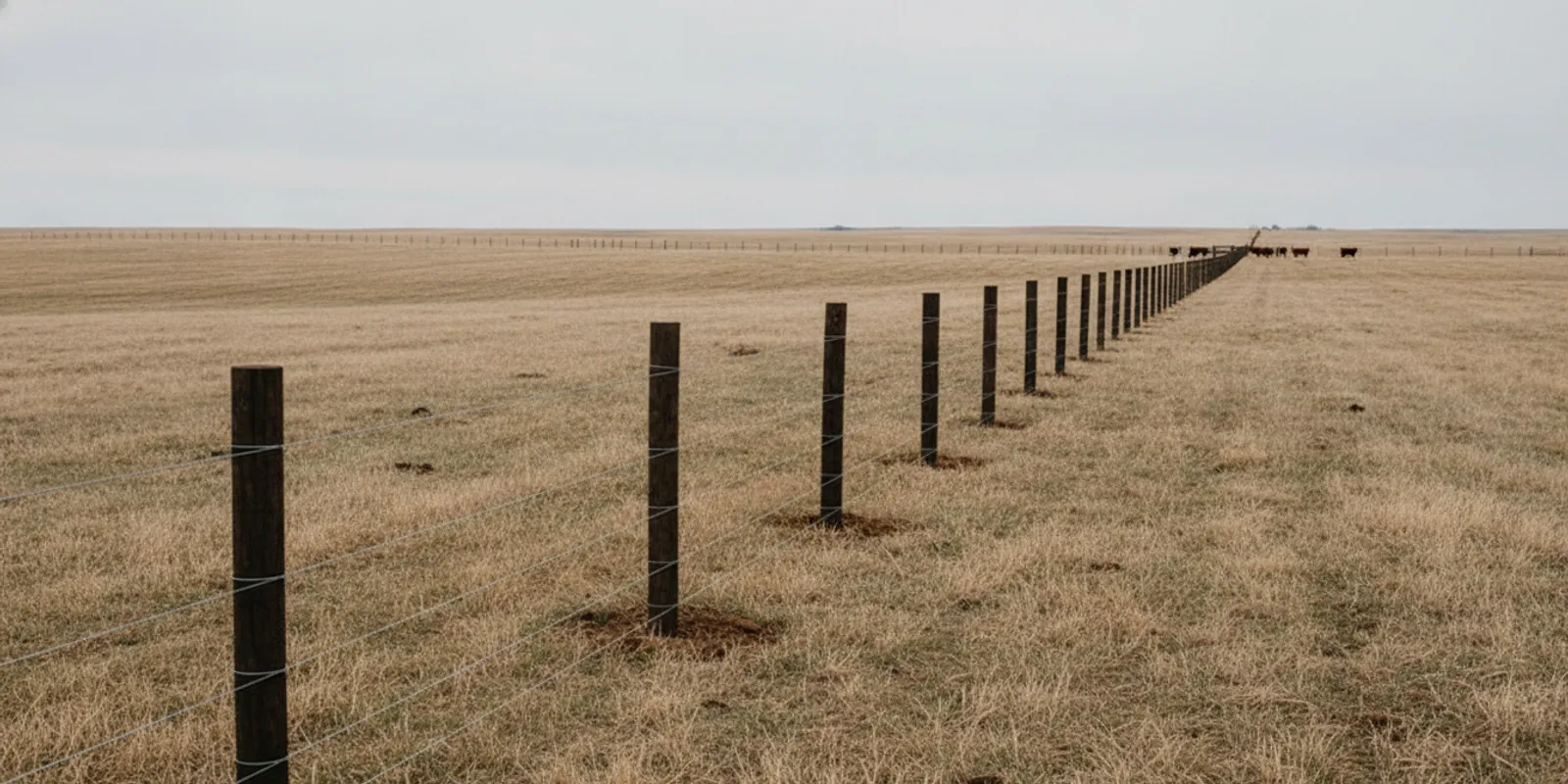
Central Nebraska properties can be exposed to strong wind, sharp temperature changes, freeze-thaw cycles, and soil that shifts as conditions change. Those factors affect how posts are set, how corners are braced, and how wire is tensioned. Livestock adds another practical consideration. A fence must be suited to the animals it contains, the pressure they place on it, and the gates and access points needed for daily work. A contractor evaluating the site should discuss these issues before recommending barbwire, hi-tensile, continuous fence, or a custom corral.
Season-aware planning reduces disruption
Agricultural fencing often has to fit around planting, haying, grazing, calving, harvest, and changing ground conditions. Weather and soil can affect when clearing, post setting, and other site work can proceed. A local contractor cannot eliminate those variables, but can plan the work window with them in mind and communicate when conditions may change the sequence. The goal is efficient progress without rushing structural work or disrupting livestock operations unnecessarily.
One team can carry the project through the details
Local knowledge is most useful when it carries through the entire job. Rapid Fence can address fence-line cleaning, dirt work, and tear-outs before installation, then continue through post setting, brace construction, wire tensioning, finishing, and structural repair. That continuity makes it easier to identify drainage, access, weak corners, or unstable existing sections before they become failures in the finished fence.
Bracing deserves particular attention because corners and ends carry much of the fence's working tension. Review the role of durable corner bracing when comparing plans, and ask how the proposed design fits the soil, terrain, livestock, and expected use on your property. Choosing a contractor familiar with Central Nebraska conditions gives those questions a practical starting point without implying that one design fits every farm or ranch.
How to Prepare for a Contractor Site Visit
A productive site visit gives the contractor enough context to recommend a fence that fits your livestock, property, and work schedule. Before the appointment, walk the area if conditions are safe and gather the details that affect posts, gates, bracing, wire tension, access, and site preparation. A clear picture of the job helps you compare a complete scope instead of judging proposals by a single line item.
- Map the boundary and purpose.
Mark the approximate perimeter, corners, proposed fence lines, and any areas that need to contain animals or keep wildlife and predators out. Note whether the project is a perimeter fence, pasture division, corral, or another agricultural use. The right design depends on what the fence must contain or exclude, so identify the purpose before discussing materials. A simple aerial image, property sketch, or marked-up map is useful.
- Identify the animals and their behavior.
Tell the contractor which species, age groups, breeds, or production systems will use each enclosure. Cattle, horses, sheep, goats, pigs, and poultry can have different strength, spacing, and height needs. Mention pressure points such as animals testing the fence, young stock, or predator concerns. This information helps the contractor tailor the fence rather than apply one standard layout everywhere.
- Mark gates, access routes, and equipment needs.
Identify where livestock and machinery must enter, where a stock gap or cattle guard may be needed, and which lanes must remain open during construction. Explain turning requirements for trucks, trailers, and farm equipment. Gate location and construction should be planned alongside post spacing and brace assemblies, not added as an afterthought.
- Document existing fence and tear-out areas.
Point out sections to keep, repair, remove, or replace. Photograph leaning posts, broken wire, failed corners, overgrown fence lines, and old gates. Ask whether the scope includes tear-out, fence-line cleaning, dirt work, disposal, installation, tensioning, and finishing so the estimate reflects the full job.
- Note drainage, terrain, and soil conditions.
Flag low spots, waterways, steep grades, wet ground, erosion, tree lines, buried utilities, and areas where access is difficult. These conditions can affect post setting, drainage, equipment movement, and the practical route of the fence. Include any known seasonal changes, such as spring moisture or freeze-thaw movement.
- Bring timing and priority information.
Explain livestock moves, calving or breeding periods, harvest demands, pasture rotations, and any seasonal window that limits disruption. If the entire project cannot happen at once, rank the sections that matter most. Agricultural work is affected by weather, soil, materials, and complexity, so useful priorities support a realistic schedule without relying on unsupported completion promises.
Prepare questions and request a written scope.
Ask how the contractor will address post type and spacing, gates, bracing, tension, materials, cleanup, changes, and expected fence life. Compare expense, construction ease, durability, and site fit rather than choosing only the lowest quote. When you are ready,
and share your map, photos, animal details, and priorities before the visit.
Good preparation does not require perfect measurements. It gives the contractor a practical starting point and makes the on-site conversation more useful for everyone involved.
Frequently Asked Questions
How much does it cost to put up a farm fence?
There is no useful one-size-fits-all number. The total depends on fence type, project size, materials, labor, terrain, design details, permits, and additional site fees. Compare detailed quotes line by line so you can see whether posts, gates, brace assemblies, clearing, tear-out, dirt work, cleanup, and final tensioning are included. A lower total is not necessarily the better value if the scope leaves out work your property needs.
How tall does a fence need to be for cattle?
Height depends on the cattle, fence purpose, terrain, and the rest of the design. As a planning reference, the University of Tennessee publication says perimeter cattle fences should be at least 54 inches high. But that guidance should be evaluated alongside post setting, wire spacing, corner bracing, gates, and local conditions. Your contractor should explain how the proposed design supports reliable containment rather than quoting height alone.
What questions should I ask before hiring a fence contractor?
Ask whether the contractor has agricultural experience with your livestock and project type, then request a written scope. It should identify fence materials, post spacing, gates, brace assemblies, access, site preparation, cleanup, schedule assumptions, change orders, and warranty terms. Also ask for references, proof of insurance, applicable licensing information, and examples of comparable work.
Do I need a permit or approval to build a farm fence in Nebraska?
Requirements can vary by local jurisdiction and property conditions. Before work begins, verify applicable building codes, zoning rules, height limits, property-line setbacks, material restrictions, and any agricultural or conservation requirements with the relevant county or local authority. NRCS also cautions that its national Fence 382 standard should not be used alone for design or installation and directs users to local Field Office Technical Guide materials: NRCS Fence 382 guidance.
How do I choose the right agricultural fence company?
Choose the contractor who understands your animals, land, and intended use, not simply the one with the lowest quote. Look for a clear site assessment, detailed scope, practical plan for soil and weather, relevant references, responsive communication, and evidence of sound bracing and tensioning. A contractor who can coordinate related work such as fence-line cleaning, tear-outs, installation, and structural repair may also reduce handoffs.
Ready to Plan Your Farm Fence Project?
A clear site conversation can help match the fence layout, materials, gates, and bracing to your livestock and property conditions. Rapid Fence brings local Central Nebraska experience to farm and livestock fencing projects, with service focused on Greeley, Buffalo, and Hall Counties.
Contact Cody Koehn and the Rapid Fence team to discuss your needs and determine a practical next step.
Comments