
Fence Contractor in Dawson County, NE: Agricultural Fencing Near Lexington

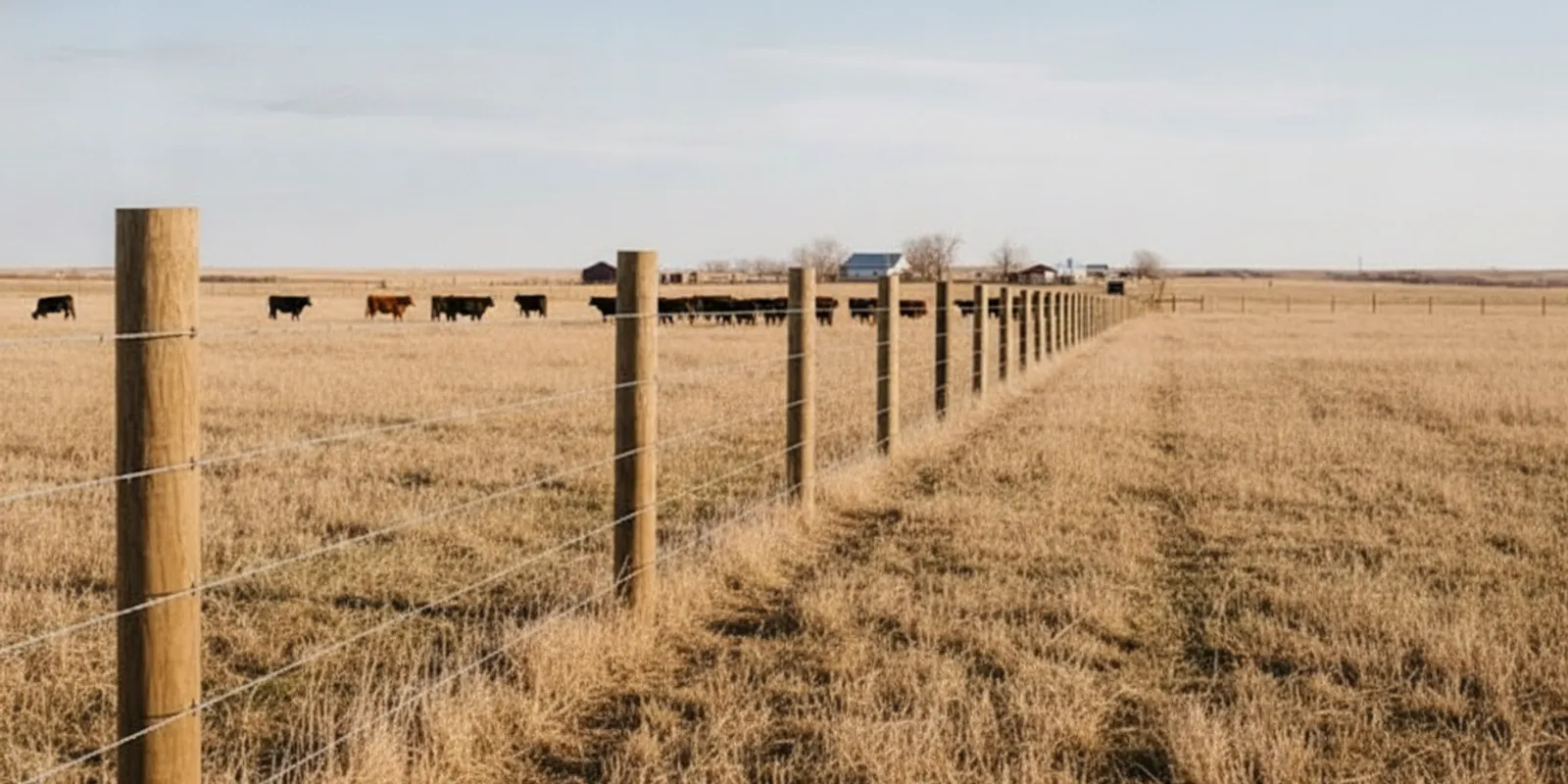
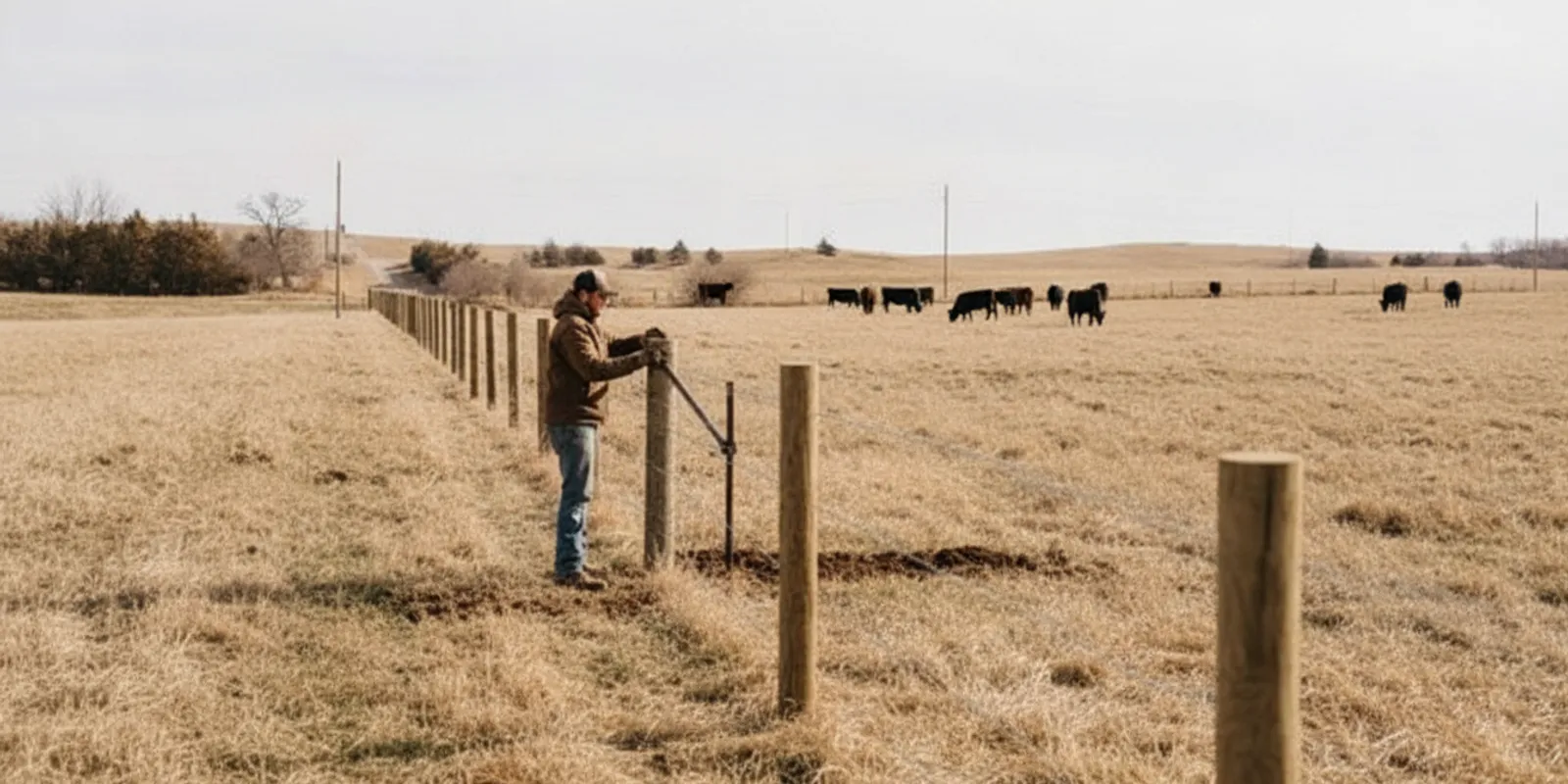
Choosing a fence contractor Dawson County NE property owners can work with starts with a clear plan for what the fence must do. A cattle pasture, a working area, a boundary line, and an equipment entrance all have different demands. For farms near Lexington and elsewhere in the region, the contractor conversation should cover livestock, layout, gates, bracing, terrain, and when you need the fence ready.
What should a fence contractor in Dawson County help you decide?
A contractor should help turn the purpose of the fence into a workable design and scope. Start with the job: contain livestock, divide pasture, guide animals toward a handling area, protect an enclosure, or replace a worn section. Each use affects the fence type and the details around it. The best first conversation is not only about wire or posts. It is about how the whole property will function once the fence is in place.
Before requesting an estimate, walk the proposed route if it is safe and practical. Make notes about corners, low or wet areas, slopes, existing fences, gates, and spots where animals tend to gather. Consider how trucks, tractors, trailers, and livestock will approach the line. A gate that works for a person on foot may not offer enough room for equipment or a group of animals. Sharing these observations helps the contractor identify questions that a simple length measurement would miss.
Rapid Fence is an agricultural and livestock fencing contractor based in Scotia, Nebraska, serving Central Nebraska. Its services include continuous fence, chain link, barbwire, hi-tensile, custom-built corrals, and structural repair. You can review the company's agricultural fencing services and examples of completed fencing jobs while deciding what you want to discuss. If your property is near Lexington, share its location and project details to confirm availability.
How do you match a fence type to the job?
There is no single fence type that suits every part of a farm. Choose based on the animals, containment needs, visibility, traffic, location, and how the section will be used. Some properties need one consistent system. Others need distinct fence types for perimeter runs, gathering areas, and enclosures. Use the comparison below as a starting point for a site-specific discussion, not as a substitute for reviewing the actual route.
Option | Common planning use | Questions to discuss | Details to include in scope |
Barbwire | Pasture and livestock boundary runs | What animals will be contained, and what wire configuration fits the application? | Wire count, brace locations, corners, gates, terrain, and tie-ins |
Hi-tensile | Pasture layouts and longer runs where the system fits the use | What configuration and tension are appropriate for this site and livestock? | Correct tension for the application, solid bracing, line layout, and access |
Continuous fence | Working areas where a sturdy physical barrier is important | Will livestock crowd or work against it? How will gates and turns fit? | Panel or rail layout, posts, bracing, openings, and connections |
Chain link | Enclosures where a mesh barrier fits the purpose | What needs to stay inside or outside, and where will people enter? | Height, gate placement, ground conditions, corners, and endpoints |
Custom-built corral | Livestock gathering and handling areas | How should animals and handlers move through the space? | Working flow, gate positions, connections, and operational needs |
A property may use more than one option. For example, the outer pasture boundary could use barbwire or hi-tensile, with continuous fence around a working area and chain link at a separate enclosure. The transition between sections matters. Tell the contractor where each type begins and ends, how the systems meet, and whether an existing fence or structure needs to connect to the new work.
When comparing barbwire and hi-tensile for cattle, consider the application, layout, livestock, and tension requirements rather than assuming one option is always better. Rapid Fence's guide to barbwire versus hi-tensile fencing for cattle can help you prepare those questions. For a working area, review the continuous cattle fence guide and note how you expect animals to approach gates and move through the space.
Which parts of the job should you review beyond the straight fence run?
Long straight stretches are easy to notice, but corners, ends, changes in direction, gates, and connections often require the most discussion. A fence needs sound bracing at the points that carry its load. Ask the contractor to explain where braces belong and how the planned layout handles turns and endpoints. On hi-tensile fence, talk specifically about applying the right tension for the use, not simply making the wire as tight as possible.
Think about gates as part of the design, not as a last-minute opening. Identify each location and its purpose: daily pasture access, equipment entry, livestock movement, or connection to a corral. Note which direction equipment approaches and whether a gate could block a lane when open. If a gate will be used frequently, explain who uses it and what must pass through. A gate placement that is convenient on a map may be awkward in day-to-day work if it interrupts a travel path or livestock flow.
Existing fence also deserves attention. If the new line meets old wire, a corral, or another barrier, show the contractor the connection point and ask how the transition will be handled. Tell them whether an old section should remain, be repaired, or be removed. Rapid Fence offers structural repair as well as fence tear-outs, fence line cleaning, and dirt work as project services. Confirm which preparation and removal tasks are included in the specific proposal instead of assuming that all site work is part of installation.
For more on one important structural detail, see the explanation of corner brace fence installation. The article is useful preparation for a conversation, but the contractor still needs to consider the actual fence system, route, and site before recommending a configuration.
What questions should you ask before hiring a fence contractor?
Ask about the reasoning and scope behind a proposal, not only the material name. A clear answer should connect the fence recommendation to your animals, property use, and site. These questions can help you compare proposals fairly or identify what still needs discussion with one contractor.
- What configuration do you recommend for this use?
Explain the livestock, traffic, and containment needs first. Ask the contractor to connect the recommendation to those specific needs rather than offering a generic option.
- How will corners, ends, gates, and turns be handled?
Ask where bracing will be used and how the layout deals with changes in direction. These details should not disappear behind a description of the straight runs.
- What work is included?
Clarify installation, tear-out, fence line cleaning, dirt work, repairs, or other site preparation that may apply. Ask what is excluded or depends on conditions found at the site.
- How will the new fence meet existing sections?
Point out every connection and ask how the transition will be built and what condition the old fence needs to be in.
- What access is needed during the work?
Discuss equipment routes, gates, livestock movement, and areas that should remain open. Decide how the contractor can reach the line without disrupting essential farm activity more than necessary.
- What is the expected sequence and timing?
Share grazing, handling, or other dates that affect the project. Ask what must be ready before work starts and when timing can be confirmed.
- How are changes handled if site conditions differ?
Ask how you will review options if the route, ground, or existing structures require a change in scope.
If you are weighing repair against replacement, make a simple record of the affected sections before the conversation. Note broken posts, sagging or loose wire, damaged braces, and areas where animals have pushed against the fence. Photos from a few angles can help explain the issue, though an on-site review may still be needed to assess the structure. Rapid Fence's agricultural fence repair guide offers a useful checklist of considerations. Describe what has failed and what the fence needs to do next; that is more helpful than deciding in advance that every damaged section needs the same fix.
What information helps you get a useful estimate?
You do not need a finished engineering plan to begin. A few organized details can make the first estimate conversation more productive and help surface decisions that are still open. A map, rough measurements, and photographs can be useful ways to communicate the scope. Mark what you know clearly, and label any dimensions or boundaries that are only estimates.
- Describe the purpose.
Say whether the fence will contain livestock, divide pasture, guide animals toward handling, secure an enclosure, or solve another farm need. Include how the area is used now and what you want to change.
- Give an approximate length and route.
Share a rough measurement or mark the line on a map. Identify straight runs, corners, jogs, slopes, and places where the route may change. If you only know the approximate distance, say so.
- Describe the animals and activity.
Explain what will be kept in the area and whether it is a pasture, working space, or access corridor. Mention where animals tend to gather or press on a fence, and how frequently people or equipment pass through.
- Mark gates and tie-ins.
Indicate openings, existing gates, crossings, and the points where the new work must connect to another fence or structure. Mention equipment size and normal travel direction where it affects the opening.
- Point out known site conditions.
Note wet or low ground, slopes, brush, old fencing, or other obstacles. Tell the contractor what you have observed rather than assuming the new line can follow an existing fence without review.
- State what should happen to the old fence.
Identify any portions to keep, repair, or remove. Ask whether fence tear-outs, fence line cleaning, or dirt work belong in the estimate, and confirm the limits of that work.
- Share timing needs.
Explain when the fence is needed and whether livestock movement, field activity, or equipment access affects the sequence. Treat dates as requirements to discuss, not as confirmed installation dates until the scope and schedule are reviewed.
- Ask for a plain-language scope.
Before accepting a proposal, make sure it describes the fence type, route, gates, bracing, preparation, removal, and connections clearly enough for you to understand what will be done.
Property boundaries require particular care. An existing fence can show where a line has been used, but it does not by itself verify the legal boundary. If the line is uncertain, resolve that question with an appropriate boundary professional before choosing a route. Dawson County provides contact information for its County Surveyor on the Dawson County Surveyor page. Use the appropriate process for your property; do not treat an old fence, a visible marker, or a rough map as proof of a legal boundary.
How do local conditions and timing affect a fence plan?
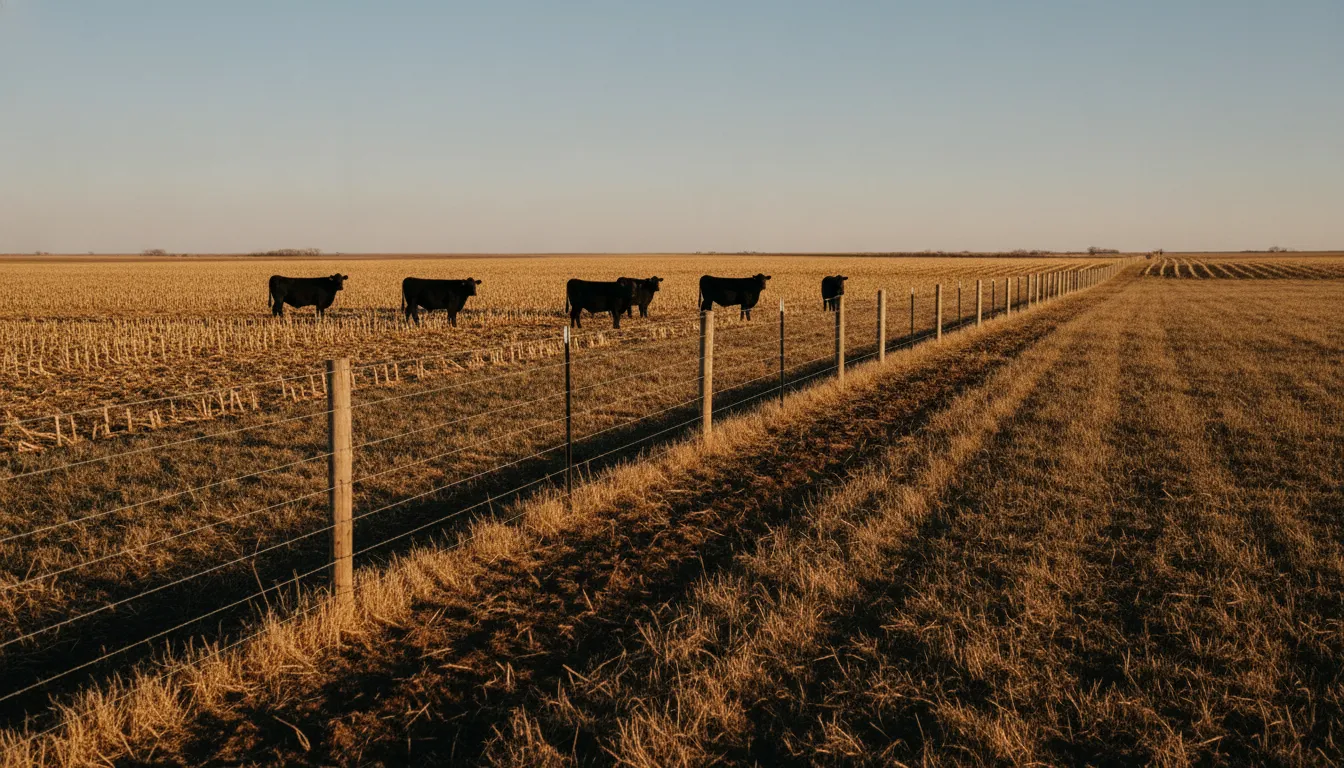
Central Nebraska properties are not all alike. A proposed fence may cross open pasture, uneven ground, cultivated land, or a low area that changes how access and installation should be planned. Livestock behavior also varies by use: the demands of a perimeter pasture may differ from those of a handling area where animals move through gates and gather. Walk the route with those uses in mind, and identify places where the fence has a specific job beyond marking a line.
Timing should be part of the first conversation, especially if you want fencing ready before livestock move or a working area is needed. Explain the date that matters and why. If the job is a repair, identify which section is most urgent and whether animals or equipment need a temporary route while work is underway. A contractor can discuss a feasible sequence after learning the scope and current schedule; avoid relying on a completion date until it is confirmed.
Rapid Fence is based in Scotia and serves agricultural and livestock owners across Central Nebraska. Its service area centers on Greeley, Buffalo, and Hall Counties, with broader opportunities around the region, including counties such as Platte, Boone, Holt, and Custer. Dawson County owners near Lexington can provide their location and project details to confirm availability. When you make contact, a precise property location is more useful than a general town name, particularly for a project on a rural road or a large property.
For a broader checklist on planning the installation itself, see the farmer's guide to agricultural fence installation. If season is a major constraint, the guide to timing farm fence installation in Nebraska can help you prepare questions about your preferred window. These resources can help organize your priorities, but a site-specific schedule still depends on the job details and confirmed availability.
How does the estimate process work with Rapid Fence?
Begin by describing the property, the fence's purpose, and the approximate project size. Include the route, fence type if you have a preference, gates, corners, tie-ins, access needs, obstacles, and the timing you have in mind. A map or photos can make the explanation clearer. If you are not sure which fence option fits, describe the job instead of guessing at a technical solution.
Rapid Fence offers free estimates. The conversation can identify what needs to be reviewed at the site and which choices remain. Before moving ahead, check that the proposed scope reflects your priorities: fence type, location, bracing, gates, preparation, removal, and connections. If you are comparing estimates, line up the included tasks and configuration side by side; two proposals are not directly comparable if one includes removal or additional gates and the other does not.
Use the Rapid Fence contact page to start a project conversation. You can also explore the company's Central Nebraska farm and livestock fencing information before getting in touch. Share the location and purpose up front so the next conversation can focus on the actual scope rather than general possibilities.
Rapid Fence is an agricultural and livestock fencing contractor based in Scotia, Nebraska, serving Central Nebraska. This article is attributed to Cody Koehn, CEO, Rapid Fence.
Frequently asked questions
Does Rapid Fence serve Dawson County near Lexington?
Rapid Fence serves agricultural and livestock owners across Central Nebraska from its base in Scotia and pursues projects in a broader regional area. Contact the company with your location and project details to confirm whether your Dawson County property is within its current service availability.
What fence types can I ask about?
Rapid Fence's agricultural services include barbwire, hi-tensile, continuous fence, chain link, custom-built corrals, and structural repair. The appropriate option depends on the animals, location, layout, and intended use of the section.
Should I choose barbwire or hi-tensile for a cattle pasture?
There is no one answer for every property. Discuss containment needs, terrain, gates, livestock use, and the planned layout. Ask how the recommendation accounts for proper tension and bracing for the specific application.
What should I prepare before requesting an estimate?
Write down the fence's purpose, approximate route and length, gate locations, access needs, site obstacles, old-fence plans, and timing. A map or photos can help explain the project, but a site review may still be needed.
Can I build along an existing fence line?
An existing fence can help you describe a proposed route, but it does not prove a property boundary. If the boundary is uncertain, seek appropriate guidance before deciding where the new fence will go.
Plan the next step for your farm fence
A durable fence starts with a clear purpose and a site-specific scope. Decide what the fence must do, mark the route and access points, and make a list of questions about type, gates, bracing, preparation, and timing. Then share those details with a contractor so the recommendation and estimate address the way your property actually works.
Comments